
Is your dog suddenly urinating on your bed? You’re not alone, and it can be frustrating and confusing.
You love your furry friend, but waking up to wet sheets is stressful. Why is this happening, and how can you stop it? Understanding the reasons behind this behavior is the first step to fixing it. Keep reading to discover what might be causing your dog to choose your bed as their bathroom and learn simple, effective ways to put an end to it for good.
Common Causes
Dogs urinating on beds can be puzzling and frustrating. Understanding the common causes helps solve this issue. Several reasons may lead your dog to urinate on your bed. These range from health problems to behavior and training gaps. Identifying the root cause is essential for proper action.
Medical Issues
Health problems often cause dogs to urinate in unusual places. Urinary tract infections make it hard for dogs to control urine. Kidney disease or bladder stones also increase accidents. Older dogs may have weak bladders or cognitive issues. A vet checkup rules out medical causes quickly.
Behavioral Reasons
Sometimes, urinating on the bed signals behavior issues. Dogs may act out due to boredom or seeking attention. Some dogs are testing boundaries or reacting to changes in routine. This behavior usually needs patience and consistent training to fix.
Marking Territory
Marking territory is a natural behavior for dogs. They use urine to claim areas, especially if new pets or people appear. Male dogs, whether neutered or not, may mark more often. This behavior can increase during walks or when guests arrive.
Stress And Anxiety
Stress can cause dogs to urinate indoors unexpectedly. Changes like moving, new family members, or loud noises trigger anxiety. Separation anxiety is common and causes accidents when alone. Comfort and calm routines help reduce stress-related urination.
Lack Of Training
Inadequate house training is a frequent cause of bed urination. Puppies and newly adopted dogs need time to learn where to go. Inconsistent schedules or unclear commands confuse dogs. Reinforcing potty training with positive rewards improves habits over time.

Credit: rockykanaka.com
Identifying The Cause
Understanding why your dog urinates on your bed is key to stopping this behavior. Pinpointing the cause helps you find the right solution. Dogs urinate on beds for many reasons, such as health issues, stress, or habits. Careful observation and some checks are needed to identify the root cause.
Observing Behavior Patterns
Watch when and how often your dog urinates on the bed. Note any changes in their daily routine or mood. Look for signs like restlessness, whining, or frequent trips outside. These clues reveal if anxiety or marking behavior triggers the problem. Tracking patterns helps understand your dog’s state of mind.
Consulting A Veterinarian
Visit a vet to rule out medical issues like infections or bladder problems. Health conditions often cause sudden accidents on the bed. Your vet can perform tests and suggest treatment if needed. Early diagnosis prevents worsening and keeps your dog comfortable.
Evaluating Environment
Check if recent changes in your home upset your dog. New pets, guests, or loud noises might cause stress. Look at the bed area for scents or items attracting your dog. Clean the bed thoroughly and make the space less inviting for urination. A calm and safe environment reduces accidents.
Immediate Solutions
Dealing with your dog urinating on your bed can be frustrating and confusing. Acting quickly with immediate solutions can prevent this behavior from becoming a habit. You need clear, effective steps that you can put into practice right away to protect your bed and teach your dog better habits.
Thorough Cleaning Techniques
Cleaning the soiled area thoroughly is crucial. Use enzymatic cleaners specifically designed to break down urine molecules. Regular household cleaners often mask the smell but don’t remove it completely, which can encourage your dog to mark the same spot again.
Try blotting the area with paper towels first, then apply the enzymatic cleaner liberally. Let it sit for the recommended time before rinsing and drying. Have you noticed how your dog reacts to smells you can’t detect? This explains why thorough cleaning matters so much.
Restricting Access
Prevent your dog from getting to your bed until the behavior stops. Close your bedroom door or use baby gates to block entry. Out of sight often means out of mind for pets, reducing temptation.
If your dog is persistent, consider crate training or creating a comfortable, designated space nearby. This gives your dog a safe area and helps you manage where they spend their time. How do you think your dog feels when their favorite spot is suddenly off-limits?
Using Deterrents
Deterrents can discourage your dog from jumping on the bed again. Place double-sided tape or aluminum foil on the bed surface, as dogs dislike the texture. You can also use scents dogs avoid, like citrus sprays, but test them on a small area first to avoid damage.
Another option is motion-activated alarms that emit a harmless sound when your dog approaches the bed. These tools help communicate boundaries without punishment. Which deterrent do you think your dog would respond to best?

Credit: bullybeds.com
Long-term Strategies
Dealing with a dog that urinates on your bed requires more than quick fixes. Long-term strategies focus on changing behaviors and creating an environment where your dog feels secure and understands boundaries. These approaches take time but offer lasting results that protect your home and strengthen your bond with your pet.
Reinforcing Training
Consistent training is key to stopping unwanted urination. Use positive reinforcement to reward your dog for going outside or on their designated spot. Avoid punishment, as it can increase anxiety and make the problem worse.
Set a regular bathroom schedule and stick to it. This helps your dog build good habits and reduces accidents. Have patience—retraining can take weeks, but every small success matters.
Creating A Comfortable Space
Your dog might urinate on your bed because they see it as a safe spot. Give them a cozy, inviting place of their own with soft bedding and toys. This space should be in a quiet area where your dog can relax without feeling threatened.
Try using calming scents or a piece of your clothing to make the space familiar. Does your dog spend enough time in their own area? Encouraging this can reduce their urge to mark your bed.
Addressing Anxiety
Stress or separation anxiety often triggers bed urination. Observe if your dog acts restless, whines, or follows you everywhere. These signs mean you might need to tackle anxiety directly.
Consider techniques like gradual desensitization or interactive toys to distract and calm your dog. Sometimes, consulting a professional trainer or behaviorist can provide personalized solutions that really work.
Regular Vet Checkups
Medical issues like urinary tract infections or bladder problems can cause your dog to urinate in unusual places. Regular veterinary visits help catch these problems early.
Keep track of any changes in your dog’s bathroom habits or overall behavior and share them with your vet. Could an underlying health condition be the reason behind your dog’s bed accidents?
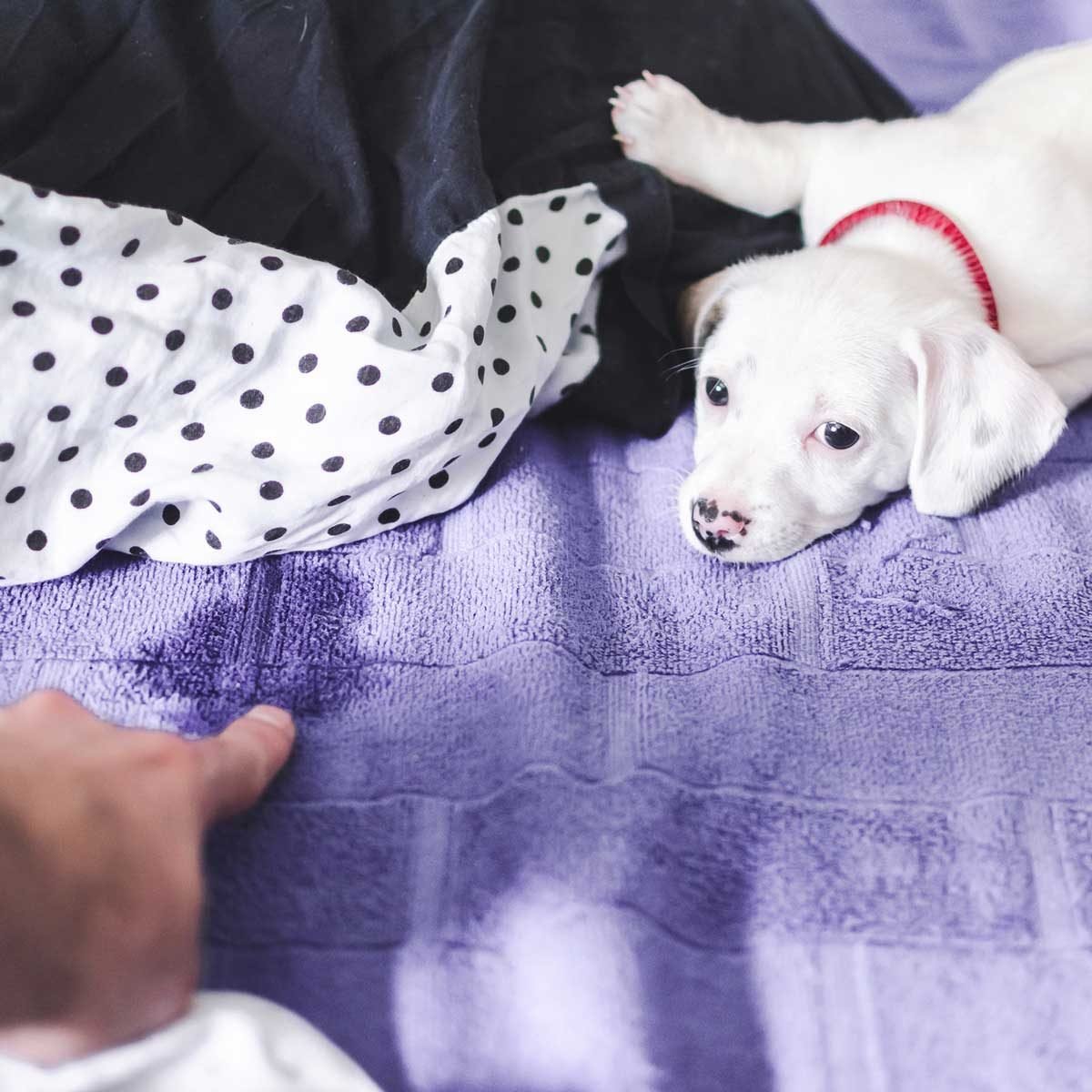
Credit: www.embassyofpakistanusa.org
Frequently Asked Questions
Why Is My Dog Urinating On My Bed Suddenly?
Sudden bed urination can indicate stress, medical issues, or marking behavior. Consult a vet to rule out infections or bladder problems.
Can Anxiety Cause Dogs To Urinate On Beds?
Yes, anxiety can lead to inappropriate urination. Dogs may mark territory or express stress by urinating on beds.
How Do I Stop My Dog From Urinating On My Bed?
Clean the area thoroughly, address medical issues, and reinforce bathroom training. Use deterrents and provide comfort to reduce anxiety.
Is My Dog Sick If It Pees On The Bed?
Possible. Urinary tract infections or bladder problems often cause bed urination. A vet checkup is essential to diagnose health concerns.
Conclusion
Understanding why your dog urinates on your bed helps resolve the issue. It might be stress, medical reasons, or marking territory. Observe your dog's behavior closely. Identifying triggers can prevent future incidents. Training and patience play crucial roles in correcting this habit.
Consult a vet for any underlying health concerns. Effective communication with your pet strengthens your bond. Ensure your dog feels secure and comfortable. A consistent routine offers stability. Your efforts will lead to a harmonious home environment. Remember, your pet's well-being matters.
Addressing this issue benefits both you and your furry friend.