

If you’re caring for a nursing dog, you want to make sure she produces enough milk to keep her puppies healthy and strong. But what exactly should you feed her to boost her milk supply?
The right nutrition can make all the difference for your dog’s comfort and her puppies’ growth. Keep reading to discover simple, effective feeding tips that can help your nursing dog produce more milk and give her puppies the best start in life.
Credit: vision.org.in
Nutrition Needs Of Nursing Dogs
Feeding a nursing dog requires special attention to her changing nutritional needs. Your dog is not just eating for herself; she’s producing enough milk to nourish her entire litter. Meeting her dietary demands helps ensure she stays healthy and her puppies get the best start.
Caloric Requirements
Nursing dogs burn a lot more energy than usual. Their calorie needs can be two to four times higher than normal, depending on the number of puppies. You might notice your dog eating almost constantly—this is her body’s way of keeping up with milk production.
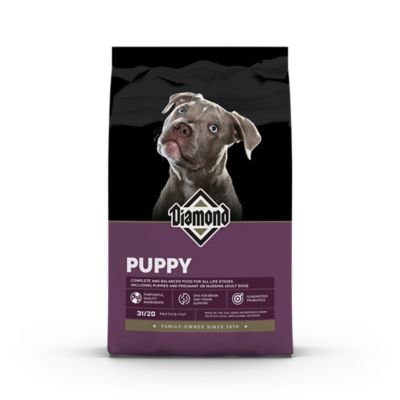
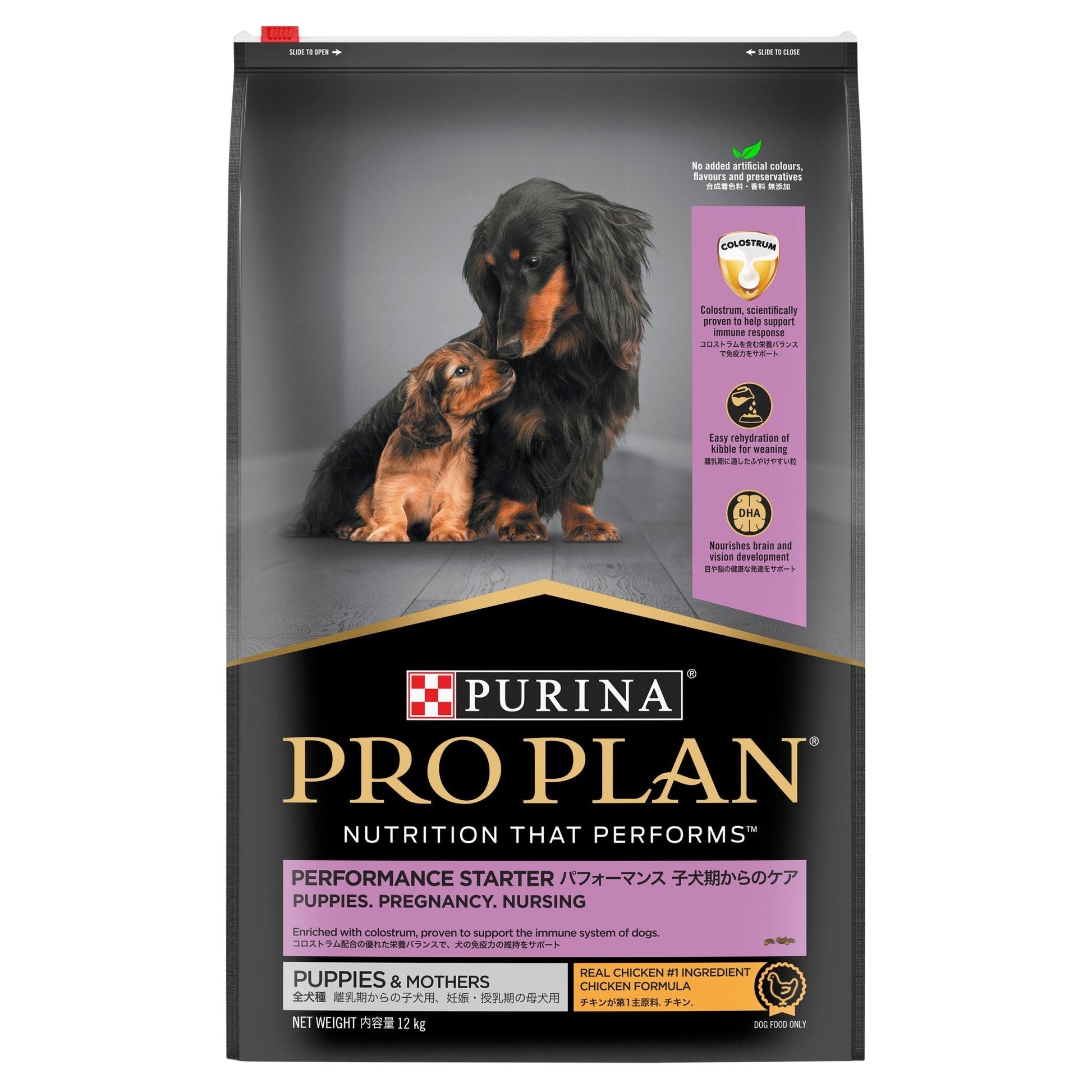
It’s important to provide high-quality, calorie-dense food. Look for puppy or growth formulas—they are richer in calories and nutrients your dog needs right now. Have you adjusted your dog’s meal portions as her puppies grow? Small, frequent meals can help her digest better and maintain energy.
Essential Nutrients
Beyond calories, certain nutrients play key roles in milk production and overall health. Protein supports tissue repair and milk synthesis, so choose foods with good protein sources like chicken, fish, or eggs. Calcium is critical, but avoid over-supplementing without vet guidance, as imbalance can cause health issues.
Fatty acids, especially omega-3s, improve milk quality and support puppy brain development. Adding a spoonful of fish oil or feeding fish-rich meals can provide these benefits. Don’t forget vitamins—vitamin A and E help boost immunity for mom and pups alike.
Hydration Importance
Water is often overlooked but is vital during nursing. Milk is mostly water, so your dog needs plenty to stay hydrated and maintain milk flow. Keep fresh water accessible at all times and encourage her to drink regularly.
You might notice your dog drinking more than usual—this is a good sign she’s producing enough milk. If she seems reluctant to drink, try adding water to her food or offering low-sodium broth. Have you checked her water bowl today?

Credit: www.hillspet.com
Best Protein Sources
Feeding your nursing dog the right protein sources is key to boosting her milk production and keeping her healthy. Protein fuels milk synthesis and supports the extra energy your dog needs during this demanding time. Choosing quality proteins can make a noticeable difference in both the quantity and quality of milk.
Lean Meats
Lean meats like chicken, turkey, and lean cuts of beef provide excellent protein without too much fat. They contain essential amino acids that help repair tissues and support milk production.
Try feeding cooked, unseasoned meat to your dog, cutting it into small pieces for easy digestion. You might notice your dog becoming more energetic and her milk supply improving within days of adding lean meats to her diet.
Eggs
Eggs are a fantastic, affordable protein source loaded with vitamins and minerals. They contain all the essential amino acids your dog needs during lactation.
Serve eggs cooked to avoid any risk of salmonella. Many dog owners observe that adding eggs leads to shinier coats and more vigorous nursing behavior in their dogs.
Fish Options
Fish like salmon and sardines provide not only protein but also omega-3 fatty acids, which support brain development in puppies and reduce inflammation in the mother.
Offer cooked or canned fish in water (avoid those packed in oil or with added salt). Have you considered how adding fish might improve both your dog’s milk quality and her overall vitality?
Healthy Fats For Milk Production
Healthy fats play a crucial role in boosting milk production for nursing dogs. These fats provide the energy necessary for your dog’s body to produce rich, nourishing milk for her puppies. Adding the right types of fats can make a noticeable difference in the quality and quantity of milk.
Omega-3 Fatty Acids
Omega-3 fatty acids are essential healthy fats that support both your dog's milk supply and the puppies’ development. These fats help reduce inflammation and improve overall health, which can lead to better milk production.
You might wonder, how much omega-3 is enough? A good rule is to provide a balanced amount without overdoing it, as too much can upset your dog’s stomach. Adding omega-3 rich foods regularly can create a steady supply of these beneficial fats.
Sources Of Healthy Fats
Finding the right sources of healthy fats is easier than you think. Natural ingredients like fish oil, flaxseed oil, and certain nuts and seeds provide excellent omega-3s and other good fats.
- Fish oil:A concentrated source of omega-3, ideal for sprinkling over your dog's meals.
- Flaxseed oil:A plant-based option that also adds fiber and antioxidants.
- Egg yolks:Rich in fat and vitamins, they’re a tasty addition to boost energy.
- Coconut oil:Offers medium-chain triglycerides that are quickly used for energy.
Have you tried mixing a bit of fish oil into your dog’s diet? Many owners see improved energy levels and milk flow within days. Just be sure to introduce these fats gradually to avoid digestive upset.
Carbohydrates And Fiber
Carbohydrates and fiber play an important role in a nursing dog's diet. They provide energy and help keep the digestive system healthy. A well-balanced intake supports milk production and overall health. Choosing the right sources of carbs and fiber can make a big difference.
Whole Grains
Whole grains are a great source of carbohydrates and fiber. They release energy slowly, which helps maintain steady energy levels. Examples include brown rice, oats, and barley. These grains contain vitamins and minerals that support a nursing dog's needs.
Whole grains also promote healthy digestion. They help prevent constipation and keep the gut moving smoothly. Feeding moderate amounts of whole grains can improve milk quality and quantity.
Vegetables For Fiber
Vegetables add fiber and essential nutrients to a nursing dog’s diet. Fiber aids digestion and prevents upset stomachs. Good choices include carrots, green beans, and pumpkin. These vegetables are easy to digest and rich in vitamins.
Fiber from vegetables helps regulate bowel movements. It supports gut health and comfort during nursing. Offering a mix of cooked or raw vegetables can enhance milk production naturally.
Vitamins And Minerals To Support Lactation
Vitamins and minerals play a key role in helping nursing dogs produce enough milk. These nutrients support the mother’s body during the demanding lactation period. Proper intake helps maintain her health and boosts milk quality and quantity. Focus on essential vitamins and minerals for strong milk production.
Calcium And Phosphorus
Calcium is vital for milk production. It helps build strong bones and supports muscle function. Phosphorus works with calcium to maintain healthy bones and teeth. Nursing dogs need more calcium and phosphorus to meet their body’s increased demands.
Good sources include:
- Dairy products like yogurt and cheese
- Bone meal supplements
- Leafy green vegetables
Vitamin A And E
Vitamin A supports the immune system and skin health. It also helps the mother’s body recover after birth. Vitamin E acts as an antioxidant. It protects cells and improves overall health.
Foods rich in Vitamin A and E:
- Carrots and sweet potatoes
- Spinach and kale
- Vegetable oils such as sunflower or safflower oil
Other Essential Micronutrients
Other important nutrients include zinc, iron, and B vitamins. Zinc helps heal wounds and supports the immune system. Iron prevents anemia and boosts energy. B vitamins assist in energy production and nervous system health.
Sources of these micronutrients:
- Lean meats and eggs
- Whole grains like brown rice and oats
- Legumes such as lentils and chickpeas

Credit: petag.com
Hydration Tips For Nursing Dogs
Keeping your nursing dog well-hydrated is just as important as feeding her the right nutrients. Adequate hydration supports milk production and helps your dog stay healthy during this demanding time. You might notice she drinks more water than usual, and that's a sign her body is working hard to nourish her puppies.
Water Intake Guidelines
Your nursing dog’s water needs can increase dramatically—sometimes she needs two to four times her normal amount. Make sure fresh water is always available and placed in a spot she can easily reach. Watch her drinking habits; if she seems reluctant or drinks very little, it could be a sign of discomfort or illness.
Try offering water in different containers if she seems picky. Some dogs prefer a bowl on the floor, while others might like a shallow dish. Keeping water cool and clean encourages her to drink more, which is vital for maintaining milk flow.
Supplemental Fluids
Besides plain water, you can add fluids that provide extra nutrition and hydration. Broth made from chicken or beef without salt or seasoning is a great option. It’s tasty and can entice a reluctant drinker to consume more fluids.
Electrolyte solutions designed for dogs can also help replenish essential minerals lost during nursing. However, always check with your vet before adding supplements to ensure they are safe for your dog. Have you noticed your dog’s water intake drop despite your efforts? Adding these supplemental fluids might be the simple fix she needs.
Foods To Avoid During Lactation
Nursing dogs need a careful diet to support milk production. Avoiding certain foods helps keep both mother and puppies healthy. Some ingredients can harm the dog or reduce milk quality. Choosing safe foods is crucial during lactation.
Toxic Ingredients
Some foods are poisonous to dogs and must be kept away from nursing mothers. These include:
- Chocolate and caffeine
- Grapes and raisins
- Onions and garlic
- Alcohol
- Xylitol (a sweetener found in many sugar-free products)
These substances can cause serious health problems and affect milk safety.
Allergy Considerations
Dogs can develop allergies that affect their health and milk production. Watch for signs like itching, swelling, or digestive upset. Common allergens include:
- Wheat and gluten
- Dairy products
- Beef or chicken (if previously sensitive)
- Soy
Introduce new foods slowly and monitor the dog’s reaction. Avoid foods known to cause allergies in the past.
Sample Meal Plans
Feeding a nursing dog the right foods helps boost milk production and keeps her healthy. Sample meal plans offer clear guidance on balanced nutrition. These plans include a mix of proteins, fats, and essential nutrients needed during lactation. Below are practical ideas for homemade diets and trusted commercial options.
Homemade Diet Ideas
Homemade meals give control over ingredients and freshness. Use easily digestible proteins like boiled chicken or turkey. Include cooked rice or sweet potatoes for energy. Add vegetables like carrots or green beans for vitamins. A small amount of fish oil supports healthy fat intake. Dairy such as plain yogurt provides calcium and probiotics.
- Boiled chicken breast with cooked rice and steamed carrots
- Ground turkey mixed with sweet potatoes and green beans
- Scrambled eggs combined with oats and chopped spinach
- Cooked salmon with pumpkin puree and peas
- Plain yogurt topped with small pieces of apple
Feed multiple smaller meals daily to aid digestion. Avoid raw foods to prevent infections. Consult a vet for portion sizes and supplements.
Commercial Food Recommendations
High-quality commercial dog foods simplify nutrition for nursing dogs. Choose formulas labeled for puppies or all life stages. These contain extra protein, fat, and vitamins. Look for brands with real meat as the first ingredient. Avoid foods with fillers like corn or soy. Wet food can add moisture and variety to meals.
- Dry puppy food with high protein content
- Wet canned food designed for lactating or nursing dogs
- Grain-free options if your dog has sensitivities
- Foods enriched with DHA for brain and eye development
Always provide fresh water alongside meals. Monitor your dog’s weight and milk supply to adjust feeding amounts.
Monitoring Milk Supply And Dog Health
Monitoring a nursing dog's milk supply and health is vital for her puppies' growth. A healthy mother produces enough milk to meet her litter's needs. Watching her closely helps catch problems early. It ensures both mother and puppies stay strong and well-nourished.
Regular checks on the dog's behavior and physical condition reveal how well she is producing milk. Observing feeding times and puppy activity can give clear signs of milk sufficiency. Also, tracking the dog's appetite and energy levels shows her overall health.
Signs Of Adequate Milk Production
- Puppies nurse eagerly and frequently.
- Puppies gain weight steadily each day.
- The mother’s teats are full before feeding.
- Mother licks and cleans her puppies often.
- Puppies seem content and sleep well after feeding.
When To Consult A Vet
- Puppies cry constantly and appear restless.
- Mother has swollen or hard teats with no milk.
- Mother shows signs of illness or weakness.
- Puppies fail to gain weight or appear weak.
- Unusual discharge or bad smell from the teats.
Frequently Asked Questions
What Foods Increase Milk Production In Nursing Dogs?
Feeding high-quality protein like chicken and eggs boosts milk production. Include calcium-rich foods and plenty of water for hydration. Avoid fatty or processed foods to support healthy milk supply.
Can Supplements Help A Nursing Dog Produce More Milk?
Yes, supplements like calcium and omega-3 fatty acids aid milk production. Consult your vet before adding any supplements to ensure safety and proper dosage.
How Often Should I Feed A Nursing Dog?
Feed nursing dogs small, frequent meals, about 3-4 times daily. This maintains energy levels and supports continuous milk production for the puppies.
Is Hydration Important For Milk Supply In Nursing Dogs?
Absolutely, proper hydration is vital. Fresh water should be available at all times to help maintain and increase milk production.
Conclusion
Feeding a nursing dog properly boosts milk production. Prioritize high-quality protein sources. Include healthy fats and essential nutrients. Fresh water should always be available. Monitor your dog's weight and health regularly. Consult a veterinarian for personalized advice. Proper nutrition benefits both mother and puppies.
A balanced diet ensures strong, healthy growth. Keep your nursing dog comfortable and stress-free. Happy dogs produce more milk. Following these guidelines supports your dog's health. Healthy mothers raise healthy puppies. Good nutrition is key.