If your dog barks, lunges, or pulls every time you go for a walk, you’re not alone—and you’re not powerless. Training a reactive dog on walks can feel overwhelming, but with the right approach, you can turn stressful strolls into calm, enjoyable outings.
Imagine walking your dog without tension or frustration, where both of you feel relaxed and in control. This guide will show you simple, effective steps to help your reactive dog stay focused and calm. Ready to transform your walks and strengthen your bond?
Keep reading to discover how.
Causes Of Reactivity
Understanding why a dog becomes reactive on walks is key to managing the behavior. Reactivity often stems from how dogs perceive their environment. These reactions can be sudden and intense. They usually arise from fear, frustration, or excitement. Identifying the root causes helps tailor effective training strategies.
Common Triggers On Walks
- Other dogs passing by or approaching
- Strangers or unfamiliar people
- Loud noises like traffic or construction
- Bicycles, scooters, or skateboards
- Animals such as squirrels or birds
- Unfamiliar locations or crowded areas
Dogs may react strongly to these triggers. Some triggers cause fear, others cause excitement or frustration. Recognizing specific triggers helps avoid or manage them during walks.
Behavioral And Emotional Factors
Many reactive dogs have underlying emotional issues. Fear and anxiety play major roles. Some dogs feel threatened by new sights or sounds. Frustration builds when they cannot reach or interact with triggers. Past negative experiences can worsen reactivity. Poor socialization also increases sensitivity. Understanding these emotional factors guides patient, gentle training methods.
Preparing For Walks
Preparing for walks with a reactive dog means setting yourself and your pet up for success before you even step outside. It’s about being thoughtful with your choices and managing expectations to reduce stress and build positive experiences. The right preparation can turn a challenging walk into a chance for growth and calm.
Choosing The Right Equipment
Not all leashes and collars work well for reactive dogs. You need gear that gives you control without causing discomfort or fear. A front-clip harness can help guide your dog gently and prevent pulling.
Consider these equipment options:
- Front-clip harness:Helps redirect your dog’s attention and reduces pulling.
- Head halter:Offers more control but requires gentle introduction to avoid resistance.
- Long leash:Gives your dog some freedom while keeping them safe.
Have you noticed how your dog reacts differently with various gear? Testing a few options during calm moments at home can save frustration during walks.
Setting Realistic Goals
It’s easy to expect your dog to behave perfectly on every walk, but reactive dogs need gradual progress. Start with short, low-distraction walks and celebrate small wins like staying calm near a distant dog.
Set achievable goals such as:
- Walking for five minutes without barking
- Maintaining focus on you when another dog passes by
- Stopping reactive behavior at the first sign of agitation
What small improvement would feel like a big victory for you and your dog? Remember, patience and consistency are key, and every step forward matters.
Training Techniques
Training a reactive dog on walks requires patience and the right techniques. These methods help your dog feel calm and safe. Consistent practice improves your dog's behavior over time. Focus on building trust and positive associations during walks. Here are effective training techniques to try.
Positive Reinforcement Methods
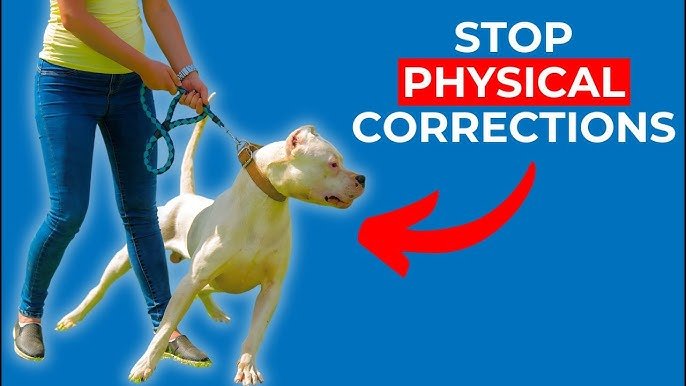
Positive reinforcement rewards good behavior. Use treats, praise, or toys to encourage calmness. Reward your dog immediately after good actions. This helps your dog understand what you want. Avoid punishment, as it can increase fear and reactivity.
- Carry small treats during walks.
- Reward your dog for looking at you.
- Give treats for walking calmly past triggers.
- Use a happy voice to praise your dog.
Desensitization And Counter-conditioning
Desensitization means slowly exposing your dog to triggers. Start at a distance where your dog stays calm. Gradually decrease the distance over time. Counter-conditioning changes your dog’s emotional response. Pair the trigger with something your dog likes, like treats.
- Identify specific triggers causing reactivity.
- Keep your dog below the reactivity threshold.
- Feed treats as the trigger appears at a safe distance.
- Slowly bring your dog closer to the trigger over sessions.
Using Commands Effectively
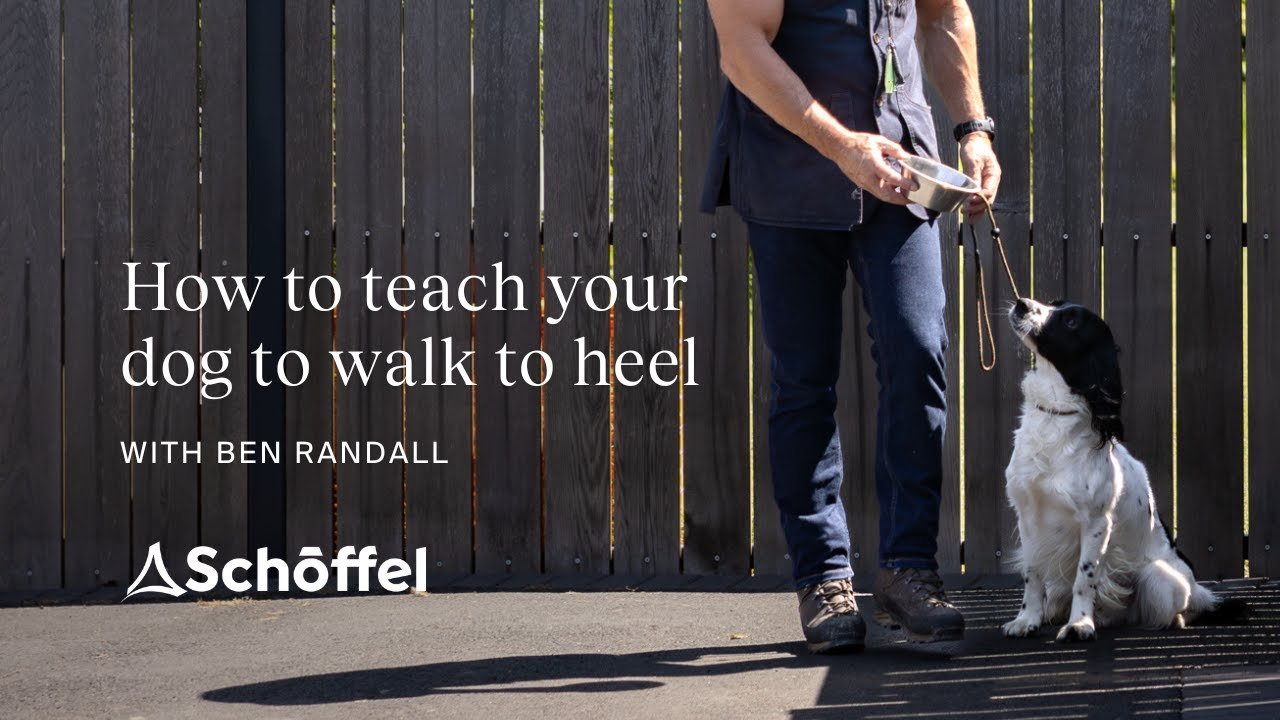
Clear commands help guide your dog’s behavior. Teach simple cues like “sit,” “look,” and “heel.” Use commands to redirect your dog’s focus from triggers. Practice commands regularly in low-distraction places first. Reward your dog immediately after obeying commands.
- Use a calm, firm voice for commands.
- Practice commands before walks to reinforce them.
- Redirect attention to you when a trigger appears.
- Combine commands with positive reinforcement.
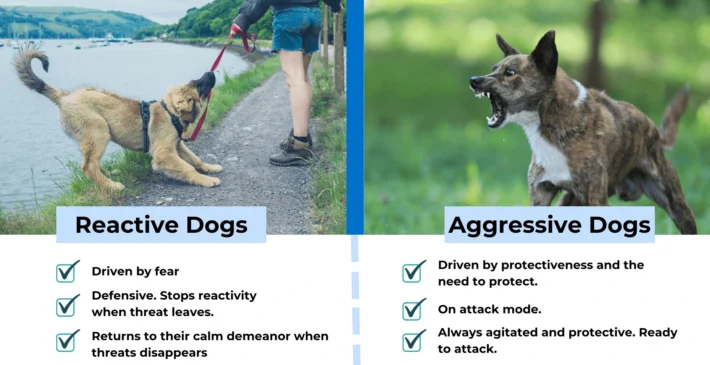
Credit: theonlinedogtrainer.com
Managing Reactive Episodes
Managing reactive episodes during walks requires calm and clear actions. Keeping control helps your dog feel safer. It also reduces stress for both of you. Reactivity can happen suddenly. Being ready to act helps prevent escalation.
Use calming strategies to soothe your dog’s nerves. Avoiding triggers keeps walks peaceful and productive. Both approaches work together to improve your dog’s behavior over time.
Calming Strategies During Walks
- Speak in a soft, steady voice to reassure your dog.
- Use gentle petting or a calm touch if your dog allows it.
- Practice deep breathing to lower your own tension.
- Distract your dog with a favorite toy or treat.
- Keep your body relaxed and avoid sudden movements.
- Stop and stand still if your dog becomes overly excited.
- Give your dog space by stepping away from the trigger.
Avoiding Triggers Safely
- Identify common triggers like other dogs or loud noises.
- Choose quieter routes with fewer distractions.
- Walk at times when the area is less busy.
- Keep a safe distance from people or animals that upset your dog.
- Use tools like head halters or no-pull harnesses for better control.
- Practice short walks to build positive experiences slowly.
- Observe your dog’s body language to anticipate reactions.
Consistency And Patience
Training a reactive dog on walks demands steady effort and calmness. Consistency builds trust and helps your dog learn expected behaviors. Patience gives your dog space to improve at their own pace. These qualities work together to create a positive training experience.
Stay consistent with commands, timing, and rewards. React the same way each time your dog shows reactivity. This repetition helps your dog understand what is right and wrong during walks. Patience means accepting slow progress and occasional setbacks. Celebrate small wins and keep moving forward.
Tracking Progress
Keep a simple journal of each walk’s outcomes. Note what triggers your dog and how they respond. Record improvements like fewer barks or calmer reactions. Tracking shows patterns and helps spot progress over days or weeks. It also highlights areas needing more focus.
- Write down triggers encountered
- Note your dog’s reactions
- Record how you responded
- Track changes in behavior
- Review notes regularly
Adjusting Techniques Over Time
Training methods may need changes as your dog improves. Some techniques work better at different stages. Use your progress notes to guide adjustments. Try new commands, rewards, or walking routes. Adapt to your dog’s current needs and comfort level.
- Switch rewards to keep motivation high
- Change walking paths to reduce stress
- Increase challenges gradually
- Use calming tools like head halters if needed
- Stay flexible and open to new ideas

Credit: pupford.com
When To Seek Professional Help
Knowing when to seek professional help is crucial when training a reactive dog on walks. Sometimes, despite your best efforts, your dog’s behavior might not improve or even worsens. Recognizing these moments early can save you and your dog from frustration and stress.
Recognizing Limits
You might notice that your dog’s reactions are intense and hard to control. If your dog lunges, barks, or growls aggressively, it’s a clear sign you need expert guidance. Also, if your own stress levels rise during walks and you feel overwhelmed, don’t ignore these feelings.
Ask yourself: Are my current techniques making any difference, or am I stuck in the same patterns? If you feel stuck for weeks or months, it’s a good idea to look for outside help. Trying to handle reactivity alone can sometimes backfire and make the behavior worse.
Choosing A Trainer Or Behaviorist
Not all dog trainers are the same, especially for reactive dogs. Look for someone who specializes in positive reinforcement and has experience with reactivity. Ask for references or read reviews from other owners who faced similar challenges.
Consider these questions when choosing a professional:
- Do they have certifications from recognized organizations?
- What is their approach to managing reactivity?
- Are they willing to observe your dog in real-life situations, like during walks?
Finding the right expert can make a huge difference in your dog’s progress. A good trainer will not only help your dog but also teach you practical tools to manage and improve walks confidently.
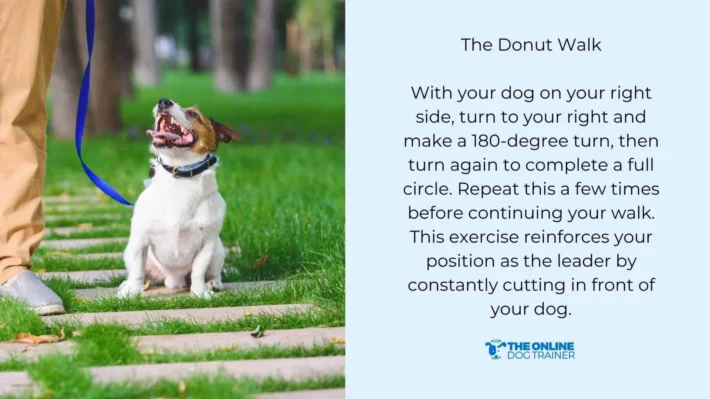
Credit: theonlinedogtrainer.com
Frequently Asked Questions
How Can I Stop My Dog From Reacting On Walks?
Start by identifying triggers causing the reaction. Use positive reinforcement and consistent training. Gradually expose your dog to triggers at a distance, rewarding calm behavior. Avoid punishment, as it worsens reactivity. Patience and consistency are key to success.
What Tools Help Train A Reactive Dog On Walks?
Tools like front-clip harnesses and head halters provide better control. Treats and clickers reinforce positive behavior. Avoid retractable leashes, as they reduce control. Choose tools that ensure safety and comfort while aiding training efforts.
How Long Does It Take To Train A Reactive Dog?
Training duration varies by dog and severity. Mild cases may improve in weeks; severe cases take months. Regular, consistent sessions speed progress. Patience and realistic expectations help maintain motivation and success in training.
Should I Seek Professional Help For Reactive Dog Training?
Yes, professional trainers offer expertise and tailored plans. They guide you on techniques and safety. If your dog’s reactivity causes safety concerns, a professional’s help is crucial. Early intervention prevents worsening behavior and ensures better outcomes.
Conclusion
Training a reactive dog takes patience and consistency. Small steps lead to big changes. Celebrate each success, no matter how small. Understand your dog's triggers and work on them gradually. Consistent practice helps build trust and control. Stay calm and focused during walks.
Your attitude greatly influences your dog's behavior. Always reward positive actions. This strengthens your dog's confidence and understanding. Seek professional help if needed. Remember, every dog learns at their own pace. Keep the experience positive and enjoyable. Your effort and dedication make a difference.
Enjoy more peaceful walks with your furry friend.