Is your dog jumping on the door every time someone arrives? It can be frustrating and even dangerous.
You want a calm, well-behaved pet, but stopping this habit feels impossible. The good news is, you can change this behavior with simple, effective steps. Keep reading, and you’ll discover how to turn your door-jumping dog into a polite greeter.
Your home—and your guests—will thank you.
Why Dogs Jump On Doors
Dogs often jump on doors for many reasons. Understanding why this happens helps stop the behavior. Dogs use jumping to express feelings or react to their environment. This section explains the common triggers and behavioral reasons behind door jumping.
Common Triggers
- Excitement when someone approaches the door
- Wanting to go outside quickly
- Seeking attention from people
- Responding to noises or movement outside
- Feeling anxious or nervous about visitors
Behavioral Reasons
Dogs jump on doors to communicate or get what they want. It can be a way to say, "Let me out" or "Notice me." Sometimes, dogs learn that jumping brings attention or rewards.
This action may also result from boredom or lack of exercise. Dogs need mental and physical stimulation to stay calm. Without it, they may act out by jumping on doors or furniture.

Credit: www.amazon.co.uk
Setting Clear Boundaries
Setting clear boundaries is essential to teach your dog where jumping is unacceptable, especially at the door. Dogs thrive on consistency, so defining physical and behavioral limits helps them understand what you expect. Without clear boundaries, your dog may continue to jump out of excitement or habit, making it harder for both of you.
Using Barriers
Barriers create a physical limit that prevents your dog from reaching the door. You can use baby gates, playpens, or even furniture to block access. This simple step stops jumping instantly and gives your dog time to calm down before greeting visitors.
Think about when a friend visits. If your dog is behind a gate, they learn to wait patiently instead of jumping. Over time, this physical boundary reinforces good behavior without any confusion.
Designating No-jump Zones
Mark specific areas near the door as no-jump zones. Use rugs, mats, or even tape to visually define these spots. Your dog will start associating these zones with calm behavior, reducing jumping over time.
Try rewarding your dog when they stay in the no-jump zone during door greetings. This positive reinforcement strengthens their understanding of where they should be. Have you noticed how dogs quickly pick up on patterns when you’re consistent with boundaries?
Training Techniques That Work
Training a dog to stop jumping on the door takes patience and the right approach. Using effective techniques helps your dog learn good behavior fast. Clear and kind training methods build trust and make learning fun for your dog.
Positive Reinforcement
Praise your dog when it stays calm near the door. Use treats or toys as rewards for good behavior. This encourages your dog to repeat the calm actions. Always reward immediately to connect the action with the reward. Positive reinforcement builds a strong bond and motivates your dog to listen.
Ignoring Unwanted Behavior
Avoid giving attention when your dog jumps on the door. Dogs often jump to get your focus. Turning away and staying quiet teaches your dog that jumping does not work. Wait until your dog stops jumping before giving any attention. Consistency is key for this method to succeed.
Teaching Alternative Actions
Train your dog to perform a different action instead of jumping. Teach commands like “sit” or “stay” near the door. Reward your dog for following these commands calmly. This gives your dog a clear and positive way to behave. Practice often to make the new habit strong.
Tools To Support Training
Training a dog to stop jumping on the door takes patience and the right tools. These tools help manage your dog's behavior and make training easier. They also keep your dog safe while learning new habits. Using proper tools supports consistent training and faster results.
Leashes And Harnesses
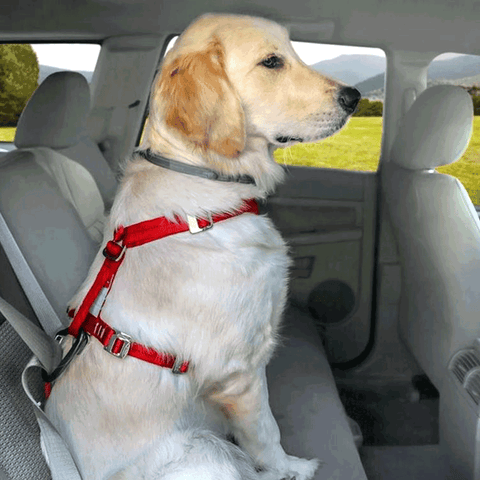
Leashes and harnesses give you better control during training sessions. A harness is often more comfortable for your dog and prevents pulling. Use a short leash to keep your dog close to the door. This limits jumping and helps you redirect attention quickly.
Choose a harness with a front clip to reduce lunging. A leash attached to the front clip helps guide your dog calmly. Avoid retractable leashes, as they offer less control near doors. Consistent leash use teaches your dog where to stay.
Training Aids And Deterrents
Training aids can signal your dog to stop unwanted behavior. A clicker can mark correct behavior and speed learning. Use treats along with the clicker to reward calm actions near the door.
Deterrents discourage jumping by creating an unpleasant experience. Place a textured mat or tape near the door. Some dogs dislike the feel and avoid jumping there. Motion-activated alarms or noise makers can startle dogs gently.
Choose tools that suit your dog's personality and size. Combine aids with positive rewards for best results. Patience and consistency are key for lasting change.
Consistency And Patience
Stopping a dog from jumping on the door takes steady effort. Consistency and patience help your dog learn good behavior. Dogs need time to understand rules. Keep training sessions regular and calm. This builds trust and clear communication.
Routine Practice
Practice the desired behavior every day. Short, frequent sessions work best. Use the same commands and signals each time. Reward calm behavior near the door. Ignore jumping to avoid giving attention.
- Set specific times for training.
- Repeat exercises with calm voice.
- Reward only when the dog stays on the ground.
- Keep sessions short to hold attention.
Routine helps your dog expect what is right. It shapes good habits steadily.
Managing Setbacks
Expect some mistakes during training. Dogs may jump out of excitement or stress. Stay calm and avoid punishment. Return to practice with patience and care.
- Do not shout or hit the dog.
- Use gentle redirection to calm behavior.
- Review training steps if problems continue.
- Celebrate small improvements to stay motivated.
Setbacks are part of learning. Patient consistency helps overcome them faster.

Credit: www.dogproofer.com
When To Seek Professional Help
Knowing when to seek professional help is crucial if your dog’s jumping habit at the door becomes overwhelming or unsafe. Sometimes, despite your best efforts, the problem persists or worsens. Recognizing these moments can save you stress and improve your dog’s behavior more effectively.
Signs Training Isn’t Working
Have you noticed that your dog continues to jump on the door even after consistent training? When commands and rewards don’t change their behavior, it’s a clear sign something else might be going on.
Other red flags include your dog showing signs of anxiety, aggression, or extreme excitement that you cannot manage alone. If your dog’s jumping leads to injury, damage, or puts guests at risk, it’s time to get help. Ignoring these signs can make the problem harder to fix later.
Choosing A Trainer
Not all trainers are the same. You want someone who understands your dog’s breed, personality, and specific challenges with door jumping.
Look for trainers with positive reinforcement methods and good reviews from other dog owners. Ask questions like:
- How do you handle jumping behavior?
- Can you provide examples of success with similar cases?
- Do you offer a trial session or a clear training plan?
Choosing the right trainer means investing in your dog’s future. The right expert will guide you with practical steps tailored to your dog's needs, making the process smoother for both of you.

Credit: www.doggoneproblems.com
Frequently Asked Questions
How Can I Train My Dog To Stop Jumping On Doors?
Consistently teach your dog the “off” command. Reward calm behavior near doors. Use positive reinforcement to encourage sitting or standing instead of jumping.
Why Does My Dog Jump On The Door Excitedly?
Dogs jump on doors due to excitement, attention-seeking, or anxiety. It’s their way of greeting or asking to go outside. Understanding the cause helps in training.
What Tools Help Prevent Dogs From Jumping On Doors?
Use baby gates, leash training, or door barriers to limit access. These tools help manage behavior while you train your dog to stay calm.
How Long Does It Take To Stop Door Jumping Behavior?
Training duration varies by dog, but consistent daily sessions typically show improvement in 2-4 weeks. Patience and repetition are key for success.
Conclusion
Stopping your dog from jumping on the door takes patience. Consistent training is key. Reward calm behavior to reinforce good habits. Keep training sessions short and fun. Use commands like "sit" to redirect energy. Practice regularly to see progress. A calm environment helps reduce jumping.
Avoid encouraging excitement near doors. Remember, every dog learns at their own pace. Stay patient and positive throughout the process. Your efforts will lead to a well-behaved dog. Enjoy the journey with your furry friend.