Putting a dog harness on your puppy can feel tricky at first. You want your furry friend to be safe and comfortable, but the process might seem confusing or stressful for both of you.
What if your puppy squirms, pulls, or just doesn’t want to cooperate? Don’t worry—you’re not alone. You’ll learn simple, step-by-step tips to make putting on a harness easy and even enjoyable for your puppy. By the end, you’ll feel confident, and your puppy will be ready for every walk with comfort and style.
Keep reading to discover how to make this daily routine smooth and stress-free for you and your little companion.
Choosing The Right Harness
Choosing the right harness for your puppy is important for their safety and comfort. The right harness helps control your puppy gently and prevents strain on their neck. Puppies grow fast, so the harness should fit well and adjust as they grow. A good harness makes walks more enjoyable for both of you.
Types Of Dog Harnesses
There are several types of dog harnesses. Each suits different needs and activities.
- Back-clip harness:The leash attaches to a ring on the puppy’s back. It is easy to use and good for calm puppies.
- Front-clip harness:The leash attaches to the chest. It helps reduce pulling and gives more control.
- Step-in harness:Your puppy steps into the harness. It is simple to put on and take off.
- Vest harness:Covers more of the puppy’s body. It offers extra comfort and support.
Measuring Your Puppy
Measure your puppy carefully before buying a harness. Use a soft measuring tape for accuracy.
- Measure around the chest just behind the front legs.
- Measure the neck where the collar usually sits.
- Check the size chart of the harness brand.
Choose a harness that fits snugly but is not too tight. You should fit two fingers between the harness and your puppy’s skin.
Material And Comfort
Pick a harness made from soft, breathable materials. Nylon and mesh are popular for comfort.
- Look for padded areas to avoid rubbing and chafing.
- Choose adjustable straps for a better fit as your puppy grows.
- A lightweight harness keeps your puppy comfortable during walks.
Comfort helps your puppy accept the harness quickly. A happy puppy enjoys walking more.
Preparing Your Puppy
Getting your puppy ready to wear a harness is an important first step to ensure they feel comfortable and safe. Preparing your puppy carefully can make all the difference between a smooth harness experience and a stressful one. It's about building trust and helping your puppy understand that the harness is a friendly part of their daily routine.
Introducing The Harness
Start by letting your puppy see and sniff the harness. Hold it close during playtime or feeding so it becomes a familiar object. You can even place it near their bed or toys to spark curiosity without pressure.
Try gently touching your puppy with the harness before putting it on. This helps your puppy get used to the feel of the material on their body. Have treats ready to reward calm behavior during these early interactions.
Creating A Positive Experience
Use treats and praise to connect the harness with good things. Each time your puppy interacts with the harness, give a reward immediately. This builds a positive association that encourages your puppy to welcome the harness.
Keep initial sessions short and fun. Even a few minutes of wearing the harness followed by a play session or a walk can help your puppy learn that wearing it leads to enjoyable activities.
Handling Nervousness
If your puppy seems hesitant or scared, stay calm and patient. Speak softly and move slowly to avoid overwhelming them. You can try gently wrapping the harness around their body without fastening it to reduce anxiety.
Watch your puppy’s body language closely. Signs like trembling or avoiding eye contact mean it’s time to pause and try again later. How can you tell if your puppy feels ready to try again? Look for relaxed ears and tail wagging as good signals.
Step-by-step Harness Fitting
Fitting a harness on your puppy may seem tricky at first, but breaking it down into clear steps makes the process much smoother. A well-fitted harness ensures your puppy’s safety and comfort during walks, helping you both enjoy your time outside. Let’s walk through the key actions you need to focus on to get that harness just right.
Positioning The Harness
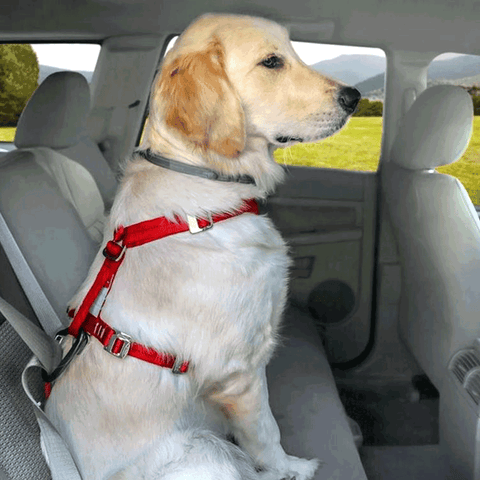
Start by laying the harness flat and identifying the neck and chest openings. Gently slip the neck opening over your puppy’s head, making sure the harness rests comfortably on the shoulders. Watch your puppy’s reaction here—if they seem uneasy, take a moment to soothe them before proceeding.
Check that the chest strap lies between the front legs without twisting. This placement is crucial to avoid pressure points that can irritate your puppy’s skin. Have you noticed how some puppies prefer a certain side? Pay attention to their comfort cues.
Securing The Straps
Next, fasten the straps around your puppy’s body. Most harnesses use buckles or clips, which should click securely but not be forced. If your puppy is squirmy, distract them with a treat or gentle praise as you buckle up.
Make sure the straps are snug enough to prevent slipping but loose enough to allow easy movement. You should be able to slide two fingers comfortably between the harness and your puppy’s body. This simple test ensures the fit is safe and comfy.
Adjusting For Comfort
After securing the harness, watch your puppy walk around to spot any signs of discomfort. Look for chafing, pinching, or awkward pulling. Adjust the straps accordingly to fix these issues before heading outside.
Remember, puppies grow fast, so check the harness fit regularly. Have you thought about how often you should reassess the fit? Keeping the harness well-adjusted can prevent discomfort and encourage positive walking experiences for your puppy.

Credit: poquitopets.com.au
Checking The Fit
Checking the fit of a dog harness on your puppy is a crucial step that you shouldn't rush. A harness that fits well keeps your puppy safe and comfortable while walking. It also helps prevent pulling and chafing, making walks enjoyable for both of you.
Ensuring Proper Tightness
The harness should be snug but not tight. You should be able to slide two fingers comfortably between the harness and your puppy’s body.
If it’s too loose, your puppy might slip out. Too tight, and it can cause discomfort or restrict breathing.
Try adjusting the straps gradually and check the fit in different positions—standing, sitting, and walking. How does your puppy react when you adjust the straps? Their behavior can tell you if it’s too tight or loose.
Freedom Of Movement
Your puppy needs to move naturally with the harness on. Watch how your puppy walks, runs, and sits after putting on the harness.
The harness should not limit shoulder movement or cause any awkward gait. If you notice your puppy limping or holding back, the fit might need adjusting.
Think about whether your puppy can comfortably explore their environment without feeling restricted. Can they jump or turn around easily?
Signs Of Discomfort
Look for physical signs like red marks, chafing, or hair loss where the harness touches your puppy’s skin. These indicate the harness is causing irritation.
Behavioral signs are just as important. If your puppy is scratching, biting at the harness, or trying to remove it, they might be uncomfortable.
Sometimes a puppy’s reluctance to move can be a subtle sign of discomfort. Ask yourself: Is your puppy happy and relaxed with the harness, or do they seem anxious or stressed?
Training Your Puppy With The Harness
Training your puppy with a harness helps build comfort and trust. It prepares your puppy for walks and outdoor adventures. Early training makes wearing the harness a positive experience. Patience and gentle guidance are key during this process.
Starting Indoors
Begin by letting your puppy see and sniff the harness. Lay it on the floor near their favorite spot. Gently place the harness on your puppy for a few seconds. Remove it before your puppy gets restless. Repeat this several times to build familiarity.
Short Practice Sessions
Keep sessions brief to avoid overwhelming your puppy. Put the harness on and let your puppy move around. Watch for signs of discomfort or stress. Gradually increase the time your puppy wears the harness. Practice a few times a day for better results.
Rewarding Good Behavior
Use treats and praise to encourage your puppy. Reward calmness and cooperation during harness time. Offer a treat when the harness goes on smoothly. Celebrate small successes to boost confidence. Positive reinforcement helps your puppy enjoy the harness.

Credit: www.lambwolf.co
Common Mistakes To Avoid
Putting a harness on a puppy can be tricky. Avoiding common mistakes makes the process easier and safer. These errors can cause discomfort or make your puppy resist the harness. Watch out for these common pitfalls to keep your puppy happy and secure.
Using The Wrong Size
A harness that is too big or too small can hurt your puppy. A loose harness may slip off during walks. A tight harness can cause pain or restrict breathing. Measure your puppy’s chest and neck carefully. Choose a harness size that fits snugly but allows room for two fingers.
Forgetting Regular Adjustments
Puppies grow quickly. A harness that fits today may not fit next month. Check the fit often and adjust the straps as needed. Loose straps can cause chafing or slipping. Tight straps may irritate the skin or limit movement. Make adjustments part of your routine.
Ignoring Puppy Reactions
Puppies show how they feel through body language. Watch for signs of discomfort or fear. If your puppy struggles or freezes, pause and try again gently. Use treats and praise to create positive feelings. Ignoring reactions can make your puppy dislike the harness.

Credit: www.youtube.com
Frequently Asked Questions
How Do I Choose The Right Harness Size For My Puppy?
Measure your puppy’s chest and neck accurately. Choose a harness that fits snugly but allows two fingers to fit comfortably. A proper fit ensures comfort and safety during walks.
What Is The Best Way To Introduce A Harness To A Puppy?
Start by letting your puppy sniff and explore the harness. Gradually place it on for short periods, rewarding with treats to build positive associations.
How Do I Put A Dog Harness On A Wriggly Puppy?
Use calm, gentle restraint and distract your puppy with treats. Secure one strap at a time, keeping movements slow to avoid stress.
Can A Puppy Wear A Harness All Day?
No, limit harness use to walks and supervised playtime. Puppies need break times to avoid skin irritation and discomfort.
Conclusion
Putting a harness on a puppy can be simple. Start with patience and calmness. Ensure the harness fits comfortably. Too tight or too loose isn't good. Practice regularly. Your puppy will get used to it. Reward them with treats or praise.
Positive reinforcement works best. Secure the harness properly before walks. Safety first. Remember, every puppy is different. Some may take longer to adjust. That's okay. Consistency is key. Keep it a positive experience. Soon, your puppy will enjoy wearing their harness.
Happy walks await you both!