
Have you ever watched your dog quietly curl up and settle down all on their own, almost like they’re putting themselves to bed? It’s a curious behavior that can leave you wondering why your furry friend chooses to do this.
Understanding why your dog puts himself to bed can reveal a lot about his comfort, habits, and even his health. Keep reading, because uncovering the reasons behind this simple action might just change the way you see your dog’s daily routine—and help you strengthen the bond you share.

Credit: www.yahoo.com
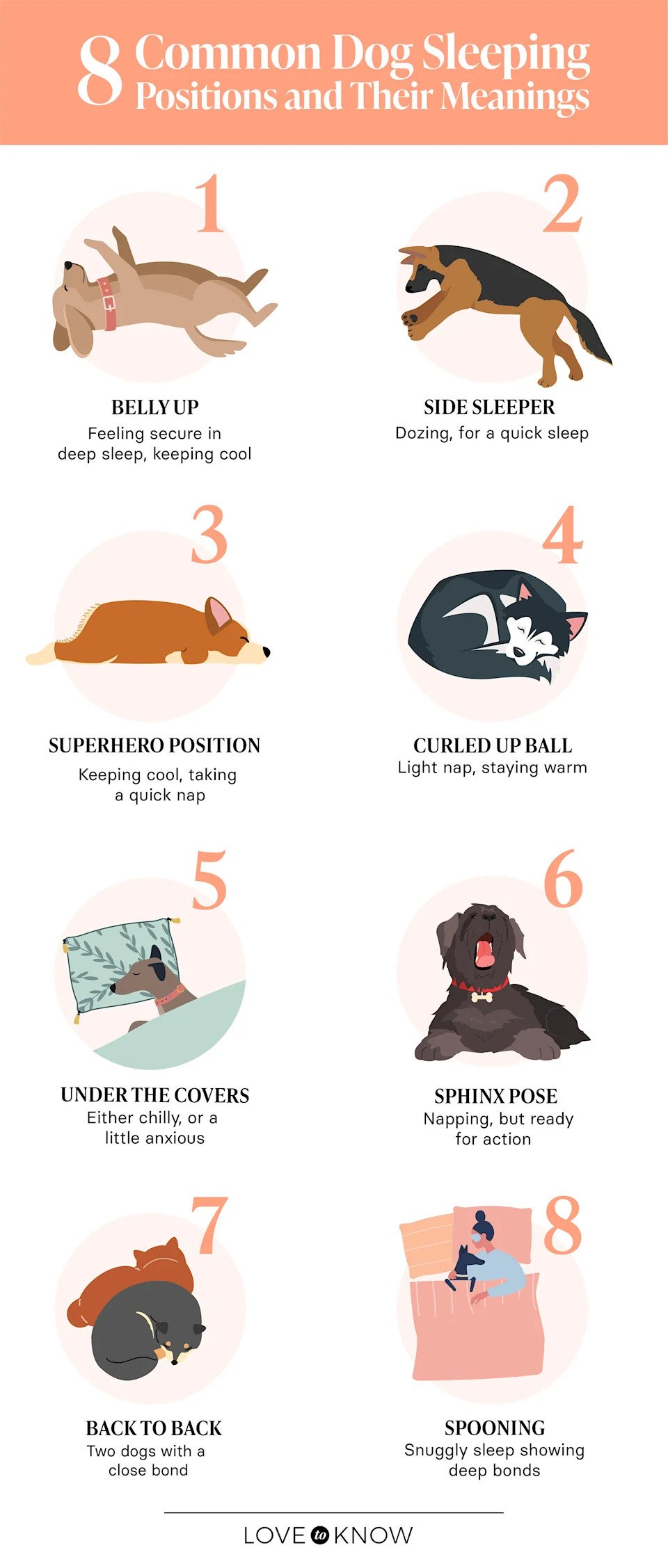
Common Dog Bedtime Behaviors
Dogs have their own unique bedtime habits. These behaviors help them feel safe and comfortable. Watching these signs can tell you when your dog wants to rest. Understanding these routines helps build a stronger bond with your pet. It also keeps your dog happy and relaxed.
Signs Your Dog Is Ready To Sleep
- Yawning often and stretching their body
- Moving slowly and showing less interest in play
- Snuggling into blankets or bedding
- Finding a quiet spot away from noise
- Lowering their head or closing their eyes
- Reduced barking or activity
How Dogs Choose Their Sleeping Spots
Dogs pick spots based on safety and comfort. They look for places that feel warm and quiet. Some dogs like soft beds, while others prefer cool floors. The spot often smells like their family, which feels reassuring.
Sometimes dogs return to the same place every night. This habit creates a sense of routine and security. The spot may be near their owner or in a corner where they feel protected. Understanding your dog's choice helps you provide the best resting place.
Instincts Behind Self-bedding
Dogs often surprise us with their behavior, like when they seem to tuck themselves in at bedtime. This self-bedding action isn’t random—it’s deeply rooted in their instincts. Understanding these instincts can help you connect better with your dog and create a more comforting environment for them.
Ancestral Denning Habits
Long before dogs became our companions, their ancestors needed safe places to rest. Wild canines would find or create dens to protect themselves from predators and harsh weather. Your dog’s habit of arranging blankets or curling tightly mimics these ancient denning behaviors.
Think about how your dog circles before lying down. This action helps flatten grass or leaves, making a soft, secure spot—just like their wild relatives. Recognizing this, you can offer your dog cozy bedding that satisfies these natural urges.
Seeking Safety And Comfort
Dogs put themselves to bed not just for warmth but to feel safe. Creating a personal nest gives them a sense of control and security. It’s no different than you tucking yourself in to feel secure at night.
Have you noticed your dog prefers a corner or a small space for resting? That’s because tight spaces reduce anxiety and make them feel protected. You can support this by giving them a quiet, enclosed area where they can relax undisturbed.
Health And Well-being Factors
Dogs often put themselves to bed to support their health and well-being. This behavior helps them feel safe and comfortable. It also allows their bodies to rest and heal. Understanding these health factors can explain why your dog chooses to rest alone.
Managing Pain Or Discomfort
Dogs may retreat to their beds to ease pain or discomfort. A quiet, soft space helps reduce stress on sore muscles or joints. This behavior is common in older dogs or those with injuries. Resting can lower inflammation and speed recovery. It also prevents further strain on the affected areas.
Regulating Body Temperature
Resting in a specific spot helps dogs control their body temperature. Beds provide warmth in cold weather or a cool place in heat. Dogs may choose spots with good airflow or soft blankets. This helps them stay comfortable and avoid overheating or chills. Proper temperature regulation supports better sleep and health.

Credit: www.reddit.com
Emotional Reasons For Self-bedding
Dogs often put themselves to bed for more than just comfort or routine. Emotional factors play a big role in this behavior. Understanding these reasons can help you connect better with your furry friend and respond to their needs more effectively.
Stress And Anxiety Relief
Your dog might retreat to their bed when feeling stressed or anxious. This spot becomes a safe place where they can calm down away from loud noises or unfamiliar people. I've noticed my own dog doing this during thunderstorms, curling up tightly until the storm passes.
Providing a quiet and cozy area for your dog can reduce their anxiety. You might see them returning to this spot repeatedly as a way to soothe themselves. Have you observed your dog seeking solitude during overwhelming moments?
Creating A Personal Sanctuary
Self-bedding helps dogs create a personal sanctuary that feels entirely theirs. This space offers a sense of control and security in their environment. Your dog may rearrange blankets or toys to make this area more comfortable, showing how much they value their private retreat.
Encouraging your dog to claim a special spot can improve their emotional well-being. It’s a simple way to give them a place where they feel safe and relaxed. What does your dog’s favorite resting place say about their personality?
Training And Routine Influences
Training and routine play a big role in why your dog might put himself to bed. Dogs are creatures of habit, and they often pick up on the cues and schedules you set for them. Understanding these influences can help you see why your furry friend behaves this way and how you might guide their bedtime habits.
Learned Behaviors From Owners
Your dog watches you closely and learns from your actions. If you consistently go to bed at a certain time and encourage your dog to settle down, they start to associate that time with rest. Over time, they may put themselves to bed without needing a direct command.
Think about moments when you gently lead your dog to their bed or use a specific phrase like “time for bed.” These cues become part of their routine. Have you noticed your dog heading to their spot even before you say anything?
Establishing A Sleep Schedule
Dogs thrive on routine. Setting a regular sleep schedule helps your dog know when it’s time to wind down. This predictability can reduce anxiety and restlessness, making it easier for your dog to settle in on their own.
Try to keep consistent feeding, play, and bedtime hours. Your dog’s internal clock adjusts to these patterns, often prompting them to head to bed at the same time every night. Could adjusting your schedule make your dog’s bedtime smoother?
When To Consult A Veterinarian
Knowing when to consult a veterinarian is important if your dog often puts itself to bed. This behavior can be normal, but sudden changes may signal health problems. Watching your dog closely helps you decide if a vet visit is needed. Early attention can prevent serious issues and keep your dog healthy.
Changes In Sleep Patterns
Notice if your dog starts sleeping much more or less than usual. Frequent naps during the day or restless nights can indicate discomfort. Sudden shifts in sleep habits can mean pain, stress, or illness. Keep track of these changes over several days. Share this information with your veterinarian for a better diagnosis.
Signs Of Underlying Health Issues
Look for other signs that may show health problems alongside bed-seeking. These include:
- Loss of appetite or weight
- Excessive licking or biting at a spot
- Difficulty moving or limping
- Unusual panting or heavy breathing
- Changes in behavior like aggression or withdrawal
These symptoms often mean your dog needs medical attention. A vet can check for infections, pain, or chronic conditions causing this behavior. Prompt care improves your dog’s comfort and quality of life.

Credit: www.reddit.com
Frequently Asked Questions
Why Does My Dog Put Himself To Bed?
Dogs put themselves to bed as a natural way to rest and feel safe. It helps them relax and recharge. This behavior mimics their wild ancestors, who sought secure spots to sleep and avoid danger.
Is It Normal For Dogs To Go To Bed Alone?
Yes, it is normal. Dogs often prefer their own space for comfort and security. Going to bed alone lets them feel independent while resting peacefully without disturbance.
How Can I Encourage My Dog To Sleep In Bed?
Create a cozy, quiet spot with a soft bed or blanket. Use positive reinforcement like treats and praise when your dog uses it. Consistency helps your dog develop a regular bedtime habit.
Does My Dog Going To Bed Mean He’s Tired?
Usually, yes. When dogs go to bed, it often means they need rest or feel sleepy. Paying attention to your dog’s sleep patterns helps ensure their health and well-being.
Conclusion
Understanding your dog's bedtime habits can strengthen your bond. Dogs enjoy routines. It helps them feel safe and secure. Knowing why your dog puts himself to bed can enhance your care. Pay attention to their signals. Respond to their needs.
Simple actions make a big difference in their comfort. A cozy sleeping spot matters. It shows love and care. Respecting their bedtime choices builds trust. Your dog feels loved and understood. This understanding deepens your relationship. A happy dog means a happy home.
Embrace their bedtime quirks. Celebrate their unique ways. Your furry friend deserves it.