Have you ever walked into your bedroom only to find your dog has peed or pooped right on your bed? It’s frustrating, confusing, and honestly, a bit upsetting.
You might wonder, “Why would my dog do this? ” Understanding the reasons behind this behavior is the first step to fixing it. You’ll discover the common causes and simple solutions that can help you stop this problem for good.
Keep reading—your bed (and your peace of mind) will thank you.
Credit: pethelpful.com
Common Causes Of Bed Soiling
Dogs peeing or pooping on the bed can puzzle many pet owners. Understanding why this happens helps solve the problem faster. Various reasons cause bed soiling, from health problems to behavior and surroundings.
Identifying the root cause is key to stopping this unwanted habit. Here are common causes to consider.
Medical Issues To Consider
Health problems can make dogs lose control over their bladder or bowels. Urinary tract infections cause frequent urination and accidents.
Other issues include:
- Kidney disease
- Diabetes
- Digestive disorders
- Arthritis making it hard to move outside
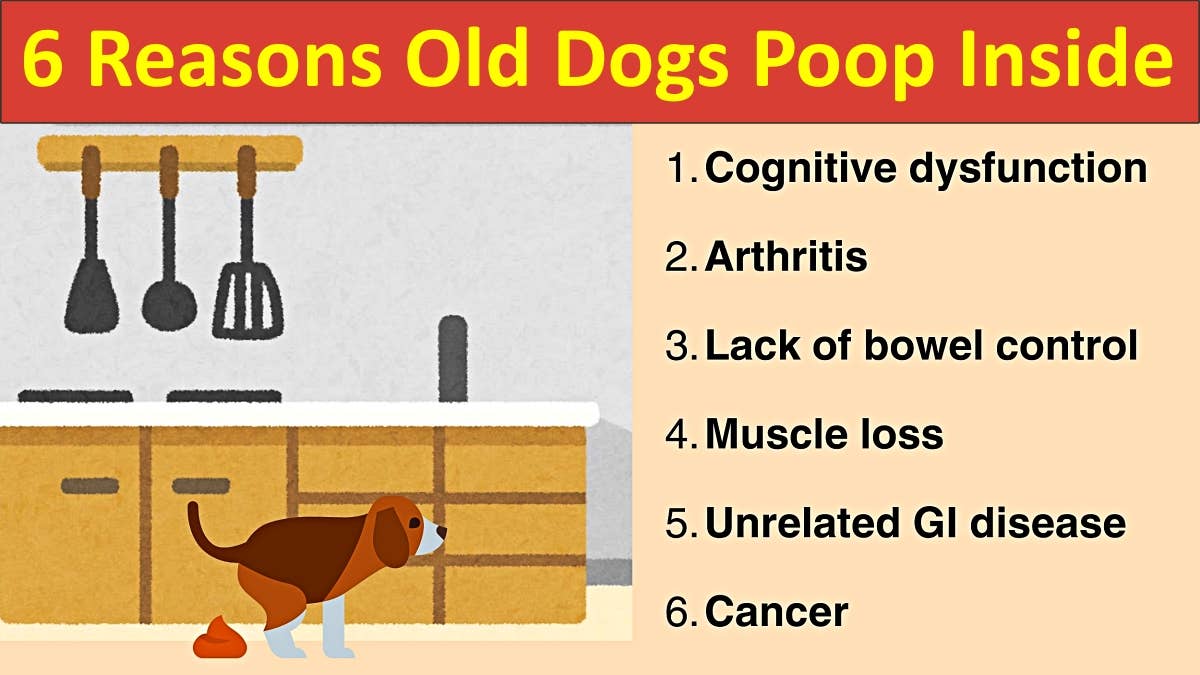
Older dogs may suffer from cognitive dysfunction that affects toilet habits. A vet checkup helps rule out or treat these problems.
Behavioral Triggers
Stress and anxiety often cause dogs to soil their sleeping area. Changes like moving, new pets, or loud noises can upset them.
Dogs may also mark territory on the bed. This behavior shows ownership or reacts to other animals.
Puppies still learning house training might not know where to go. Attention-seeking or boredom can also lead to accidents.
Environmental Factors
The dog’s surroundings impact toileting habits. Limited access to the outdoors can cause accidents inside.
Dirty or inaccessible potty areas make dogs avoid going there. Weather conditions like rain or cold can deter outdoor bathroom breaks.
Sleeping on the bed might feel safe and comfortable, encouraging dogs to relieve themselves there.

Credit: www.petscare.com
Health Problems That Lead To Accidents
Health problems can cause your dog to pee and poop on your bed. These issues may make it hard for your dog to control their bladder or bowels. Understanding these conditions helps you respond with care and patience.
Urinary Tract Infections
Urinary tract infections (UTIs) are common in dogs. They cause frequent and urgent urination. Your dog may leak urine without realizing it. Pain and discomfort can confuse your dog’s habits. A vet visit is important for diagnosis and treatment.
Digestive Disorders
Digestive problems can lead to accidents indoors. Conditions like diarrhea or constipation make it tough for dogs to hold their poop. Sudden urges might make your dog choose the nearest spot, even your bed. Proper diet and vet care can help manage these issues.
Age-related Conditions
Older dogs often face incontinence or cognitive decline. These problems reduce their control over urination and defecation. Confusion may cause them to forget where to go. Regular vet check-ups and gentle care improve their quality of life.
Behavioral Reasons Behind Bed Soiling
Dogs may soil beds for several behavioral reasons. These actions often signal distress or unmet needs. Understanding these behaviors helps address the problem calmly and effectively.
Anxiety And Stress
Dogs feel anxious in many situations. New environments, loud noises, or changes at home can trigger stress. Soiling the bed may be a way to cope. It provides comfort or relief from nervous feelings. Separation anxiety is a common cause. Dogs left alone might soil to express their distress. This behavior shows they need reassurance and calm.
Marking Territory
Dogs use urine and feces to mark territory. It tells other animals, "This is mine." Beds have strong smells from their owners. Dogs may soil beds to mix their scent with yours. This behavior is more common in unneutered males. It can also happen when a dog feels insecure. Marking helps them feel more in control of their space.
Attention-seeking Behavior
Some dogs learn that bed soiling gets attention. Even negative attention can be rewarding for them. They may feel ignored or lonely. Soiling the bed becomes a way to get noticed. This action signals the need for more interaction. Dogs want to be close and feel loved. Responding with calm attention can reduce this behavior.
Impact Of Environment On Dog's Bathroom Habits
Your dog’s bathroom habits can change dramatically based on their environment. Understanding these environmental factors can help you address why your dog pees and poops on your bed. Often, it’s not just about behavior but about how your dog feels and what they experience daily.
Changes In Routine Or Household
Dogs thrive on consistency. If your daily routine shifts—like a new work schedule or guests staying over—your dog might feel unsettled. This stress can lead to accidents in unusual places, like your bed.
Think about recent changes in your home. Have you moved furniture or introduced new pets? Even subtle changes can confuse your dog and disrupt their bathroom habits.
Lack Of Proper Bathroom Access
Sometimes, your dog might not have enough opportunities to relieve themselves outside. If you’re busy or the weather is bad, they may hold it too long. This pressure can cause them to choose the nearest soft spot—your bed.
Ask yourself if you’re giving your dog enough bathroom breaks. Are they able to get outside easily, or is their access blocked or limited? Improving this can reduce accidents.
Scent And Familiarity
Your bed smells like you, which provides comfort and security to your dog. When they mark or eliminate there, it might be an instinctive way of mixing their scent with yours. This behavior can be confusing but reflects their desire to feel close to you.
Have you noticed if your dog targets your bed more when you’re away? This connection might explain why the environment of your bed feels like a preferred spot.
How To Prevent Your Dog From Soiling The Bed
Preventing your dog from peeing or pooping on your bed takes patience and consistency. Understanding your dog’s habits helps you stop accidents before they happen. Setting clear rules and providing a good environment encourages your dog to do their business elsewhere. Here are ways to help keep your bed clean and your dog happy.
Establishing A Bathroom Routine
Dogs feel more secure with a regular schedule. Take your dog outside at the same times every day. Morning, after meals, and before bedtime are key moments. Watch for signs your dog needs to go. This routine helps your dog learn when and where to relieve themselves.
Training And Reinforcement
Positive reinforcement builds good habits quickly. Praise your dog with treats and kind words when they go outside. Avoid punishment for accidents; it can cause fear and confusion. Use gentle corrections and redirect your dog to the right spot. Consistent training helps your dog understand what you expect.
Creating A Comfortable Space
Dogs like feeling safe and cozy. Provide a clean, soft bed for your dog in a quiet area. This space becomes their personal spot to relax. Keep your bedroom door closed if needed. Make the dog's area inviting with toys and blankets. A happy dog is less likely to soil your bed.
When To Seek Veterinary Help
Noticing your dog peeing or pooping on your bed can be frustrating and confusing. Sometimes, this behavior signals a deeper health issue that needs professional attention. Knowing when to seek veterinary help can save your dog discomfort and prevent ongoing problems in your home.
Identifying Warning Signs
Look out for changes in your dog’s bathroom habits beyond just the accidents on your bed. Is your dog straining to urinate, showing blood in the urine, or having frequent accidents? These signs could indicate a urinary tract infection or other medical problems.
Also, watch for behavioral changes like increased lethargy, loss of appetite, or excessive licking of the genital area. These symptoms often point to discomfort or pain that your dog might not clearly express.
Diagnostic Steps
Your vet will start with a thorough physical exam and discuss your dog’s history and behavior changes. They may request urine and blood tests to check for infections, kidney issues, or diabetes.
Imaging techniques like X-rays or ultrasounds might be used to look for bladder stones or anatomical problems. These diagnostics help pinpoint the exact cause of your dog’s accidents on the bed.
Treatment Options
Treatment depends on the underlying issue your vet identifies. Antibiotics can clear up infections, while dietary changes might be necessary for bladder health.
In some cases, medication to control anxiety or behavioral therapy could be part of the solution if the problem isn’t purely medical. Your vet will guide you through the best plan to keep your dog comfortable and your bed clean.
Cleaning Tips For Bed Soiling Incidents
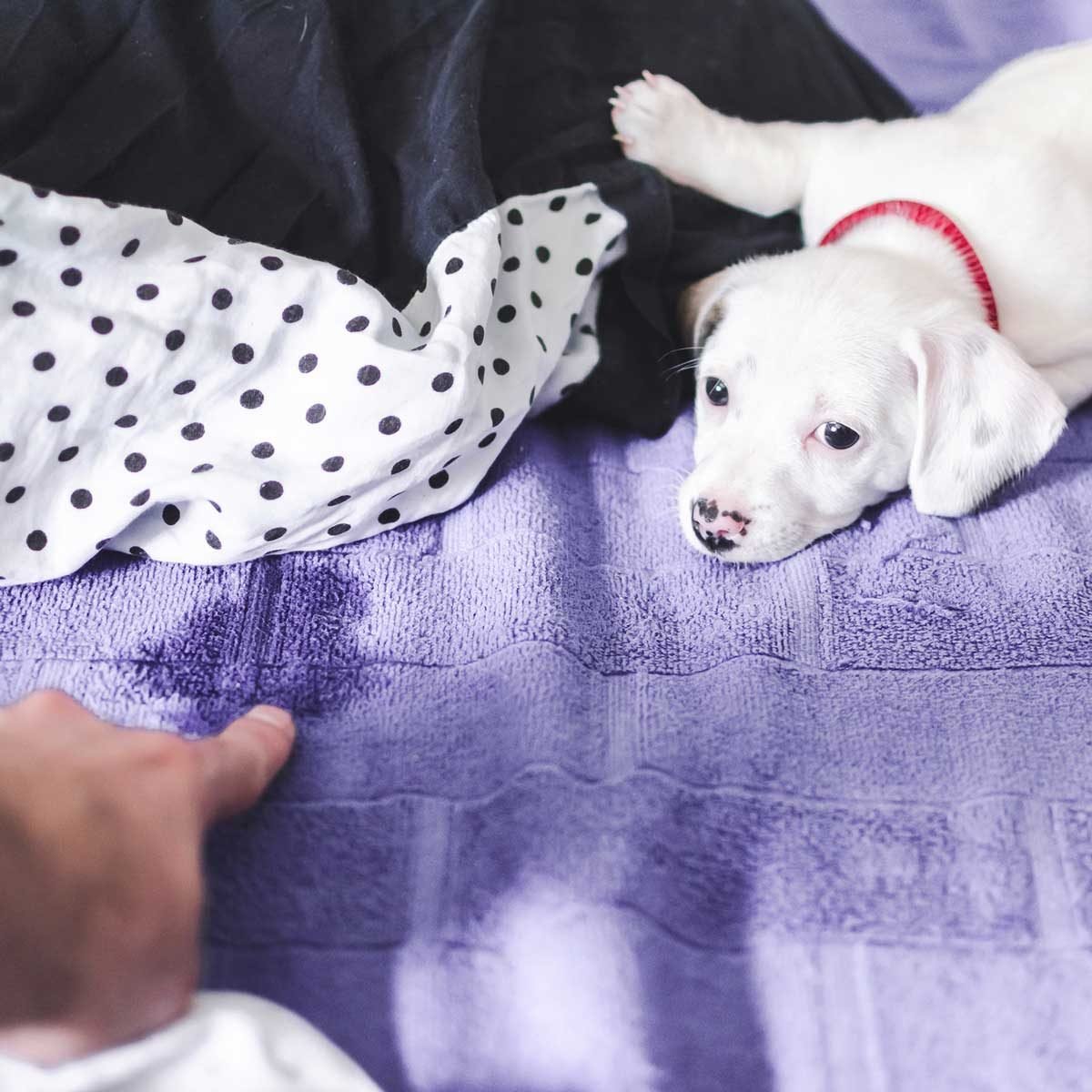
Cleaning up after your dog soils the bed requires quick action and the right approach. Proper cleaning removes stains and odors, keeping your bed fresh and inviting. It also helps stop your dog from returning to the same spot. Follow these tips to handle bed soiling incidents effectively.
Effective Stain Removal
Start by blotting the wet area with paper towels. Avoid rubbing to prevent spreading. Use cold water to rinse the stain gently. Apply an enzymatic cleaner designed for pet stains. These cleaners break down proteins in urine and feces. Let the cleaner sit for 10 to 15 minutes. Blot again with a clean cloth until the stain fades. Repeat if necessary for tough stains. Always test cleaners on a small fabric area first.
Eliminating Odors
Odors can attract your dog back to the same spot. Use a mixture of white vinegar and water to neutralize smells. Spray lightly and let it air dry. Baking soda also helps absorb lingering odors. Sprinkle it over the dried area and wait several hours. Vacuum the baking soda thoroughly afterward. Avoid ammonia-based cleaners as they may confuse your dog. Fresh air and sunlight can speed up odor removal too.
Preventing Repeat Accidents
Keep your dog away from the bed until fully cleaned. Use a waterproof mattress protector under your sheets. Make the bed less appealing by placing pet-safe deterrents nearby. Increase bathroom breaks to reduce indoor accidents. Reward your dog for going outside to potty. Consistency in training helps your dog learn better habits. Clean accidents promptly to avoid scent marking. Patience and care improve your dog’s behavior over time.
Credit: www.familyhandyman.com
Frequently Asked Questions
Why Does My Dog Pee On My Bed Suddenly?
Sudden bed urination often signals stress, anxiety, or health issues. It’s important to consult a vet to rule out infections or bladder problems. Behavioral triggers like changes in environment or routine can also cause this behavior. Addressing the root cause helps stop the habit effectively.
How Can I Stop My Dog From Pooping On My Bed?
Consistent training and supervision are key. Clean the bed with enzyme cleaners to remove odors. Provide regular bathroom breaks and positive reinforcement for correct behavior. Consider crate training or limiting bedroom access until your dog learns proper bathroom habits.
Is My Dog Sick If It Poops On My Bed?
Yes, medical problems like infections, digestive issues, or cognitive dysfunction may cause indoor accidents. A vet visit is essential to diagnose and treat any underlying health concerns promptly, ensuring your dog's well-being and preventing repeated incidents.
Can Anxiety Cause My Dog To Pee On My Bed?
Absolutely. Anxiety triggers include separation, loud noises, or new environments. Dogs may urinate indoors to self-soothe or seek attention. Managing anxiety through training, exercise, and calming products can reduce bed peeing episodes and improve your dog’s comfort.
Conclusion
Understanding why your dog pees and poops on your bed is key. It might be due to stress, health issues, or lack of training. Address these concerns with patience and observation. Consult a vet if needed. Training and a consistent routine help prevent accidents.
Provide a comfortable space for your dog. Acknowledge their needs and make adjustments. Dogs need love, guidance, and understanding. Be patient and persistent. Your bond will strengthen over time. With care, your dog will feel secure and behave well. Keep learning and adapting.
Your efforts will pay off.