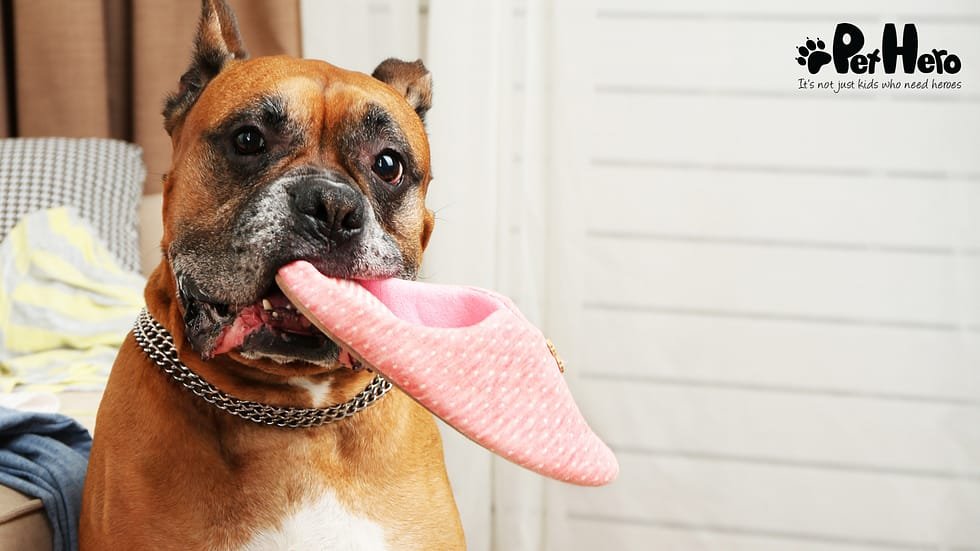
Are you tired of finding your favorite shoes shredded and ruined? If your dog’s chewing habit is driving you crazy, you’re not alone.
Chewing is natural for dogs, but it doesn’t have to mean destroyed footwear. Imagine a home where your shoes stay intact and your dog stays happy. You’ll discover simple, effective steps to stop your dog from chewing shoes for good.
Keep reading—you’re just a few tips away from solving this frustrating problem.
Why Dogs Chew Shoes
Dogs often chew shoes for different reasons. Understanding why they do this helps stop the habit. Shoes are easy targets for dogs because they smell like their owners. Chewing can be a way for dogs to explore, play, or relieve stress.
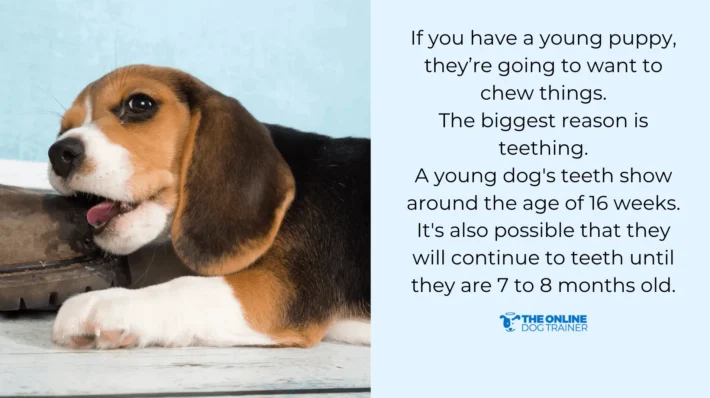
Teething And Puppies
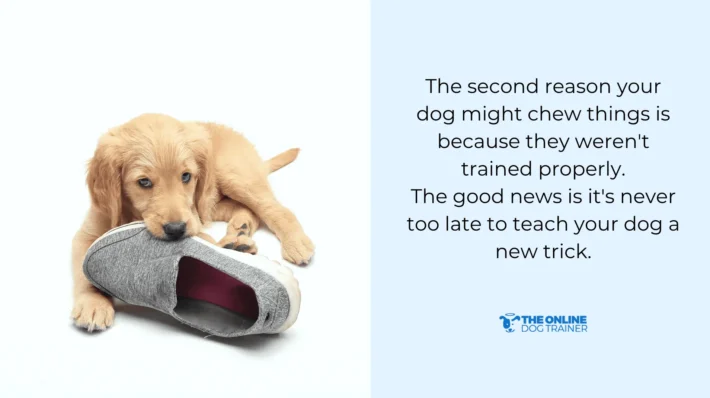
Puppies chew shoes to ease sore gums. Their teeth are growing and cause discomfort. Chewing helps puppies feel better. Shoes are soft enough for puppies to bite but still tough. This makes shoes a popular choice for teething puppies.
Boredom And Anxiety
Dogs chew shoes when they feel bored or anxious. Chewing gives them something to do. It also calms their nerves. Dogs left alone for long times may chew more. Shoes can become a way to release stress or pass time.
Attention-seeking Behavior
Some dogs chew shoes to get attention. They learn that chewing causes a reaction. Even negative attention feels better than no attention. Dogs want to be noticed and included. Chewing shoes becomes a way to communicate with their owners.

Credit: www.amazon.ca
Preventing Shoe Chewing
Preventing shoe chewing is key to keeping your home safe and your dog happy. Dogs chew shoes out of boredom, anxiety, or teething discomfort. Stopping this habit early saves shoes and teaches good behavior. Use simple steps to protect your footwear and satisfy your dog’s natural chewing urge.
Keep Shoes Out Of Reach
Store shoes in closets or high shelves. Use closed cabinets or shoe racks with doors. Avoid leaving shoes on the floor or near your dog’s play area. This reduces temptation and makes shoes unavailable for chewing. A tidy space helps your dog learn what is off-limits.
Provide Chew Toys
Offer a variety of chew toys to keep your dog busy. Choose toys that match your dog’s size and chewing strength. Rotate toys to keep interest high. Chew toys satisfy your dog’s need to chew safely. Praise your dog when it chews toys instead of shoes.
Create A Safe Space
Designate a cozy area for your dog to relax and play. Use a crate or a small room with their bed and toys. This space gives your dog security and limits access to shoes. A calm environment reduces anxiety, lowering the chance of destructive chewing.
Training Techniques
Training your dog to stop chewing shoes requires patience and clear communication. You need to teach your dog what behavior is acceptable and what is not. The right training techniques can transform your dog's chewing habits and save your favorite footwear.
Positive Reinforcement
Reward your dog immediately when it chooses the right item to chew. Use treats, praise, or a favorite toy to reinforce good behavior. This encourages your dog to repeat positive actions instead of chewing shoes.
Think about the last time your dog chewed something inappropriate. Did you offer an alternative or just scold? Positive reinforcement works better because it shows your dog what you want, not just what you don’t want.
Redirecting Chewing
When you catch your dog chewing shoes, gently take the shoe away and replace it with a chew toy. This redirects their energy toward a safe object without punishment. Consistency is key; your dog learns faster when you always offer a suitable alternative.
Keep a variety of chew toys handy in places your dog likes to roam. This reduces the chance that your dog will grab your shoes out of boredom. Have you noticed which toys your dog prefers? Use those to your advantage.
Using Commands Effectively
Teach simple commands like “leave it” or “no” to stop shoe chewing immediately. Use a firm but calm tone so your dog understands you mean business. Pair commands with rewards when your dog obeys to strengthen the lesson.
Practice these commands in low-distraction settings first, then gradually increase challenges. How quickly your dog responds depends on your consistency and patience. Commands give you control and help your dog learn boundaries clearly.
Credit: theonlinedogtrainer.com
Managing Anxiety And Boredom
Managing anxiety and boredom is key to stopping your dog from chewing shoes. Dogs often chew out of stress or simply because they have nothing better to do. Addressing these root causes can save your favorite footwear and improve your dog's well-being.
Exercise And Playtime
Regular exercise helps burn off your dog's excess energy, reducing the urge to chew. Aim for at least 30 minutes of physical activity daily, such as walks, fetch, or tug-of-war. Playtime also strengthens your bond and keeps your dog happy and tired.
Think about the last time your dog chewed shoes after a long day inside. Could more exercise have helped? Adding a quick play session before you leave the house might prevent destructive behavior.
Mental Stimulation
Bored dogs find mischief to entertain themselves. Offering toys that challenge their mind can reduce chewing on shoes. Puzzle feeders, treat-dispensing toys, and obedience training keep their brain busy and satisfied.
Rotate toys regularly to keep things fresh and exciting. Have you tried hiding treats in a snuffle mat or teaching your dog new tricks? These activities engage your dog's focus and curb boredom-driven chewing.
Calming Aids
Some dogs need extra help to ease anxiety that leads to chewing. Calming aids like pheromone diffusers, anxiety wraps, or natural supplements can make a difference. Always consult your vet before starting any calming product.
If your dog’s chewing spikes during stressful times like thunderstorms or when alone, calming aids can offer relief. Have you noticed if your dog’s chewing worsens in certain situations? Identifying triggers helps you choose the right calming strategy.
Deterring Shoe Chewing
Deterring shoe chewing helps protect your shoes and keeps your dog safe. Dogs chew shoes out of boredom, teething, or stress. Stopping this behavior needs patience and the right tools. Use deterrents that make shoes unappealing. Combine these with clear signals to your dog. Consistency is key for quick results.
Bitter Sprays And Deterrents
Bitter sprays taste bad to dogs. Apply them on shoes to discourage chewing. Most dogs avoid unpleasant tastes quickly. Choose sprays safe for fabrics and pets. Reapply often, especially after shoes get dirty or wet. These sprays act as a first line of defense.
Noise Distractions
Noise can interrupt chewing instantly. Use small noise makers like a can with coins. Shake the can gently when your dog starts chewing. The sudden sound draws their attention away. Avoid loud or scary noises that frighten your dog. Gentle sounds work best to redirect behavior.
Consistent Consequences
Dogs learn through consistent rules and reactions. Say a firm "No" when caught chewing shoes. Remove the shoe and offer a toy instead. Praise your dog for chewing the toy. Avoid yelling or physical punishment; it confuses your dog. Repeat this routine every time for best results.
When To Seek Professional Help
Sometimes, shoe chewing goes beyond simple mischief. It may signal deeper problems needing expert help. Recognizing these signs early can save your shoes and your dog's well-being. Professional guidance often leads to faster, safer solutions.
Behavioral Issues
Persistent chewing might show stress or anxiety. Dogs bored or lonely chew to feel better. Aggressive chewing can point to frustration or fear. A behaviorist can find root causes and suggest fixes. They teach owners how to handle these behaviors calmly.
Training Classes
Basic commands may not stop chewing alone. Group or private classes provide extra support. Trainers use positive methods to change habits. Consistency and practice in class build good routines. Training also improves your dog’s focus and discipline.
Veterinary Advice
Chewing can be linked to health problems. Pain or dental issues may cause discomfort. Your vet checks for physical causes behind chewing. They recommend treatments or therapies if needed. Early vet visits prevent bigger health problems later.
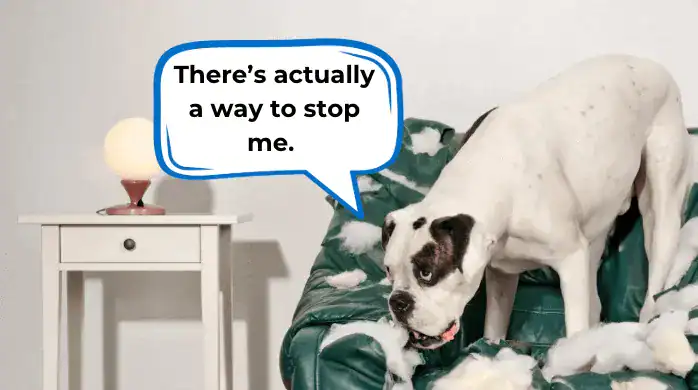
Credit: theonlinedogtrainer.com
Frequently Asked Questions
Why Do Dogs Chew Shoes Frequently?
Dogs chew shoes due to boredom, teething, or anxiety. Shoes smell like their owners, making them attractive. Chewing helps relieve stress and keeps their teeth healthy. Providing proper chew toys reduces shoe chewing behavior effectively.
How Can I Stop My Dog Chewing Shoes?
Redirect your dog to chew toys whenever they go for shoes. Use bitter sprays on shoes to deter chewing. Provide enough exercise and mental stimulation to reduce boredom. Consistent training and positive reinforcement help stop shoe chewing habits.
What Are Safe Alternatives To Shoes For Chewing?
Safe alternatives include rubber chew toys, dental chews, and rope toys. These satisfy your dog’s need to chew without damaging household items. Rotate toys frequently to keep your dog interested and engaged.
Can Crate Training Help Stop Shoe Chewing?
Yes, crate training limits your dog's access to shoes when unsupervised. It creates a safe space and reduces destructive chewing. Gradually increase crate time with positive reinforcement for best results.
Conclusion
Training your dog to stop chewing shoes takes patience and consistency. Always provide suitable chew toys as alternatives. Use positive reinforcement to encourage good behavior. Stay patient and calm during the process. Keep shoes out of reach to prevent temptation.
Regular exercise can help reduce boredom and stress. Remember, dogs learn at their own pace. Celebrate small victories along the way. With time, your dog will learn. Consistent efforts lead to lasting results. Happy training and enjoy a shoe-free home!