Are you curious about what’s really inside your dog’s treats? Knowing the guaranteed analysis can help you make smarter choices for your furry friend’s health.
But finding clear, reliable information isn’t always easy. You’ll discover simple steps to get a guaranteed analysis for dog treats, so you can feel confident about what you’re feeding your pet. Keep reading to unlock the secrets that will make your dog’s treats both tasty and safe.
Importance Of Guaranteed Analysis
The guaranteed analysis on dog treats shows the exact amounts of key nutrients. It helps pet owners understand what their dogs consume. This information ensures dogs get balanced nutrition. Without it, choosing healthy treats becomes guesswork. The guaranteed analysis also supports legal compliance and builds trust between brands and buyers.
Ensuring Nutritional Quality
The guaranteed analysis lists essential nutrients like protein, fat, and fiber. It confirms the treat meets health standards for dogs. This data helps keep dogs strong and energetic. Treats with correct nutrient levels avoid health problems. It guides pet owners to make safe, healthy choices.
Meeting Regulatory Standards
Dog treats must follow rules set by pet food authorities. The guaranteed analysis is part of these rules. It shows the product meets safety and nutrition laws. Without this analysis, treats cannot be legally sold. It protects dogs from harmful or low-quality products.
Building Customer Trust
Clear nutrient info builds confidence in the product. Shoppers feel sure about what they buy for their pets. Trust grows when brands share honest, detailed analysis. This honesty encourages repeat purchases and good reviews. Customers prefer brands that care about their dogs’ health.
Key Nutrients To Include
Understanding the key nutrients to include in your dog treats is essential for getting an accurate guaranteed analysis. This ensures your furry friend receives balanced nutrition while you comply with pet food labeling standards. Let’s break down the main components you need to focus on when analyzing dog treats.
Crude Protein And Fat
Protein and fat are the foundation of any dog treat’s nutritional value. Protein supports muscle growth and repair, while fat provides energy and helps absorb vitamins. You want to make sure the crude protein content is clearly stated to reflect the treat’s quality.
Fat content is equally important. Too little fat, and the treat may be dry or lack flavor; too much can lead to weight gain. Look for a balance that complements your dog’s diet and lifestyle.
Fiber And Moisture Content
Fiber plays a big role in your dog’s digestive health. It helps regulate bowel movements and can prevent constipation. Including fiber in the guaranteed analysis shows you’re considering the treat’s impact beyond just calories.
Moisture content affects the treat’s texture and shelf life. High moisture usually means a softer treat, while low moisture results in crunchier bites. Knowing the moisture percentage helps you set proper storage expectations and feeding portions.
Vitamins And Minerals
Vitamins and minerals are often overlooked but crucial for overall wellness. Ingredients rich in calcium, phosphorus, and essential vitamins like A, D, and E support bone health, immune function, and skin condition. Checking their presence in the analysis confirms the treat adds real nutritional benefits.
Have you ever checked if your dog treats list these micronutrients? Including them can make a big difference in your dog’s health over time.
Sampling And Testing Methods
Getting a guaranteed analysis for dog treats requires precise sampling and thorough testing. These steps ensure the nutritional content claims on the label are accurate and trustworthy. Understanding how to collect samples and interpret lab results can save you from costly errors and build confidence in your product.
Collecting Representative Samples
Start by collecting samples that truly represent the entire batch of dog treats. Avoid taking just one or two pieces from one spot; instead, gather treats from multiple locations within the batch.
This approach helps capture any variation in ingredients or quality. For example, if you only sample treats from the top of a container, you might miss differences found deeper inside. Think about the size of the batch too—larger batches need more samples to get an accurate picture.
Laboratory Testing Techniques
Once you have your samples, sending them to a reputable lab is crucial. Labs use techniques like proximate analysis to measure moisture, protein, fat, fiber, and ash content.
Some labs also offer specialized tests such as vitamin and mineral profiling or allergen detection. Choose testing methods based on what your label promises and what your customers care about most.
Interpreting Test Results
Test results can be overwhelming if you’re not familiar with nutritional terminology. Focus on the key values that match your product claims.
If a protein level is lower than expected, ask yourself why. Could it be due to sample collection, ingredient variability, or lab error? Understanding these numbers helps you make informed decisions about product adjustments or label accuracy.
Have you ever been surprised by your lab results? It’s a chance to improve your dog treats and build trust with your customers.
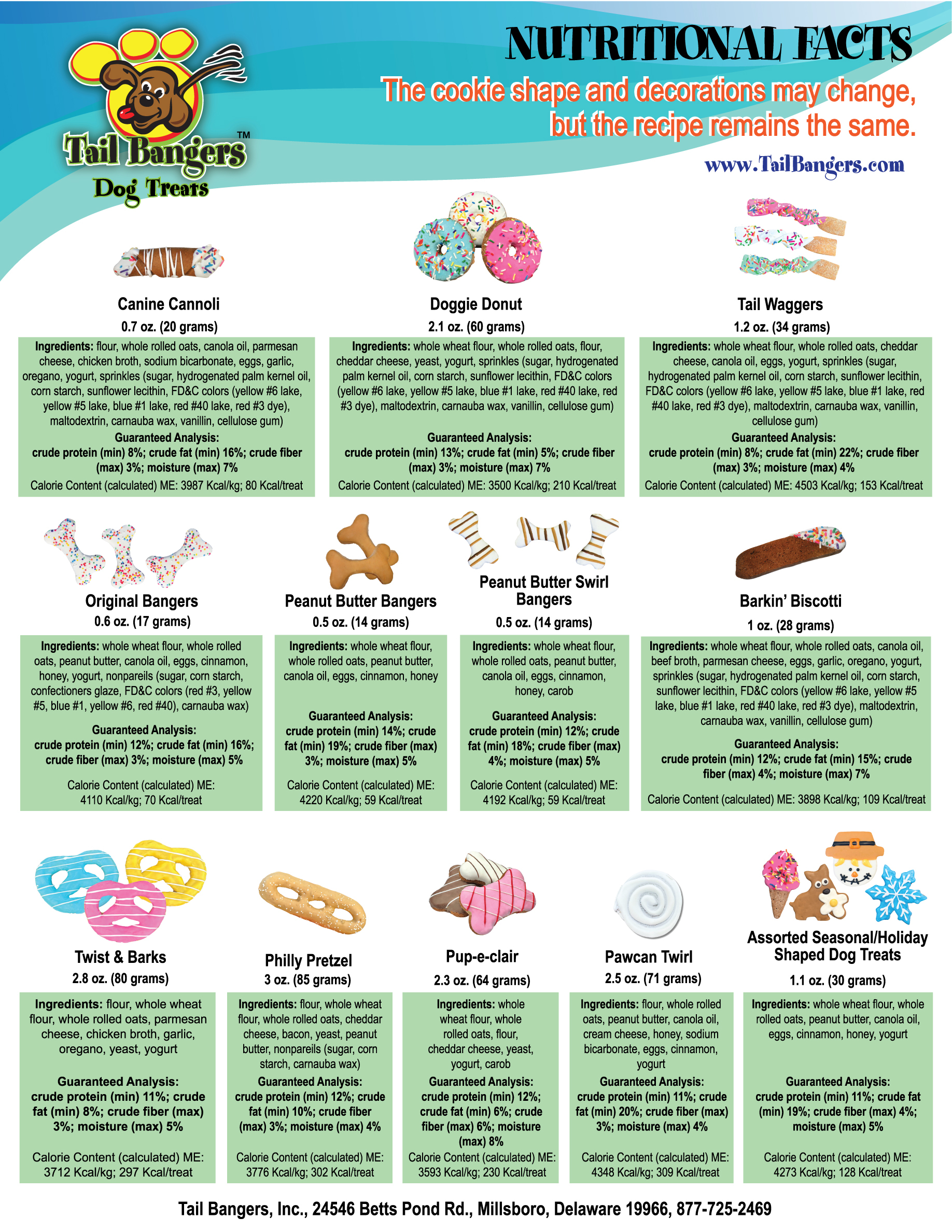
Credit: tailbangerswholesale.com
Labeling Requirements
Labeling requirements for dog treats are crucial to ensure that both you and your customers know exactly what’s inside each product. Accurate labels build trust and help maintain compliance with regulatory bodies. Understanding these requirements can save you from costly mistakes and legal troubles.
Fda And Aafco Guidelines
The FDA oversees the safety of pet food labels, ensuring they are not misleading and that ingredients are safe. Meanwhile, AAFCO provides model regulations that most states adopt to regulate pet food labeling, including dog treats. You need to follow both sets of rules to create a label that’s both legal and informative.
Remember, FDA focuses on preventing false claims, while AAFCO defines nutrient profiles and ingredient definitions. Checking your label against these guidelines avoids confusion and keeps your product on store shelves.
Proper Declaration Of Nutrients
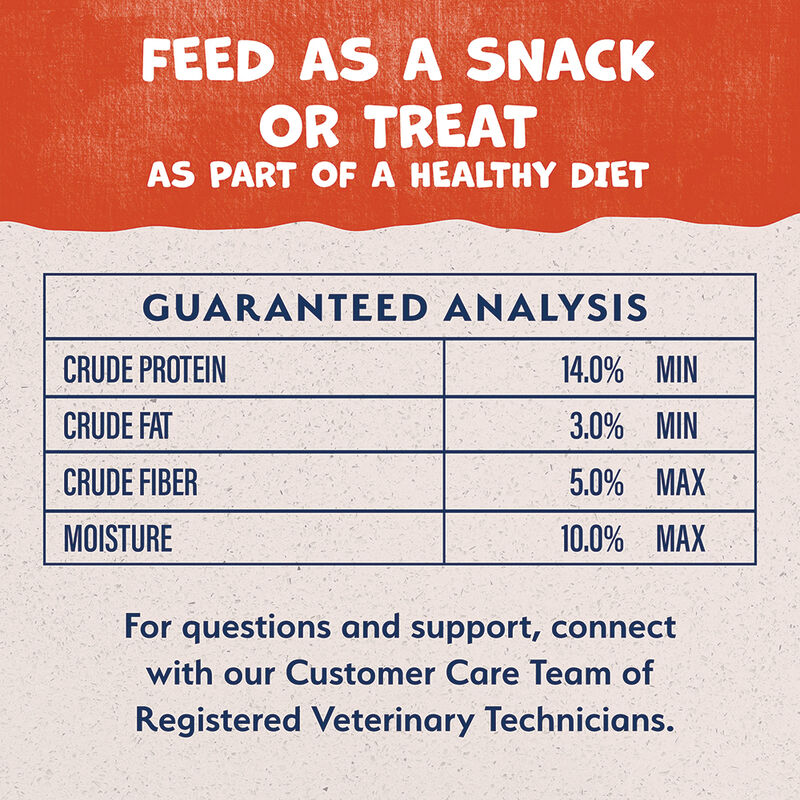
Your dog treat label must clearly list the guaranteed analysis of nutrients. This includes minimum percentages of crude protein and crude fat, and maximum percentages of crude fiber and moisture. These figures tell pet owners what their dog is consuming and help them choose treats suitable for their pet’s diet.
Have you ever noticed how some labels only mention protein but skip fiber? That’s a red flag for incomplete information. Make sure to provide a full nutrient breakdown to build confidence in your product.
Common Labeling Mistakes To Avoid
Many treat makers overlook details that lead to rejection by regulators. Avoid vague ingredient names like “animal fat” without specifying the source. Also, don’t forget to include the product name, net weight, and manufacturer contact information.
Another common error is misrepresenting nutrient amounts or failing to update labels when recipes change. Always double-check your label after reformulating. Would you trust a product that doesn’t clearly disclose what’s inside?
Working With Testing Laboratories
Working with testing laboratories is essential for getting a guaranteed analysis for dog treats. Labs provide accurate data on nutrients and ingredients. This helps ensure your treats meet safety and quality standards.
Choosing the right lab makes a big difference. Proper sample submission speeds up the process. Understanding lab reports helps you use the results correctly for labeling and improvements.
Choosing A Certified Lab
Select a lab certified by recognized organizations. Certification shows the lab meets strict quality standards. Certified labs use reliable testing methods and provide accurate results. Check the lab’s experience with pet food or treats. This ensures they understand specific testing needs.
Submitting Samples Correctly
Prepare samples as the lab requests. Follow instructions for packaging and labeling carefully. Use clean containers to avoid contamination. Send enough sample quantity for all tests. Store samples properly before shipping to keep them fresh. Proper submission prevents delays or inaccurate results.
Understanding Lab Reports
Lab reports list nutrient levels and other test results. Review each section carefully. Look for moisture, protein, fat, fiber, and ash content. Check if results match your product claims. Use the data to adjust your recipe if needed. Keep reports for regulatory compliance and customer trust.
Credit: www.renspets.com
Tips For Maintaining Consistency
Maintaining consistency in dog treats is essential for a reliable guaranteed analysis. Consistency builds trust with customers and meets regulatory standards. It ensures every batch matches the nutritional claims on the label.
Focus on steady processes and regular checks to keep quality stable. Small changes in ingredients or methods can affect the final product. Follow these tips to maintain consistency and accuracy.
Quality Control In Production
Set clear standards for raw materials and finished products. Inspect ingredients before use to avoid contamination or variation. Use precise measuring tools for mixing and portioning. Train staff to follow protocols strictly. Document every step to track any issues quickly.
Regular Testing Schedules
Test samples from every batch to verify nutrient levels. Schedule tests at key production stages for early detection. Use certified labs or reliable in-house testing kits. Compare results to the guaranteed analysis regularly. Keep records to spot trends or deviations fast.
Adjusting Formulations As Needed
Review test results to find any nutrient gaps or excesses. Modify ingredient amounts to correct imbalances. Consult with a pet nutritionist for precise formulation changes. Update labels to reflect any adjustments accurately. Repeat testing after changes to confirm consistency.
Common Challenges And Solutions
Getting a guaranteed analysis for dog treats is not always simple. Several challenges can affect accuracy and compliance. Understanding common issues helps find practical solutions. This section covers key hurdles and ways to handle them effectively.
Variability In Ingredients
Dog treat ingredients can vary by source and season. This variability affects nutrient levels and test results. Maintaining consistent ingredient quality is essential for reliable analysis.
- Choose suppliers with strict quality control.
- Test raw materials regularly before production.
- Blend batches to average nutrient content.
These steps reduce fluctuations and improve analysis accuracy.
Cost Considerations
Testing for guaranteed analysis can be expensive. Labs charge for multiple tests, and frequent checks add up quickly. Balancing cost and quality is crucial.
- Use in-house testing for routine checks.
- Schedule lab tests strategically, not too often.
- Negotiate pricing with testing labs for bulk work.
Smart budgeting keeps testing affordable without losing accuracy.
Navigating Regulatory Changes
Pet food regulations change over time. New rules may affect labeling and testing requirements. Staying updated ensures compliance and avoids penalties.
- Subscribe to industry newsletters and alerts.
- Consult regulatory experts regularly.
- Train staff on new compliance procedures promptly.
Being proactive helps meet legal standards without stress.
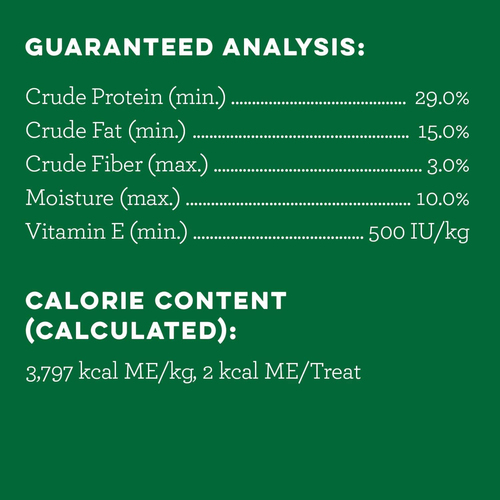
Credit: www.sobeys.com
Frequently Asked Questions
What Is A Guaranteed Analysis For Dog Treats?
A guaranteed analysis shows the minimum and maximum nutrient levels in dog treats. It ensures the product meets safety and nutritional standards. This helps pet owners choose treats that support their dog's health and dietary needs.
How Do Manufacturers Obtain A Guaranteed Analysis?
Manufacturers conduct lab tests on dog treat samples to measure nutrient content. These tests check protein, fat, fiber, moisture, and other key components. The results form the guaranteed analysis on the product label.
Why Is Guaranteed Analysis Important For Dog Owners?
Guaranteed analysis guarantees treat quality and nutritional value. It helps owners avoid harmful ingredients and ensure balanced nutrition. This information supports making informed, safe choices for their dog’s diet.
Can I Get A Guaranteed Analysis For Homemade Dog Treats?
Yes, you can get a guaranteed analysis by sending samples to a certified lab. Labs test nutrient levels and provide an official report. This ensures homemade treats meet safety and nutrition standards.
Conclusion
Getting a guaranteed analysis for dog treats is important. It ensures safety and quality for your pet. Always check the label for detailed information. Look for protein, fat, fiber, and moisture content. These details help you make informed choices. Consult your vet if you are unsure about any ingredient.
Proper analysis means healthier treats for your furry friend. Make informed decisions for their well-being. Your pet deserves the best care possible. Always choose treats that meet their nutritional needs. This keeps them happy and healthy. A little effort goes a long way in ensuring their health.