Have you ever wondered just how much food is in a cup of dog food? It might seem like a simple question, but the answer can make a big difference for your furry friend’s health.
Feeding your dog the right amount is key to keeping them happy and energetic. You’ll discover exactly how big a cup of dog food is, why measuring properly matters, and how you can make sure your pet gets the perfect portion every time.
Keep reading to learn the secrets to feeding your dog just right!
Standard Cup Sizes For Dog Food
Understanding standard cup sizes for dog food helps in feeding your pet the right amount. Dog food packaging often lists feeding instructions in cups. But, a cup of dog food might not always equal a cup you use in the kitchen. Knowing the standard cup sizes ensures your dog gets the correct portion every time.
Measuring A Cup In Dog Food Terms
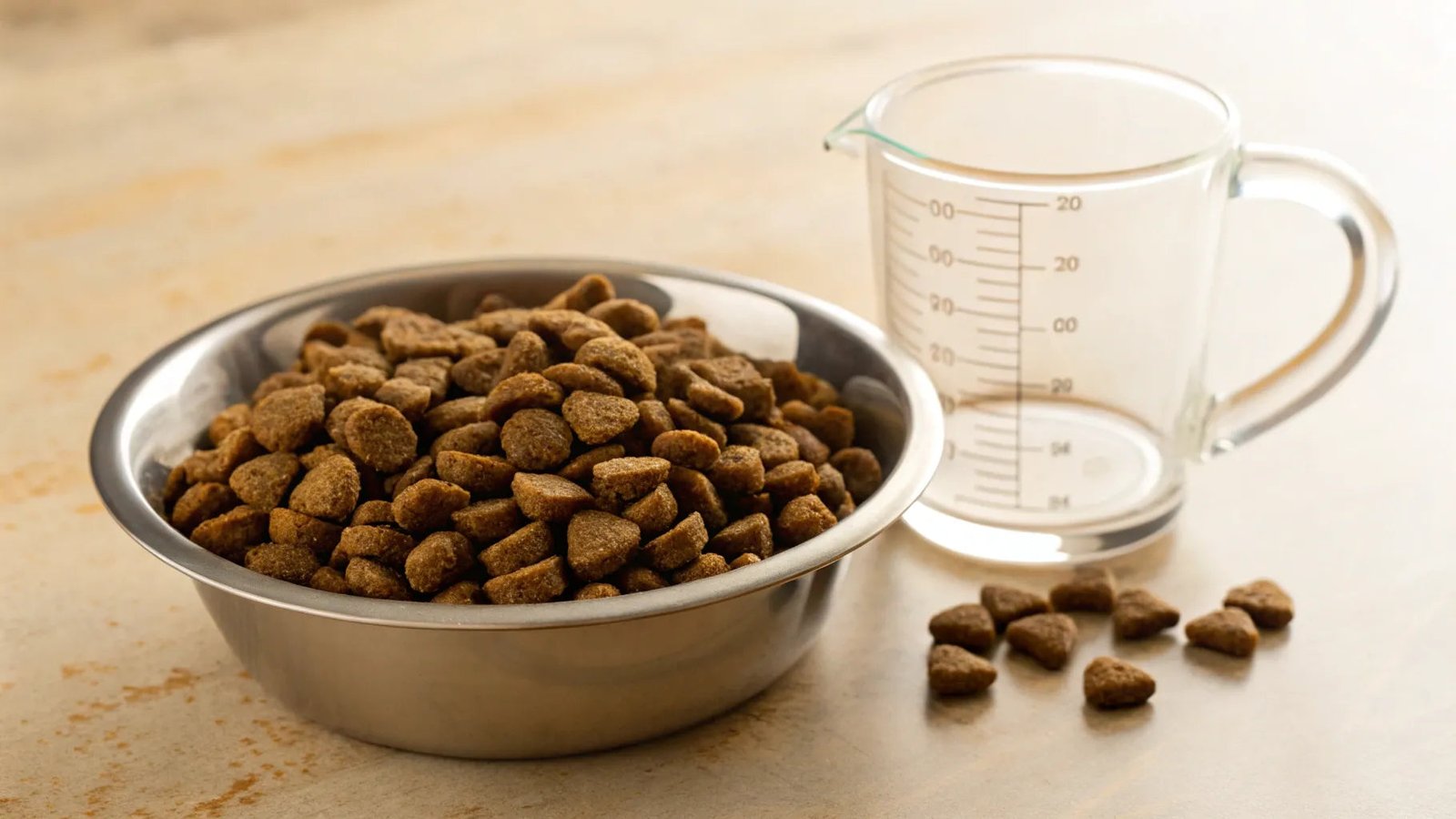
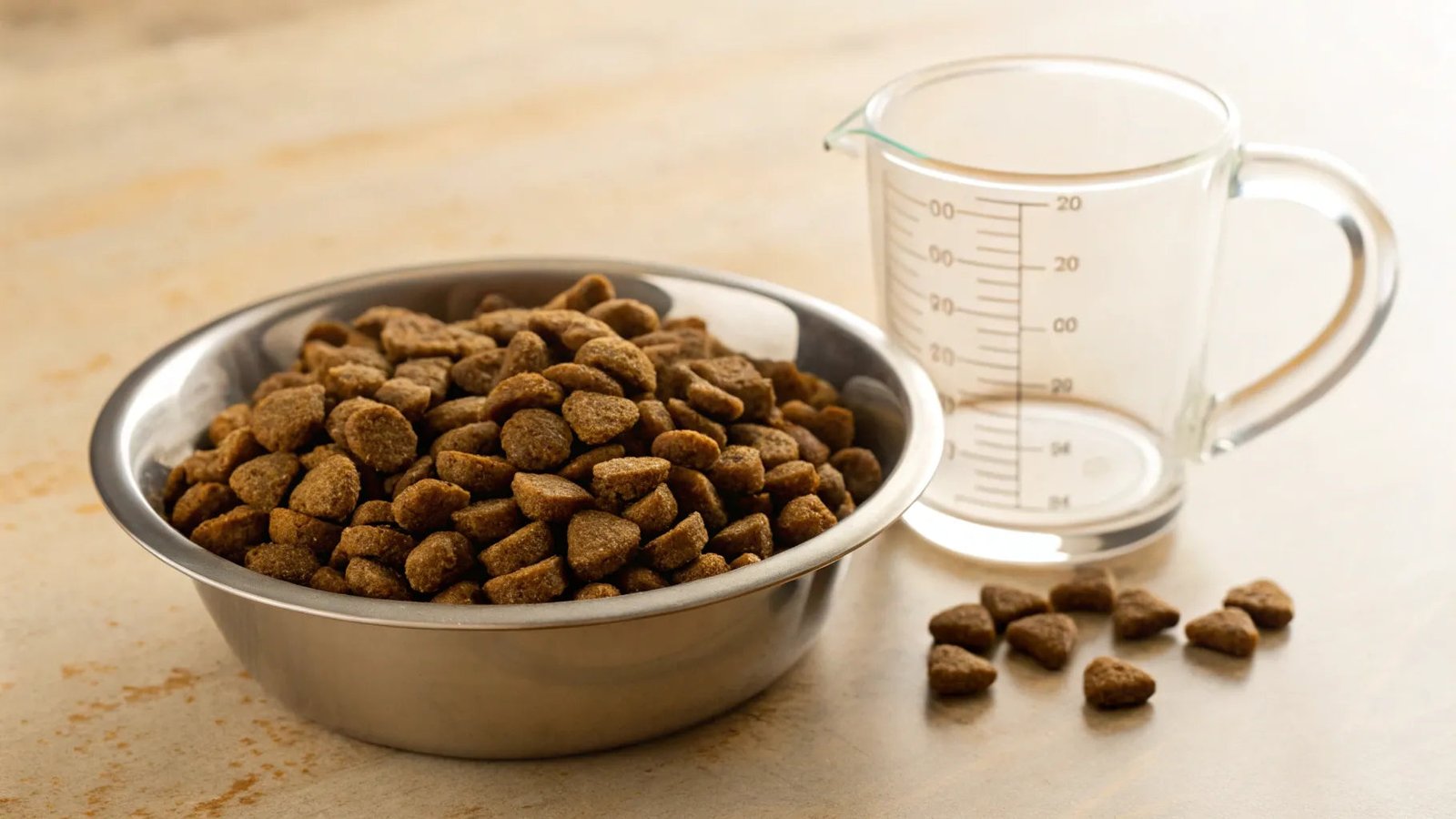
A standard cup for dog food usually means a volume of 8 fluid ounces. This is the same size as a regular measuring cup used in cooking. Most dog food brands assume this standard size in their feeding guidelines. Using a measuring cup with clear markings helps avoid overfeeding or underfeeding your dog.
Variations In Cup Measurements
Not all cups are equal in size or shape. Some measuring cups might be slightly larger or smaller. Dry dog food pieces also vary in size and shape, affecting how much fits in one cup. Scooping dog food with a loose or packed method changes the actual amount your dog eats.
- Different brands may use different cup sizes on labels.
- Irregular kibble shapes can cause inaccurate volume measurement.
- Kitchen cups may differ from standard pet food cups.
To be precise, weigh the dog food using a kitchen scale. This method gives the most accurate feeding portion for your dog’s health.

Credit: www.houndsy.com
Types Of Dog Food And Their Density
Understanding the types of dog food and their density helps you measure the right portion for your pet. Not all dog foods fill a cup the same way. This difference can affect how much you feed your dog and how you interpret feeding guidelines.
Dry Kibble Measurements
Dry kibble is the most common dog food type and usually has a consistent density. A standard cup of dry kibble weighs about 100 to 120 grams, depending on the brand and size of the kibble pieces.
Because kibble is lightweight and airy, it fills a cup more quickly than wet or raw food. You can scoop it easily, but keep in mind that a cup of dry food is less dense, meaning your dog might need more volume to feel full.
Wet Food Volume And Weight
Wet dog food is heavier and denser than dry kibble, so a cup of wet food weighs much more—typically around 240 to 270 grams.
This means that even a smaller volume of wet food provides more calories and nutrients. When feeding wet food, you should consider both the volume and the weight to avoid overfeeding.
Raw And Freeze-dried Food Sizes
Raw and freeze-dried dog foods vary widely in density and size. Raw food often contains water, making it heavier and denser, while freeze-dried food is very light and fluffy.
A cup of freeze-dried food might weigh just 30 to 50 grams, but when rehydrated, it expands significantly. Measuring these foods requires attention to whether you’re counting dry or rehydrated portions.
Tools For Accurate Measurement
Measuring dog food accurately ensures your pet gets the right amount of nutrition. Using the right tools helps avoid overfeeding or underfeeding. Accurate measurement supports your dog's health and weight management.
Several tools can help measure dog food with ease and precision. Each tool offers unique advantages for different needs and preferences.
Using Measuring Cups
Measuring cups are common and easy to use. They come in various sizes, usually marked with clear volume lines. Use a standard dry measuring cup for consistent results. Scoop the food and level it off for accuracy. Measuring cups work well for kibble and dry food.
Kitchen Scales For Precision
Kitchen scales offer the most precise measurement. They show weight in grams or ounces. Place the bowl on the scale and reset to zero before adding food. Scales help measure both dry and wet dog food accurately. They are perfect for pets with special dietary needs.
Specialized Pet Food Scoops
Specialized pet food scoops are designed specifically for dog food. They often have volume markings for easy measuring. Scoops come in various sizes to match feeding guidelines. They are convenient and reduce mess during feeding. Many pet food brands include these scoops with their products.

Credit: www.houndsy.com
Impact Of Measurement On Feeding
Measuring your dog’s food accurately is more than just a routine—it's a crucial factor that directly affects your pet’s well-being. The size of a “cup” of dog food can vary, and even small differences in measurement can lead to big changes in your dog’s diet. Understanding how measurement impacts feeding helps you provide the right amount of nutrition every single time.
Portion Control And Dog Health
Precise portion control is essential to maintain your dog’s ideal weight and avoid health issues. Overfeeding can lead to obesity, which increases the risk of diabetes, joint problems, and heart disease. On the other hand, underfeeding may cause nutrient deficiencies and low energy levels.
Think about the last time you eyeballed a cup instead of measuring—it might look right, but is it really? Using a standard measuring cup designed for pet food ensures consistency, which keeps your dog’s diet balanced and healthy.
Adjusting Amounts By Dog Size
Not all dogs have the same dietary needs. A small Chihuahua requires much less food than a large Labrador. That “cup” of dog food will feed them very differently.
You should adjust feeding amounts based on your dog’s weight, age, and activity level. Many dog food packages offer feeding guidelines, but these are just starting points—you may need to tweak portions as you monitor your dog’s condition.
Avoiding Overfeeding And Underfeeding
Are you sure your dog is getting just the right amount? Overfeeding is a common mistake, especially when free-feeding or using imprecise measurements. It’s easy to add a little extra “just in case,” but that can add up quickly.
Underfeeding can be just as harmful, leading to poor growth or muscle loss. The best approach is to measure food carefully and observe your dog’s body condition. Adjust portions as needed, and consult your vet if you’re unsure.
Tips For Measuring Dog Food Accurately
Measuring dog food accurately helps keep your pet healthy and happy. Overfeeding or underfeeding can cause health problems. Using the right tools and techniques ensures your dog gets the correct amount every time. Here are some simple tips to measure dog food properly.
Leveling The Cup
Fill the measuring cup with dog food until it is heaping. Use a flat edge like a knife or spatula to level the food. This removes extra bits and gives a precise amount. Avoid packing the food down. Level cups make feeding consistent and prevent overfeeding.
Consistency In Feeding Times
Feed your dog at the same times each day. Consistent feeding helps regulate digestion and appetite. Use the same measuring cup for every meal. This maintains portion size and routine. Regular schedules also support better behavior and energy levels.
Reading Packaging Guidelines
Check the dog food package for feeding instructions. These guidelines suggest daily amounts based on weight and age. Adjust portions if your dog is very active or less active. Packaging helps you understand how much to feed in cups or grams. Follow these instructions closely for balanced nutrition.

Credit: www.houndsy.com
Frequently Asked Questions
What Is The Standard Size Of A Cup Of Dog Food?
A standard cup of dog food typically equals 8 fluid ounces or about 120 grams. This measurement helps pet owners provide consistent portions for their dogs.
How Many Grams Are In One Cup Of Dog Food?
One cup of dry dog food usually weighs between 100 to 120 grams. This varies slightly by brand and kibble density.
Why Measure Dog Food In Cups Instead Of Grams?
Measuring in cups is convenient and easy for pet owners. It simplifies daily feeding routines without needing a scale.
Does The Cup Size Affect Dog Feeding Portions?
Yes, using a standard cup ensures accurate portion control. This helps prevent overfeeding or underfeeding your dog.
Conclusion
Understanding the size of a cup of dog food helps dog owners. It ensures proper nutrition and health for their pets. Every dog is unique, requiring different amounts of food. Consider your dog's breed, age, and activity level. Check the packaging for serving size recommendations.
Adjust as needed for weight control or energy needs. Keep a consistent feeding schedule. Consistency helps maintain healthy eating habits. Regularly consult a vet for personalized advice. Proper feeding leads to a happy, healthy dog. Always prioritize your pet's well-being.
They depend on you for their health and happiness.