
Are you struggling to figure out how much dog food to give your furry friend? Knowing how many ounces are in a cup of dog food can make a big difference in keeping your pet healthy and happy.
If you’ve ever guessed or eyeballed the amount, you might be feeding too little or too much—both of which can affect your dog’s weight and energy. You’ll discover the simple truth about measuring dog food by the cup and how to use ounces to get it just right every time.
Keep reading to make sure your dog’s meals are perfectly portioned without any guesswork.

Credit: www.houndsy.com
Standard Cup Measurements
Understanding standard cup measurements is key to feeding your dog the right amount of food. A "cup" might seem straightforward, but when it comes to dog food, the actual weight in ounces can vary. This can make a big difference in your pet’s diet and health.
When you scoop dog food, are you really sure how much your dog is getting in weight? Let’s break down what a standard cup means in this context and why it matters for your furry friend.
Dry Vs. Wet Dog Food
Dry dog food is much lighter per cup than wet dog food. A standard measuring cup of dry kibble typically weighs between 3 to 4 ounces. Wet food, on the other hand, is denser and contains more moisture, so one cup can weigh around 8 ounces or more.
This difference means you can’t just swap one cup of dry food for one cup of wet food and expect the same amount of nutrition. Have you ever noticed your dog getting less or more food when you switch types? That’s why weighing or understanding these differences is important.
Weight Variations By Brand
Not all dog food brands follow the exact same weight per cup. Some brands have denser kibble or more moisture in their wet food, which changes the ounce count per cup. For example, Brand A’s dry food might weigh 3.5 ounces per cup, while Brand B’s weighs 4 ounces.
Checking the packaging or asking your vet about your specific brand can help you feed the right amount. Have you ever measured your dog’s food by weight instead of volume? Doing so can improve portion control and keep your dog healthier.
Converting Cups To Ounces
Understanding how to convert cups to ounces helps you feed your dog the right amount. Cups measure volume, while ounces measure weight. The weight of dog food in ounces can vary by type and density. Accurate measurement ensures your dog gets proper nutrition without overeating.
Measuring Dry Dog Food
Dry dog food weighs differently than wet food. One cup of dry dog food usually weighs between 3 and 4 ounces. This depends on the kibble size and ingredients.
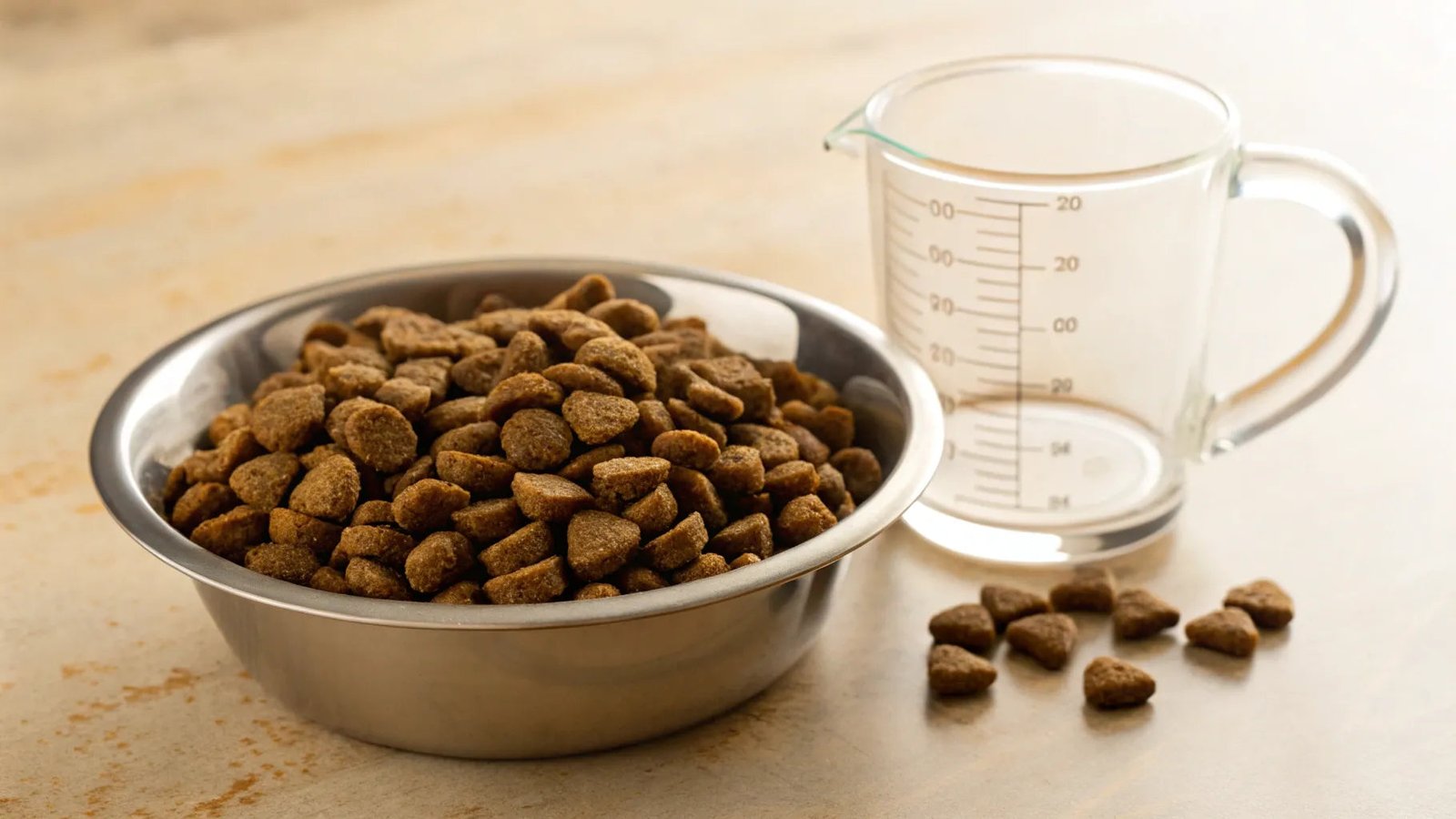
Use a kitchen scale for the best accuracy. Place a bowl on the scale and zero it out. Scoop the dry food into the bowl until it reaches one cup. Read the weight in ounces to know the exact amount.
Measuring Wet Dog Food
Wet dog food contains water, so it weighs more than dry food. One cup of wet dog food typically weighs about 8 ounces. This is similar to how water weighs.
Use a measuring cup designed for liquids. Fill the cup with wet food and level it off. For precise feeding, weigh the wet food on a scale. This avoids guesswork and helps maintain your dog's diet.
Factors Affecting Food Weight
Understanding the factors that affect the weight of a cup of dog food can help you measure portions more accurately. The weight isn't always consistent because several elements change how much a cup actually weighs. Let’s look at what influences these differences so you can better manage your dog's diet.
Density Differences
Not all dog foods have the same density. Some kibble pieces are larger or more compact, making a cup weigh more or less depending on the brand or type.
For instance, a cup of dry kibble might weigh 3 ounces, but a cup of softer or airier food could weigh less. Have you noticed your dog’s food feels lighter or heavier than expected? This is why density matters.
Think about how tightly the food packs into the cup. Fluffy food takes up more space but weighs less, while dense food is heavier in the same volume. This directly affects how much your dog actually eats by weight.
Packaging Influences
Packaging can also affect the weight in a cup. Some brands compress the food tightly in bags, while others leave it loose.
If the food settles during shipping, the kibble may compact more in the bag. This means when you scoop, you might get more food packed into the cup than if the kibble were loose.
Have you ever opened a new bag and noticed the food looks more settled than usual? This settling changes how much you pour out, so checking the bag’s weight and serving guidelines helps keep portions accurate.
Feeding Amounts By Dog Size
Feeding your dog the right amount of food depends heavily on their size. Different breeds need different portions to stay healthy and happy. Understanding how many ounces fit into a cup of dog food helps you measure meals accurately for your furry friend.
Small Breeds
Small dogs like Chihuahuas or Pomeranians usually eat between 1 to 2 cups of dry food daily. Since one cup of dog food typically weighs about 3 to 4 ounces, you’re looking at roughly 3 to 8 ounces per day depending on the brand and kibble size.
Keep an eye on your dog's weight and energy. If your pup seems sluggish or starts gaining weight, adjust the portion size. Have you ever noticed how tiny changes in feeding affect your small dog's behavior?
Medium Breeds
Medium-sized dogs such as Beagles or Cocker Spaniels often require 2 to 3 cups of food daily. This amounts to about 6 to 12 ounces per day, based on the standard ounce-to-cup conversion.
Consider activity level alongside size. An active medium breed might need more than a mostly sedentary one. What’s your dog’s daily routine like, and could that mean tweaking their feeding amount?
Large Breeds
Large breeds like Labradors or German Shepherds typically consume 3 to 5 cups of food each day. That translates to approximately 9 to 20 ounces, depending on the kibble density.
Large dogs have different nutritional needs, so quality matters. Overfeeding can lead to joint problems and obesity, while underfeeding affects energy and growth. How do you balance quantity and nutrition for your big buddy?
Using A Kitchen Scale For Accuracy
Using a kitchen scale for measuring dog food ensures precise portion control. Cups can vary in size and density, making volume measurements less reliable. A scale gives an exact weight in ounces, helping maintain your dog's diet and health. It reduces guesswork and helps avoid overfeeding or underfeeding. This tool is simple to use and fits into any kitchen routine.
Benefits Of Weighing Food
- Ensures accurate portion sizes for your dog’s needs.
- Helps maintain consistent feeding habits daily.
- Prevents health issues linked to overfeeding or underfeeding.
- Tracks food intake easily for weight management.
- Saves money by avoiding wasted food.
Tips For Consistent Measurement
- Use the same kitchen scale every time.
- Place the empty bowl on the scale first and zero it out.
- Weigh the food directly in the bowl for convenience.
- Record the weight to maintain regular feeding amounts.
- Clean the scale regularly to keep it accurate.

Credit: www.petindiaonline.com
Adjusting Portions For Special Needs
Adjusting the amount of dog food you give your pet is crucial, especially when their needs change due to age or activity level. A one-size-fits-all approach doesn't work well with dogs, as their nutritional requirements vary widely. Understanding how to tweak portions ensures your dog stays healthy and happy without overeating or going hungry.
Puppies
Puppies require more calories and nutrients than adult dogs because they are growing quickly. You might find yourself feeding more frequent, smaller meals throughout the day, often totaling more ounces than you’d expect per cup. Keep an eye on their weight and energy—too little food can stunt growth, but too much can cause digestive issues.
Have you noticed how your puppy’s appetite can suddenly spike? That’s a sign you may need to increase their portion size temporarily. A simple way to adjust is by measuring the ounces in their cup and adding a little more until they seem satisfied and energetic.
Senior Dogs
Older dogs usually have slower metabolisms and less energy, so they often need fewer calories. Feeding the same amount as when they were younger can lead to weight gain and joint problems. Reducing portions by a few ounces per cup and choosing food with lower calories but high nutrients can help maintain their health.
Think about your senior dog’s daily activity and overall health. Are they moving less or showing signs of weight gain? Adjusting food portions accordingly can improve their quality of life, and adding supplements or special senior formulas might be necessary.
Active Vs. Sedentary Dogs
Dogs that are highly active burn more calories and need larger portions to fuel their energy. Sedentary dogs, on the other hand, require less food to avoid excess weight. It’s important to measure how many ounces your dog’s cup holds and adjust the amount based on their lifestyle.
- Active dogs:Increase portions by about 10-20% or add an extra snack during the day.
- Sedentary dogs:Cut portions slightly or choose a food with fewer calories per cup.
Ask yourself: Does your dog seem restless or tired? Their energy level is a good indicator of whether you should change their food portions. Keeping track of their weight and activity helps you fine-tune the amount of food in each cup.

Credit: www.purina.com
Frequently Asked Questions
How Many Ounces Are In One Cup Of Dog Food?
One cup of dry dog food typically weighs about 3 to 4 ounces. The exact weight depends on the kibble size and density. Checking your dog food packaging can give the precise weight for accurate feeding.
Does Wet Dog Food Weigh The Same As Dry?
No, wet dog food weighs more due to its moisture content. One cup of wet food usually weighs around 8 ounces. Always measure by weight for accurate portion control when feeding your dog.
How To Convert Cups To Ounces For Dog Food?
To convert cups to ounces, weigh your dog food using a kitchen scale. Dry dog food averages 3. 5 ounces per cup, but this varies. Use the weight listed on the packaging for the most accurate conversion.
Why Is Knowing Dog Food Ounces Important?
Knowing the ounces helps ensure correct portion size and nutrition. Overfeeding can cause obesity, while underfeeding leads to malnutrition. Accurate measurement promotes your dog's health and well-being.
Conclusion
Understanding the right amount of dog food is crucial. It keeps your pet healthy. A cup of dog food typically contains about 8 ounces. This knowledge helps in feeding your dog correctly. Measuring accurately ensures no overfeeding or underfeeding. Your furry friend stays happy and fit.
Always check food packaging for specific details. Different brands might have slight variations. Consistency in feeding routines also matters. Keep your pet's needs in mind. Stay informed and make adjustments as needed. This benefits your dog's overall well-being. Happy feeding leads to a healthy, happy dog!