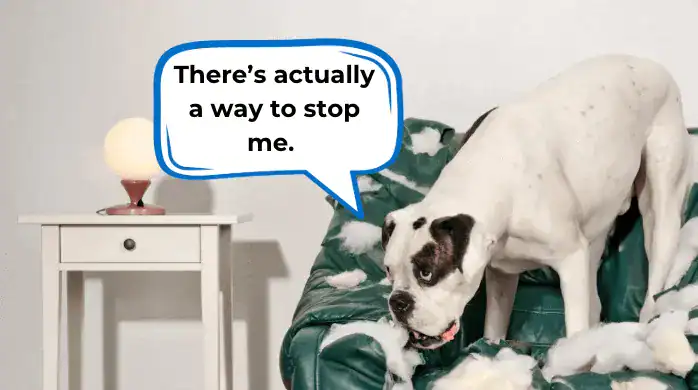
Is your furry friend turning your home into a chew toy paradise? It can be frustrating to find your favorite shoes, furniture, or even your remote control in tatters, thanks to your dog's relentless chewing.
You're not alone. Many dog owners face this challenge, and it often feels like a never-ending battle. But what if you could put an end to this destructive behavior for good? Imagine walking into a home where your belongings are safe and sound, and your dog is happily occupied with the right toys.
Sounds like a dream, right? This is not just wishful thinking. With a few proven strategies, you can guide your dog to break the chewing habit and save your stuff from becoming tomorrow's victim. Dive into our guide, and you'll discover practical tips that work, transforming your home back into the peaceful haven it once was. Ready to reclaim your space and keep your dog happy? Let's get started!

Credit: www.amazon.ca
Reasons Dogs Chew
Dogs chew for many reasons. Understanding why they chew helps you stop unwanted behavior. Chewing is natural for dogs, but some causes need special attention. Below are common reasons dogs chew things they should not.
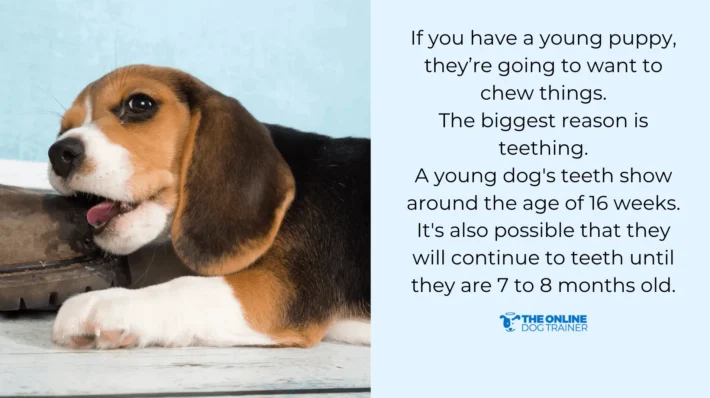
Teething In Puppies
Puppies chew to relieve pain from teething. Their new teeth push through gums. Chewing soothes sore gums and eases discomfort. Puppies explore the world by biting and chewing objects. Providing safe chew toys helps protect your belongings.
Boredom And Anxiety
Dogs chew to pass time and reduce stress. Bored dogs lack mental and physical activity. Chewing keeps their minds busy and bodies active. Anxiety makes dogs feel uneasy and nervous. Chewing calms their nerves and provides comfort.
Attention-seeking Behavior
Dogs chew to get your attention. They learn that chewing causes a reaction from you. Even negative attention can seem better than none. This behavior shows they want interaction or playtime. Teaching alternative ways to get attention is important.
Safe Chew Alternatives
Providing your dog with safe chew alternatives is essential to protect your belongings and keep your pet happy. Dogs naturally love to chew, but without the right outlets, they might target your shoes, furniture, or other valuables. Offering the right kind of chew toys and treats can redirect their energy and satisfy their chewing instincts in a healthy way.
Choosing Durable Toys
Pick toys made from strong, non-toxic materials like rubber or tough nylon. These can withstand aggressive chewing without breaking apart, which keeps your dog safe from swallowing small pieces. Brands like KONG or Nylabone offer options designed to last longer and hold up to heavy chewing.
Watch how your dog interacts with toys to find out what texture and size they prefer. Some dogs like soft plush toys, while others want something firmer. Having a variety can keep your dog interested and less likely to chew on unwanted items.
Edible Chew Treats
Edible chews can be a great way to satisfy your dog’s urge to chew while giving them a tasty reward. Look for treats made from natural ingredients that are easy to digest and free from harmful additives. Bully sticks, dental chews, and rawhide alternatives like sweet potato chews are popular choices.
Keep an eye on portion sizes and monitor your dog while they chew to avoid choking hazards. Offering these treats occasionally can make chewing more exciting and reduce the chance of boredom-driven chewing on household items.
Interactive Chew Options
Interactive chew toys combine mental stimulation with physical chewing, making them perfect for energetic or anxious dogs. Toys that can be stuffed with treats, like puzzle feeders or treat-dispensing balls, keep your dog engaged and busy for longer periods.
These toys challenge your dog to work for their reward, which can reduce destructive behavior caused by boredom. Have you noticed how your dog’s chewing habits change when they have a toy that makes them think? It’s a simple way to turn chewing into a positive experience.
Training Techniques
Training your dog to stop chewing on things takes patience and clear techniques. Dogs chew for many reasons, including boredom, teething, or stress. Teaching them proper behavior helps protect your belongings and keeps your pet happy. The right training methods focus on guiding your dog toward good chewing habits.
Positive Reinforcement
Reward your dog when it chews on the right items. Use treats, praise, or petting to show approval. This encourages your dog to repeat good behavior. Avoid punishment, which can cause fear or confusion. Positive reinforcement builds trust and makes learning easier.
Redirecting Chewing Behavior
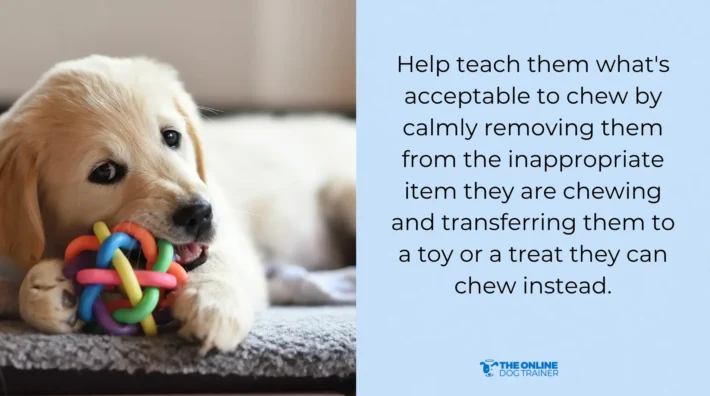
Offer safe chew toys as alternatives to furniture or shoes. When your dog starts to chew the wrong item, gently take it away and give a toy instead. Keep a variety of toys available to keep your dog interested. This helps teach what is okay to chew and what is not.
Using Commands And Boundaries
Teach simple commands like "leave it" or "no" to stop unwanted chewing. Be consistent with these commands every time. Set clear boundaries by keeping tempting items out of reach. Consistency helps your dog understand rules and respect your home.
Managing The Environment
Managing your dog’s environment plays a crucial role in curbing destructive chewing habits. By shaping the space around your pet, you guide their behavior and reduce opportunities for unwanted chewing. This approach not only protects your belongings but also helps your dog feel more secure and focused.
Dog-proofing Your Home
Start by removing or securing anything your dog might find tempting to chew. Cords, shoes, and kids’ toys often become targets. Use baby gates or closed doors to limit access to certain rooms.
Keep trash cans covered or out of reach. Store valuable or fragile items on high shelves. You can also use bitter sprays on furniture or objects your dog tends to chew on.
Providing Mental Stimulation
A bored dog is more likely to chew out of frustration. Give your dog puzzle toys or treat-dispensing balls that challenge their mind. Rotate toys regularly to keep their interest high.
Training sessions also count as mental exercise. Teach new commands or tricks during short, fun breaks. This mental work tires your dog just as much as physical exercise.
Regular Exercise Benefits
Dogs with pent-up energy often chew to release it. Daily walks, play sessions, and outdoor runs help burn off this excess energy. You’ll notice fewer chewed shoes when your dog gets enough physical activity.
Try to match the intensity of exercise to your dog’s breed and age. A tired dog is a well-behaved dog. How much exercise does your dog really need to stay calm?
When To Seek Professional Help
Sometimes, chewing is more than just a puppy phase. It could signal deeper problems. Knowing when to seek professional help saves time and stress. Experts can guide you and your dog toward better behavior.
Identifying Serious Behavioral Issues
Excessive chewing might show anxiety or boredom. Look for signs like:
- Destruction beyond normal chewing
- Chewing combined with other problem behaviors
- Chewing that worsens despite your efforts
These signs suggest a deeper issue. The problem might need more than simple training.
Working With Trainers And Vets
Professional trainers use techniques tailored for your dog. They teach control and focus. Veterinarians check for health problems causing chewing. Pain or discomfort can trigger unwanted behavior. Both trainers and vets work together for a full approach.
Behavioral Modification Plans
Experts create plans based on your dog's needs. Plans include:
- Positive reinforcement to reward good behavior
- Consistent routines to reduce anxiety
- Safe chewing alternatives
- Monitoring progress with regular check-ins
Following these plans improves chewing habits over time. Patience and consistency are key.
Credit: theonlinedogtrainer.com
Credit: theonlinedogtrainer.com
Frequently Asked Questions
How Can I Stop My Dog From Chewing Furniture?
Provide chew toys and redirect your dog to them. Use deterrent sprays on furniture. Supervise your dog and reward good behavior consistently.
Why Do Dogs Chew On Household Items?
Dogs chew to relieve teething pain, boredom, or stress. They also explore their environment through chewing. Proper training can reduce this behavior.
What Are The Best Chew Toys For Aggressive Chewers?
Durable rubber toys, nylon bones, and braided ropes work well. Choose toys sized appropriately for your dog's breed and chewing strength.
How To Prevent Chewing When Dogs Are Home Alone?
Provide engaging toys and puzzles to keep your dog busy. Use crate training and limit access to tempting items. Exercise your dog before leaving.
Conclusion
Stopping dogs from chewing takes patience and clear rules. Give your dog safe toys to chew on. Praise good behavior and gently correct bad actions. Keep tempting items out of reach. Exercise helps reduce boredom and stress. Watch your dog closely to catch chewing early.
Consistency is key to changing habits for good. Small steps each day lead to big results. Your dog will learn what is okay to chew. Enjoy a happier home with less damage.