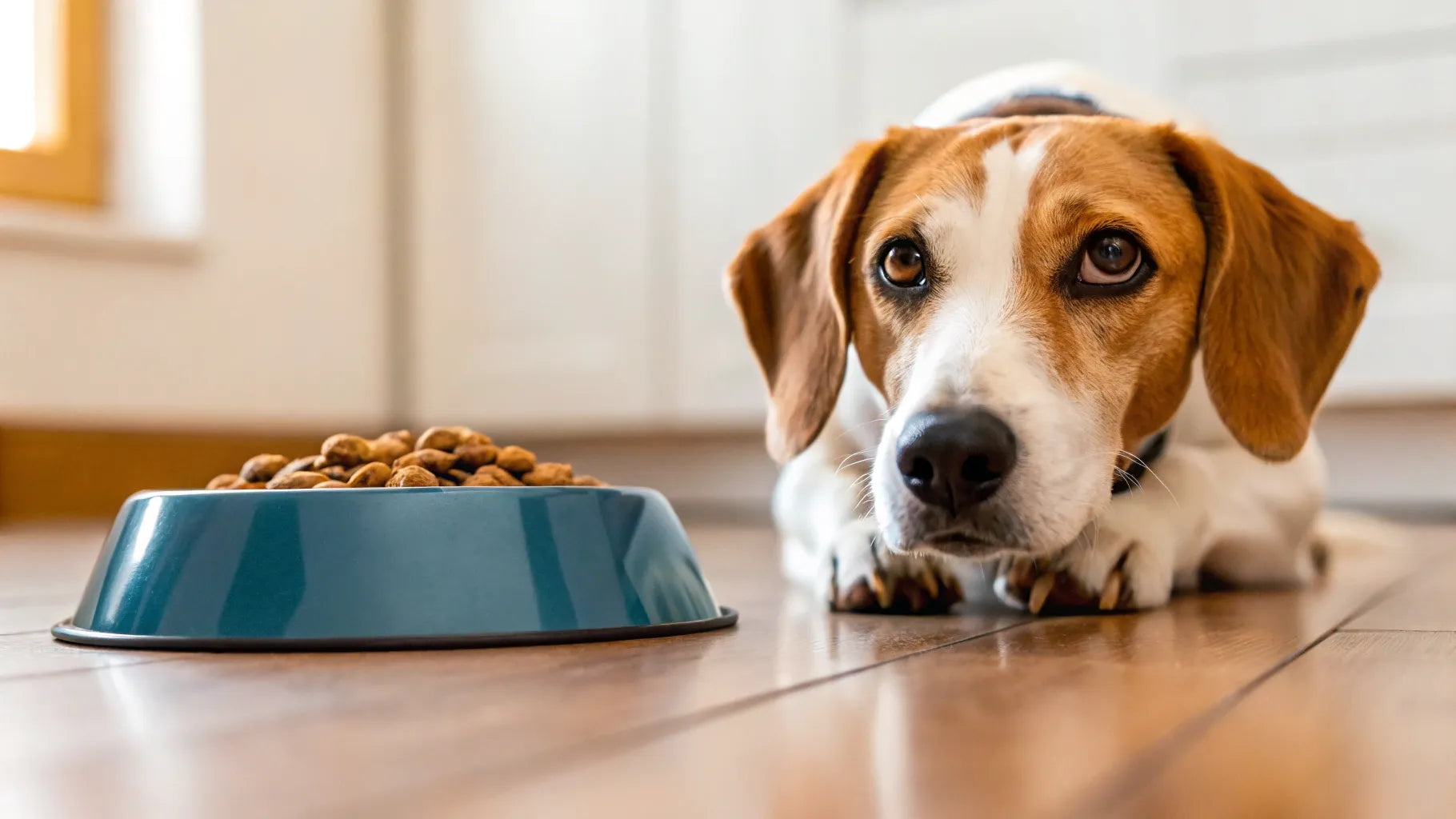
Have you ever filled your dog's bowl with their favorite kibble, only to watch them walk away without a second glance? It can be puzzling and even a bit concerning when your furry friend doesn't dive into their meal right away.
You're not alone in wondering why this happens. Understanding the reasons behind this behavior can help you ensure your pet is healthy and happy. We'll explore the surprising reasons your dog might delay eating and what you can do about it.
From health issues to emotional factors, and even a few tricks to make mealtime more appealing, you'll discover insights that could transform your dog's eating habits. So, if you're ready to put an end to the mystery and learn how to get your dog excited about their food again, keep reading. Your pup—and their wagging tail—will thank you!

Credit: pawspace.in
Common Eating Habits
Understanding your dog's common eating habits can help you figure out why they might not eat their food immediately. Dogs, like people, have unique ways of approaching mealtime. Sometimes, what seems like picky behavior is actually part of their natural routine or breed traits.
Natural Eating Patterns
Dogs often eat based on instincts developed from their wild ancestors. They might nibble at food slowly, pause between bites, or even walk away and return later. This isn’t necessarily a sign of disinterest but a natural way to avoid eating too quickly, which can cause stomach problems.
Have you noticed your dog sniffing their food before eating? This is their way of checking if the food is safe or appealing. Some dogs prefer eating in a quiet, calm environment and may delay eating if they feel distracted or stressed.
Breed-specific Behaviors
Different breeds have different eating styles. For instance, some small breeds like Chihuahuas tend to eat slowly and cautiously, while larger breeds like Labradors often eat rapidly. Herding breeds, such as Border Collies, might even seem picky because they are more focused on tasks than mealtime.
Consider your dog’s breed traits when you notice delayed eating. Are they naturally cautious or easily distracted? Adjusting feeding routines to suit their breed’s tendencies can encourage better eating habits.
Health Issues Impacting Appetite
When your dog suddenly stops eating or delays eating their food, it’s important to consider underlying health issues that might be affecting their appetite. Dogs can’t tell us when they feel unwell, so changes in eating habits often serve as an early warning sign. Understanding these health-related causes can help you act quickly and get your furry friend the care they need.
Dental Problems
Dental pain is one of the most common reasons dogs avoid their food. If your dog has sore gums, loose teeth, or a mouth infection, chewing can be painful. You might notice your dog dropping food or chewing on one side of their mouth.
Have you ever seen your dog paw at their face or shake their head frequently? These behaviors often indicate oral discomfort. Regular dental check-ups and cleaning can prevent many of these issues and keep mealtime comfortable.
Digestive Disorders
Digestive problems like upset stomach, constipation, or inflammatory bowel disease can cause your dog to lose interest in food. If your dog looks bloated, vomits, or has diarrhea, these symptoms might explain the lack of appetite.
Think about the last time your dog seemed uncomfortable after eating. Digestive discomfort makes eating unappealing and may require a vet’s attention to diagnose and manage. Adjusting their diet or adding supplements can sometimes ease these problems.
Infections And Illnesses
Various infections and illnesses can reduce your dog’s desire to eat. Fever, lethargy, or coughing often accompany a loss of appetite and signal that your dog isn’t feeling well.
Have you noticed your dog hiding or acting unusually quiet? These changes often mean they are fighting an infection or illness. Prompt veterinary care is crucial to identify the cause and start treatment early.
Environmental Factors
Environmental factors often influence a dog’s eating habits. Changes in surroundings can make dogs hesitant to eat right away. These factors can affect their comfort and focus during mealtime. Understanding these can help improve their eating routine.
Feeding Location And Comfort
The place where a dog eats is very important. Dogs prefer quiet and familiar spots to eat. If the feeding area is too bright, cold, or cramped, dogs may delay eating. They feel safer in calm, cozy spaces.
Moving the food bowl to a quieter corner can help. A stable, comfortable surface also encourages dogs to eat faster. Some dogs avoid eating near their sleeping or playing areas. Separate feeding zones can reduce distractions.
Noise And Distractions
Loud sounds or sudden noises can scare dogs during mealtime. TV noise, loud talking, or household activities may cause hesitation. Dogs are sensitive to their environment and need peace to focus on food.
Keeping the feeding area calm and quiet reduces stress. Turn off loud devices or move the dog to a quieter room. Avoid feeding near busy areas where foot traffic is high. Less distraction helps dogs feel safe and eat promptly.
Credit: www.houndsy.com
Food-related Causes
Understanding why your dog may hesitate to eat right away often leads back to food-related causes. These reasons can be subtle but impactful, affecting your dog’s appetite and enthusiasm for mealtime. Paying attention to these factors can help you provide a more appealing dining experience for your furry friend.
Taste And Smell Preferences
Dogs rely heavily on taste and smell to decide if food is appealing. If your dog suddenly avoids their bowl, it might be because the flavor or aroma no longer excites them. Just like people, dogs can develop preferences or dislikes over time, especially if the food tastes bland or different from what they expect.
Have you noticed your dog sniffing the food and walking away? That’s a clear sign their senses aren’t engaged. Experimenting with different flavors or adding a small amount of broth can sometimes rekindle their interest.
Food Freshness And Quality
Freshness matters a lot to dogs. Stale kibble or food that has been left out too long may lose its appeal and even develop off-putting smells. Quality also plays a role; low-grade food might not stimulate your dog’s appetite as much as a higher-quality option.
Think about the last time you ate food that wasn’t fresh—you probably didn’t finish it either. Make sure to store your dog’s food properly and check expiration dates regularly. You might find that switching to fresher or better-quality food makes a big difference.
Changes In Diet
Switching your dog’s diet abruptly can cause hesitation at mealtime. Dogs often need time to adjust to new ingredients, textures, or brands. If you recently changed your dog’s food, it’s normal for them to be unsure about it at first.
Try mixing the new food with the old one gradually over several days. This slow introduction can help your dog get used to the new taste without losing interest. Have you tried this approach before, and how did your dog respond?
Psychological Influences
Dogs, like humans, have feelings and moods that affect their eating habits. Psychological factors can make a dog delay eating his food. These influences are often unseen but play a big role in a dog’s appetite and behavior.
Understanding these mental triggers helps you support your dog's well-being and improve his eating routine.
Stress And Anxiety
Stress can make dogs lose interest in food. Loud noises, new environments, or changes at home can cause anxiety. This feeling may last minutes or days. Some dogs show stress by hiding or pacing. Eating becomes less important when they feel scared or uneasy.
Separation from owners often causes stress. A dog left alone might refuse food out of worry. Recognizing signs of stress helps you create a calm feeding time. A quiet, safe spot can encourage eating.
Training And Behavior Patterns
Dogs learn habits from their owners and surroundings. Some dogs are trained to wait before eating. They might delay eating to get attention or treats. Others develop picky eating due to inconsistent feeding times.
Routine affects behavior. Feeding at the same time each day builds trust. If a dog feels unsure about food, he may hesitate. Clear, consistent signals make eating a positive experience.
When To Consult A Vet
Dogs may skip meals occasionally without big concern. Yet, a sudden loss of appetite can signal health issues. Knowing when to seek veterinary advice is crucial for your dog's wellbeing. Early action can prevent serious problems and improve recovery chances.
Signs Of Serious Problems
- Continuous refusal to eat for more than 24 hours
- Vomiting or diarrhea alongside appetite loss
- Unusual lethargy or weakness
- Visible pain or discomfort
- Sudden weight loss
- Difficulty breathing or coughing
- Swollen abdomen or bloating
- Excessive drooling or pawing at the mouth
These symptoms indicate more than just picky eating. Immediate veterinary attention may be necessary.
Diagnostic Steps
The vet will start with a thorough physical exam. They check your dog’s mouth, abdomen, and vital signs.
Blood tests help identify infections or organ problems. X-rays or ultrasounds reveal internal issues like blockages or tumors.
Sometimes stool tests or urine analysis are needed. These tests pinpoint digestive or kidney problems.
Based on findings, the vet suggests treatment or further tests. Early diagnosis improves treatment success and your dog’s comfort.
Tips To Encourage Prompt Eating
Encouraging your dog to eat promptly improves their health and your peace of mind. Some dogs take time to start eating due to stress, boredom, or discomfort. Adopting simple changes can make mealtime more inviting and routine. Focus on environment, food, and timing to help your dog eat quickly and happily.
Creating A Calm Feeding Environment
Choose a quiet spot for your dog's meals. Avoid noisy areas with lots of foot traffic. Keep other pets away during feeding time to reduce competition. Use a clean bowl and place it in the same spot every day. Calm surroundings help your dog feel safe and ready to eat.
Food Preparation Techniques
Serve food at room temperature to enhance aroma and taste. Mix dry food with a small amount of wet food or broth to make it more appealing. Break large kibble into smaller pieces for easier chewing. Change flavors occasionally to keep meals interesting. Fresh, tasty food encourages faster eating.
Consistent Feeding Schedule
Feed your dog at the same times every day. Set specific meal times and stick to them. Remove uneaten food after 20-30 minutes to build routine. A regular schedule helps your dog understand when to expect food. Predictability reduces anxiety and promotes prompt eating.

Credit: www.earthbuddypet.com
Frequently Asked Questions
Why Does My Dog Delay Eating His Food?
Dogs may delay eating due to stress, illness, or food preferences. Changes in environment or routine can also cause hesitation. Monitoring your dog's behavior and consulting a vet if it persists is important to ensure health and well-being.
Can Health Issues Cause My Dog To Avoid Food?
Yes, health problems like dental pain, infections, or digestive issues can reduce appetite. If your dog consistently avoids food, a vet checkup is crucial to rule out medical concerns and provide proper treatment.
Does Food Quality Affect My Dog's Eating Habits?
Absolutely. Dogs prefer fresh, tasty, and nutritious food. Poor quality or stale food can make them reluctant to eat. Always provide high-quality, appealing meals to encourage healthy eating habits and maintain your dog’s interest.
How Does Stress Influence My Dog’s Eating Behavior?
Stress from changes, loud noises, or separation anxiety can cause dogs to skip meals. Reducing stressors and creating a calm feeding environment helps improve your dog’s appetite and overall comfort.
Conclusion
Dogs may delay eating for many simple reasons. Changes in food, health, or mood can cause this. Watch your dog closely for unusual signs. Try small changes like fresh food or quiet space. Patience helps as your dog adjusts to new habits.
Remember, each dog has its own pace. Consult a vet if the problem lasts long. Your care and attention make a big difference. Feeding time can be calm and stress-free. Understanding your dog’s behavior improves your bond.