Are you puzzled about the right amount of Hill's Science Diet to feed your furry friend? You're not alone.
Many dog owners find themselves second-guessing portion sizes, unsure if they're giving too much or too little. Feeding your dog the correct amount is crucial for their health and happiness. Too much food can lead to obesity, while too little might not provide the necessary nutrients.
In this guide, we'll uncover the secrets to finding that perfect balance. By the end, you'll feel confident in knowing just how much Hill's Science Diet your dog needs to thrive. Dive in and discover how to make mealtime a breeze for both you and your beloved pet.
Choosing The Right Hill's Science Diet
Choosing the right Hill's Science Diet for your dog is essential for their health and happiness. Each dog has unique nutritional needs that change with age, size, and health status. Understanding these factors helps you pick the best formula and feeding amount to keep your pet thriving.
Types Of Hill's Science Diet
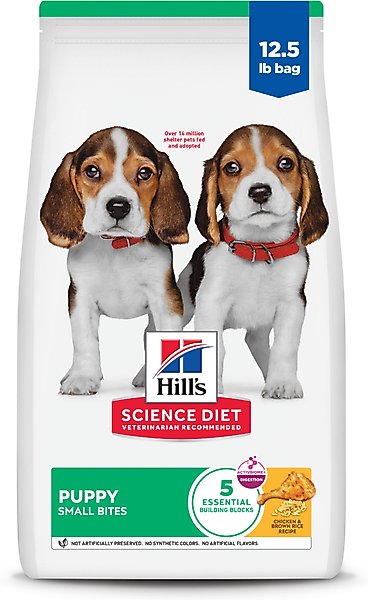
Hill's Science Diet offers a variety of formulas tailored to different dog needs. You’ll find options for puppies, adult dogs, and seniors, as well as specialized diets for weight management, sensitive stomachs, and dental care.
Think about your dog’s lifestyle and preferences. Does your dog need more protein for energy, or a diet that supports joint health? The range of Hill’s Science Diet products can meet most of these needs.
Selecting Based On Dog's Age
Your dog’s age plays a big role in what food they require. Puppies need nutrient-rich formulas to support growth, while adult dogs benefit from balanced nutrition to maintain their energy levels.
Senior dogs often require diets lower in calories but rich in antioxidants and joint-supporting ingredients. Feeding the right age-specific formula helps avoid overfeeding or underfeeding, which can lead to health issues.
Considering Health Conditions
Does your dog have specific health concerns like allergies, kidney issues, or digestive problems? Hill's Science Diet offers clinical nutrition formulas designed to target these conditions effectively.
Consult your vet to identify health issues and choose a diet that supports recovery or management. Feeding the right food can improve your dog’s quality of life and sometimes reduce the need for medication.
Credit: www.1800petmeds.com
Determining Daily Feeding Amount
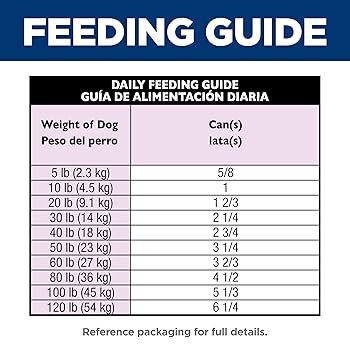
Determining the right daily feeding amount for your dog is essential to keep them healthy and happy. Feeding too much can lead to weight gain, while too little may cause nutrient deficiencies. Hill's Science Diet offers specific feeding guidelines to help pet owners provide the correct portions based on their dog's needs. Understanding these guidelines and adjusting them properly is key to your dog's well-being.
Reading The Feeding Guidelines
Start by locating the feeding chart on the Hill's Science Diet package. This chart suggests daily food amounts based on your dog's weight. The amounts are usually given in cups or grams. Use these recommendations as a starting point for feeding your dog. Remember, these are general guidelines, not strict rules.
Adjusting For Weight And Activity
Consider your dog's current weight when deciding how much to feed. Dogs with more muscle or less fat may need different portions. Also, take their activity level into account. Active dogs burn more calories and may need more food. Less active or older dogs may require smaller portions to prevent weight gain.
Monitoring Portion Sizes
Use a proper measuring cup to serve the food. Avoid free-feeding or guessing portions. Observe your dog's body condition regularly. If your dog gains or loses weight unexpectedly, adjust the portion size. Keep track of your dog's eating habits and weight for the best results.
Feeding Frequency And Schedule
Setting a proper feeding frequency and schedule is key to your dog's health. It helps control their energy levels and digestion. Feeding routines also support healthy weight and behavior. Understanding how often to feed depends on your dog’s age and activity. Consistency in feeding times keeps your dog calm and satisfied.
Puppies Vs Adult Dogs
Puppies need more frequent meals due to fast growth. They usually eat three to four times daily. Smaller portions spread throughout the day help avoid upset stomachs. Adult dogs do well with fewer meals, often two times a day. This helps maintain their weight and energy balance. Adjust amounts based on activity and breed size.
Benefits Of Regular Feeding Times
- Promotes healthy digestion and nutrient absorption.
- Reduces begging and overeating behavior.
- Helps regulate energy and mood throughout the day.
- Makes it easier to notice health changes early.
- Supports training by creating a predictable routine.
Feeding your dog at the same times daily builds trust and comfort. It also simplifies your schedule and meal planning. A steady routine leads to a happier, healthier pet.
Signs Of Overfeeding And Underfeeding
Feeding your dog the right amount of Hill's Science Diet is crucial for its health. Overfeeding or underfeeding can lead to serious problems. Spotting signs early helps keep your dog healthy and happy. Below are key signs to watch out for.
Weight Changes To Watch
Weight gain can mean overfeeding. Your dog may become overweight or obese. This puts stress on joints and organs.
Weight loss could mean underfeeding. Your dog might look thin or have visible ribs. This shows lack of proper nutrition.
Regularly check your dog’s weight. Use a scale or visit the vet for accurate tracking.
Behavioral Indicators
Overfed dogs may act sluggish or lazy. They might refuse to play or exercise.
Underfed dogs often seem restless or hungry. They may bark more or search for food.
Watch your dog’s energy levels. Changes in behavior can signal feeding issues.
Customizing Diet For Special Needs
Customizing your dog’s diet is key to meeting special health needs. Each dog has unique requirements based on age, health, and lifestyle. Hill’s Science Diet offers formulas designed to support these specific needs. Adjusting the amount and type of food helps maintain your dog’s well-being and energy levels.
Senior Dogs
Older dogs require fewer calories but more nutrients. Hill’s Science Diet for seniors supports joint health and digestion. Feed smaller portions to prevent weight gain. Monitor your dog’s weight weekly to adjust servings.
Allergies And Sensitivities
Dogs with allergies need gentle, limited-ingredient diets. Hill’s Science Diet offers hypoallergenic options to reduce reactions. Introduce new food gradually over 7-10 days. Watch for signs like itching or upset stomach.
Weight Management
Weight control is vital for overweight dogs. Hill’s Science Diet weight management formulas help reduce calories without losing nutrition. Measure food accurately and avoid extra treats. Regular exercise supports healthy weight loss.
Credit: www.chewy.com
Tips For Transitioning To Hill's Science Diet
Switching your dog to Hill's Science Diet requires care and patience. Sudden changes can upset your dog's stomach or cause refusal to eat. Following proper transition tips helps your dog adjust smoothly to the new food. This section covers key steps to make the change easier for your pet.
Gradual Introduction
Start by mixing a small amount of Hill's Science Diet with your dog's current food. Increase the new food portion slowly over 7 to 10 days. Watch your dog’s reaction closely during this period. Look for any signs of digestive upset like vomiting or diarrhea.
A gradual switch helps your dog’s digestive system adapt. It also reduces the chance of food rejection. Keep the feeding schedule consistent to avoid confusion.
Combining With Treats And Supplements
Use treats to encourage your dog to try the new food. Choose treats that complement Hill’s Science Diet ingredients. Avoid giving too many treats to keep calorie intake balanced.
If your dog takes supplements, check if they mix well with the new diet. Consult your vet to ensure no conflicts with the food's nutrients. This helps maintain your dog’s health during the transition.
Credit: www.germanshepherds.com
Frequently Asked Questions
How Much Hill's Science Diet Should I Feed My Dog Daily?
Feed your dog according to its weight, age, and activity level. Check the Hill’s Science Diet packaging for specific daily portions. Adjust the amount gradually based on your dog’s health and energy needs.
Can I Overfeed Hill's Science Diet To My Dog?
Overfeeding can cause obesity and health problems. Follow recommended feeding guidelines on the package. Monitor your dog’s weight regularly and adjust portions if necessary.
How Often Should I Feed Hill's Science Diet To My Dog?
Most adult dogs do well with two meals per day. Puppies may need three to four smaller meals daily. Consistency in feeding times helps maintain digestion and energy levels.
Does Hill's Science Diet Portion Vary By Dog Breed?
Yes, breed size and metabolism affect portion size. Larger breeds generally need more food, while smaller breeds require less. Always tailor feeding to your dog’s specific breed needs.
Conclusion
Feeding the right amount of Hill’s Science Diet keeps your dog healthy. Follow the guidelines on the package for best results. Watch your dog’s weight and energy levels closely. Adjust portions if your dog gains or loses weight. Regular vet check-ups help ensure the diet fits your dog’s needs.
Remember, every dog is unique and may need changes. Consistent feeding habits support good digestion and overall health. Keep fresh water available at all times. Your dog will thank you with a happy, active life.