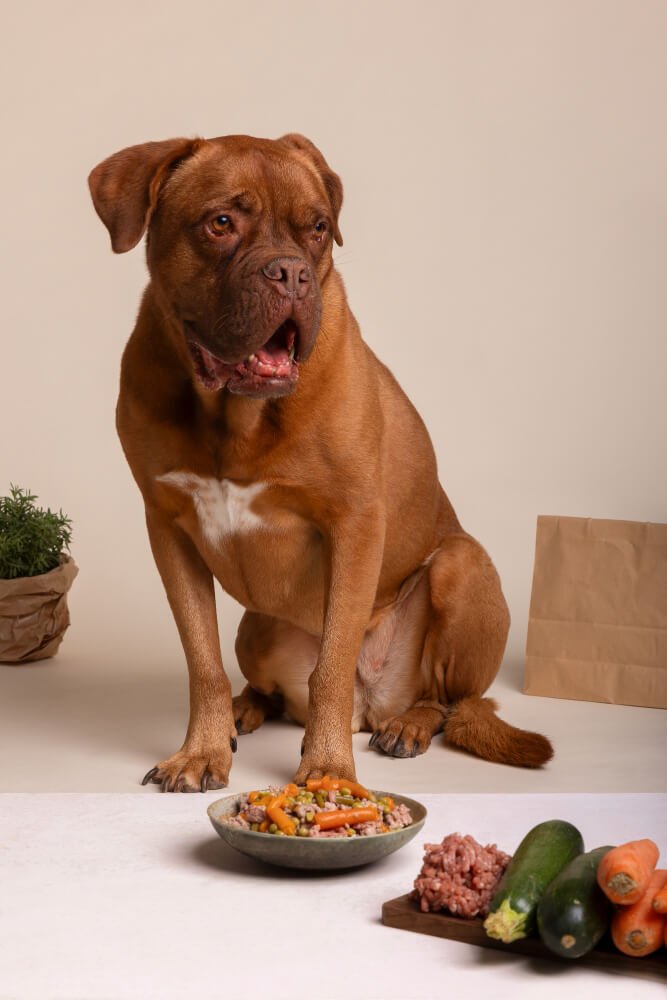

Are you wondering how many cups of homemade dog food you should be serving your furry friend each day? You're not alone.
As a devoted pet owner, you're committed to ensuring your dog receives the best nutrition possible. But determining the right portion size can feel like a guessing game. You might worry about overfeeding or underfeeding, and the last thing you want is to compromise your dog's health.
This blog post will guide you through the simple steps to calculate the perfect amount of homemade dog food your dog needs daily. Stick around, and you'll discover how to keep your pup healthy and happy with just the right serving size.

Credit: www.justfoodfordogs.com
Factors Influencing Dog Food Amount
Determining the right amount of homemade dog food depends on several key factors. Each dog has unique needs influenced by their body and lifestyle. Understanding these factors helps provide balanced meals that keep dogs healthy and happy.
Portion sizes vary widely among dogs. Paying attention to breed, size, age, activity level, and health conditions ensures proper nutrition. Adjusting food quantity based on these elements supports your dog's well-being.
Breed And Size
Large breeds require more food than small breeds. Bigger dogs burn more energy and need extra calories. Small breeds eat less but need nutrient-dense meals. Breed traits also affect metabolism and digestion speed.
Age And Activity Level
Puppies and young dogs need more food to grow. They require higher calories and protein. Adult dogs with moderate activity eat moderate amounts. Active or working dogs need extra food for energy. Older dogs often need fewer calories due to slower metabolism.
Health Conditions
Health issues impact food intake and type. Dogs with allergies may need special diets. Weight problems require controlled portions. Illness or recovery phases often call for adjusted feeding amounts. Always consider your dog's health before deciding food quantity.
Calculating Daily Food Quantity
Figuring out how much homemade dog food to serve daily can feel tricky. Your dog’s size, activity level, and the recipe's ingredients all play a role. Getting this right ensures your furry friend stays healthy and happy without overfeeding or underfeeding.
Using Body Weight
Start by considering your dog’s body weight. A common guideline suggests feeding about 2% to 3% of their body weight in food each day. For example, a 30-pound dog would need roughly 0.6 to 0.9 pounds of food daily.
Keep in mind, this is just a starting point. Puppies, seniors, or very active dogs may need adjustments. Track your dog’s weight over time and tweak the amount if they gain or lose too much.
Calorie Needs Estimation
Calories matter more than just weight. You want to meet your dog’s energy needs without excess. A simple way is to calculate their Resting Energy Requirement (RER) using this formula:
| RER Formula | Calories per Day |
|---|---|
| 70 x (Body Weight in kg)0.75 | Base calories needed at rest |
Multiply RER by a factor depending on activity level (e.g., 1.2 for inactive, 2.0 for highly active). This gives you a tailored calorie target. Then, check your homemade recipe’s calorie content per cup to decide how many cups to serve.
Adjusting For Homemade Recipes
Homemade meals vary a lot in calories depending on ingredients. One cup of chicken and rice has different calories than a cup with beef and veggies. Use a kitchen scale and nutrition calculator to find the calorie count per cup.
After calculating, adjust the serving size accordingly. If your dog needs 500 calories daily and your recipe has 250 calories per cup, feed two cups per day. Don’t forget to monitor your dog’s weight and energy, then adjust portions if needed.
Balancing Nutrients In Homemade Food
Balancing nutrients in homemade dog food is key to keeping your furry friend healthy and happy. Every ingredient you choose affects your dog’s energy, digestion, and overall well-being. Paying close attention to proteins, fats, carbohydrates, fiber, vitamins, and minerals helps you create a meal that fuels your dog properly.
Proteins And Fats
Proteins are the building blocks for your dog's muscles, skin, and immune system. Good sources include chicken, beef, turkey, and fish. Fats provide energy and help absorb fat-soluble vitamins, so adding healthy fats like fish oil or olive oil is crucial.
Think about your dog’s activity level. A more active dog may need higher protein and fat content to maintain energy throughout the day. Too little fat can lead to dry skin, while too much might cause weight gain. Have you noticed how your dog reacts to different protein sources?
Carbohydrates And Fiber
Carbohydrates supply energy and fiber aids digestion. Sweet potatoes, brown rice, and oats are great carbohydrate options that also provide fiber. Fiber supports regular bowel movements and keeps your dog’s gut healthy.
Be careful not to overload on carbs; some dogs do better with lower carbohydrate diets. Try mixing various fiber sources and observe your dog’s digestion. Have you checked how your dog’s stool changes with different fiber amounts?
Essential Vitamins And Minerals
Vitamins and minerals like calcium, phosphorus, zinc, and vitamins A, D, and E are vital for bone health, coat shine, and immune function. You can add these through vegetables, fruits, and supplements if necessary.
Balancing these nutrients can be tricky. Too much calcium, for example, can harm your dog’s kidneys. Consulting a vet or canine nutritionist helps ensure your dog’s homemade food meets all their needs. Are you confident your recipe covers these essentials?
Feeding Frequency And Portion Control
Feeding frequency and portion control play a key role in your dog's health. Knowing how many cups of homemade dog food to serve each day depends on your dog’s size, age, and activity. Proper meal timing helps maintain energy levels and digestion. Portion control avoids overfeeding and weight gain. Understanding these factors helps you feed your dog the right amount every day.
Meal Timing Options
Dogs thrive on routine. Feeding at consistent times helps their digestion and behavior. Most dogs eat two meals per day—morning and evening. Puppies often need three to four smaller meals daily. Older dogs may prefer smaller, more frequent meals. Choose a feeding schedule that fits your dog's needs and your daily routine.
Portion Size Tips
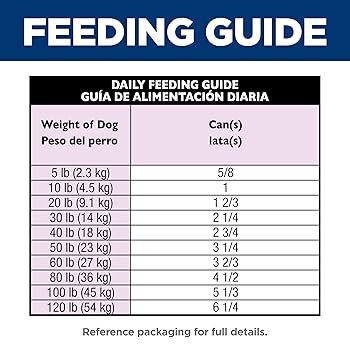
Start with a general guide based on your dog’s weight. Use measuring cups for accuracy. Homemade dog food portions vary by recipe but usually range from 1 to 3 cups per meal for medium dogs.
- Small dogs: ½ to 1½ cups per day
- Medium dogs: 2 to 3 cups per day
- Large dogs: 3 to 6 cups per day
Adjust portions if your dog is too thin or gaining too much weight. Always provide fresh water alongside meals.
Monitoring Dog’s Weight
Check your dog’s weight weekly. Use a scale or visit your vet regularly. Look for changes in body shape and energy levels. A healthy dog has a visible waist and ribs you can feel without pressing hard. If weight shifts, adjust food portions accordingly. Keep notes to track progress and keep your dog healthy.
Signs Of Overfeeding And Underfeeding
Knowing the signs of overfeeding and underfeeding your dog is key to keeping them healthy. It’s not always about the amount of food but how your dog reacts to it. Watch closely for changes that might tell you if you’re giving too much or too little.
Weight Changes
One of the clearest signs is a shift in your dog’s weight. If you notice your dog gaining pounds quickly, it could mean you’re feeding too much. On the other hand, sudden weight loss or a very thin frame often points to underfeeding.
Keep a regular check on your dog’s weight using a simple scale. Comparing photos over weeks can help you spot gradual changes. Are you tracking your dog’s weight regularly?
Behavioral Indicators
Changes in behavior can be a red flag. An overfed dog might become lethargic or less interested in playtime. Conversely, a dog that’s hungry may seem restless, bark more, or beg persistently.
Notice how your dog acts around mealtime. If they seem overly excited or anxious, they might not be getting enough. Have you seen these behaviors in your dog before?
Health Implications
Both overfeeding and underfeeding can cause health problems. Overfeeding can lead to obesity, joint pain, and even diabetes. Underfeeding might weaken your dog’s immune system and slow down their growth, especially in puppies.
Your dog’s coat and skin condition can also hint at nutritional issues. Dull fur or skin infections may mean they aren’t getting the right amount or balance of nutrients. When was the last time you checked your vet about your dog’s diet?

Credit: www.houndsy.com
Adjusting Portions For Special Needs
Adjusting portions of homemade dog food is crucial for dogs with special needs. Each dog's age, condition, and activity level affect how much food they require. Providing the right amount helps keep them healthy and happy.
Puppies And Senior Dogs
Puppies need more food to support their fast growth and high energy. Their meals should be rich in protein and calories. Divide their daily portion into several small meals to aid digestion.
Senior dogs usually need fewer calories due to lower activity. Their metabolism slows down with age. Feed smaller portions and choose easily digestible ingredients.
Pregnant Or Nursing Dogs
Pregnant dogs require extra nutrients to support their puppies. Increase their food portions gradually during pregnancy. Nursing dogs need the most food to produce milk. Offer frequent meals rich in protein and fat.
Dogs With Medical Issues
Some dogs have special health conditions like diabetes or kidney problems. These dogs need tailored food portions and ingredients. Consult a vet for the best portion sizes and diet plans. Monitor their weight and adjust food as needed.
Tools And Resources For Accurate Feeding
Getting the right portion of homemade dog food is essential to keep your furry friend healthy and happy. Using the right tools and resources can make this task easier and more precise. Whether you’re measuring ingredients or calculating daily needs, having reliable aids improves your feeding routine and helps avoid overfeeding or underfeeding.
Measuring Cups And Scales
Accurate measurement starts with the right tools. Measuring cups are handy for volume-based ingredients like rice or vegetables. However, they might not be precise enough for protein or calorie-dense items.
A digital kitchen scale offers more accuracy by weighing food in grams or ounces. This is especially useful if you prepare meals in bulk or need to adjust portions frequently. I once switched to a scale after guessing portions for weeks—it made a noticeable difference in my dog’s weight and energy.
Feeding Apps And Calculators
Technology can take the guesswork out of feeding. Numerous apps and online calculators help you determine the exact amount of homemade food based on your dog’s weight, age, activity level, and health status.
Some apps even track feeding times and portion sizes over days, giving you a clear overview of your dog’s diet. Have you tried using an app to monitor your dog’s meals? It might reveal patterns you hadn’t noticed before.
Consulting Veterinarians
Even the best tools can’t replace professional advice. Your vet can recommend the right daily food amount tailored to your dog’s breed, metabolism, and health conditions.
Discuss your homemade recipes with them to ensure balanced nutrition. Sometimes, small tweaks in ingredients or portion sizes can make a big difference. Do you regularly check in with your vet about your dog’s diet? It’s a step worth adding to your feeding routine.

Credit: www.youtube.com
Frequently Asked Questions
How Much Homemade Dog Food Should I Feed Daily?
Feed your dog 2-3% of its body weight in homemade food daily. Adjust portions based on age, activity, and health. Consult a vet for specific needs and balanced nutrition.
Can Feeding Too Much Homemade Dog Food Harm Pets?
Yes, overfeeding can cause obesity and health issues. Proper portion control is essential to maintain your dog's ideal weight and overall well-being.
How Often Should I Feed Homemade Dog Food Per Day?
Most dogs do well with two meals daily. Puppies may require three to four smaller meals. Consistent feeding schedules support digestion and energy levels.
What Ingredients Should I Include In Homemade Dog Food?
Include lean proteins, vegetables, and grains in balanced proportions. Avoid harmful foods like onions, garlic, and chocolate. Nutritional balance ensures your dog's health and vitality.
Conclusion
Feeding your dog the right amount of homemade food keeps them healthy. Watch their weight and energy to adjust portions. Every dog is different, so check with your vet often. Use simple measuring cups for accuracy and consistency. Fresh ingredients and balanced meals make a big difference.
Stay patient and observe how your dog reacts. This helps you find the perfect daily amount. Caring for your dog’s diet shows love and keeps them happy.