If your dog hates having their nails clipped, you’re not alone—and you’re not helpless. Nail trimming can be stressful for both you and your furry friend, but it doesn’t have to be a battle.
Imagine turning nail clipping time into a calm, easy routine that your dog actually tolerates. In this guide, you’ll discover simple, effective steps to make nail trimming less scary and more manageable for your dog. Keep reading to learn how to keep your dog’s nails healthy without the stress and struggle.

Credit: www.youtube.com
Why Dogs Resist Nail Clipping
Many dogs dislike nail clipping, making it a tough task. Understanding their resistance helps owners handle the situation better. Dogs often avoid nail care due to fear, pain, or bad memories. Recognizing these reasons can ease the process and keep dogs calm.
Common Fears And Sensitivities
Dogs have sensitive paws and feel vulnerable during nail clipping. The sound of clippers can scare them. Some dogs fear being restrained or held down. This fear causes them to resist and try to escape. Sensitivity to touch on paws also makes them pull away quickly.
Past Negative Experiences
Bad past experiences can make dogs dread nail clipping. If clipping caused pain before, dogs remember it well. Rough handling or quick clipping can hurt their nails. This builds anxiety and mistrust for future attempts. Dogs may associate nail clipping with discomfort or punishment.
Physical Discomfort Factors
Physical issues can make nail clipping painful for dogs. Overgrown nails may cause pressure and pain when trimmed. Some dogs have nail infections or injuries that increase sensitivity. Older dogs with arthritis feel discomfort in their paws. These conditions make nail care a stressful event for them.
Credit: vetpetacademy.com
Preparing Your Dog For Nail Trimming
Preparing your dog for nail trimming is essential, especially if your dog dislikes the process. Building trust and creating a positive experience can make nail clipping easier for both of you. This preparation helps reduce stress and makes the entire experience smoother.
Creating A Calm Environment
Start by choosing a quiet place with minimal distractions. Turn off loud noises like the TV or radio to help your dog focus. A calm setting lowers anxiety and makes your dog more cooperative.
Use soft lighting and sit comfortably to avoid rushing. A relaxed atmosphere signals to your dog that this is not a stressful event. Have some treats ready to reward calm behavior.
Getting Your Dog Comfortable With Handling
Before trimming, get your dog used to having their paws touched. Gently hold their paws during play or while watching TV. Touch the nails softly and give treats to create positive associations.
Practice this daily in short sessions. If your dog pulls away, stop and try again later. Patience is key; trust builds over time.
Choosing The Right Tools
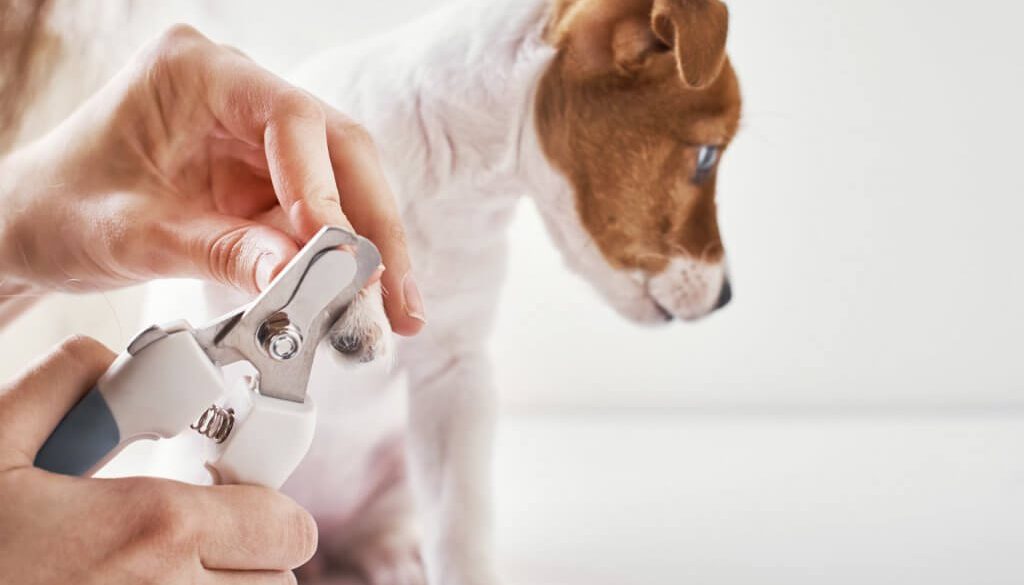
Pick nail clippers designed for your dog's size and nail type. For small dogs, scissor-style clippers work well, while larger dogs may need guillotine-style or electric grinders. Using the right tool makes the job safer and faster.
Keep your tools sharp and clean to avoid crushing nails or causing pain. If your dog is nervous, try a nail grinder, which can be less intimidating than clippers. Have styptic powder nearby in case of accidental cuts.
Techniques To Reduce Stress During Clipping
Clipping a dog’s nails can be stressful for both you and your pet. Using techniques to reduce stress makes the process smoother and safer. These approaches help your dog stay calm and more comfortable during nail trimming.
Using Positive Reinforcement
Positive reinforcement encourages good behavior with rewards. Give treats or praise when your dog stays calm. This builds a positive link between nail clipping and something pleasant. Use a calm voice and gentle touch throughout the session. Reward small steps, like letting you touch the paws or holding the clipper nearby. This approach helps your dog feel safe and confident.
Taking Breaks And Reading Body Language
Watch your dog’s body language closely. Signs like pulling back, shaking, or whining show stress. Stop clipping immediately if your dog seems scared or upset. Take short breaks to let your dog relax. Use these pauses to pet or talk softly to your dog. Breaks reduce anxiety and prevent negative associations. Patience is key to a calm nail clipping session.
Distraction Methods
Distractions can take your dog’s focus off the clipping. Offer a favorite chew toy or a long-lasting treat during the process. Gentle petting or talking can also help ease nerves. Some dogs respond well to a calm environment with soft music. Distraction keeps your dog’s mind busy and lowers stress levels. Choose what works best for your dog’s personality.
Step-by-step Nail Clipping Process
Clipping a dog's nails can be a challenge, especially if your dog resists. A calm and careful approach helps make the process smoother. Breaking the task into clear steps reduces stress for both you and your pet. Preparing the right tools and environment is key before you start.
Proper Positioning And Restraint
Find a quiet, well-lit area to clip your dog's nails. Sit in a comfortable spot where your dog feels secure. Gently hold your dog's paw in your hand. Support the paw firmly but without squeezing. Use a helper to gently hold your dog if needed. Keep your dog's body relaxed to avoid sudden moves.
Clipping Tips For Different Nail Types
Dogs have nails that vary in thickness and color. For clear nails, look for the pink quick inside the nail. Cut small tips to avoid hitting the quick. For dark nails, trim little by little to prevent cutting too deep. Use sharp, clean clippers for a smooth cut. Avoid crushing the nail by using the right tool.
What To Do If You Cut Too Short
Cutting the nail too short can cause bleeding and pain. Stay calm to avoid scaring your dog. Apply a styptic powder or pencil to stop the bleeding quickly. If not available, use cornstarch or flour as an alternative. Hold gentle pressure on the nail until bleeding stops. Keep your dog calm and offer praise and treats.
Alternatives To Traditional Nail Clippers
Not all dogs accept traditional nail clippers easily. Some get scared or restless. Alternatives can make nail care less stressful for both dogs and owners. These options help keep nails trimmed safely and comfortably.
Nail Grinders And Files
Nail grinders smooth nails instead of cutting them. They work by gently filing down the nail tips. This method reduces the chance of cutting too short and causing pain. Grinders also create a smooth edge, which lowers the risk of snagging. Some dogs find the vibration soothing. Start slowly to help your dog get used to the noise and feel.
Professional Grooming Services
Professional groomers have experience with nervous dogs. They use tools and techniques that reduce stress. Groomers can trim nails quickly and safely. This option is good for dogs that resist nail care at home. Regular visits keep nails healthy and prevent overgrowth. Plus, groomers can spot other health issues early.
Regular Walks For Natural Wear
Walking on hard surfaces naturally wears down nails. Concrete and pavement help file nails as dogs walk. This can reduce the need for trimming. Long or frequent walks support nail health. This method is gentle and requires no special tools. It works best combined with occasional nail checks and trims.

Credit: doggielift.com
Maintaining Nail Health Between Trims
Maintaining your dog's nail health between trims helps reduce stress during clipping. Healthy nails grow slower and break less often. Regular care keeps your dog's paws strong and comfortable. Small daily habits make a big difference over time.
Regular Checks And Maintenance
Check your dog's nails every few days. Look for cracks, splits, or uneven growth. Clean nails with a damp cloth to remove dirt. Use a nail file to smooth rough edges gently. This prevents snags and helps nails wear naturally.
Signs Of Nail Problems
Watch for signs like limping or licking paws often. Swollen or red nail beds may indicate infection. Broken or bleeding nails need immediate attention. Changes in nail color or texture can signal health issues. Early detection avoids painful problems later.
Diet And Exercise Impact
A balanced diet supports strong, healthy nails. Nutrients like biotin, zinc, and protein help nail growth. Regular exercise wears nails down naturally, reducing overgrowth. Walking on hard surfaces helps trim nails without stress. Keep your dog's nutrition and activity consistent for best results.
Frequently Asked Questions
How Can I Calm My Dog Before Nail Clipping?
Calm your dog with gentle petting and soft words. Use treats and a relaxed environment. Short sessions help reduce stress and build trust gradually.
What Tools Are Best For Clipping A Dog’s Nails?
Use sharp, high-quality nail clippers or grinders made for dogs. Avoid dull tools to prevent splintering and discomfort. Choose a tool that suits your dog’s nail size.
How Often Should I Clip A Dog’s Nails?
Clip your dog’s nails every 3-4 weeks. Frequent trimming prevents overgrowth and discomfort. Regular checks help maintain paw health and avoid splitting nails.
What If My Dog Resists Nail Clipping Strongly?
Try desensitizing by touching paws daily without clipping. Use treats to reward calm behavior. If needed, seek help from a vet or professional groomer.
Conclusion
Clipping a dog's nails can be challenging. Especially when they dislike it. Patience and understanding are key. Create a calm environment. Praise and reward your dog. Use treats and soothing words. Make nail clipping a positive experience. Practice regularly to build trust.
Gradually, your dog will feel more comfortable. Remember, every dog is unique. Adapt techniques to fit your dog's needs. Safety is important, so be gentle. Stay calm and take it slow. Soon, nail clipping will become easier. Your bond with your dog will grow stronger.
Keep at it, and success will follow!