Are you wondering if feeding your dog in his crate is a good idea? You’re not alone.
Many pet owners ask this question because they want what’s best for their furry friend. Feeding your dog in his crate can have surprising benefits, but it also comes with some important considerations. If you want to make sure your dog feels safe, happy, and well-behaved, keep reading.
This article will help you understand when and how to feed your dog in his crate the right way.
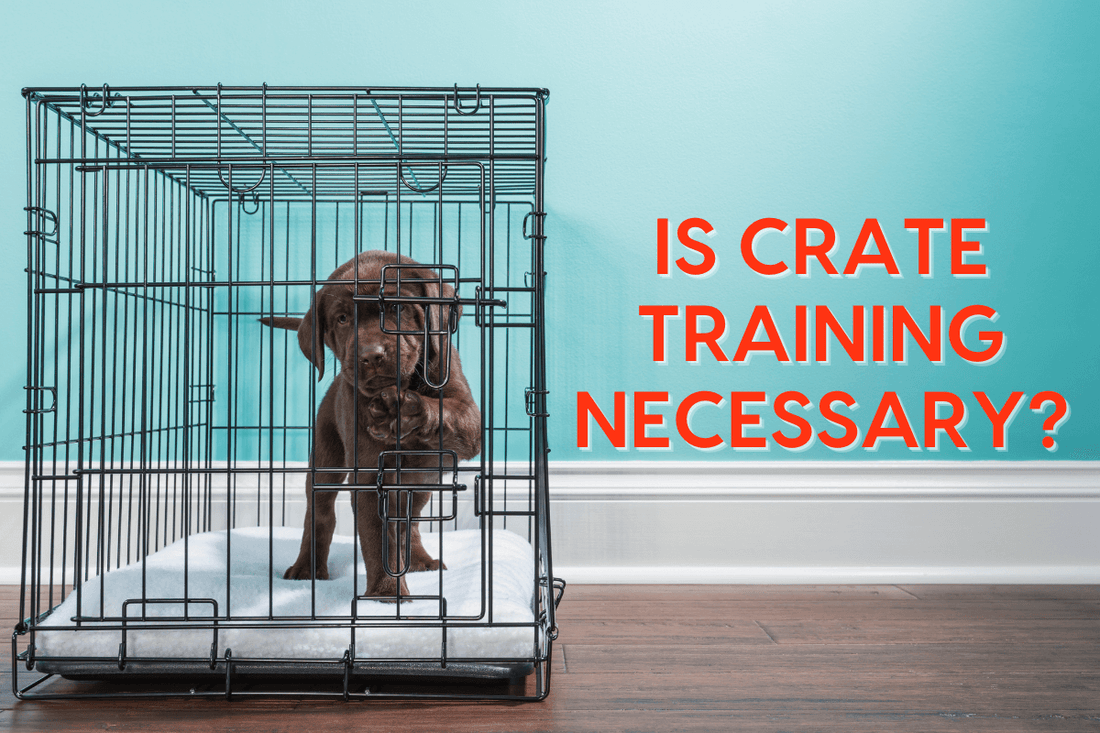
Credit: pupford.com
Benefits Of Crate Feeding
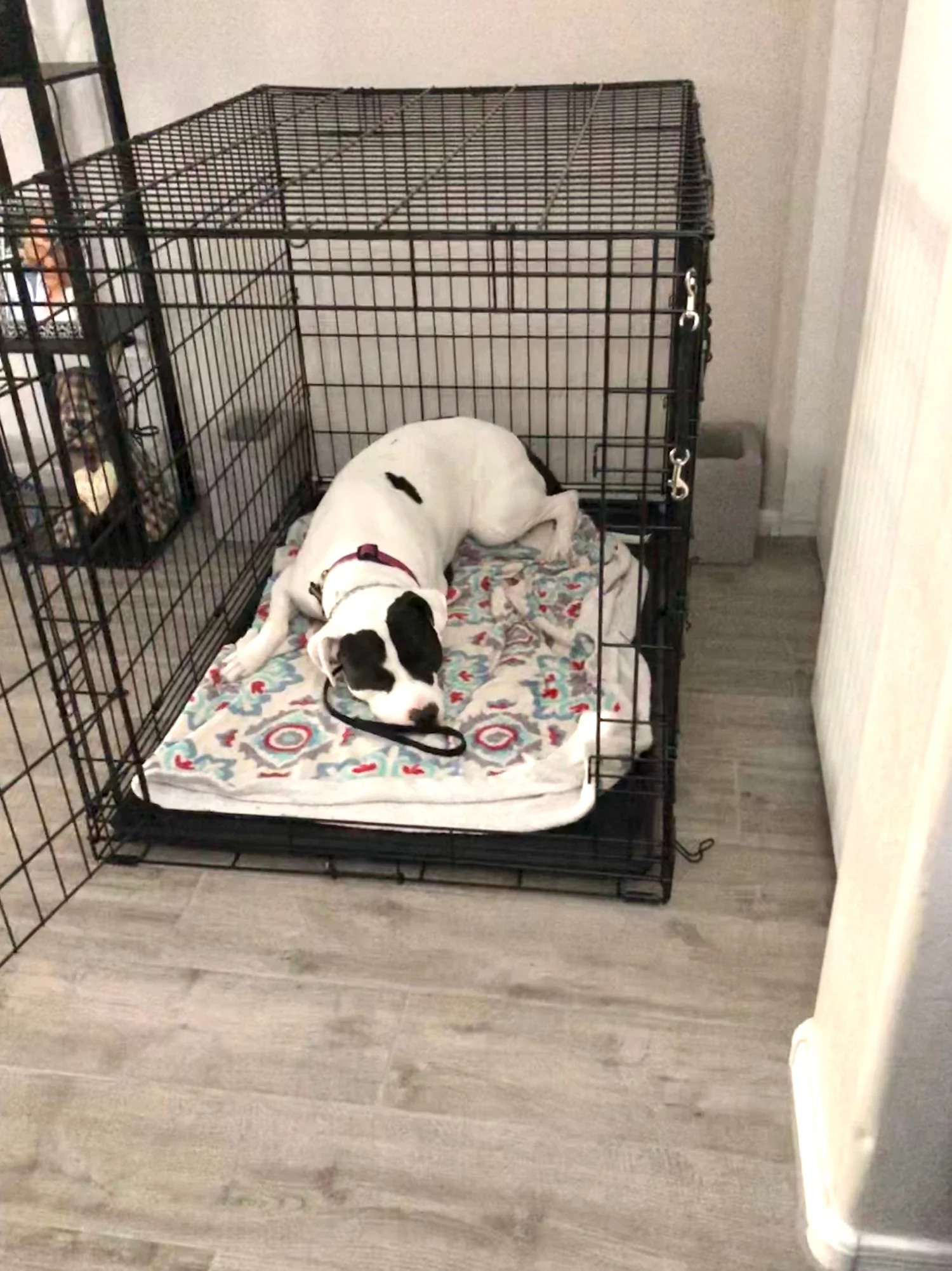
Feeding your dog in his crate offers several benefits that improve his daily life. It creates a calm, safe space for meals and helps build good habits. Crate feeding also supports training and reduces stress around eating times.
Promotes Routine And Structure
Dogs thrive on routine. Feeding inside the crate sets a clear meal time and place. This helps your dog know when to expect food. A consistent schedule makes your dog feel secure and less anxious.
Aids In House Training
Crate feeding reduces messes and accidents. Dogs usually avoid soiling their sleeping area. Feeding in the crate encourages them to hold their bladder. It supports quicker and cleaner house training results.
Reduces Anxiety During Meals
Some dogs feel nervous while eating. The crate acts as a quiet, safe zone. It keeps distractions away and lowers stress. Your dog can eat calmly and enjoy meals more.

Credit: www.petperspective.com.au
Potential Risks Of Feeding In A Crate
Feeding a dog inside its crate might seem convenient but carries certain risks. These risks affect the dog's safety and behavior. Understanding them can help owners make better choices for their pets.
Possibility Of Food Aggression
Some dogs may become protective over their food in a crate. This can cause growling or snapping if disturbed. Feeding in the crate might increase possessive behavior. It can lead to stress for both dog and owner.
Challenges With Crate Size
Crates are often small and limit movement. A cramped space can make eating uncomfortable for the dog. It may also cause mess and stress during meals. An undersized crate is not suitable for feeding.
Risk Of Overeating Or Choking
Dogs might eat too fast in the confined crate space. This can lead to choking or digestive issues. Some dogs feel pressure to eat quickly when alone. Careful supervision is needed to prevent these problems.
Choosing The Right Crate For Feeding
Choosing the right crate for feeding your dog can make mealtime more comfortable and stress-free for both of you. The crate should not only fit your dog's size but also offer a safe and clean environment. Selecting the right features in a crate can turn feeding time into a positive routine.
Size And Comfort Considerations
Your dog's crate must be spacious enough for them to sit, stand, and turn around easily. If the crate is too small, your dog may feel cramped, which can lead to stress during feeding. At the same time, avoid a crate that is too large, as it might encourage your dog to use one corner as a bathroom.
Think about your dog's growth too. Puppies grow fast, so a crate with adjustable dividers can be a great investment. This keeps the crate comfortable and safe as your dog grows.
Material And Safety Features
Choose a crate made from sturdy, non-toxic materials that can withstand your dog’s chewing habits. Metal crates offer durability and ventilation, while plastic crates provide a cozy, den-like feeling. Whichever you choose, check for sharp edges or loose parts that could hurt your dog.
Safety features such as secure latches and rounded corners prevent accidents during feeding times. Have you noticed your dog struggling with crate doors or getting stuck? Make sure the design is user-friendly for both you and your pet.
Easy Cleaning Options
Feeding in a crate can get messy, so opt for crates with removable trays or smooth surfaces that wipe clean easily. Cleaning becomes much easier when you don’t have to dismantle the entire crate. This encourages you to maintain hygiene, reducing the risk of bacteria build-up.
Consider crates with water-resistant materials or washable covers if your dog tends to spill food or water. How often do you clean your dog’s feeding area? A crate designed for easy cleaning can save you time and keep your dog healthier.
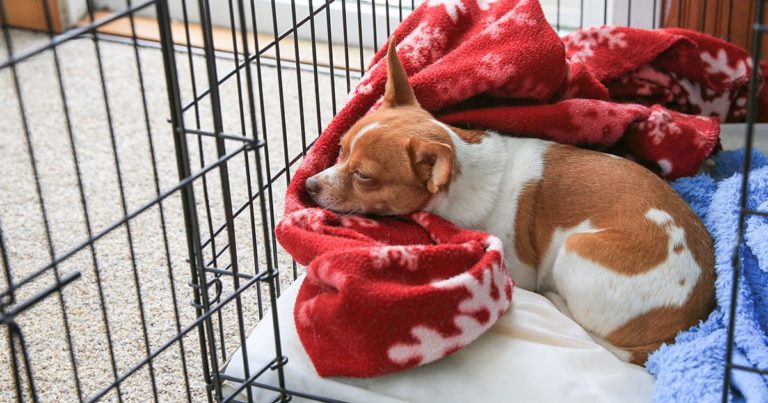
Credit: www.diamondpet.com
Expert Tips For Safe Crate Feeding
Feeding your dog in their crate can create a positive and calm mealtime routine. It helps your dog see the crate as a safe space, not just a place to stay. Safe crate feeding needs care and attention. Follow expert tips to make this practice comfortable and secure for your dog.
Gradual Introduction To Crate Meals
Start by placing your dog's food bowl near the crate. Let your dog eat outside first, close to the crate door. Slowly move the bowl inside the crate over several meals. Allow your dog to enter and exit freely while eating. This gradual approach helps your dog feel safe and relaxed.
Monitoring Your Dog During Feeding
Watch your dog closely during crate feeding. Stay nearby to make sure your dog eats calmly. Avoid closing the crate door until your dog is comfortable. Look for signs of stress like whining or pawing at the door. If your dog seems nervous, pause and try again later.
Using Positive Reinforcement
Reward your dog with praise and gentle petting during crate meals. Use calm words to encourage your dog while eating. Avoid forcing your dog inside the crate. Instead, give treats and affection to build trust. Positive reinforcement makes crate feeding a happy experience.
Alternatives To Crate Feeding
Feeding your dog inside the crate isn’t the only way to manage mealtime. There are other options that might suit your dog’s personality and your daily routine better. These alternatives can make mealtime more enjoyable and less stressful for both of you.
Feeding In Designated Areas
Setting up a specific spot in your home just for feeding creates a clear routine for your dog. This area can be a quiet corner with a mat and bowls, free from distractions. It helps your dog associate that place with eating, which can improve focus and reduce anxiety.
Have you noticed how your dog acts differently when eating in various places? Choosing a calm, consistent spot can make a big difference in their behavior during mealtime.
Using Puzzle Feeders Or Slow Feed Bowls
Puzzle feeders and slow feed bowls turn eating into a fun challenge. They slow down your dog’s eating pace, which aids digestion and prevents gulping. Plus, these tools engage your dog’s brain, providing mental stimulation during every meal.
Think about how much you enjoy solving puzzles or games—your dog does too! Adding this element to feeding time can reduce boredom and destructive behavior.
Supervised Mealtime Practices
Watching your dog while they eat allows you to monitor their behavior and safety. It also gives you the chance to reinforce good manners like sitting patiently before eating. Supervised meals can strengthen your bond and make mealtime a positive experience.
Have you tried sitting with your dog during feeding? It might surprise you how much more relaxed and focused they become with your presence nearby.
Frequently Asked Questions
Can I Feed My Dog Inside His Crate?
Yes, feeding your dog in his crate can create a positive association. It encourages crate comfort and reduces anxiety during mealtime.
Is Feeding In The Crate Good For Crate Training?
Feeding inside the crate helps with crate training. It makes the crate a safe, welcoming space and encourages your dog to enter willingly.
How Often Should I Feed My Dog In His Crate?
Feed your dog in the crate during regular mealtimes. Consistency builds routine and helps your dog feel secure and calm in the crate.
Can Feeding In The Crate Prevent Separation Anxiety?
Feeding in the crate can reduce separation anxiety. It helps your dog associate the crate with positive experiences and safety.
Conclusion
Feeding your dog in his crate can be beneficial. It can create a safe and calm environment. This helps in reducing anxiety and stress during meals. It also encourages good eating habits and minimizes mess. Observing your dog’s comfort is key.
Some dogs may feel confined. Others might appreciate the security. Always ensure the crate is clean and comfortable. Adjust based on your dog’s needs and behavior. Consistency and patience are important. Happy and healthy eating habits lead to a happier dog.
Your dog’s well-being should always be the priority.