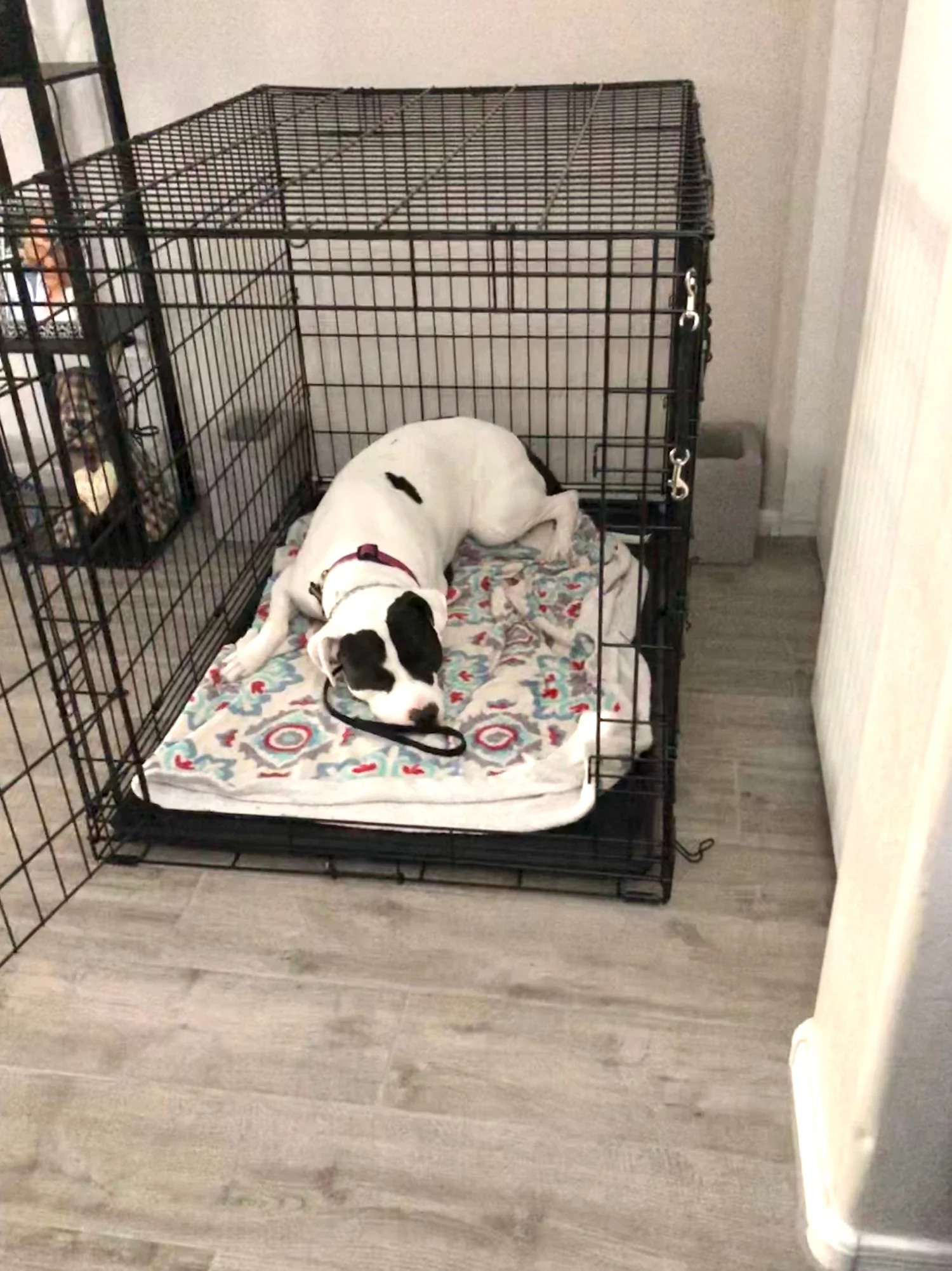
Have you ever wondered why your dog brings his toys to your bed? It might seem like a simple habit, but there’s more to it than meets the eye.
Your furry friend is trying to tell you something—whether it’s about comfort, trust, or even a little bit of playfulness. Understanding this behavior can deepen the bond you share and help you respond in the best way. Keep reading to discover the surprising reasons behind this cute and curious habit.
Dog Behavior And Toy Attachment
Understanding why your dog brings toys to your bed requires looking closely at their behavior and attachment to those toys. Dogs don’t just see toys as playthings; these objects can hold deep meaning and emotional value. Observing this habit can reveal how your dog feels about comfort, security, and their relationship with you.
Why Dogs Love Their Toys
Toys are more than just fun for dogs—they serve several important roles. They help keep dogs mentally stimulated and physically active, which is crucial for their well-being.
Many dogs develop preferences for certain toys because of texture, smell, or the way the toy feels in their mouth. This preference can turn a simple object into a source of joy and engagement.
Comfort And Security
When your dog brings a toy to your bed, it often means they associate the toy with safety. Just like a child clutches a favorite blanket, dogs find comfort in familiar objects.
This behavior can be especially common if your dog feels anxious or is seeking reassurance. The toy becomes a portable source of calm that helps them relax in your presence.
Emotional Bond With Owners
Your dog sees you as a key part of their world, and bringing toys to your bed can be their way of including you in their play or rest time. It’s a form of sharing and bonding.
Have you noticed your dog dropping a toy near you and then looking up as if inviting you to join? This simple act deepens the emotional connection between you and your furry friend.
Credit: pethelpful.com
Seeking Attention And Interaction
Have you noticed your dog carrying toys to your bed and wondered why? This behavior often signals a desire for attention and interaction. Dogs use such actions to connect with you, showing they want to spend quality time together.
How Dogs Communicate Through Toys
Toys are more than just playthings for your dog. When your dog brings a toy to your bed, they’re trying to send you a message. It’s their way of saying, “I want to play,” or “Look at this, it’s important to me.”
Think about how your dog nudges or drops a toy near you. This gentle invitation is a form of communication that many owners miss. Recognizing these cues helps you respond better to your dog’s needs.
Encouraging Playtime
When your dog brings toys to your bed, it’s a perfect moment to start a play session. Playing together not only keeps your dog physically active but also mentally sharp. You can try simple games like tug-of-war or fetch right there, creating fun without needing extra space.
Have you ever noticed how your dog’s energy changes when you ignore the toy? They might become restless or whine softly. Responding by engaging in play not only satisfies their need but also prevents boredom and destructive behavior.
Strengthening Owner-pet Bond
Sharing playtime deepens your connection with your dog. When you take the time to interact, your dog feels valued and loved. This mutual enjoyment builds trust and loyalty over time.
Imagine your dog curling up beside you after a good play session, toy in paw. This simple act reflects contentment and a strong bond. How often do you take advantage of these moments to reinforce your relationship?
Territorial And Protective Instincts
Your dog bringing toys to your bed often ties back to deep-rooted territorial and protective instincts. Dogs see their belongings as part of their safe space, and your bed is a place they trust and feel secure. By combining these elements, your dog is naturally trying to protect what they value most.
Marking Safe Spaces
Dogs use their toys to mark areas they consider safe. When your dog brings a favorite toy to your bed, they’re claiming that spot as part of their territory. It’s their way of saying, “This is mine, and I feel secure here.”
Have you noticed how your dog sometimes nudges or scratches near their toys? This behavior reinforces their scent around your bed, making it a comforting zone. You can think of it as your dog creating a personal sanctuary right next to you.
Guarding Valued Possessions
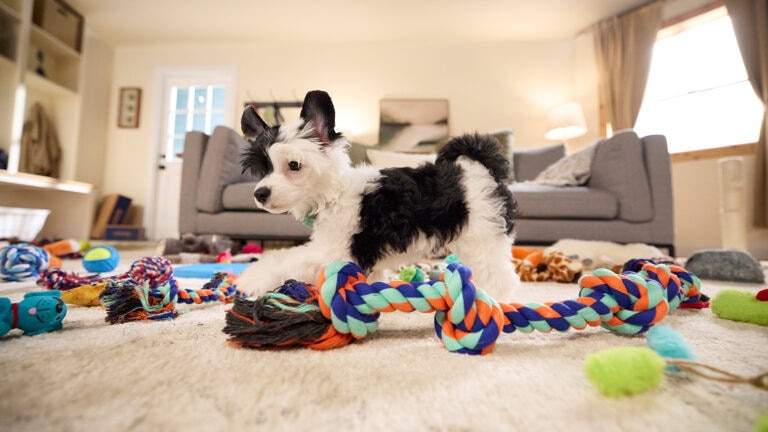
Your dog’s toys are more than just playthings—they’re prized possessions. Bringing these toys to your bed allows your dog to keep a close watch on them. It’s a natural protective action, ensuring nothing happens to their favorite items.
This behavior also shows trust. By placing their valuables near you, your dog signals that they see you as part of their “pack” and a guardian. What toys does your dog choose to bring? Observing this can reveal what they truly treasure.
Credit: www.chewy.com
Stress Relief And Anxiety Management
Dogs often bring their toys to your bed to feel safe and calm. Stress and anxiety affect dogs just like humans. Toys can help them manage these feelings. Understanding why dogs do this can improve your bond and their well-being.
Using Toys For Comfort
Toys act as a source of comfort for dogs. They carry familiar smells that remind them of home. Chewing or cuddling a toy can soothe their nerves. Bringing a toy to your bed makes them feel secure. This behavior shows trust and attachment.
Reducing Separation Anxiety
Many dogs feel anxious when left alone. Toys help reduce this anxiety by keeping them busy. Bringing toys to your bed may ease their fear of being apart from you. It creates a sense of closeness even when you are not near. This habit can lower stress and promote relaxation.
Training And Learned Behaviors
Understanding why your dog brings toys to your bed often ties back to training and learned behaviors. Dogs pick up on cues from their environment and your reactions, which shape how they act over time. These behaviors can be encouraged or discouraged based on your responses and their past experiences.
Reinforcing Positive Habits
When your dog brings toys to your bed, it might be because they learned this gets your attention or praise. If you smile, pet them, or play along, you reinforce that behavior. Think about moments when you encouraged your dog to share toys or be close to you—those small rewards build habits.
Try using positive reinforcement to guide your dog’s behavior. For example, when they bring a toy, say “good job” and offer a treat. This makes your dog more likely to repeat the action because it’s linked to a positive outcome.
How Past Experiences Shape Actions
Your dog’s history influences why they carry toys to your bed. If they were rewarded for bringing items in the past, they will likely continue. Or, if toys are a comfort object from puppyhood, your dog might naturally want them close, especially in safe spaces like your bed.
Consider if your dog experienced separation anxiety or was left alone often before. Bringing toys to you might be a way to feel secure and connected. Have you noticed if this behavior increases during stressful times or changes in routine?

Credit: www.threads.com
Tips To Manage Toy Behavior
Managing your dog’s habit of bringing toys to your bed requires patience and clear boundaries. You want to keep your dog happy while ensuring your personal space stays comfortable. Here are some practical tips that can help you guide your dog’s toy behavior in a positive way.
Encouraging Independent Play
Encourage your dog to enjoy playtime without needing to bring toys to your bed. Provide engaging toys that capture their interest in different areas of the house. Puzzle toys or treat-dispensing toys can keep your dog busy and mentally stimulated for longer periods.
Try rotating toys regularly to keep them exciting. Have you noticed how dogs often lose interest if the same toy stays out all the time? Changing toys can make playtime feel fresh and encourage your dog to play independently.
Designating Toy Areas
Create a special spot where your dog’s toys live. This helps your dog understand where to find and return toys. Use a basket or a small box in a common area, and guide your dog to bring toys there instead of your bed.
Make this area inviting with soft mats or a favorite blanket. Reward your dog with praise or treats when they bring toys to this spot. This builds a positive connection between the toy area and your dog’s behavior.
Balancing Attention And Boundaries
Your dog might bring toys to your bed because they want your attention. It’s important to balance giving attention with setting limits. Spend dedicated playtime with your dog using their toys, then gently redirect them when they try to bring toys to your bed.
Ask yourself: Are you unintentionally encouraging this behavior by reacting every time your dog brings a toy? Being consistent with your response teaches your dog what’s acceptable and what’s not. This balance helps your dog feel loved while respecting your space.
Frequently Asked Questions
Why Does My Dog Bring Toys To My Bed?
Dogs bring toys to your bed to seek comfort and attention. It’s a way to share their favorite items. This behavior shows trust and strengthens your bond with your pet. It also makes them feel safe and secure near you.
Is It Normal For Dogs To Carry Toys To Bed?
Yes, it’s normal for dogs to carry toys to bed. This habit is common among dogs that enjoy playing and cuddling. It helps them relax and feel happy. Carrying toys also satisfies their natural instincts to fetch and protect.
How Can I Encourage My Dog To Bring Toys To Bed?
Encourage your dog by praising them when they bring toys to bed. Use treats and gentle commands to reinforce this behavior. Create a cozy space with toys near your bed. Consistent positive reinforcement helps your dog enjoy this bonding activity.
Does Bringing Toys To Bed Indicate Separation Anxiety?
Sometimes, bringing toys to bed can indicate mild separation anxiety. Dogs may seek comfort from familiar objects when alone. However, it’s usually a sign of affection and attachment. Observe your dog’s overall behavior to determine if anxiety is present.
Conclusion
Understanding your dog's behavior strengthens your bond. Bringing toys to your bed shows love. It also reveals trust. A sign of comfort and safety with you. Dogs express emotions uniquely. Observing this helps you connect better. Encourage this behavior by giving attention.
Play and engage with your dog. They seek affection and companionship. Respond with kindness and love. Create a joyful environment for them. Your dog's happiness reflects care. Cherish these little moments together. They matter. Fostering a loving relationship benefits both.
Enjoy the simple joys your dog brings. It's rewarding.