Are you wondering how long you should feed your furry friend puppy food? It’s a common question that many dog owners face.
Feeding your dog the right food at the right time is crucial for their growth and health. If you keep your puppy on the wrong diet for too long, it could affect their development. On the other hand, switching too soon might leave them missing important nutrients.
You’ll discover exactly when and why to transition your dog from puppy food to adult meals. Keep reading to make sure your dog gets the best start in life—and stays healthy for years to come.
Puppy Food Basics
Understanding the basics of puppy food is essential to giving your growing dog the best start in life. Puppies have unique nutritional needs that change as they develop, so choosing the right food matters a lot. Knowing what makes puppy food special helps you decide how long to keep feeding it before switching to adult dog food.
Key Nutrients In Puppy Food
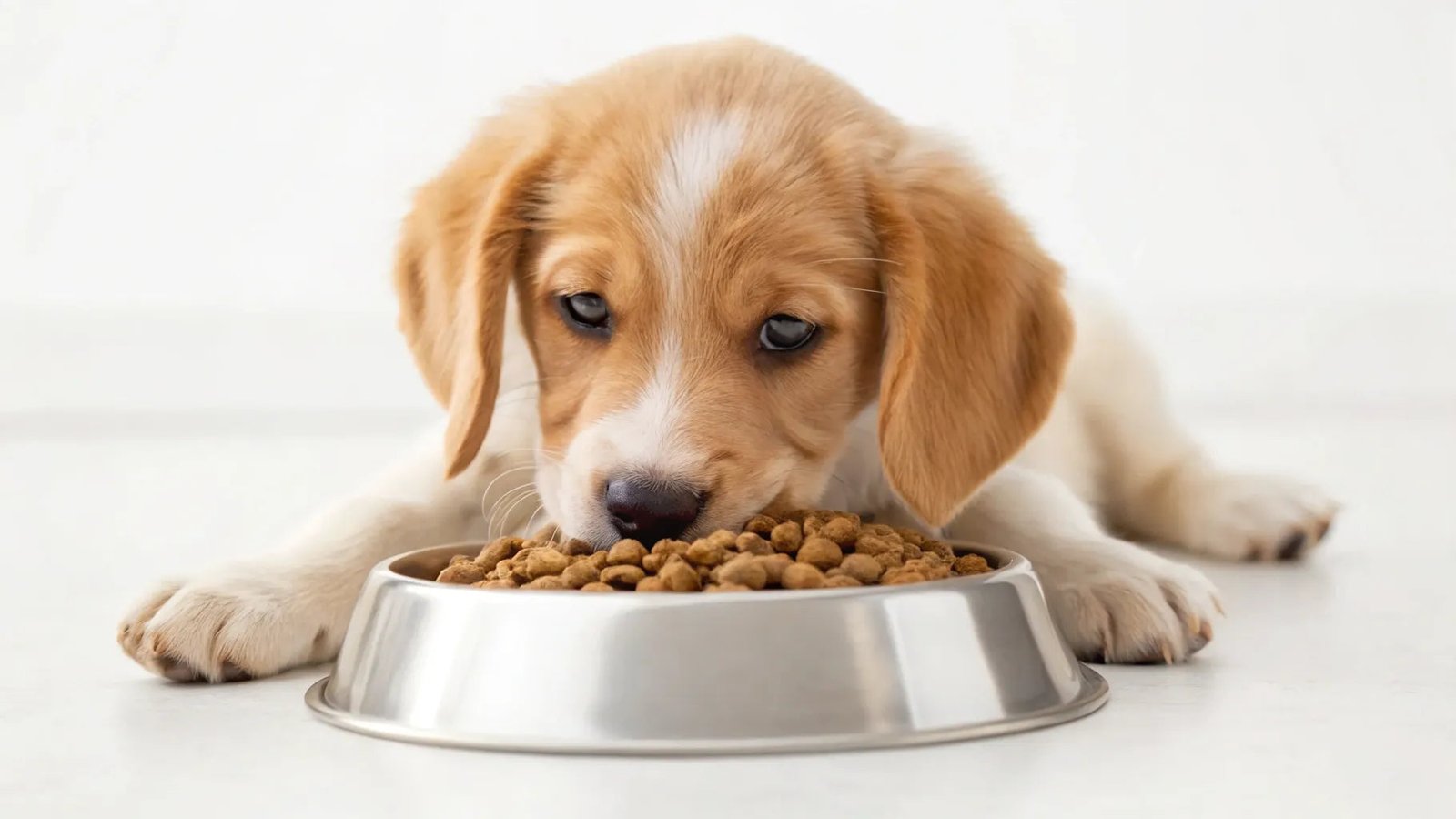
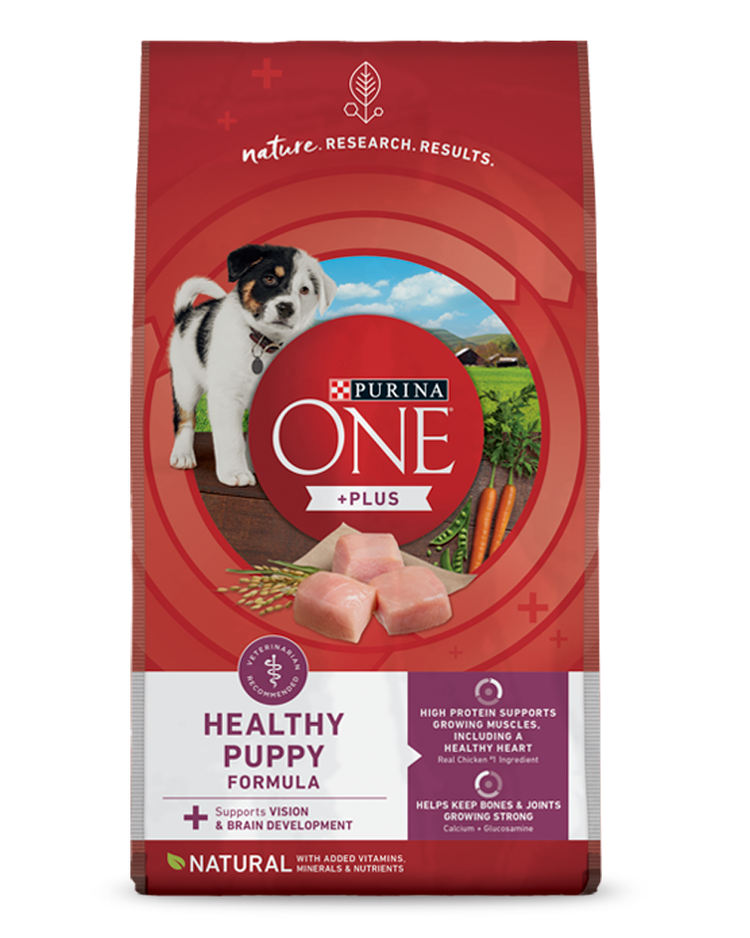
Puppy food is packed with extra nutrients that support rapid growth and development. It contains higher levels of protein to build strong muscles and more fat to provide energy for all that puppy playtime. Calcium and phosphorus are also balanced carefully to help your puppy’s bones and teeth grow healthy.
Vitamins like A, D, and E play important roles in immune health and eyesight, while DHA, an omega-3 fatty acid, supports brain and eye development. Have you noticed how energetic puppies seem? Their food fuels that burst of activity and learning every day.
Why Puppy Food Differs From Adult Food
Puppy food is designed to meet the needs of a growing dog, which differ from those of an adult. While adult dogs require maintenance nutrition to sustain their health, puppies need extra calories and nutrients to support growth spurts and development. Feeding adult food to a puppy can slow growth and affect overall health.
Also, the texture and size of kibble in puppy food are often smaller and softer, making it easier for young dogs to chew and digest. Have you ever tried giving your puppy adult-sized kibble? It might be a struggle for them and could lead to digestive issues.
Understanding these differences helps you make the best feeding choices as your puppy grows into a healthy adult dog. Are you ready to adjust your pup’s diet at the right time?
Credit: www.purina.com
When To Switch To Adult Food
Knowing the right time to switch your puppy from puppy food to adult food is crucial for their growth and health. Feeding them puppy food for too long or switching too soon can affect their development and energy levels. Let's look at how to determine the best moment for this change.
Age Guidelines By Breed Size
Different dog breeds grow at different rates, so age is a helpful but not absolute factor when switching foods.
| Breed Size | Typical Puppy Food Duration |
|---|---|
| Small Breeds (under 20 lbs) | Up to 9-12 months |
| Medium Breeds (20-50 lbs) | Up to 12 months |
| Large Breeds (50-90 lbs) | 12 to 18 months |
| Giant Breeds (over 90 lbs) | 18 to 24 months |
Large and giant breeds take longer to mature, so they need the extra nutrients in puppy food for a longer time. Smaller breeds mature faster, so you can start switching sooner.
Signs Your Puppy Is Ready
Age is a guideline, but your puppy’s behavior and physical signs matter more when deciding to switch foods.
- Slower Growth:If your puppy’s growth rate slows down, it might be time to switch.
- Change in Energy Levels:A drop in high puppy energy could mean they need adult food.
- Weight Maintenance:When your puppy maintains a healthy weight without rapid gain, adult food is appropriate.
- Dental Development:Once most adult teeth have come in, the puppy phase is ending.
I once delayed switching my Labrador’s food because he seemed very energetic. But after consulting the vet, I learned that excessive energy doesn’t always mean they need puppy food. Watching these signs helped me make the right choice for his diet.
Are you observing these signals in your puppy? Paying attention will help you avoid nutritional mistakes and keep your dog healthy and happy.
Transitioning Diets Smoothly
Transitioning your puppy from puppy food to adult dog food needs care and patience. Sudden changes can upset their stomach. A smooth switch helps maintain good digestion and keeps your dog happy.
Gradual Food Changes
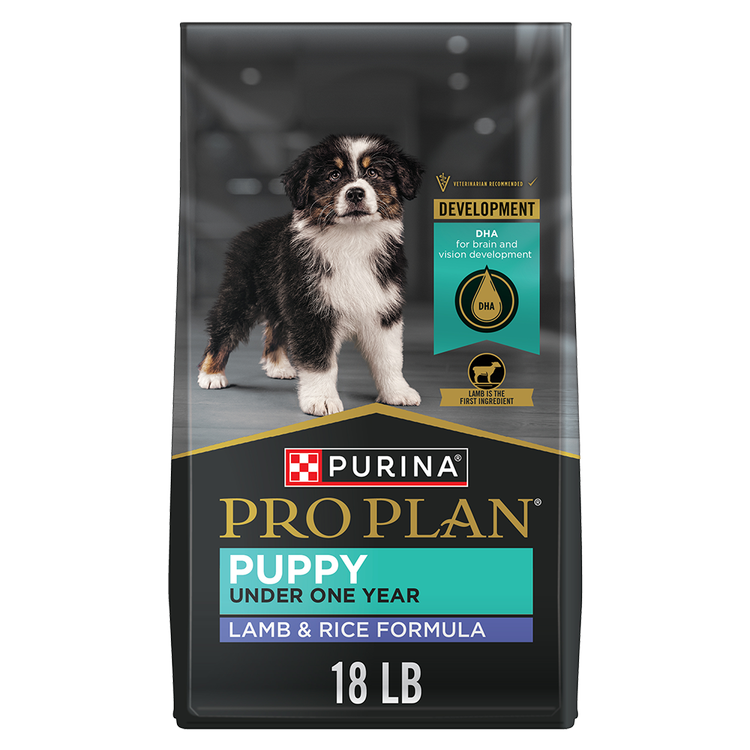
Start mixing a small amount of adult food with puppy food. Increase the adult food portion slowly over 7 to 10 days. Watch how your puppy reacts to each change. This slow process helps your puppy adjust to new flavors and nutrients. It also reduces the chance of digestive issues.
Managing Digestive Sensitivity
Some puppies have sensitive stomachs during diet changes. Look for signs like diarrhea or vomiting. If these occur, slow down the transition. Offer bland foods like boiled chicken and rice for a short time. Keep your puppy hydrated and comfortable. Consult your vet if problems last more than a few days.
Credit: www.purina.com
Feeding Schedule Tips
Setting a proper feeding schedule is key to your puppy's health and happiness. It helps regulate their digestion, energy levels, and growth. Understanding how often and how much to feed your puppy can make a big difference in their development.
Meal Frequency For Puppies
Puppies have small stomachs and high energy needs. You should feed them more often than adult dogs. Typically, young puppies eat three to four times a day.
As your puppy grows, the number of meals can decrease. Around six months, feeding twice a day is usually enough. This schedule helps avoid overeating and keeps their metabolism steady.
Have you noticed how your puppy’s appetite changes throughout the day? Watch their behavior to find the best feeding times. Consistency is important, so try to feed them at the same times every day.
Adjusting Portions As They Grow
Portion sizes should change as your puppy grows. Start with the amount recommended on the puppy food packaging. Then, adjust based on your dog’s breed, activity level, and growth rate.
Watch your puppy's weight and body condition closely. If they seem too thin or too round, tweak the portion sizes accordingly. It’s easier to add a little food than to take away later.
Remember, puppies grow fast but each one is unique. Your feeding plan should reflect your puppy’s specific needs, not just general guidelines. Have you checked your vet recently to make sure your puppy’s diet matches their growth?
Common Mistakes To Avoid
Feeding your puppy the right food for the right time is crucial. Mistakes in feeding can affect growth and health. Knowing common errors helps you avoid problems and keep your puppy strong.
Overfeeding Puppy Food
Giving too much puppy food can cause weight gain and health issues. Puppy food is rich in nutrients for growth, but extra amounts lead to fat, not muscle. Overfeeding stresses the puppy’s organs and joints. Watch portion sizes and follow feeding guidelines carefully. Adjust amounts as your puppy grows and activity changes.
Ignoring Growth Milestones
Puppies grow fast and their needs change quickly. Sticking to puppy food too long or switching too early can harm development. Pay attention to teeth, weight, and behavior to know when to change food. Grow milestones show when your puppy is ready for adult food. Ignoring these signs can cause poor nutrition or digestive problems.

Credit: pupford.com
Special Considerations
Feeding your puppy the right food is crucial, but certain special considerations can affect how long you should keep them on puppy food. Every dog is unique, and factors like health issues or growth rate might require adjustments to their diet timeline. Paying attention to these details ensures your dog grows up healthy and strong without nutritional gaps.
Puppies With Health Issues
If your puppy has health problems such as allergies, digestive issues, or growth delays, their feeding needs might differ. Some puppies may need to stay on puppy food longer to meet extra nutritional demands.
For instance, a puppy with a weak immune system benefits from the higher protein and fat content found in puppy formulas. On the other hand, those with sensitive stomachs might require a special diet that balances nutrients while avoiding ingredients that cause upset.
Have you noticed your puppy struggling with energy or digestion? These signs can mean it's time to rethink their feeding plan.
Consulting Your Veterinarian
Your veterinarian is your best guide when deciding how long to feed puppy food. They can assess your dog’s weight, breed, and overall health to recommend the perfect time to transition to adult food.
Don't hesitate to ask questions during your visits—your vet can suggest tailored feeding schedules and specific brands suited to your puppy's needs. This personalized advice often prevents common feeding mistakes that can impact growth and health.
Could a quick vet check-up today save your puppy from future nutritional issues? It's worth considering, especially if you're unsure about their current diet.
Frequently Asked Questions
How Long Should Puppies Eat Puppy Food?
Puppies typically eat puppy food until they are about 12 months old. Larger breeds may need puppy food up to 18 months. This ensures they get the right nutrients for healthy growth and development during their early life stages.
When To Switch From Puppy To Adult Dog Food?
Switch to adult dog food around 12 months for small breeds. Large breeds may switch between 12-18 months. Consult your vet to choose the best time based on your dog’s breed, size, and health needs.
Can Feeding Puppy Food Too Long Cause Problems?
Yes, feeding puppy food too long can lead to weight gain and nutritional imbalance. Puppy food is rich in calories and nutrients meant for growth, which can be excessive for adult dogs, causing health issues over time.
What Are Signs To Stop Feeding Puppy Food?
Signs include slowed growth, weight stabilization, and reaching adult size. Your vet can confirm when your dog is ready to switch. Watch for changes in energy and appetite as additional indicators.
Conclusion
Feeding your dog puppy food depends on their breed and size. Small breeds transition at 9 to 12 months. Larger breeds might need it up to 18 months. Always consult your vet for guidance. Watching your puppy grow is rewarding.
Proper nutrition ensures healthy development. Keep track of their weight and energy levels. Adjust their diet as they mature. Balanced meals support overall well-being. Remember, every dog is unique. Their needs may vary. Provide love and care along the way.
A happy dog is a healthy dog. Enjoy every moment with your furry friend!