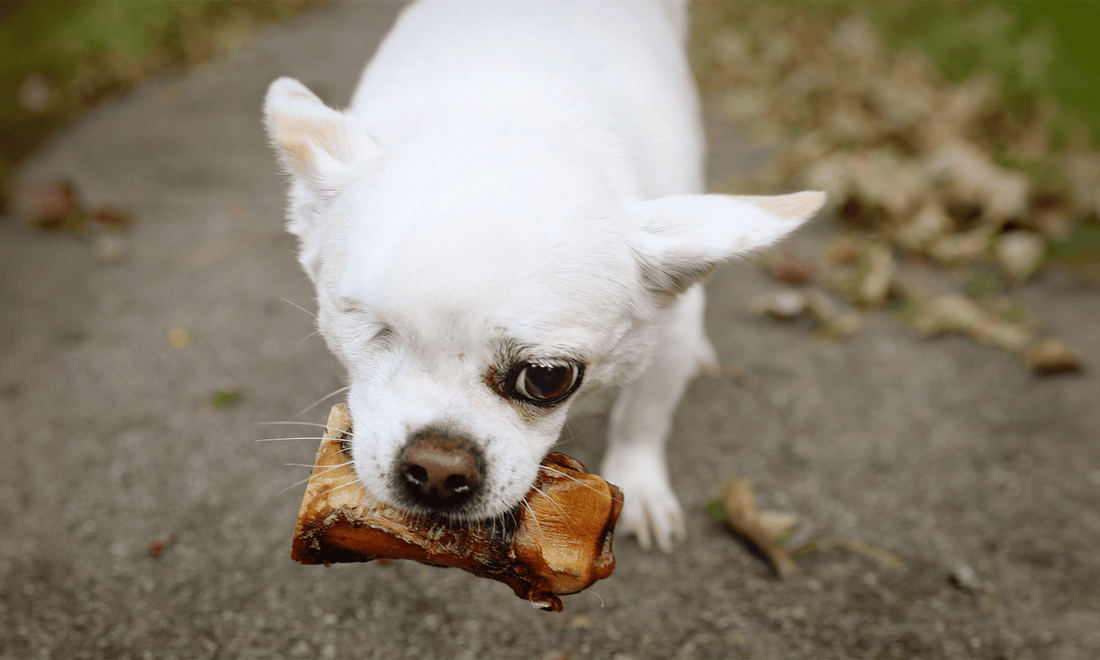
If you’ve ever given your dog a bone, you probably wonder: how long is safe for them to chew on it? Letting your dog enjoy a bone can keep them happy and busy, but too much chewing can cause problems.
You want to keep your furry friend safe and healthy while letting them have fun. You’ll discover the ideal chewing time for your dog’s bone, signs to watch for, and tips to make bone time safe and enjoyable. Keep reading to protect your dog and make every chew count!

Credit: k9connoisseur.com
Choosing The Right Bone
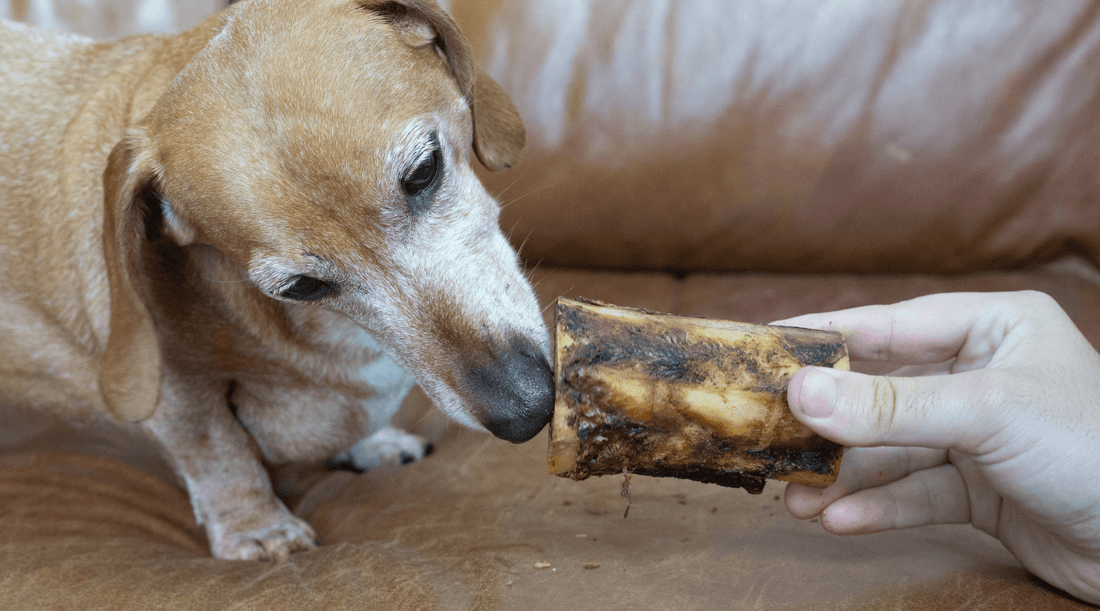
Choosing the right bone for your dog is important for their health and safety. The right bone can keep your dog busy and support dental health. The wrong bone can cause choking or damage teeth. Knowing which bones are safe helps you make the best choice for your pet.
Types Of Safe Bones
- Raw beef or bison bones are strong and less likely to splinter.
- Pork femur bones can be safe if raw and large enough.
- Commercially made bones from nylon or rubber are designed for chewing.
- Antler bones are hard and long-lasting but should be given with caution.
- Always choose bones larger than your dog's mouth to prevent swallowing.
Avoiding Harmful Bones
- Avoid cooked bones; they splinter easily and cause injuries.
- Small bones like chicken or turkey bones pose choking risks.
- Steer clear of bones with sharp edges or brittle texture.
- Discard bones that break into small pieces during chewing.
- Never give bones from wild animals due to bacteria risk.
Credit: k9connoisseur.com
Ideal Chewing Duration
Knowing the ideal chewing duration helps keep your dog safe and happy. Chewing bones is great for dental health and mental stimulation. But too much chewing can cause problems. Finding the right balance is key.
Signs Your Dog Is Tired
Watch for these signs to know when your dog needs a break:
- Slowing down or losing interest
- Dropping the bone frequently
- Yawning or resting more often
- Excessive panting or tired breathing
- Swollen or sore gums
Stopping chewing at these signs prevents injury and discomfort.
Recommended Time Limits
Most dogs should chew bones for 10 to 20 minutes at a time. Puppies need shorter sessions, around 5 to 10 minutes. Older dogs may chew less, depending on their energy level.
Limit chewing sessions to two or three times daily. Always supervise your dog during chewing. Remove the bone if it becomes small or sharp. This reduces choking risks and digestive issues.
Monitoring Your Dog
Keeping a close eye on your dog while they chew on a bone is crucial. Even if your dog seems experienced, bones can still pose risks that you might not notice right away. Monitoring helps you catch potential problems early and ensures your dog’s chewing time remains safe and fun.
Watching For Choking Hazards
Bones can splinter or break into small pieces that might get stuck in your dog’s throat. Always watch for signs like coughing, gagging, or difficulty breathing. If your dog suddenly stops chewing or pawing at their mouth, it’s a red flag that something could be wrong.
Keep in mind that some bones are safer than others. For instance, large beef bones tend to be less risky than small poultry bones that break easily. Are you sure the bone size matches your dog’s chewing strength? This question can help you prevent choking before it happens.
Checking For Teeth Damage
Dogs love to chew hard bones, but this can sometimes lead to cracked or broken teeth. After chewing sessions, inspect your dog’s teeth for any chips, cracks, or unusual wear. You might notice your dog avoiding chewing or showing discomfort, which could indicate dental pain.
Regularly checking your dog’s mouth can help you catch problems early. If you spot damage, switch to softer chew toys or bones designed to protect teeth. How often do you check your dog’s teeth after chewing? Making it a habit can save you vet visits later.
Health Benefits Of Chewing
Chewing on bones offers more than just a way to keep your dog busy. It provides several health benefits that contribute to their overall well-being. Understanding these benefits can help you decide how long to let your dog enjoy their chew time safely and effectively.
Dental Health Improvements
Chewing helps reduce plaque and tartar buildup on your dog’s teeth. The abrasive action scrapes away food particles and bacteria, which can prevent bad breath and gum disease.
Think about how your dog’s teeth look after a good chew session—it’s like a natural toothbrush. But be careful not to leave your dog chewing for too long, as excessive chewing on hard bones may cause tooth fractures.
Mental Stimulation
Chewing keeps your dog’s mind active and focused. It challenges their problem-solving skills as they work to gnaw and break down the bone.
Dogs often feel calmer and less anxious after chewing because it channels their energy productively. Have you noticed how your dog seems more relaxed after chewing? That’s their brain getting a healthy workout.
When To Remove The Bone
Knowing when to remove a bone from your dog is very important. Bones can be fun and good for their teeth. But chewing too long can cause problems. Watch your dog and the bone closely. Take the bone away at the right time to keep your dog safe and happy.
Bone Splintering Signs
Check the bone often for cracks or sharp edges. Splinters can hurt your dog’s mouth and stomach. Look for small pieces breaking off. If the bone looks rough or jagged, it is time to remove it. Never let your dog chew a broken bone.
Behavioral Changes
Watch your dog’s behavior while chewing. If your dog stops chewing suddenly, it may feel pain. Signs include whining, pawing at the mouth, or refusing the bone. Drooling more than usual can also be a sign. Remove the bone if your dog acts uneasy or upset.

Credit: tibetandogchew.com
Alternatives To Real Bones
Real bones can be risky for your dog—they might splinter, cause choking, or damage teeth. Luckily, there are safer alternatives that still satisfy your dog's natural urge to chew. These options can keep your furry friend entertained and healthy without the hazards that come with real bones.
Synthetic Chew Toys
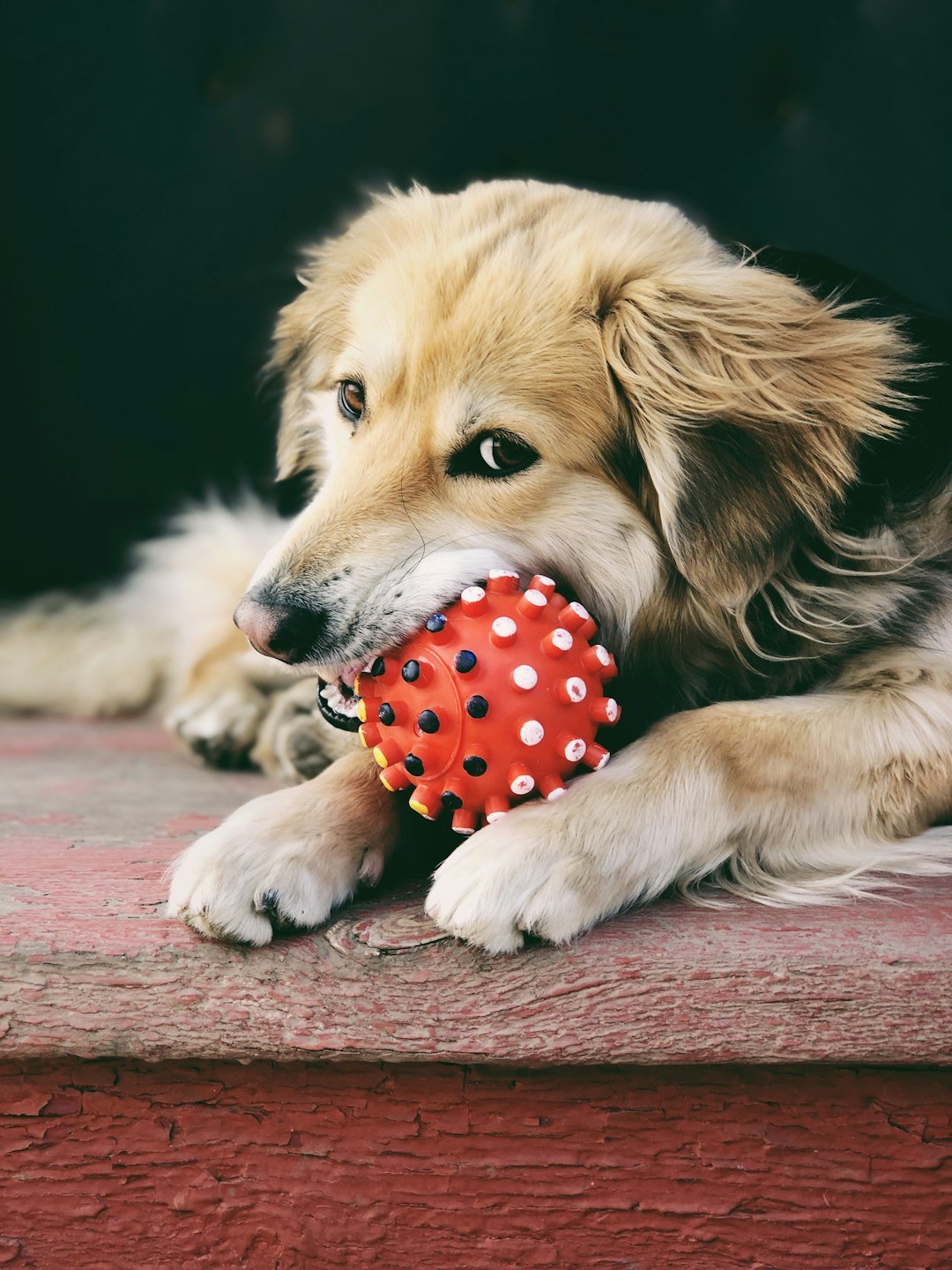
Synthetic chew toys come in a variety of shapes, sizes, and textures designed to withstand even the most aggressive chewers. Made from durable materials like rubber or nylon, they don’t splinter and are less likely to cause dental damage.
Look for toys labeled as non-toxic and suitable for your dog’s size and chewing strength. Some toys even have flavors infused to keep your dog interested longer.
Have you noticed how your dog spends more time with a chew toy that has an unpredictable texture? That’s because variety keeps their brain engaged and teeth busy.
Edible Chew Options
Edible chews are a tasty alternative that can also promote dental health by reducing plaque and tartar. Options like dental sticks, bully sticks, or dehydrated animal parts offer a safe way for your dog to enjoy chewing without real bone risks.
Keep an eye on the ingredients to avoid anything artificial or harmful. You can even rotate different edible chews to find what your dog prefers most.
Ever tried freezing a dental chew? It slows down the chewing process and makes the treat last longer, giving your dog more satisfaction and you more peace of mind.
Cleaning And Storage Tips
Cleaning and storing your dog’s bone properly keeps it safe and fresh. It helps avoid bacteria buildup that can harm your dog. Good hygiene and storage extend the bone’s life. Follow simple steps to keep the bone clean and ready for chewing.
Maintaining Bone Hygiene
Rinse the bone under warm water after each use. This removes saliva and food bits. Use a brush with soft bristles to clean deep grooves. Avoid soap or chemicals that can be harmful to dogs. Let the bone air dry completely before giving it back. Check for cracks or splinters that could hurt your dog. Throw away the bone if it shows damage or bad smell.
Proper Storage Methods
Store the bone in a clean, dry place. Use a sealed container or plastic bag to protect it from dust and pests. Keep the bone in the fridge if you want to extend freshness. Avoid leaving bones in warm, humid places where bacteria grow fast. Label the container with the date to track usage time. Replace the bone every few weeks for safety and hygiene.
Frequently Asked Questions
How Long Should Dogs Chew Bones Safely?
Dogs should chew bones for 10 to 15 minutes at a time. Supervise to prevent choking or damage. Limit chewing sessions to avoid tooth wear or digestive issues.
Can Dogs Chew Bones All Day Long?
No, chewing bones all day can harm your dog's teeth and stomach. Limit to short, supervised sessions to keep your dog safe and healthy.
What Are Signs To Stop Dog From Chewing Bone?
Stop when your dog shows teeth sensitivity, breaks the bone, or starts swallowing large pieces. Also, end chewing if your dog appears tired or disinterested.
Are Cooked Bones Safe For Dogs To Chew?
Cooked bones are unsafe as they splinter easily and can cause injuries. Always provide raw, vet-approved bones for chewing to avoid health risks.
Conclusion
Finding the right chewing time for your dog is important. It ensures safety and health. Monitor your dog while they chew. Look for signs of wear on the bone. Stop if it becomes small or sharp. Every dog is different in chewing habits.
Consider your pet's size and chewing strength. Always choose safe and appropriate bones. Regularly check for any damage. This prevents accidents. Keep your furry friend happy and safe. A little attention goes a long way. Enjoy bonding moments with your pet.
Happy chewing!