
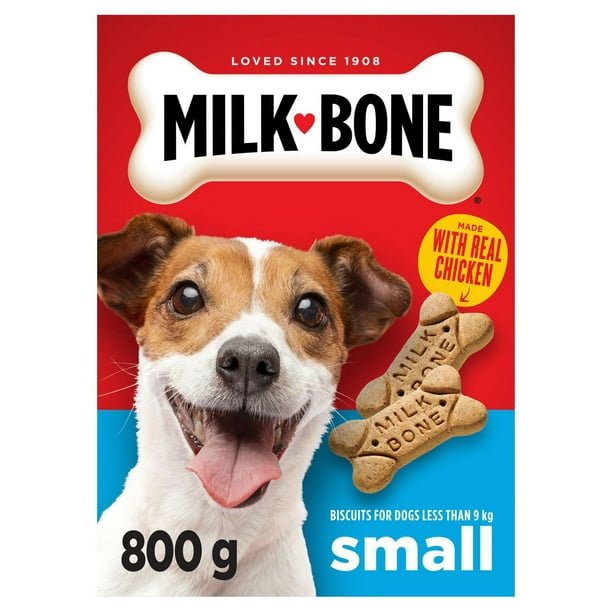
Are you wondering if Milk Bone dog treats are a good choice for your furry friend? You want to give your dog something tasty, but you also want to keep them healthy.
It can be confusing to figure out which treats are safe and nutritious. You’ll discover the truth about Milk Bone treats—what’s really inside them, and how they affect your dog’s health. Keep reading to find out if these popular treats belong in your dog’s bowl or if you should think twice before handing one over.
What Are Milk Bone Treats Made Of
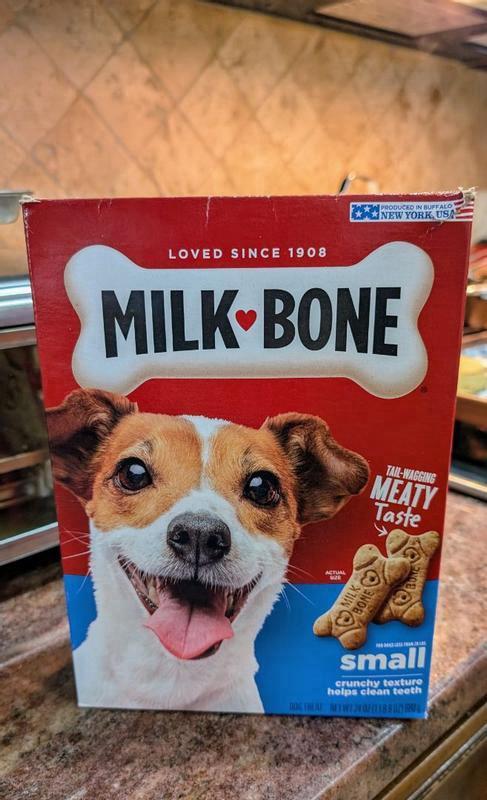
Milk Bone dog treats are popular rewards for many dogs. Understanding what they contain helps decide if they fit your pet’s diet. These treats have a blend of ingredients designed for taste and nutrition. Knowing their components can guide healthy choices for your furry friend.
Key Ingredients
- Whole wheat flour provides the base and fiber.
- Meat and bone meal adds protein.
- Milk powder offers calcium and flavor.
- Vegetable glycerin helps keep treats moist.
- Salt enhances taste and balances minerals.
Nutritional Content
| Nutrient | Approximate Amount | Benefit |
|---|---|---|
| Protein | 12-15% | Supports muscle and tissue health |
| Fat | 5-7% | Provides energy and aids skin health |
| Fiber | 2-3% | Aids digestion and promotes gut health |
| Calcium | 0.8-1% | Strengthens bones and teeth |
Additives And Preservatives
- Mixed tocopherols act as natural preservatives.
- Soy lecithin helps blend ingredients smoothly.
- Artificial colors and flavors are usually avoided.
- No harmful chemicals or BPA are added.
- Small amounts of salt and sugar improve taste.
Credit: www.milkbone.com
Benefits Of Milk Bone Treats
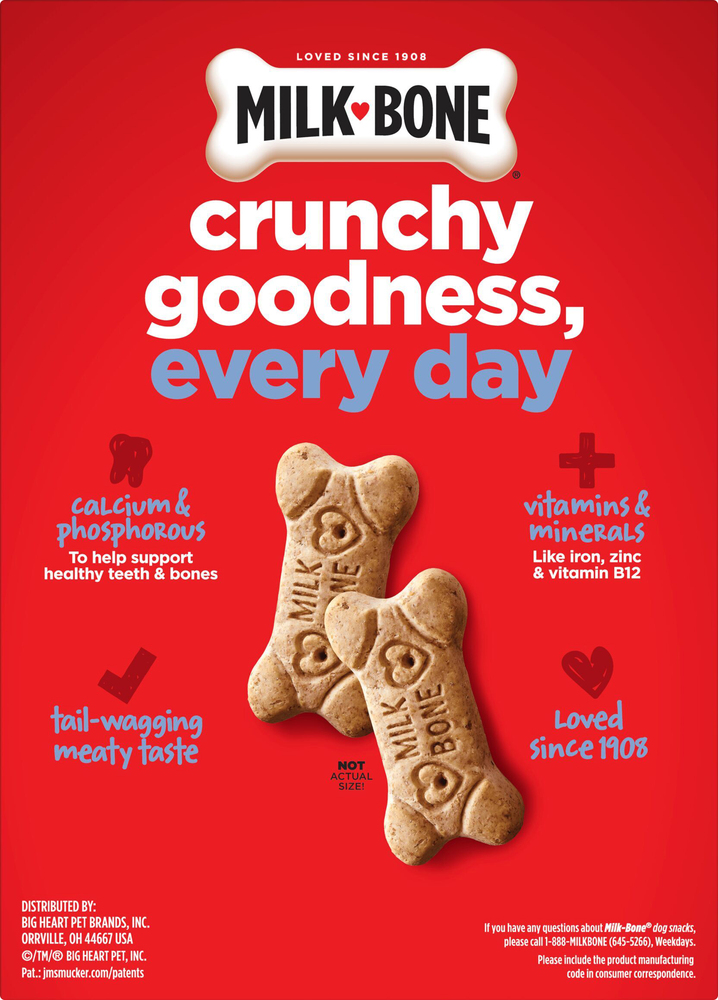
Milk Bone treats offer several benefits for dogs beyond just being tasty snacks. These treats can support your dog's health and behavior in simple, effective ways. Understanding these benefits helps pet owners make smart choices.
Dental Health Support
Milk Bone treats help reduce plaque and tartar buildup. The crunchy texture scrapes teeth gently while your dog chews. This action supports cleaner teeth and fresher breath. Regular chewing on these treats can aid in maintaining good oral hygiene.
Source Of Vitamins And Minerals
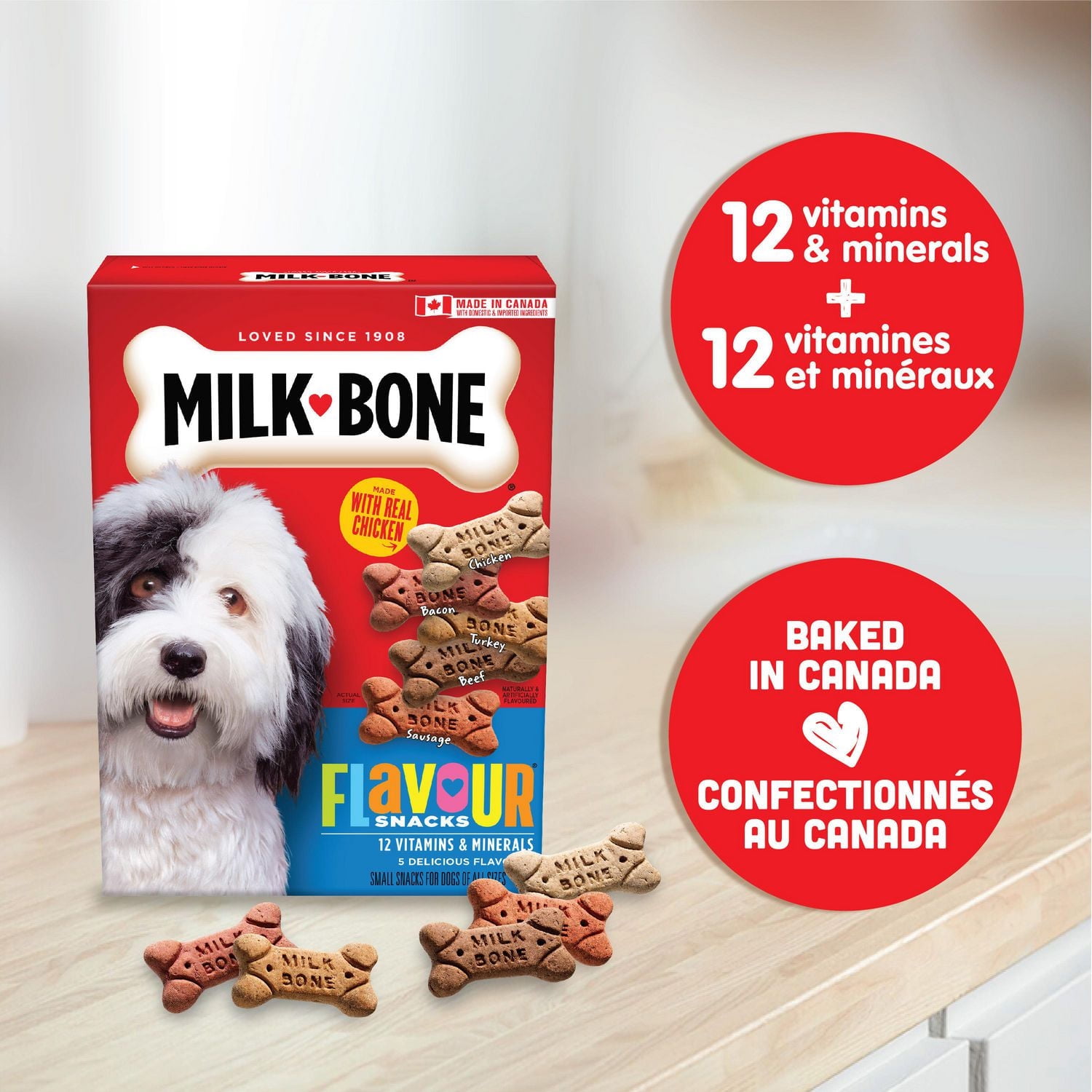
Milk Bone treats contain essential vitamins and minerals. These nutrients support your dog’s overall health. Ingredients like calcium promote strong bones and teeth. Other vitamins help boost the immune system and energy levels. They provide a small but useful nutritional boost.
Training And Reward Uses
Milk Bone treats are perfect for training sessions. Their size and taste motivate dogs to learn new commands. Using treats as rewards encourages good behavior. It also strengthens the bond between you and your pet. Treats make training fun and effective.
Potential Health Risks
Milk Bone dog treats may seem like a harmless snack. Yet, they carry some health risks that pet owners should know. These risks can affect dogs differently depending on their health and diet. Understanding these risks helps in making better choices for your dog's treats.
Allergy Concerns
Some dogs may have allergies to ingredients in Milk Bone treats. Common allergens include wheat, soy, and certain proteins. Allergies cause itching, redness, and digestive upset. Watch for symptoms like scratching, vomiting, or diarrhea. Consult a vet if you notice these signs.
High Calorie Content
Milk Bone treats contain a fair amount of calories. Frequent feeding can lead to weight gain in dogs. Overweight dogs risk heart problems and joint pain. Use treats sparingly to avoid extra calories. Consider your dog's overall daily calorie needs.
Artificial Ingredients Effects
Milk Bone treats include artificial flavors and preservatives. These additives may cause stomach upset in sensitive dogs. Some dogs may also develop long-term health issues. Natural treats often provide safer alternatives. Always check the ingredient list before buying treats.
Comparing Milk Bone With Other Treats
Comparing Milk Bone dog treats with other options helps pet owners make smart choices. Treats vary in ingredients, nutrition, and processing. These factors affect your dog’s health and enjoyment. Understanding differences guides you to better snacks for your furry friend.
Natural Vs Processed Treats
Natural treats use whole ingredients like meat, fruits, or vegetables. They have fewer additives and preservatives. These treats often offer more vitamins and minerals. Processed treats like Milk Bone usually contain artificial flavors and fillers. Processing can reduce nutrient quality. Natural treats tend to be easier on digestion.
Homemade Alternatives
Homemade dog treats let you control every ingredient. You can avoid chemicals and unwanted fillers. Simple recipes use oats, peanut butter, and pumpkin. Baking at home ensures freshness and safety. Homemade treats often cost less and are customizable. They provide a healthy way to reward your dog.
Popular Commercial Options
Besides Milk Bone, many brands offer commercial dog treats. Some focus on grain-free or organic ingredients. Others target dental health or joint support. Popular brands include Blue Buffalo, Greenies, and Wellness. These treats vary in quality and price. Reading labels helps find treats with real benefits.
Feeding Guidelines For Milk Bone Treats
Knowing the right way to feed Milk Bone treats can make a big difference in your dog’s health. These treats are tasty and convenient, but they should be given with care. Let’s look at some clear guidelines to help you keep your furry friend happy and healthy while enjoying their favorite snack.
Recommended Serving Sizes
Milk Bone treats come in various sizes, so it's important to match the serving size to your dog’s needs. Typically, small dogs should get one small treat per day, while medium to large dogs can have one or two, depending on their weight. Overfeeding can lead to extra calories and weight gain, so stick to the portion suggested on the package.
Think about your dog's total daily calorie intake. Treats should only make up about 10% of their daily calories. This way, you avoid upsetting their balanced diet while still rewarding good behavior.
Age And Size Considerations
Puppies, adult dogs, and seniors have different nutritional needs. Puppies need softer treats or smaller pieces to avoid choking and to support growing teeth. Larger dogs can handle bigger Milk Bones, but always supervise to prevent any chewing hazards.
For senior dogs, consider treats that are easier to chew and lower in calories. Have you noticed your older dog slowing down? Adjust treat sizes and types accordingly to support their health without adding unnecessary weight.
Frequency Of Treats
How often you give Milk Bone treats matters. Too many treats can lead to poor eating habits and nutritional imbalance. Aim to give treats no more than once or twice a day, using them mainly as rewards during training or special occasions.
Are you using treats as a way to bond with your dog or just out of habit? Limiting treat frequency helps maintain your dog’s interest and health. Remember, treats are a complement, not a replacement, for a well-rounded diet.
Credit: www.raleys.com
Signs Your Dog May Not Tolerate Milk Bone Treats
Not all dogs react the same to Milk Bone treats. Some dogs may have trouble digesting these snacks or show signs of discomfort. Watching for early signs helps keep your pet safe and happy. Certain symptoms can indicate your dog does not tolerate Milk Bone treats well.
Digestive Issues
Watch for stomach upset soon after eating Milk Bone treats. Signs include:
- Vomiting
- Diarrhea
- Excessive gas
- Constipation
- Loss of appetite
These symptoms suggest your dog’s digestive system struggles with the treat’s ingredients. Stop feeding the treats if these issues appear.
Behavioral Changes
Changes in your dog’s behavior may signal discomfort from treats. Look for:
- Restlessness
- Whining or crying
- Lethargy or low energy
- Refusing treats or food
- Excessive licking or scratching
Such behavior could mean the treats upset your dog’s system or cause mild pain.
Allergic Reactions
Milk Bone treats can cause allergies in some dogs. Common allergic signs include:
- Itchy skin or rashes
- Swelling of face or paws
- Red or inflamed eyes
- Frequent sneezing
- Difficulty breathing in severe cases
Allergic reactions require quick attention. Stop treats and consult a vet if these appear.
Credit: www.walmart.ca
Frequently Asked Questions
Are Milk Bone Treats Safe For All Dog Breeds?
Milk Bone treats are generally safe for most dog breeds. However, always check ingredient lists for allergens. Consult your vet for breed-specific concerns before feeding.
Do Milk Bone Treats Support Dental Health?
Milk Bone treats can help reduce plaque and tartar buildup. They provide mild dental benefits but should not replace regular brushing or professional cleanings.
Can Milk Bone Treats Cause Weight Gain In Dogs?
Yes, overfeeding Milk Bone treats may lead to weight gain. Use them as occasional rewards and balance with a healthy diet and exercise.
What Ingredients Are In Milk Bone Dog Treats?
Milk Bone treats contain wheat, meat by-products, and vitamins. Some varieties have added calcium and antioxidants for overall health support.
Conclusion
Milk Bone dog treats can be both healthy and unhealthy. It depends on your dog's dietary needs. These treats offer essential nutrients and vitamins. Yet, they're also high in calories and preservatives. Balance is key. Consult your vet to determine what's best.
Check ingredients carefully. Opt for treats with fewer artificial additives. Remember, moderation is crucial. Treats should not replace a balanced diet. Your dog's health matters most. Make informed choices for their well-being. Keep your furry friend happy and healthy with mindful feeding.