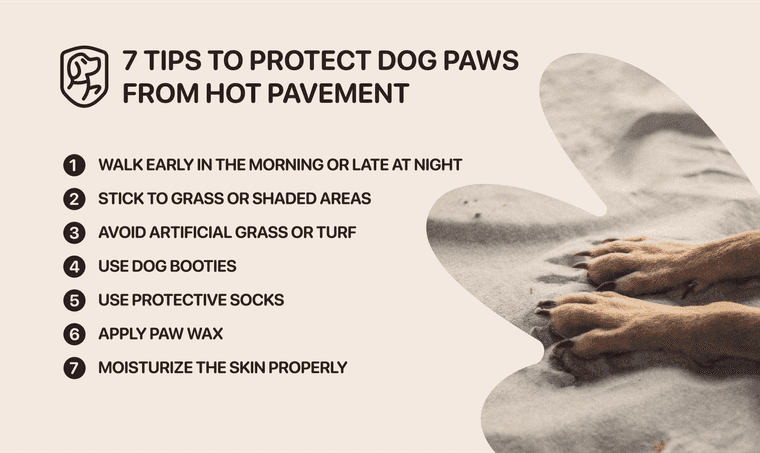
Your dog’s paws are tougher than you might think, but hot pavement can cause serious burns that hurt more than just their feet. If you’ve ever noticed your furry friend limping after a walk on a sunny day, you know how painful this can be for them—and how worried it makes you.
The good news is, you don’t have to feel helpless. You’ll learn simple, effective ways to treat your dog’s paw burns quickly and safely. Keep reading to protect your best friend and help them get back to happy, pain-free walks.
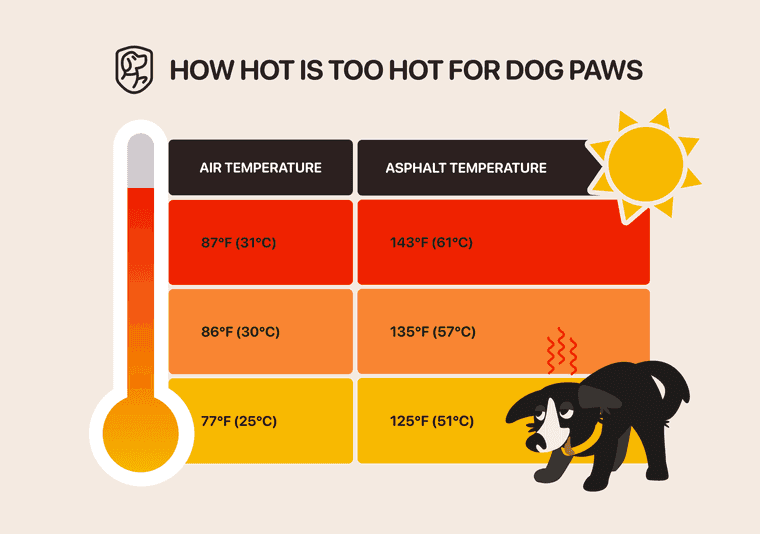
Credit: www.woofz.com
Signs Of Paw Burns
Recognizing the signs of paw burns early can make a huge difference in your dog's recovery. Pavement burns can be painful and may worsen quickly if ignored. Knowing what to look for helps you act fast and protect your furry friend.
Common Symptoms
Burned paws often show clear signs that you can spot at home. Your dog might lick or chew their paws more than usual, trying to soothe the pain.
- Redness and swelling:The pads may look inflamed or puffy.
- Blisters or peeling skin:These are clear indicators of a burn injury.
- Bleeding or raw spots:The skin might crack or bleed if the burn is severe.
- Limping or reluctance to walk:Pain can make your dog avoid putting weight on the injured paws.
Sometimes, your dog may just seem more tired or irritable because of the discomfort. Watch for any sudden changes in behavior—it could be their way of telling you something’s wrong.
When To Seek Vet Help
Not every paw burn needs a vet visit, but some signs mean it's time to get professional care. If the paw looks infected—such as oozing pus or foul smell—don't wait.
- Burns that cover a large area of the paw pads
- Deep wounds or open blisters that don’t heal after a day or two
- Persistent limping or refusal to walk
- Signs of fever or lethargy, indicating your dog might be sick
Have you ever noticed your dog limping after a hot day outside? Sometimes, what seems like simple discomfort can hide a serious injury. If you’re unsure, it’s safer to consult your vet—early treatment can prevent infections and long-term damage.
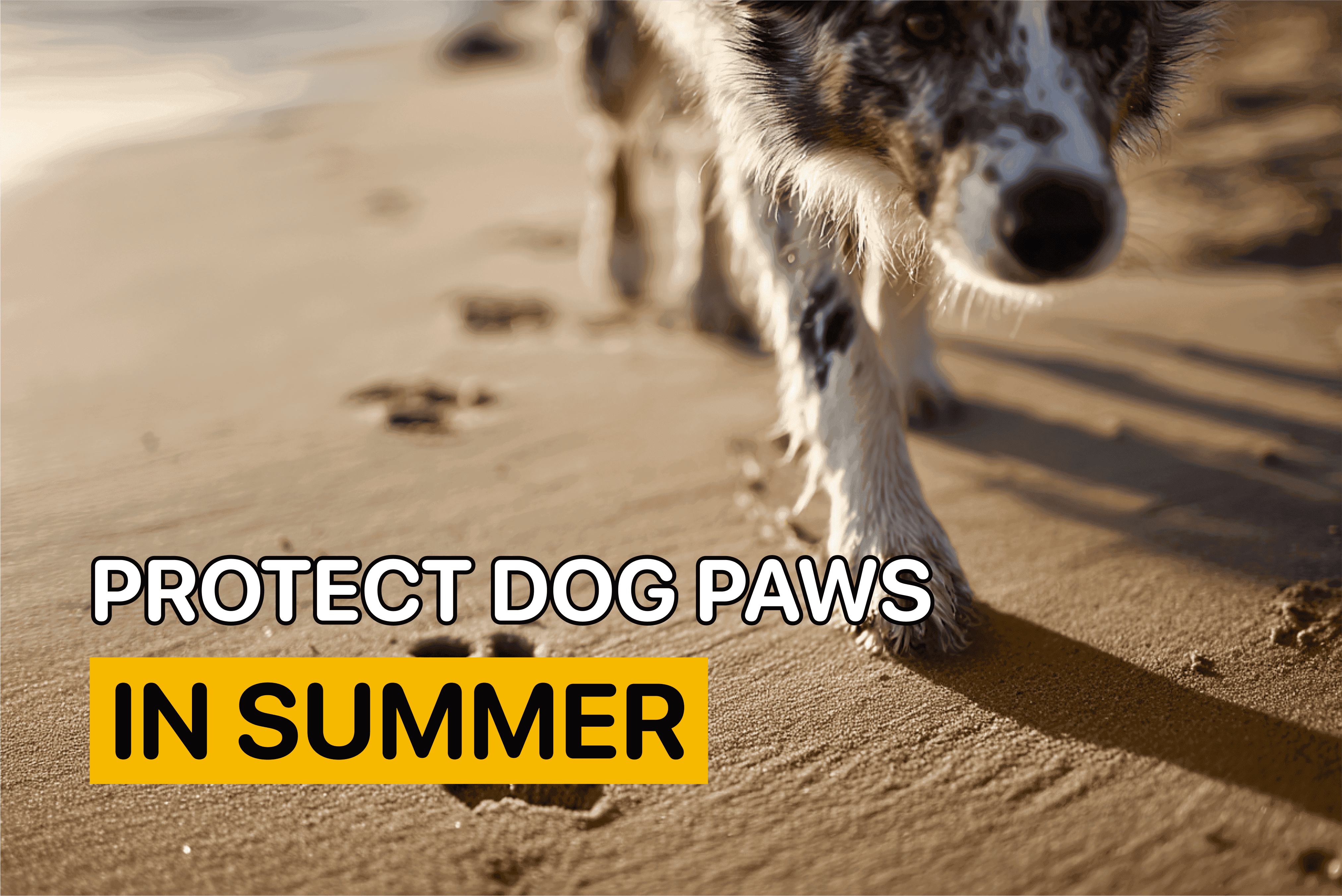
Credit: www.woofz.com
Immediate First Aid Steps
Burned dog paws need quick care to stop pain and damage. Acting fast helps reduce swelling and infection risks. Follow these first aid steps to soothe your dog's paws and start healing.
Cooling The Paws
Use cool water to lower the temperature of the burned paws. Gently pour or soak the paws for 5 to 10 minutes. Avoid ice or very cold water as it may cause more damage. Cooling reduces pain and swelling quickly.
Cleaning The Area
After cooling, clean the paws with mild soap and water. Use a soft cloth or gauze to remove dirt and debris. Avoid scrubbing the burned skin. Dry the area gently by patting it with a clean towel.
Home Remedies For Relief
Burned dog paws need gentle care at home to heal quickly. Treating these burns early can reduce pain and prevent infection. Simple home remedies offer comfort and support recovery. Use safe, natural options to soothe your pet’s paws. Consistency is key for effective relief.
Soothing Ointments
Apply soothing ointments to calm irritated skin. Look for products with natural ingredients like aloe vera or coconut oil. These help moisturize and reduce inflammation. Avoid ointments with harsh chemicals or fragrances. Gently clean paws with cool water before applying ointment. Use a soft cloth to pat dry. Apply a thin layer of ointment to cover the burn completely. Repeat this process twice daily for best results.
Protective Bandaging
Protecting burned paws from dirt and further injury is vital. Use breathable bandages to cover the affected area. Wrap the paw gently without cutting off circulation. Change bandages daily or when they get wet or dirty. Keep your dog indoors or limit walking on rough surfaces. Protective bandaging helps keep ointments in place and speeds healing. Check paws regularly for signs of infection or worsening condition.

Credit: www.rover.com
Preventing Future Burns
Preventing future burns on your dog's paws is key to keeping them safe and happy. Pavement can get extremely hot and cause serious pain or injury. Taking simple steps before walks can protect their sensitive paws and avoid burns. Knowing the right times to walk and using the right gear helps a lot.
Best Walking Times
Choose cooler parts of the day for walks. Early mornings and late evenings have cooler pavement temperatures. Avoid walking during midday or afternoon when the sun is strongest. Check the pavement by placing your hand on it for a few seconds. If it feels too hot for your hand, it is too hot for your dog's paws.
Protective Gear For Dogs
Use protective paw gear to shield your dog's feet from hot surfaces. Dog boots or paw waxes create a barrier against heat. Boots come in various sizes and materials to fit your dog's paws comfortably. Paw wax forms a thin protective layer and is easy to apply before walks. Both options reduce the risk of burns and keep paws clean.
Long-term Paw Care
Protecting your dog's paws after a burn from hot pavement doesn’t end with the initial treatment. Long-term paw care is essential to help your furry friend heal fully and avoid future injuries. Giving consistent attention to their paws can prevent complications and keep them comfortable during walks, even on warmer days.
Regular Inspection
Check your dog’s paws every day, especially after walks. Look closely for redness, cracks, or any signs of swelling. Early detection of issues can stop small problems from becoming painful wounds.
Use a gentle touch to feel for heat or tenderness. If your dog pulls away or seems uncomfortable, it could mean the area isn’t fully healed. Have you noticed how subtle changes in your dog’s gait can hint at paw pain?
Moisturizing And Conditioning
Dry, cracked paw pads can worsen after a burn, so keeping them moisturized is key. Use dog-safe balms that soothe and protect without causing irritation. Avoid human lotions, as they may contain harmful ingredients.
Apply the balm after walks and before bedtime to lock in moisture. Over time, this care helps rebuild the paw’s natural barrier and reduces sensitivity. How often do you think about your dog’s paws as much as their coat or teeth?
Frequently Asked Questions
How Can I Tell If My Dog's Paws Are Burned?
Look for redness, swelling, limping, or licking paws excessively. Burns cause discomfort and visible damage on pads. Early signs help prompt treatment and prevent infection.
What Immediate Steps Should I Take For Paw Burns?
Cool the paws with cold water for 5-10 minutes. Avoid ice directly on skin. Gently dry and apply a clean, non-stick dressing to protect the area.
Which Home Remedies Help Soothe Burned Dog Paws?
Use aloe vera gel or coconut oil for soothing relief. These natural remedies reduce pain and inflammation. Always ensure your dog doesn’t lick the treated area.
When Should I See A Vet For Paw Burns?
Visit a vet if burns are severe, blistered, or not healing. If your dog shows signs of infection or intense pain, seek professional care immediately.
Conclusion
Caring for your dog's paws is essential. Burns from hot pavement can hurt them. Always check the pavement temperature before walks. Try walking in shaded areas or early morning. Use protective booties if needed. Clean and treat burns promptly to prevent infection.
Your furry friend's comfort matters. Keep their paws safe and healthy. Follow these simple steps to ensure their well-being. Happy walking!