
Training your dog to go outside might seem tricky at first, but it’s easier than you think. Imagine never having to clean up indoor accidents again or worry about your dog’s bathroom needs.
You can enjoy a cleaner home and a happier pet with just a few simple steps. You’ll discover clear, practical tips that make the whole process smooth and stress-free—for both you and your dog. Ready to learn how to teach your furry friend the right place to go?
Keep reading, and you’ll be amazed at how quickly your dog catches on.
Credit: www.woofz.com
Choose The Right Spot
Choosing the right spot for your dog to go outside is a crucial part of training. It sets clear expectations and helps your dog understand where they should relieve themselves. Picking the perfect place is about more than just convenience; it impacts your dog’s comfort and your daily routine.
Pick A Consistent Area
Dogs thrive on routine. Selecting one consistent spot helps your dog associate that area with going to the bathroom. Changing locations often can confuse your dog and slow down the training process.
Think about a quiet corner in your yard where distractions are minimal. This makes it easier for your dog to focus. If you live in an apartment, find a nearby patch of grass or a designated pet area outside your building.
Consistency also means using the same spot every time you take your dog out. This repetition builds a strong habit. Have you noticed how your dog begins to recognize the scent of their spot? That scent is a powerful signal for them.
Consider Safety And Accessibility
Safety should be your top priority when choosing a spot. Avoid areas near busy roads or places where your dog might encounter aggressive animals. Your dog needs to feel secure to do their business without stress.
Accessibility matters too. The spot should be easy for you to reach multiple times a day, especially during bad weather or at night. This encourages regular trips outside and reduces accidents inside your home.
Take note of the terrain. A grassy area is ideal, but if it’s muddy or slippery, it might discourage your dog. You want a spot that’s comfortable to stand on and easy to clean up afterward.
Credit: tncim.com
Set A Routine
Setting a routine is key to teaching your dog to go outside. Dogs thrive on consistency. A steady schedule helps them understand when it is time to relieve themselves. This reduces accidents inside the house and builds good habits quickly.
Establish Regular Potty Times
Choose specific times to take your dog outside to potty. Common times include:
- First thing in the morning
- After meals
- Before bedtime
- Every two to three hours during the day
Stick to these times daily. Dogs learn to expect potty breaks. This makes training easier and faster.
Monitor Feeding And Drinking Schedules
Feed and give water at the same times each day. Regular feeding creates a predictable potty schedule. Avoid free feeding or random meal times. This prevents unexpected accidents.
Keep track of when your dog eats and drinks. Note how long after eating they usually need to go out. This helps set better potty break times.
Use Commands And Signals
Teaching your dog to go outside on command becomes much easier when you use clear commands and consistent signals. Dogs respond well to simple words paired with visual cues, helping them understand exactly what you want. Combining verbal commands with hand signals creates a powerful communication tool between you and your dog.
Select A Clear Command Word
Pick a short, distinct word that your dog can easily recognize. Words like "outside,""potty,"or "go" work well because they are straightforward and rarely used in other contexts. Consistency is key—use the same word every time you want your dog to go outside.
Imagine calling your dog with a vague phrase like "Do your business"—it can confuse them. Instead, stick to one clear command so your dog quickly associates it with going outside. Have you noticed how quickly dogs learn to respond when commands are simple and repeated consistently?
Incorporate Hand Signals
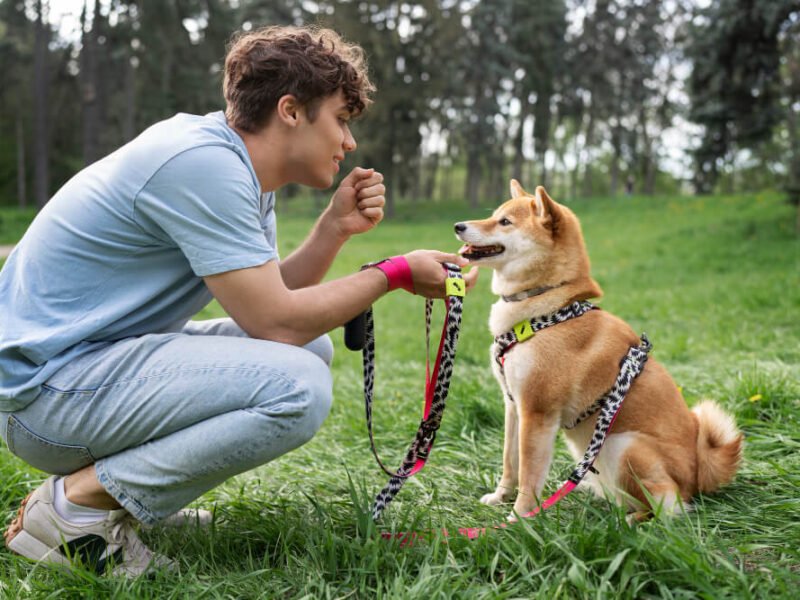
Adding hand signals along with your command word helps dogs who rely on visual cues. Try using a simple motion, like pointing toward the door or making a sweeping gesture downward. Dogs can often understand signals faster than words alone.
When I taught my dog, a quick point at the door became our silent command. This worked great when we were outside or in noisy environments where words might not be heard. What simple hand signal could you use that feels natural to you and your dog?
- Use the same hand signal every time you say your command word.
- Practice the signal alone to see if your dog begins to respond without the verbal cue.
- Reward your dog immediately after they follow the signal to reinforce the behavior.
Combining verbal commands with hand signals creates a clear, consistent message. This helps your dog understand exactly when it's time to go outside, reducing accidents and frustration for both of you.

Credit: www.youtube.com
Reward Desired Behavior
Rewarding your dog for going outside helps build good habits fast. Dogs learn best when they get something positive right after doing the desired action. This makes them want to repeat the behavior. Rewards create a clear connection between going outside and a good outcome. This encourages your dog to choose going outside more often.
Offer Treats And Praise
Use small treats your dog loves as rewards. Give a treat immediately after your dog goes outside. This shows your dog what action earned the reward. Along with treats, use kind words and a happy tone. Say phrases like “Good job!” or “Well done!” Your voice helps your dog feel proud and happy.
Keep treats small to avoid overfeeding. Use healthy snacks or special dog treats. Offer treats only when your dog goes outside. This keeps the reward meaningful and motivates your dog to listen.
Use Positive Reinforcement Consistently
Be consistent with rewards every time your dog goes outside. Do not skip the treat or praise. Consistency helps your dog understand the right behavior clearly. It also speeds up learning and reduces confusion.
Give the reward right after your dog finishes outside. Timing is key to connect the action and the reward. Avoid punishing or scolding if mistakes happen. Focus on praising good behavior to build trust and confidence.
Supervise Indoor Time
Supervising your dog during indoor time is vital for successful outdoor training. Close attention helps catch signs your dog needs to go out. It also prevents accidents before they start. Keeping a watchful eye builds a habit and speeds up the learning process.
Watch For Signs Of Needing To Go
Dogs show clear signals when they need to go outside. Look for these signs:
- Sniffing around the floor
- Circling or pacing
- Whining or barking near the door
- Sudden restlessness or stopping play
Respond immediately by taking your dog outside. This helps your dog connect the feeling with going outdoors. Reward them after they go outside to encourage the behavior.
Limit Access To Problem Areas
Restrict your dog’s access to places where accidents happen often. Use baby gates or close doors to block these areas. This limits chances for mistakes and keeps your home clean.
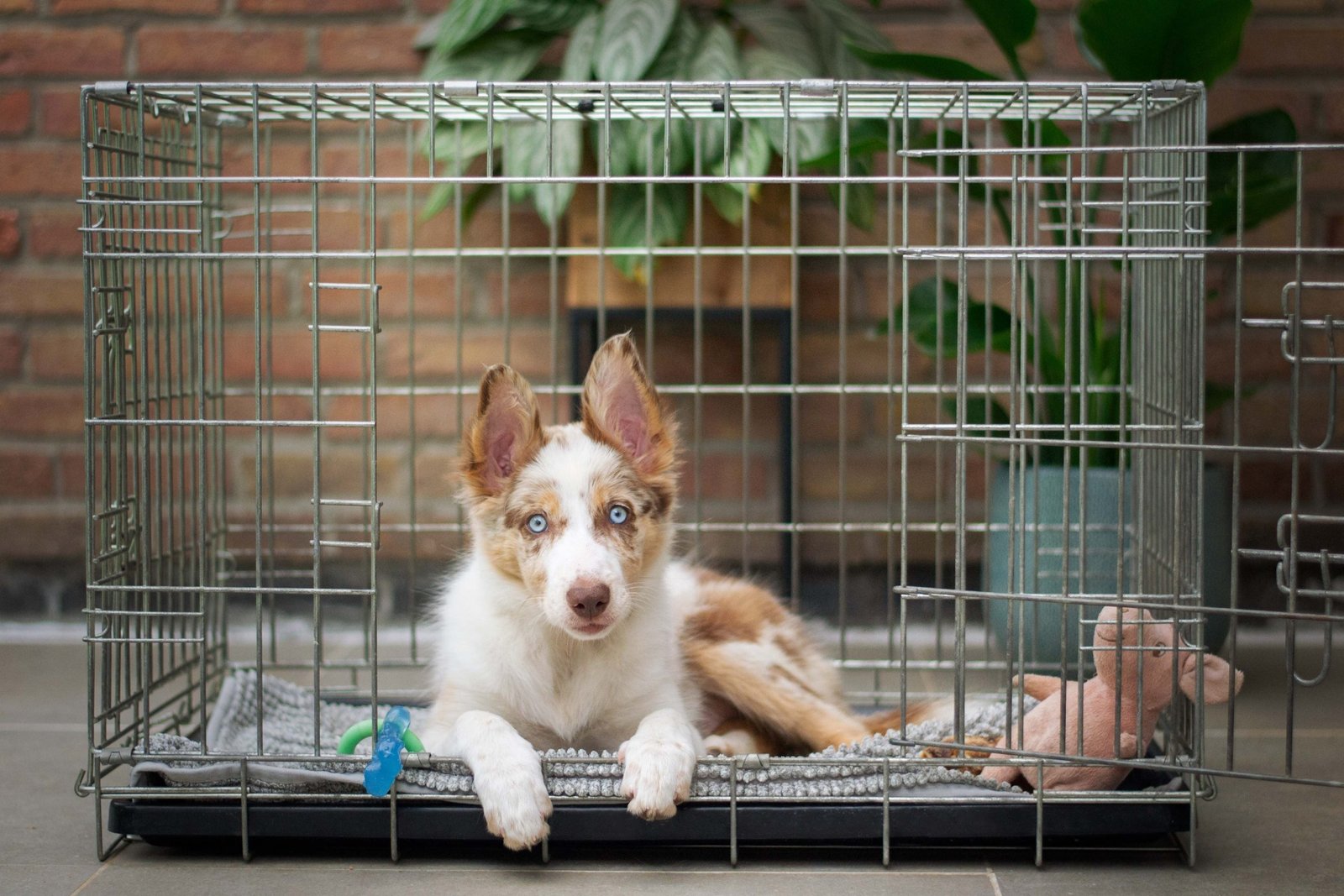
Confine your dog to a small, easy-to-clean space when unsupervised. This also teaches your dog to hold it until you take them out.
Handle Accidents Calmly
Accidents happen, especially when your dog is learning to go outside. How you respond to these moments can make a huge difference in your training success. Staying calm helps your dog understand what you expect without adding stress or confusion.
Avoid Punishment
Yelling or punishing your dog after an accident can create fear and anxiety. Dogs don’t connect punishment with the accident itself—they only feel scared of you. Instead, focus on positive reinforcement when they go outside correctly.
Think about how you react when you make a mistake. Would harsh words help you learn better? Dogs need patience and kindness to build trust and confidence.
Clean Thoroughly To Remove Odors
Dogs rely heavily on smell, so cleaning accidents well is crucial. Use enzymatic cleaners designed to break down urine and feces odors completely. Regular household cleaners might hide the stain but won’t remove the scent that invites your dog to go again in the same spot.
Imagine if your dog’s “accident spot” still smells like a bathroom. Would you want to use that area again? Thorough cleaning helps prevent repeat accidents and supports your training efforts.
Gradually Increase Independence
Building your dog’s confidence to handle bathroom needs independently takes time and patience. Gradually increasing your dog’s independence helps them learn when and where to go without constant supervision. This approach reduces accidents and builds trust between you and your pet.
Extend Time Between Bathroom Breaks
Start by slowly increasing the time between potty breaks. If your dog usually goes every hour, try extending it to an hour and a half. Watch for signs like sniffing or circling, which indicate they need to go.
Be patient if accidents happen during this phase. It’s natural as your dog adjusts to holding it longer. You’ll notice your dog gaining better control and understanding of their schedule over time.
Ask yourself: How long can your dog comfortably wait without stress? Use this as a guide to gradually stretch the intervals.
Encourage Self-initiated Potty Trips
Teach your dog to tell you when they need to go outside. This can be done by rewarding behaviors like barking at the door or bringing you their leash. Positive reinforcement makes your dog more likely to repeat these signals.
Try putting the leash near the door once your dog shows signs of needing to go. If they pick it up or nudge it, open the door immediately and praise them after they go outside. This builds a clear connection between their action and the outcome.
Have you noticed your dog trying to communicate in subtle ways? Encouraging those small signals can save you from accidents and create a smoother routine.
Frequently Asked Questions
How Long Does It Take To Train A Dog To Go Outside?
Training a dog to go outside usually takes 1 to 3 weeks. Consistency, patience, and positive reinforcement speed up the process. Each dog learns at its own pace, so daily practice is essential for success.
What Are The Best Methods To Train Dogs For Outdoor Potty?
Use a consistent schedule, positive reinforcement, and designated potty spots. Take your dog outside frequently, especially after meals or naps. Reward them immediately after they go outside to encourage the behavior.
How Can I Prevent Indoor Accidents During Outdoor Training?
Supervise your dog closely and limit indoor freedom until fully trained. Use crate training or confinement when unsupervised. Clean accidents promptly with enzymatic cleaners to remove odors and discourage repeat incidents.
When Should Puppies Start Outdoor Potty Training?
Start outdoor potty training as soon as puppies are home, around 8 weeks old. Early training helps build good habits quickly. Frequent trips outside and praise for success are key.
Conclusion
Training your dog to go outside is crucial for a happy home. Consistency is key. Stick to a regular schedule. Praise your dog for success. Patience matters. Every dog learns at their own pace. Be calm and encouraging. Avoid harsh words or punishment.
Positive reinforcement works wonders. Treats and affection are great rewards. In time, your dog will understand the routine. A well-trained dog means less stress for everyone. Enjoy the journey together. It's worth it.