Are you wondering how long your dog training sessions should last? Getting the timing right can make all the difference in how well your furry friend learns new skills.
Too long, and your dog might lose focus or get frustrated. Too short, and you might not cover enough to see real progress. You’ll discover the ideal session length that keeps your dog engaged, happy, and eager to learn. Keep reading to find out how to make every minute count during training!
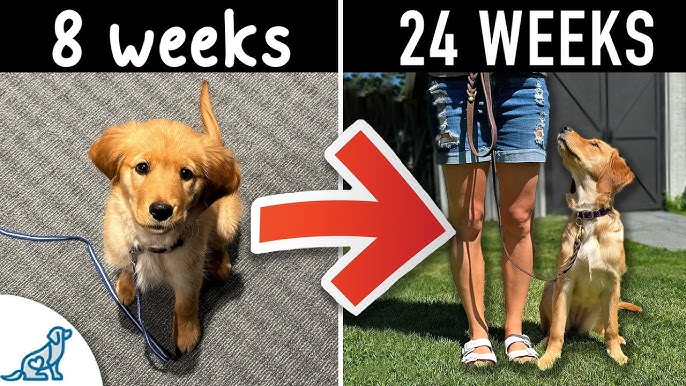
Credit: www.youtube.com
Ideal Session Length
Finding the ideal length for a dog training session can make a huge difference in your dog’s progress and enthusiasm. Too long, and your dog might lose interest or get tired. Too short, and you might not cover enough ground to make a real impact.
Factors Influencing Duration
Several factors affect how long your training sessions should last. Your dog’s attention span is a big one—some dogs can focus for 15 minutes, while others might manage 5 or 10. Environment also matters; a noisy or distracting place can shorten focus time.
Remember, quality beats quantity. Short, consistent sessions often work better than infrequent, lengthy ones. Ask yourself: Is your dog still engaged, or are they zoning out?
Age And Breed Considerations
Puppies usually have shorter attention spans, so sessions of 5 to 10 minutes work best. Older dogs might handle longer sessions, but watch for signs of fatigue or frustration. Some breeds are naturally more energetic or intelligent and can focus longer.
For example, a Border Collie may thrive with 20-minute sessions, while a Bulldog might need shorter, more frequent breaks. Tailoring session length to your dog’s breed and age helps keep training effective and fun.
Training Goals Impact
The type of training also shapes session length. Teaching basic commands like “sit” or “stay” might only need short bursts. Complex skills or behavior modifications, such as agility training or anxiety reduction, could require longer sessions broken into manageable chunks.
Think about your goals: Are you building a foundation or polishing advanced skills? Adjust your session length accordingly to match the mental and physical demands on your dog.

Credit: 307happydog.com
Signs Of Engagement
Knowing the signs of engagement during a dog training session is key to deciding how long your session should last. Dogs communicate a lot through their behavior and energy levels, and tuning into these signals can help you keep training effective and enjoyable for both of you. Recognizing when your dog is focused, tired, or showing specific behavioral cues can save you from pushing too hard or ending too soon.
Recognizing Focus
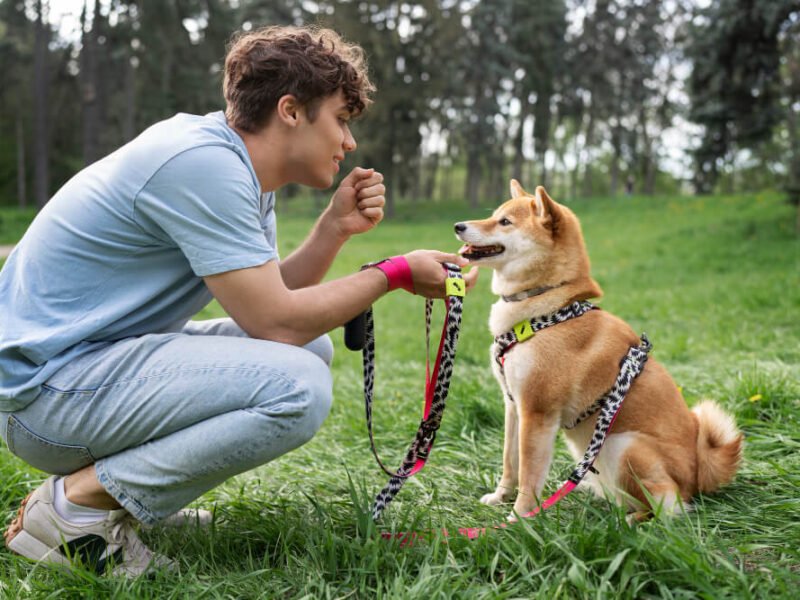
Your dog’s ability to maintain eye contact and respond quickly to commands shows they are focused. Look for a steady gaze and ears pointed toward you—these are strong signs your dog is fully engaged. If your dog consistently follows your instructions without getting distracted, it’s a good moment to keep going.
Have you noticed how your dog perks up when you hold a treat? That’s a clear sign of attention. Use these moments to build on success and deepen their focus.
Noticing Fatigue
Fatigue often creeps in subtly during training. Your dog might start yawning, panting heavily, or moving slower than usual. These signs indicate it's time to pause and let them rest.
Watch out for loss of interest too—if your dog suddenly ignores commands or seems restless, they’re likely tired or overwhelmed. Ending the session on a positive note helps keep their motivation high next time.
Behavioral Cues
Beyond focus and fatigue, your dog’s body language speaks volumes. Tail wagging, playful barks, or leaning into you mean they are engaged and happy. On the other hand, lip licking, avoiding eye contact, or turning away can signal stress or boredom.
Pay attention to these cues and adjust your session accordingly. Have you ever stopped training because your dog looked uncomfortable? These small signals are your best guide to a productive session length.
Session Frequency
Session frequency plays a key role in effective dog training. Regular practice helps dogs learn faster and remember commands better. The choice between daily and weekly sessions depends on the dog’s age, breed, and learning pace. Consistent training builds good habits and strengthens the bond between you and your dog.
Daily Vs Weekly Training
Daily training sessions keep the dog engaged and focused. Short, daily practices help dogs absorb new skills quickly. Weekly sessions may be too far apart for puppies or active dogs. Older dogs might do well with weekly training if the sessions are longer. Choose a schedule that fits your dog's energy and attention span.
Short Sessions Benefits
Short sessions prevent boredom and frustration. Dogs learn better with brief, focused training times. Sessions lasting 5 to 15 minutes work well for most dogs. Frequent short sessions improve memory and reduce stress. This approach fits easily into daily routines.
Balancing Consistency And Rest
Consistent training is important, but rest is too. Dogs need time to relax and process what they learn. Avoid long or intense sessions that tire your dog out. Balance active training days with rest or play days. This balance keeps training fun and effective.
Training Techniques
Training techniques shape how effectively your dog learns during each session. Choosing the right approach can keep your dog motivated and help you make the most of the time you spend together. Let’s look at some key techniques that influence how long a training session should last.
Positive Reinforcement Timing
Timing is everything when you use positive reinforcement. Reward your dog immediately after the desired behavior to create a clear connection between action and reward.
Delaying praise or treats even by a few seconds can confuse your dog. Have treats or toys ready before starting the session to keep the flow smooth and consistent.
Incorporating Breaks
Dogs have limited attention spans, especially puppies. Short breaks during training sessions help prevent frustration and keep your dog eager to continue.
Try splitting a 15-minute session into three 5-minute segments with brief play or rest in between. This resets your dog’s focus and makes learning feel fun rather than like work.
Adjusting Based On Progress
Not every dog learns at the same pace. Watch your dog closely and adjust the length and difficulty of sessions accordingly.
If your dog masters a command quickly, increase the challenge or extend the session slightly. If your dog seems tired or distracted, shorten the session or switch to a simpler task.
How often do you pause to assess if your dog is ready to move on? This step can save you time and frustration in the long run.
Common Mistakes
Many dog owners make common mistakes during training sessions. These errors can reduce learning and cause stress for the dog. Understanding these pitfalls helps create better training habits. Avoiding them keeps sessions effective and enjoyable.
Overtraining Effects
Training too long tires your dog quickly. Overtraining can cause frustration and loss of interest. Dogs may become anxious or refuse to cooperate. Short, focused sessions work best for learning. Watch for signs of fatigue and stop early if needed.
Ignoring Dog’s Signals
Dogs show when they feel tired or stressed. Yawning, pawing, or looking away are common signs. Ignoring these signals can harm your dog’s trust. Pay close attention to body language during sessions. Respect their limits to keep training positive.
Skipping Warm-up And Cool-down
Skipping warm-up may cause stiffness and discomfort. Dogs need time to prepare mentally and physically. Cool-down helps them relax after training. Simple activities like gentle petting or slow walking work well. These steps improve focus and reduce stress.

Credit: k9basics.com
Expert Tips
Expert tips can help make dog training sessions more effective and enjoyable. Tailoring each session to your dog's needs improves learning. Using play keeps your dog engaged and focused longer. Tracking progress shows what works and what needs change. These ideas lead to better results and a happier dog.
Tailoring Sessions Individually
Every dog learns at a different pace. Some dogs focus better for five minutes. Others can handle up to 15 minutes. Pay attention to your dog's energy and mood. Adjust session length to match their attention span. Use simple commands for beginners. Increase difficulty as your dog improves. Personalized sessions keep your dog interested and prevent frustration.
Using Play To Extend Focus
Play can make training fun and less tiring. Add short play breaks between training tasks. Use toys or games your dog loves. This breaks monotony and renews their interest. Reward your dog with play for good behavior. Play also helps release energy and reduce stress. It creates positive feelings connected to training time.
Tracking And Measuring Success
Keep a training journal or use an app. Note what commands your dog learns each day. Record how long your dog stays focused. Write down any challenges or setbacks. Review progress weekly to see improvement. Adjust your training plan based on results. Tracking success keeps training goals clear and achievable.
Frequently Asked Questions
How Long Should A Dog Training Session Last?
A dog training session should last 10 to 15 minutes. Short sessions keep your dog focused and prevent boredom. Puppies may need even shorter sessions. Consistent, frequent training is more effective than long, tiring sessions.
How Often Should Dog Training Sessions Occur?
Daily training sessions are ideal for best results. Aim for 2 to 3 sessions per day. Regular practice helps reinforce commands and builds good habits. Consistency is key to successful dog training.
Can Training Sessions Be Too Long For Dogs?
Yes, sessions longer than 20 minutes can cause fatigue. Dogs lose focus and become less responsive. Short, engaging sessions yield better learning and retention. Always watch your dog’s behavior to adjust session length.
Should Training Sessions Vary By Dog’s Age?
Yes, puppies need shorter, more frequent sessions. Adult dogs can handle slightly longer sessions. Senior dogs may require gentler, slower training. Tailor session length to your dog’s energy and attention span.
Conclusion
Finding the right length for dog training sessions is key. Keep them short and engaging. This helps your dog stay focused. Aim for sessions that are 10 to 15 minutes long. Longer sessions may tire or bore your dog. Short bursts keep the experience fun.
Consistency matters too. Practice regularly to see progress. Remember, patience is important. Every dog learns at their own pace. Adjust sessions based on your dog's needs. Happy training leads to a happy dog. Enjoy the bonding time you share. Your dog will thank you with wagging tails and joyful barks.