Potty training your dog can feel like a big challenge, but using a crate can make the process much easier for both you and your pet. If you want a clean home and a happy, well-behaved dog, this method could be the key.
You’ll learn simple steps to teach your dog where and when to go, saving you time and frustration. Keep reading to discover how to potty train your dog with a crate quickly and effectively—your dog will thank you!

Credit: lindseyandcoco.com
Choosing The Right Crate
Choosing the right crate is crucial for successful potty training. The right crate offers your dog comfort and security while helping you establish a clear routine. Your choice affects your dog’s willingness to use the crate and the overall training progress.
Types Of Crates
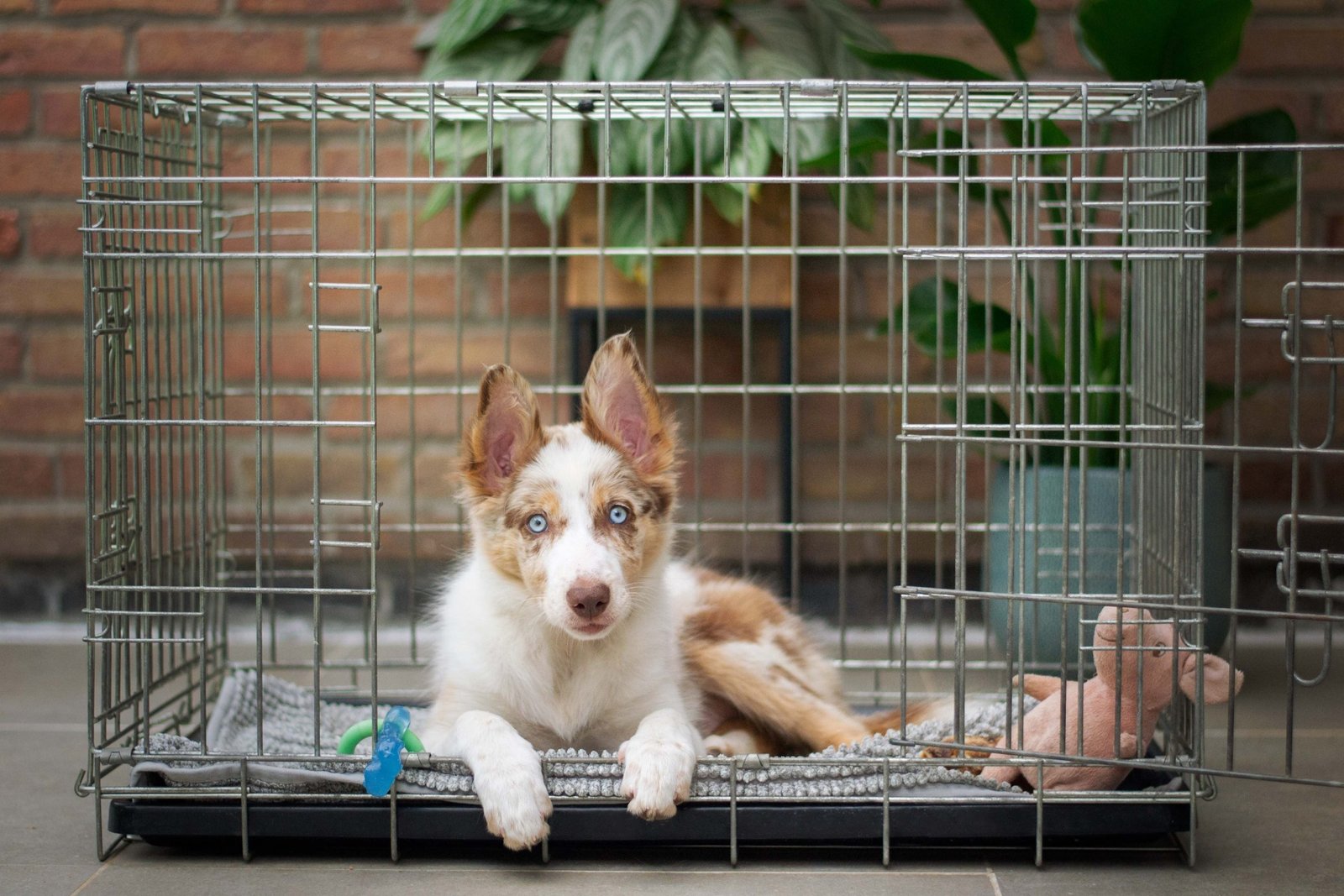
There are several types of crates to consider, each with its own benefits. Wire crates provide excellent ventilation and visibility. Plastic crates offer a cozy, enclosed space that can help anxious dogs feel safer.
Soft-sided crates are lightweight and portable, but may not be suitable for heavy chewers. Think about your dog’s personality and behavior before picking a crate type. What kind of environment makes your dog feel calm and secure?
Sizing Your Crate
Size matters when it comes to crate training. Your dog should have enough room to stand up, turn around, and lie down comfortably. Too large a crate can encourage your dog to use one corner as a bathroom, which defeats the purpose.
Measure your dog from nose to tail and add a few inches to find the right size. If your dog is still growing, choose a crate with an adjustable divider. This way, you can customize the space as your dog gets bigger.
Crate Location Tips
Where you place the crate impacts how your dog feels about it. Choose a quiet, low-traffic area where your dog can relax without distractions. Avoid placing the crate near loud appliances or in isolated corners where your dog might feel lonely.
Placing the crate in a family room or kitchen allows your dog to feel included while learning boundaries. Have you noticed your dog’s favorite spots around the house? Positioning the crate nearby can help them accept it faster.
Preparing Your Dog For Crate Training
Getting your dog ready for crate training sets the foundation for successful potty training. It’s important to create a positive and inviting space where your dog feels safe and curious rather than trapped. This preparation helps reduce anxiety and encourages your dog to view the crate as their personal den.
Introducing The Crate
Start by placing the crate in a common area where your dog spends time. Leave the door open so your dog can explore it at their own pace. Avoid forcing them inside; instead, use treats or toys to gently lure them in.
Watch how your dog reacts. Do they hesitate or seem curious? Let their comfort level guide your next steps. The goal is to make the crate a familiar spot rather than a scary enclosure.
Making The Crate Comfortable
Comfort is key to making the crate inviting. Add a soft blanket or a dog bed to provide cushioning. Make sure the bedding is washable—accidents can happen during potty training.
Consider your dog’s preferences: some dogs like a cozy, enclosed space, while others prefer more open airflow. Adjust the crate setup accordingly by covering it partially with a breathable cloth if they seek privacy.
Building Positive Associations
Help your dog associate the crate with good things. Offer treats, meals, or favorite toys inside the crate. Praise your dog warmly when they enter or stay calm inside.
- Feed your dog near or inside the crate.
- Use clicker training or gentle words to reward crate visits.
- Keep initial crate sessions short and gradually increase the time.
Have you noticed how your dog reacts to new experiences? Use those reactions to tailor your approach and keep the crate a safe and positive place throughout potty training.
Establishing A Potty Schedule
Establishing a potty schedule is key to successful crate training. Dogs thrive on routine. A clear schedule helps them learn when to expect bathroom breaks. It also reduces accidents and stress for both you and your pet.
Feeding And Potty Timing
Feed your dog at the same times every day. Regular meals create predictable digestion. This predictability helps set potty times. Usually, dogs need to go out 15 to 30 minutes after eating. Avoid free feeding to keep the schedule steady.
Recognizing Potty Signals
Watch for signs your dog needs to go. Sniffing the floor, circling, or whining are common signals. Some dogs pace near the door. Learn your dog’s signals to act quickly. Prompt bathroom breaks reinforce good habits.
Consistent Bathroom Breaks
Take your dog outside often, especially after meals and naps. Young puppies may need breaks every 1 to 2 hours. Always use the same door and spot for potty. Praise your dog immediately after they go outside. Consistency helps build strong habits fast.

Credit: islandworldflowers.com
Using The Crate For Potty Training
Using a crate for potty training helps your dog learn control and routine. The crate acts as a safe space where your dog feels secure. Dogs naturally avoid soiling their sleeping area. This instinct helps teach your dog to hold their bladder. Proper crate use sets clear limits and encourages good bathroom habits.
Setting Time Limits
Keep crate time short at first. Puppies can only hold their bladder for a few hours. Adults can hold it longer, but not too long. Watch your dog's age and size to set limits. Too much time in the crate causes accidents. Let your dog out often for bathroom breaks.
Handling Accidents
Accidents happen during training. Never punish your dog for accidents. Clean the area well to remove smells. Use an enzyme cleaner to stop repeat marking. Stay calm and patient. Reward your dog when they use the bathroom outside. This builds trust and good habits.
Encouraging Holding Until Breaks
Teach your dog to wait patiently for breaks. Use a command like "hold" or "wait." Praise your dog for holding it inside the crate. Offer bathroom breaks regularly and on a schedule. Gradually increase the time between breaks. Consistency helps your dog learn self-control.
Reinforcing Good Behavior
Reinforcing good behavior is key to successful crate potty training. Your dog needs clear signals about what actions please you. Positive reinforcement builds trust and encourages your dog to repeat the right habits.
Rewarding Success
Celebrate every small victory your dog achieves. If your dog uses the crate appropriately or signals when they need to go outside, reward them immediately. Timing is crucial—rewards should come right after the good behavior to make the connection clear.
Consider using a variety of rewards like a favorite toy, a quick play session, or even extra cuddle time. This keeps your dog motivated and eager to learn. Have you noticed how your dog’s tail wags faster when they get a surprise treat?
Using Praise And Treats
Combine verbal praise with tasty treats to reinforce good behavior. Say enthusiastic phrases like “Good job!” or “Well done!” alongside offering small, healthy treats. This dual approach strengthens the positive message.
Keep treats small and frequent at first. You don’t want your dog to fill up on snacks instead of focusing on the training. Eventually, you can reduce treats but keep the praise consistent to maintain good habits.
Avoiding Punishment
Punishment can confuse your dog and damage your relationship. If your dog has an accident outside the crate, avoid yelling or physical corrections. Instead, calmly clean up and redirect your dog to the right spot.
Think about how you feel when punished unfairly—your dog feels the same. Encouragement and patience will get better results than fear or frustration. How might your dog respond differently if you focused only on positive cues?
Troubleshooting Common Issues
Potty training a dog with a crate can face some bumps along the way. Common problems might slow progress but are fixable with patience. Identifying these issues early helps keep training on track.
Dogs may react differently to crate training. Some feel secure, while others show signs of stress. Understanding and addressing these behaviors can improve your dog's comfort and success.
Dealing With Crate Anxiety
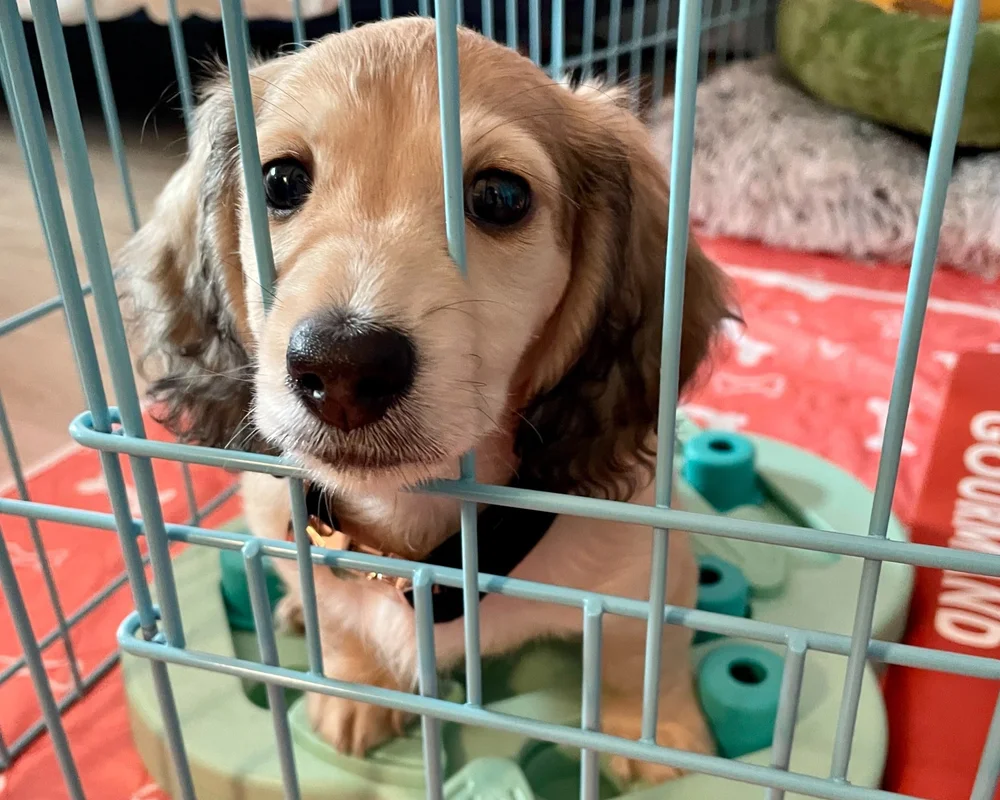
Signs of crate anxiety include whining, barking, or scratching. Avoid forcing the dog inside. Instead, introduce the crate gently. Use treats and toys to create positive associations. Keep crate sessions short at first. Gradually increase time spent inside. Ensure the crate is cozy with a soft bed. Place it in a quiet, familiar area. Speak calmly and stay nearby during training.
Managing Accidents Inside The Crate
Accidents happen, especially early in training. Avoid punishing your dog. Clean the crate thoroughly to remove odors. Use an enzymatic cleaner designed for pet messes. Check the crate size. A crate too large may encourage accidents inside. Ensure the dog has frequent chances to potty outside. Watch for signs of needing a break, like pacing or whining. Adjust feeding and potty schedules to match your dog’s needs.
Adjusting Training For Older Dogs
Older dogs may take longer to adapt to crate training. Be patient and consistent. Use gentle encouragement and rewards. Respect their previous habits and fears. Break training into smaller steps. Allow more frequent potty breaks. Monitor health issues that might affect training, like urinary problems. Celebrate small wins to keep motivation high. Remember, every dog learns at its own pace.
Transitioning Out Of The Crate
Transitioning out of the crate is a crucial phase in potty training. It helps your dog gain trust and learn independence. This step requires patience and consistency to ensure success. Gradual changes keep your dog comfortable and confident.
Gradual Freedom
Start by giving your dog short breaks outside the crate. Increase these breaks slowly every day. Let your dog explore safe areas under supervision. Avoid leaving your dog alone in large spaces at first. Use baby gates to limit access to certain rooms. This step helps your dog adjust without accidents.
Maintaining Potty Habits
Keep a regular potty schedule to avoid confusion. Take your dog outside after meals, naps, and playtime. Praise your dog immediately after they go potty outside. Watch for signs your dog needs to go, like sniffing or circling. Clean accidents with enzyme cleaner to remove smells. This prevents your dog from returning to the same spot.
Long-term Training Tips
- Continue crate use at night or when unsupervised.
- Give more freedom only when potty habits are solid.
- Practice patience during setbacks or accidents.
- Keep training sessions short and positive.
- Use consistent commands and praise for good behavior.
- Consult a trainer if challenges persist.
Credit: www.dogsavvylosangeles.com
Frequently Asked Questions
How Long Does Crate Potty Training Take?
Crate potty training usually takes 4 to 6 weeks. Consistency and patience speed up the process. Puppies learn bladder control faster with regular crate breaks and positive reinforcement.
Can I Use Any Crate For Potty Training?
Choose a crate that fits your dog comfortably but is not too large. A properly sized crate encourages dogs to hold their bladder. Adjustable crates or dividers help adapt the size as your dog grows.
How Often Should I Take My Dog Out Of The Crate?
Take your dog outside every 2 to 3 hours during the day. Puppies need more frequent breaks, especially after eating or drinking. Regular outdoor trips prevent accidents and build good potty habits.
What If My Dog Cries In The Crate At Night?
Some crying is normal initially. Comfort your dog briefly without releasing them immediately. Establish a calm bedtime routine to reduce anxiety. Consistent crate use helps dogs feel secure and less likely to cry.
Conclusion
Potty training with a crate can be effective and simple. Dogs learn quickly with consistency and patience. Create a routine that fits your lifestyle and stick to it. Reward your dog when they do well. This encourages good behavior. Remember, accidents happen.
Stay calm and guide your dog positively. Crate training helps dogs feel secure and safe. It becomes their special space. Keep training sessions short and fun. Progress may take time, but persistence pays off. Your dog will soon be well-trained and happy.
Enjoy the journey and bond with your furry friend.