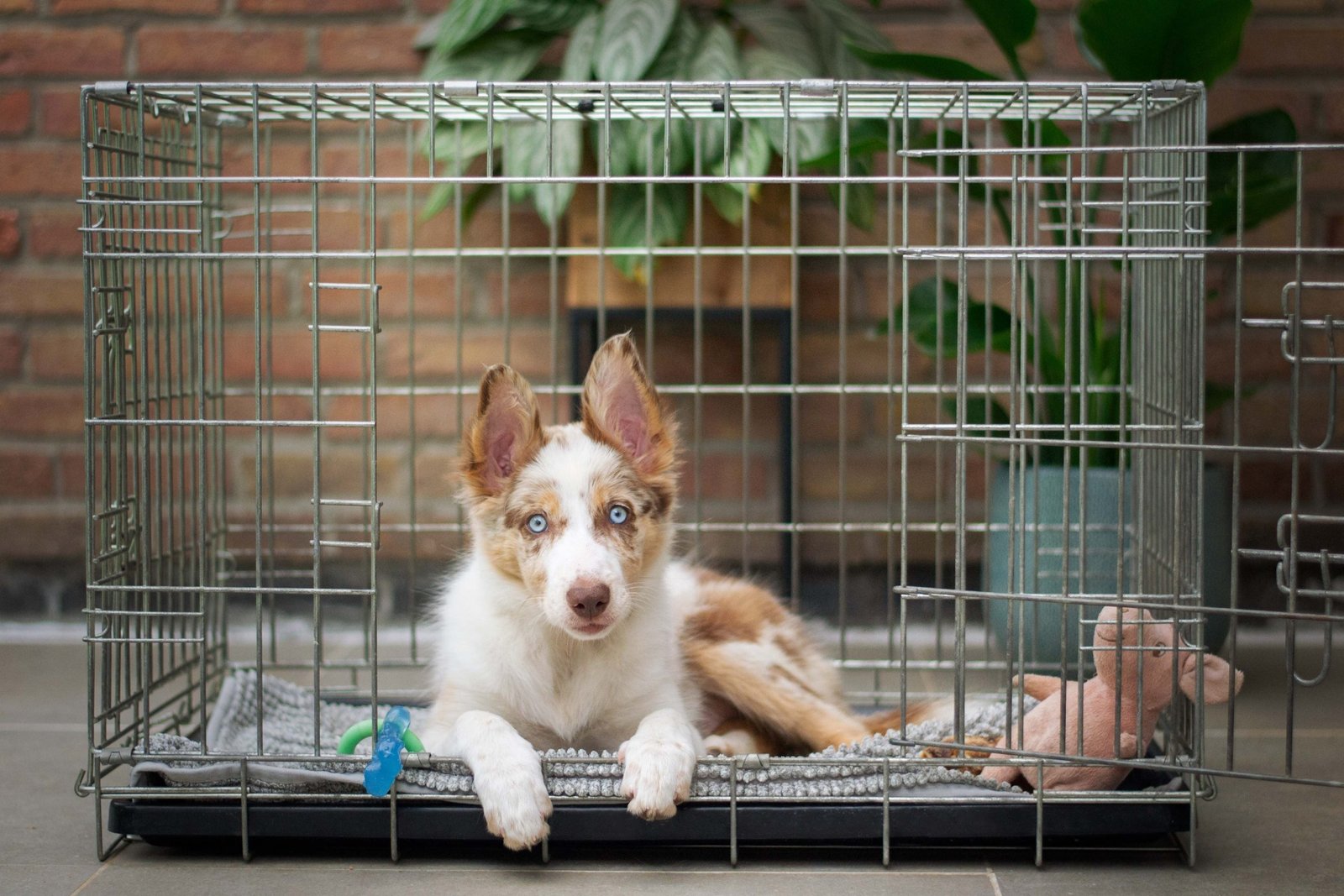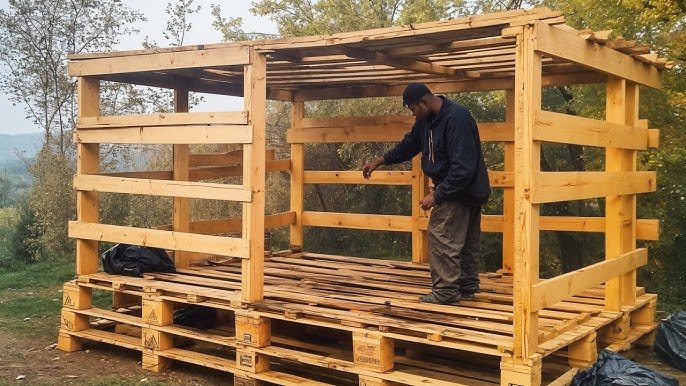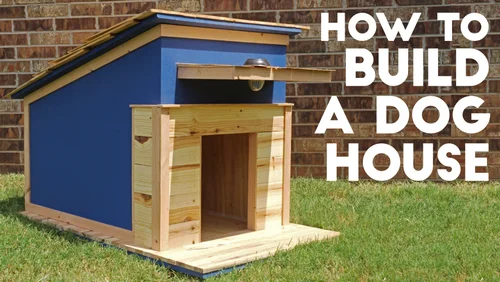
Building a cozy dog house for your furry friend doesn’t have to be hard. Imagine giving your dog a safe, comfortable place to relax, made by your own hands.
You might think it’s complicated or expensive, but it’s easier than you expect. In just five simple steps, you can create a sturdy, warm shelter that your dog will love. Ready to make a special space for your best buddy?
Let’s get started!
Credit: instructions.hasbro.com
Choosing The Right Location
Choosing the right location for your dog house is important for your pet’s comfort. The place should be safe, dry, and easy for your dog to reach. A good spot also protects your dog from extreme weather. Spend time exploring your yard to find the best area. Consider factors like sunlight, shade, and ground condition. These elements keep your dog cozy and healthy all year round.
Assessing Your Yard
Walk around your yard and look for a flat place. Avoid spots near busy roads or noisy areas. Pick a place that is easy to reach for your dog. Check if the ground is firm and not full of rocks. Think about how much space your dog house will need. Make sure there is room for your dog to move around.
Considering Sun And Shade
Your dog house needs both sun and shade at different times. Choose a spot with morning sun to warm your dog early. Look for shade in the afternoon to keep the house cool. Trees and buildings can provide natural shade. Avoid places with too much direct sunlight all day. Too much sun can make the dog house too hot.
Avoiding Damp Areas
Water and dampness can cause problems for your dog house. Avoid low spots where water collects after rain. Wet ground can make the house cold and unhealthy. Make sure the area drains well and stays dry. You can add gravel or wood chips to improve drainage. A dry place helps keep your dog warm and clean.
Selecting Materials
Choosing the right materials is key to building a dog house that lasts and keeps your pet comfortable. The materials you pick affect durability, insulation, and protection against weather. Think about your local climate and your dog’s needs before buying supplies.
Wood Types For Durability
Wood is the most common choice for dog houses. Cedar stands out because it resists rot and insects naturally, making it ideal for outdoor use. Pine is more affordable but needs to be treated to avoid decay.
Pressure-treated wood can last longer but might contain chemicals that worry some pet owners. If you want something eco-friendly, consider reclaimed wood—it’s sturdy and adds character.
Insulation Options
Insulation keeps your dog warm in winter and cool in summer. Foam board insulation is easy to cut and install inside walls, providing good temperature control. Reflective insulation can also help by bouncing heat away during hot days.
Don’t forget to add a raised floor with insulation underneath to avoid cold seeping up from the ground. You might also use straw or shredded paper as natural, budget-friendly fillers.
Weatherproofing Supplies
Protecting the dog house from rain, snow, and wind is crucial. Use exterior-grade paint or sealant to shield the wood. A waterproof roofing material like asphalt shingles or corrugated plastic will keep water out effectively.
Consider adding weatherstripping around the door to block drafts. A small awning can also prevent rain from splashing inside, helping your dog stay dry and cozy.
Designing The Dog House
Designing the dog house is where your project starts to come alive. It’s more than just picking a shape; it’s about making a cozy, safe space tailored to your dog’s needs. Thoughtful design ensures your dog will love spending time in their new home.
Sizing For Your Dog
Size matters when building a dog house. It should be big enough for your dog to stand, turn around, and lie down comfortably. Measure your dog’s height, length, and width, then add a few inches to each dimension to avoid a cramped space.
Think about your dog’s growth if they’re still young. A house that’s too large can feel cold and uninviting, while one that’s too small will be uncomfortable. Would you want to live in a tiny closet or a spacious room? Your dog feels the same.
Ventilation And Windows
Proper airflow keeps the dog house fresh and prevents moisture buildup. Include vents near the roof or windows that open and close easily. This helps keep your dog cool in summer and dry in winter.
Windows add natural light, making the space inviting. Use shatterproof or covered windows to keep your dog safe. Have you noticed how your dog reacts to sunlight? Adding a window could brighten their day inside their house.
Roof Styles And Slopes
The roof protects your dog from rain, snow, and sun, so pick a style that suits your climate. Sloped roofs help water run off quickly, preventing leaks and damage. Flat roofs might look modern but can trap water and debris.
Consider a removable roof for easy cleaning and access. A peaked roof offers extra space inside, which might be useful for larger dogs. What kind of roof do you think would last longest where you live?

Credit: www.youtube.com
Building The Frame
Building the frame is the foundation of your dog house. It gives shape and strength to the structure. A solid frame ensures the dog house lasts through all weather conditions.
Start with good quality wood. Measure carefully and cut pieces to fit the design. Assemble the frame with screws or nails to keep it sturdy and safe.
Cutting And Assembling Wood
Use a saw to cut wood to the right size. Smooth edges with sandpaper to avoid splinters. Join wood pieces using screws for strong connections. Check corners with a square tool to keep angles perfect. Drill pilot holes before screwing to prevent wood from splitting.
Creating The Base
The base holds the entire dog house off the ground. Use thicker wood for the floor frame to support weight. Attach wooden slats or plywood on top for a solid floor. Elevate the base with small blocks to avoid water damage. Make sure the base is level for stability.
Adding Walls And Roof
Build walls by attaching vertical and horizontal wood supports. Cover the walls with plywood or planks for protection. Cut an opening for the door, big enough for your dog. For the roof, use angled pieces to allow water runoff. Cover the roof with waterproof material like shingles or tar paper.
Finishing Touches
Finishing touches are what turn a simple dog house into a cozy, welcoming space your furry friend will love. They protect the structure, add comfort, and keep it looking great for years. Paying attention to these details shows your dog how much you care.
Painting And Sealing
Painting your dog house not only adds color but also protects the wood from weather damage. Choose non-toxic, pet-safe paint to keep your dog safe. Apply at least two coats and don’t forget to seal all edges and corners to prevent water from seeping in.
Remember, a well-sealed dog house lasts longer and stays drier inside. Have you checked your local hardware store for eco-friendly sealants? They often offer products that are both effective and safe for pets.
Adding Bedding And Comfort
Comfort matters just as much as shelter. Add soft bedding like foam pads, blankets, or straw to make the space inviting. Make sure the bedding is easy to clean and replace to maintain hygiene.
Think about your dog’s habits—does it prefer warmth or coolness? Adjust the bedding accordingly. A friend once used old t-shirts as bedding, which worked great because they were washable and smelled familiar to the dog.
Regular Maintenance Tips
Keeping your dog house in good shape requires routine checks. Look for cracks, loose nails, or signs of wear every few months. Clean the interior regularly to avoid mold and pests.
Set a simple maintenance schedule to stay on top of these tasks. Would you be surprised how a little upkeep extends the life of your dog house? Small efforts now save you from bigger repairs later.
Credit: www.etsy.com
Frequently Asked Questions
How Long Does It Take To Build A Dog House?
Building a dog house typically takes 4 to 6 hours. The time depends on skill level and materials used. Planning and preparation can speed up the process. Simple designs are quicker, while complex ones need more time.
What Materials Are Best For A Dog House?
Wood is the best material for dog houses. It offers durability, insulation, and comfort. Avoid metal or plastic as they can get too hot or cold. Use weather-resistant wood for outdoor protection.
How Do I Ensure My Dog House Is Weatherproof?
Use waterproof paint or sealant on the exterior. Add a raised floor to prevent water entry. Install a sloped roof for rain runoff. Proper insulation helps maintain temperature inside.
What Size Should A Dog House Be?
The dog house should be large enough for your dog to stand and turn comfortably. Measure your dog’s height and length, then add extra space. Avoid oversized houses as they can be hard to heat.
Conclusion
Building a dog house can be a rewarding experience. Follow these five steps for success. Gather your materials. Measure and cut accurately. Assemble the pieces with care. Add roofing for protection. Finally, paint or decorate to your liking. Your furry friend will love their new home.
It's a cozy, safe space. A place they can call their own. Enjoy the satisfaction of your handiwork. And your dog's wagging tail of approval! Happy building!