Has your furry friend been throwing up his food, leaving you worried and confused? You're not alone.
Many dog owners face this unsettling issue. Watching your beloved pet suffer can be distressing, and you naturally want to understand what's going on. This is where we come in. We will explore the possible reasons why your dog might be vomiting after meals.
We'll guide you through the common causes and when you should be concerned. Stick with us, and by the end, you'll have a clearer picture of what might be troubling your furry companion and how you can help them feel better. Don’t leave your pup’s health to chance; let’s dive into the details together.
Common Causes Of Dog Vomiting
Understanding why your dog is throwing up can be frustrating and worrying. Vomiting is a common symptom with many possible causes. Identifying the root cause can help you address the issue quickly and keep your furry friend comfortable.
Dietary Indiscretion
Dogs are notorious for eating things they shouldn’t. Whether it’s garbage, spoiled food, or a sudden change in diet, this can upset their stomach and cause vomiting.
Have you ever caught your dog munching on something off the floor? That innocent snack might be the culprit behind their upset stomach.
Food Allergies
Some dogs react badly to certain ingredients in their food. Allergies can cause vomiting, itching, and digestive issues.
If your dog’s vomiting happens regularly after meals, consider testing for food allergies. Switching to a hypoallergenic diet might solve the problem.
Eating Too Quickly
Many dogs gobble down their food like it’s their last meal. Eating too fast can cause them to vomit shortly after finishing.
Try using a slow feeder bowl or spreading out the food to slow down their eating. It’s a simple fix that can save you from cleaning up messes.
Infections And Parasites
Viruses, bacteria, and parasites can wreak havoc on your dog’s digestive system. These infections often cause vomiting along with diarrhea or lethargy.
Regular vet check-ups and parasite prevention are key. If your dog shows other symptoms besides vomiting, seek veterinary care immediately.
Toxic Ingestions
Dogs are curious and may swallow toxic substances like plants, chemicals, or human medications. Vomiting is often the first sign of poisoning.
Keep hazardous materials out of reach and watch your dog closely during walks. If you suspect poisoning, contact your vet or emergency clinic right away.
Underlying Health Issues
Sometimes vomiting signals a deeper health problem such as kidney disease, pancreatitis, or gastrointestinal blockages.
Chronic or severe vomiting should never be ignored. Have your vet run tests to uncover any serious conditions that need treatment.

Credit: www.pethonesty.com
Identifying Vomiting Patterns
Understanding your dog's vomiting patterns helps find the cause quickly. Vomiting can signal many health problems. Careful observation of when, how often, and what your dog throws up gives clues to vets. This section explains how to identify these patterns clearly. It guides you to watch for important signs that matter.
Frequency And Timing
Note how often your dog vomits each day. Occasional vomiting might not be serious. Vomiting many times in a short period needs urgent care. Track the time of vomiting, such as after meals or during exercise. Vomiting right after eating can point to eating too fast or a food allergy. Vomiting that happens on an empty stomach might mean acid build-up or illness.
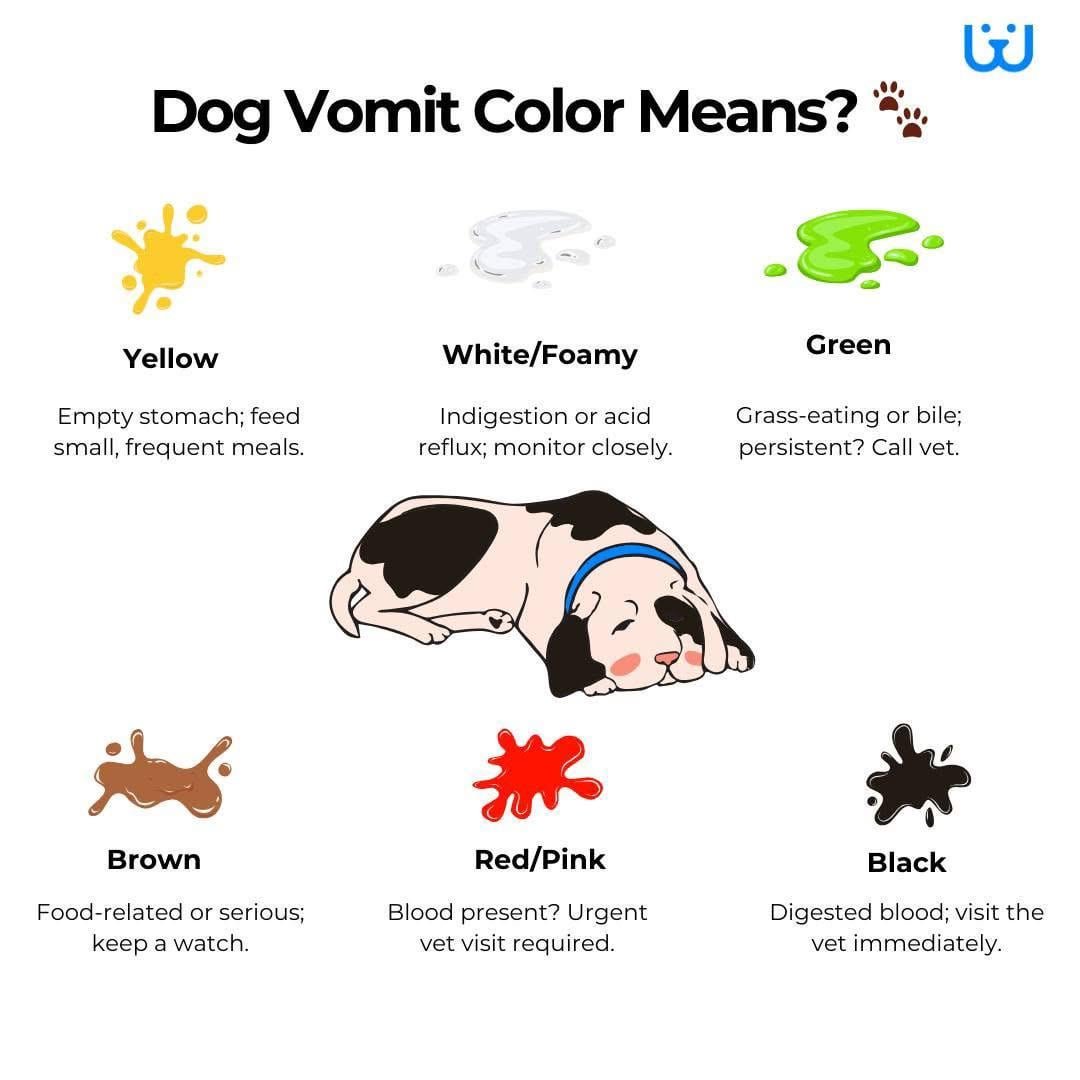
Appearance Of Vomit
Look closely at the vomit’s color and texture. Clear liquid or foam can mean stomach irritation. Yellow or green vomit might contain bile, showing a problem with digestion. Vomit with blood or dark coffee-ground material needs quick vet attention. Pieces of undigested food suggest your dog is throwing up soon after eating. Mucus or foam can signal inflammation or infection.
Associated Symptoms
Watch for other signs along with vomiting. Lethargy or weakness can show your dog is sick. Diarrhea or loss of appetite often occurs with stomach issues. Coughing or difficulty breathing may mean a lung problem. Excessive drooling or belly pain signals discomfort. These symptoms help vets decide the best treatment fast.
Immediate Steps To Take
Seeing your dog throw up their food can be alarming. Acting quickly and correctly can make a big difference in your dog’s recovery. Here are some immediate steps you can take to help your dog feel better and prevent further discomfort.
Withholding Food Temporarily
Hold off on feeding your dog for about 8 to 12 hours. This pause gives their stomach time to settle and recover from whatever caused the vomiting.
Make sure you don’t withhold water unless your dog is vomiting excessively. After the fasting period, offer small, bland meals like boiled chicken and rice to ease their digestion.
Hydration Tips
Keeping your dog hydrated is essential, especially after vomiting. Offer small amounts of water frequently rather than a large bowl all at once.
If your dog struggles to keep water down, try giving ice cubes or ice chips. These can help prevent dehydration without overwhelming their stomach.
Monitoring Behavior
Watch your dog closely for any changes in behavior. Are they lethargic, restless, or showing signs of pain? These can indicate a need for immediate veterinary care.
Note the frequency and appearance of the vomit—anything unusual like blood or bile should be reported to your vet. Keeping a simple log can help you track patterns and provide important details during your vet visit.

Credit: rockykanaka.com
Dietary Adjustments
Adjusting your dog's diet can be a key step in stopping frequent vomiting after meals. Changes in what, how much, and when your dog eats can make a big difference in their digestion and overall health. Understanding these dietary tweaks helps you respond quickly when your dog throws up their food.
Switching To Bland Diet
A bland diet can calm an upset stomach and reduce vomiting. Think of plain boiled chicken and rice—simple, easy to digest, and gentle on your dog’s digestive system.
If your dog’s usual food seems too rich or complex, try this diet for a few days. Notice if the vomiting decreases—this often indicates food sensitivity or a minor stomach issue.
Portion Control
Overfeeding can overwhelm your dog’s stomach, causing it to reject the meal. Smaller, more frequent meals are easier to digest and reduce the chance of throwing up.
Try cutting down portion sizes by 25-30% and observe the change. You might find your dog feels better and vomits less simply by eating less at one time.
Feeding Schedule Changes
Consistency in feeding times can stabilize your dog’s digestive rhythm. Feeding at irregular times or late-night meals might upset this balance and trigger vomiting.
Set specific feeding times each day and stick to them. Ask yourself: could your dog’s vomiting be linked to unpredictable meal times?
When To Visit The Vet
Knowing when to visit the vet is crucial if your dog throws up food. Vomiting can be a simple upset stomach or a sign of a serious problem. Early care helps prevent health issues from worsening. Watch your dog closely to decide if a vet visit is necessary.
Warning Signs
- Vomiting lasts more than 24 hours
- Blood or unusual color in vomit
- Repeated vomiting after eating or drinking
- Signs of pain or discomfort
- Loss of appetite or weight
- Diarrhea or dehydration
- Lethargy or weakness
- Difficulty breathing or coughing
Diagnostic Tests
The vet may run tests to find the cause of vomiting. These include:
- Physical exam and medical history review
- Blood tests to check organ function
- X-rays or ultrasound for internal views
- Stool analysis to detect infections or parasites
- Endoscopy to examine the stomach and intestines
Treatment Options
Treatment depends on the cause and severity. Common approaches include:
- Medications to stop vomiting and reduce nausea
- Fluid therapy to prevent dehydration
- Diet changes to soothe the stomach
- Surgery if there is a blockage or serious issue
- Hospital care for severe or ongoing problems

Credit: uk.news.yahoo.com
Preventive Measures
Preventing your dog from throwing up food involves small but important steps. These measures help keep your dog's stomach calm and digestion smooth. Simple habits can stop many common causes of vomiting.
Safe Eating Habits
Feed your dog smaller meals more often. Large meals can upset their stomach. Avoid fast eating by using special slow feeder bowls. Always provide fresh, clean water to help digestion. Do not let your dog eat too quickly or swallow air. Keep feeding times consistent every day.
Regular Health Checkups
Schedule routine vet visits for your dog. Early detection of illnesses prevents stomach problems. Vaccines and parasite control keep your dog healthy. Discuss any vomiting episodes with your vet. Regular checkups ensure proper weight and diet adjustments.
Avoiding Toxic Foods
Keep harmful foods away from your dog. Chocolate, grapes, onions, and garlic are toxic. Avoid giving table scraps with spices or fat. Store food securely to prevent accidental eating. Teach family members and guests about safe treats. Use dog-friendly snacks and meals only.
Frequently Asked Questions
Why Is My Dog Throwing Up Food After Eating?
Dogs may vomit due to eating too fast, food intolerance, or stomach irritation. It can also signal infections or digestive issues. Observing patterns and consulting a vet can help identify the cause and prevent further discomfort.
Can Certain Foods Cause My Dog To Vomit?
Yes, dogs can vomit after eating spoiled, toxic, or unfamiliar foods. Sudden diet changes or allergies may also trigger vomiting. Always introduce new foods gradually and avoid harmful items like chocolate or onions to keep your dog safe.
When Should I Worry About My Dog’s Vomiting?
Seek veterinary care if vomiting persists for over 24 hours, contains blood, or if your dog shows lethargy and dehydration. Frequent vomiting can indicate serious health problems needing immediate attention to ensure your pet’s well-being.
How Can I Prevent My Dog From Vomiting Food?
Feed smaller, frequent meals and avoid sudden diet changes. Use slow-feeder bowls if your dog eats quickly. Ensure clean, fresh water and maintain regular vet checkups to keep your dog’s digestive system healthy and reduce vomiting incidents.
Conclusion
Vomiting can signal many health problems in dogs. Watch your dog closely for other signs. Keep their food fresh and feed smaller portions often. Avoid sudden changes in diet or feeding habits. Seek veterinary help if vomiting happens often or lasts long.
Early care helps your dog feel better fast. Stay calm and patient; your dog needs your care. Understanding why your dog throws up helps you act wisely.