Are you curious about how much a cup of dry dog food actually weighs? Whether you're a new pet owner trying to ensure your furry friend gets the right nutrition or an experienced dog lover aiming for precise portion control, understanding the weight of a cup of dog food is crucial.
This seemingly simple question can make a big difference in your dog's health and well-being. But don't worry, you're not alone in this quest for accuracy. Many pet owners are surprised to learn how much the weight can vary depending on the brand and type of food.
Stick around as we uncover the facts and provide you with the insights you need to feed your dog just the right amount. Your pup will thank you for it!
Factors Affecting Dog Food Weight
Understanding the factors that affect the weight of a cup of dry dog food can help you measure your pet’s meals more accurately. Not all dry dog foods are created equal, and their weight can vary depending on several key elements. Knowing these differences ensures you feed your dog the right amount every time, which is crucial for their health and happiness.
Types Of Dry Dog Food
Different types of dry dog food come with varying ingredient compositions. Some are grain-based, while others rely on high-protein or grain-free formulas. These ingredient differences affect the overall weight because some ingredients are denser or lighter than others.
If you’ve switched your dog’s brand recently, you may have noticed the same cup size doesn’t always feel the same. This is because formulas with more protein or fat tend to be heavier per cup than those with more fillers like corn or rice.
Kibble Size And Shape
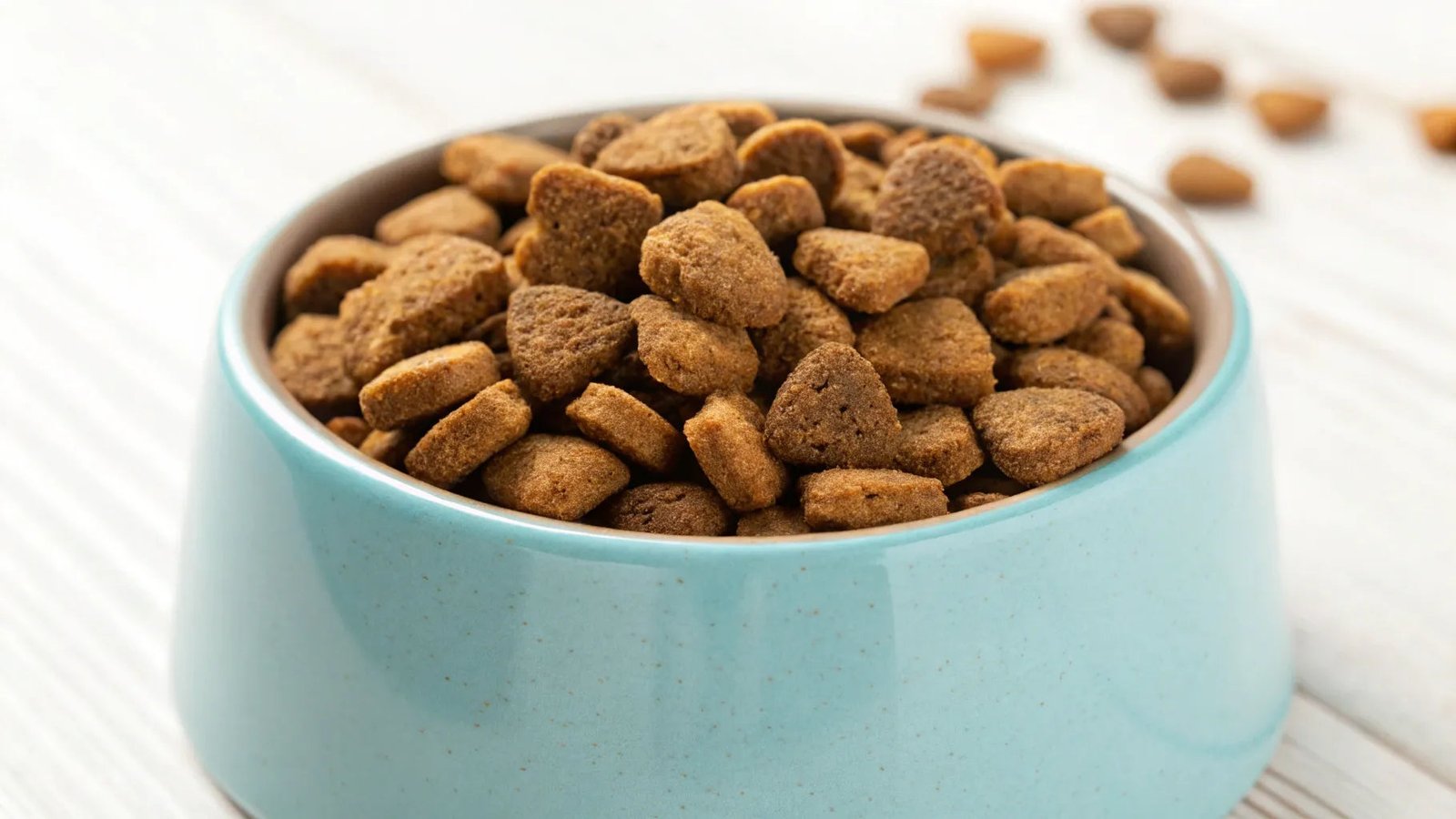
The size and shape of kibble play a big role in how much fits into a cup. Larger, chunkier pieces take up more space but weigh less overall compared to smaller, compact pieces. This means a cup of larger kibble might weigh less than a cup of smaller kibble even though the volume is the same.
Have you ever noticed your dog’s food looks different after a brand change? The kibble shape not only impacts weight but can also affect how much your dog chews, which indirectly influences digestion and appetite.
Density Variations
Density is the weight of the kibble relative to its volume. Some dog foods are puffier or airier, making them lighter per cup. Others are more compressed and denser, resulting in a heavier cup.
This difference means that if you’re measuring by volume, you might unintentionally feed your dog more or less than intended. Using a kitchen scale can help you avoid this issue and keep your dog’s portions consistent.

Credit: zignature.com
Standard Weight Of A Cup Of Dry Dog Food
Understanding the standard weight of a cup of dry dog food is crucial for accurate feeding. You might think a cup is always the same weight, but it can vary based on the kibble size and brand. Knowing this helps you measure your dog's meals precisely, avoiding overfeeding or underfeeding.
Average Weight Range
A cup of dry dog food typically weighs between 90 and 120 grams (about 3.2 to 4.2 ounces). This range depends on the density and size of the kibble. Smaller kibble pieces tend to weigh less per cup, while larger, denser pieces weigh more.
For example, if you're switching dog food brands, measuring by volume alone might not give your dog the same amount of calories. Have you noticed how your dog's appetite or weight changed after a brand switch? That might be because of the weight difference per cup.
Comparing Popular Brands
| Brand | Average Weight per Cup (grams) |
|---|---|
| Brand A | 95 grams |
| Brand B | 110 grams |
| Brand C | 105 grams |
Different brands vary noticeably in weight per cup. Brand A’s kibble is lighter and fluffier, while Brand B’s pieces are denser. If you feed your dog one cup of Brand A versus Brand B, your dog could be getting less or more food than intended.
When feeding your dog, consider weighing the kibble instead of relying solely on measuring cups. Have you tried using a kitchen scale for your dog's meals? It’s an easy step that can improve your pet’s diet management.
Measuring Techniques For Accuracy
Getting the right amount of dry dog food is crucial for your pet’s health and happiness. Precise measurement helps avoid overfeeding or underfeeding, which can lead to weight issues or nutritional gaps. Let’s look at practical ways to measure your dog’s food accurately so you can feel confident every time you pour a cup.
Using A Kitchen Scale
A kitchen scale is the most accurate tool for measuring dry dog food. It gives you the exact weight in grams or ounces, so you don’t have to guess how much a “cup” really weighs.
Place your empty bowl or container on the scale and zero it out before adding the food. This prevents the weight of the bowl from affecting your measurement.
Using a scale also helps if your dog’s food comes in different sizes or shapes, which can make volume measurements unreliable. Have you ever noticed how some kibble is bigger or denser than others? A scale handles those differences perfectly.
Measuring Cups Vs. Scoops
Measuring cups and scoops are common but less precise than scales. They rely on volume, which can vary depending on how the food settles or how firmly you pack it.
Different brands often include their own scoop, but sizes vary widely. This inconsistency can lead to feeding your dog more or less than intended.
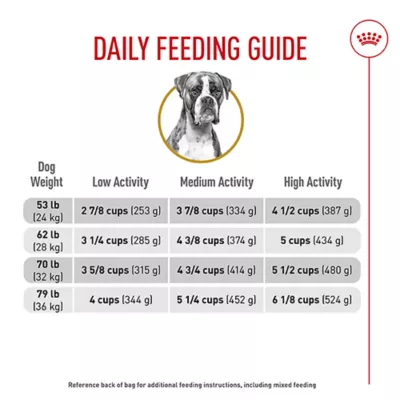
To improve accuracy with cups or scoops, use the same one every time and level off the food instead of packing it down. Ask yourself: Does your scoop match the recommended serving size on the bag? If not, adjusting your scoop can make a big difference.
Credit: www.petsmart.com
Impact Of Weight On Dog Feeding
Understanding the weight of a cup of dry dog food helps in feeding dogs the right amount. Weight impacts how much nutrition a dog gets and affects their health. Measuring by weight is more accurate than using volume alone. This accuracy prevents overfeeding or underfeeding, which can cause health problems.
Portion Control And Nutrition
Proper portion control ensures dogs receive balanced nutrition. Different brands and types of dog food have varying weights per cup. Knowing the exact weight helps in giving the right calorie amount. This avoids weight gain or nutrient deficiency. Using a kitchen scale is a simple way to measure food accurately. It supports consistent feeding and healthy growth in dogs.
Adjusting For Dog Size And Activity
Dogs need different food amounts based on size and activity level. Small dogs need less food than large dogs. Active dogs burn more calories and need more food. Sedentary dogs require fewer calories to avoid weight gain. Adjusting food weight helps match their energy needs. This keeps dogs fit and energetic without risking obesity or malnutrition.
Tips For Consistent Feeding
Consistent feeding helps maintain your dog's health and weight. It also prevents overeating or underfeeding. Measuring the right amount of dry dog food each time is key. Small changes in portion size can affect your pet's diet. Follow these tips to keep feeding accurate and steady.
Storing Dry Dog Food Properly
Keep dry dog food in a cool, dry place. Avoid moisture and heat to preserve freshness. Use airtight containers to stop air and pests from entering. Label the container with the purchase date to track freshness. Proper storage keeps the food’s weight and quality steady.
Regularly Checking Measurements
Use a standard measuring cup to portion food each feeding. Check the cup’s size and weight before feeding. Weigh the food occasionally with a kitchen scale. This ensures consistency and accuracy in every serving. Regular checks avoid accidental overfeeding or underfeeding.

Credit: www.houndsy.com
Frequently Asked Questions
How Much Does One Cup Of Dry Dog Food Weigh?
One cup of dry dog food typically weighs about 3 to 4 ounces (85 to 113 grams). Weight varies by brand and kibble size. Always check packaging for exact measurements to ensure accurate feeding portions for your dog’s diet.
Does Kibble Size Affect Dry Dog Food Weight?
Yes, kibble size impacts the weight of one cup of dry dog food. Smaller kibble packs more densely, weighing slightly more. Larger kibble occupies more volume but weighs less per cup. Always measure by weight for precise feeding.
Why Is Knowing Dry Dog Food Weight Important?
Knowing the weight helps you feed your dog the right portion. It prevents overfeeding or underfeeding, maintaining your pet’s health. Accurate measurement supports weight management and proper nutrition based on your dog’s size and activity level.
How To Measure Dry Dog Food Without A Scale?
Use a standard measuring cup marked for dry ingredients. Fill it level without packing the kibble. Refer to the dog food packaging for cup-to-weight conversion. This method offers a quick, convenient way to portion meals correctly.
Conclusion
A cup of dry dog food usually weighs about 3 to 4 ounces. This weight can change based on the brand or type of food. Knowing this helps you feed your dog the right amount every day. Measuring food by weight is more accurate than by volume.
It keeps your dog healthy and happy. Always check the packaging for exact details. Small changes in food amount can make a big difference. Careful feeding supports your dog’s energy and growth. Simple steps lead to better care.