If you have a Great Pyrenees, you probably want to give your dog just the right amount of food. Feeding too much can lead to weight gain and health problems, while too little can leave your dog hungry and weak.
But how much food should you really give your Great Pyrenees each day? You’ll find clear, simple answers to help you keep your big, lovable companion healthy and happy. Keep reading to discover the best feeding tips tailored just for your Great Pyrenees.
Daily Calorie Needs
Understanding the daily calorie needs of your Great Pyrenees is essential for keeping them healthy and energetic. Feeding too much can lead to unwanted weight gain, while too little may leave your dog feeling tired and hungry. Knowing how many calories your dog needs each day helps you provide just the right amount of food.
Factors Affecting Calorie Intake
Several factors influence how many calories your Great Pyrenees requires daily. Age plays a big role; puppies need more calories to support growth, while older dogs usually need fewer calories.
Activity level matters too. A working or highly active Great Pyrenees burns more energy than a mostly sedentary one. Even the dog’s metabolism and health conditions can change calorie needs.
Consider your dog’s environment as well. Dogs living in colder climates may need extra calories to stay warm. Have you noticed your dog’s appetite change with the seasons or activity?
Calculating Your Dog's Energy Requirements
To calculate your Great Pyrenees’ daily calorie needs, start with their Resting Energy Requirement (RER). Use this formula:
| Formula | Description |
|---|---|
| RER = 70 × (Body Weight in kg)0.75 | Calories needed at rest |
Next, multiply the RER by a factor that reflects your dog’s activity level:
- 1.2 to 1.4 for inactive or older dogs
- 1.5 to 2.0 for average active dogs
- Up to 5.0 for highly active or working dogs
For example, if your Great Pyrenees weighs 40 kg and is moderately active, calculate:
RER = 70 × (40)0.75≈ 70 × 15.85 = 1109.5 calories
Then multiply by 1.6 (moderate activity): 1109.5 × 1.6 = 1775 calories/day
Do you track your dog’s weight and energy levels regularly? Adjusting calories based on real-world observations is often necessary to find the perfect balance.
Portion Sizes By Age
Feeding a Great Pyrenees requires care and attention to age-related needs. Each life stage demands different portion sizes for balanced growth and health. Proper feeding supports their energy, development, and longevity. Understanding portion sizes by age helps maintain ideal weight and avoid health issues.
Puppy Feeding Guidelines
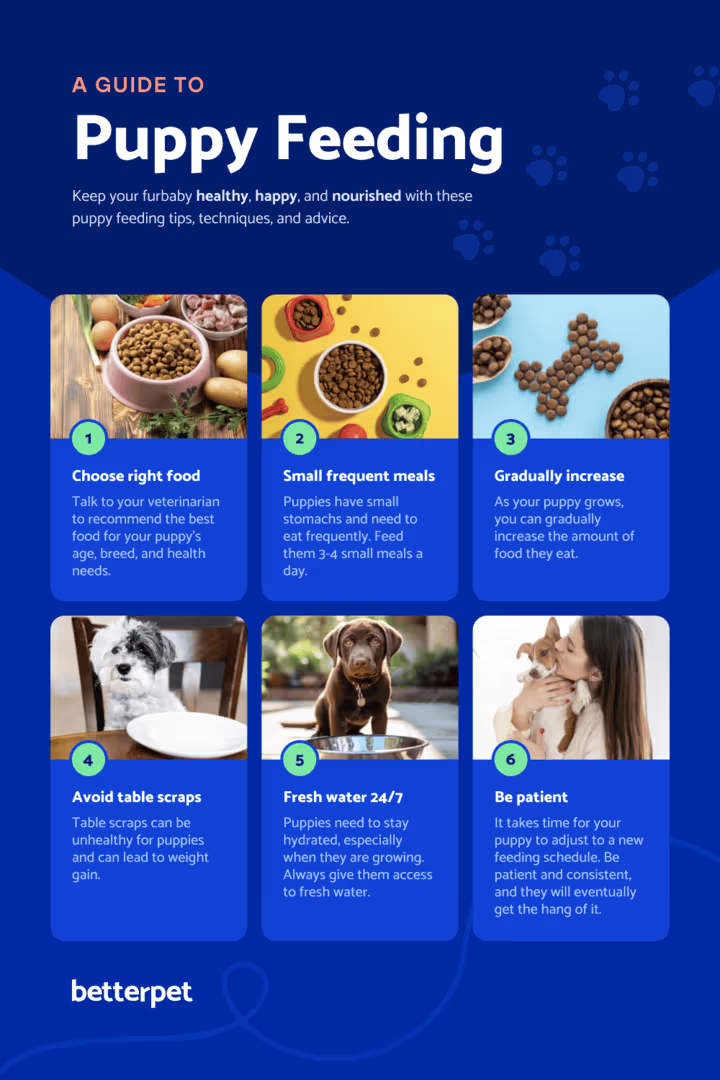
Great Pyrenees puppies grow quickly and need more calories than adults. Feed them smaller meals often, about 3 to 4 times daily. Use high-quality puppy food rich in protein and fat. On average, puppies need around 4 to 6 cups of food per day. Adjust portions based on activity and growth.
Adult Great Pyrenees Portions
Adult Great Pyrenees require balanced meals to maintain weight and energy. Feed twice daily with measured portions. Typical daily intake ranges from 4 to 7 cups of dry food. Portion size depends on weight, metabolism, and activity level. Monitor your dog's condition and adjust food accordingly.
Senior Dog Nutrition
Senior Great Pyrenees have slower metabolism and lower activity. Reduce calories to prevent weight gain and joint stress. Feed smaller, more frequent meals with less fat and more fiber. A daily portion of 3 to 5 cups is common. Consult your vet for specific dietary needs and supplements.
Choosing The Right Food
Choosing the right food for your Great Pyrenees is key to their health. This large breed needs a diet that supports their size and activity. Quality food helps maintain strong bones and a healthy coat. It also supports their energy needs and overall well-being.
Dry Vs. Wet Food Options
Dry food is easy to store and helps keep teeth clean. It has a longer shelf life and is often more affordable. Wet food has higher moisture, which helps with hydration. It tends to be more flavorful and easier to chew for some dogs.
Both dry and wet foods have pros and cons. Some owners mix both types to balance benefits. Consider your dog’s preferences and any dental issues when choosing.
Nutritional Balance For Large Breeds
Great Pyrenees need food rich in protein to support muscle growth. Moderate fat levels provide energy without causing weight gain. Calcium and phosphorus support strong bones and joints.
Look for foods labeled for large or giant breeds. These usually have the right nutrient balance. Avoid fillers and artificial additives that offer no nutrition.
Check the ingredient list for whole meats, vegetables, and grains. Balanced nutrition keeps your dog healthy and active for years.
Credit: www.betterpet.com
Feeding Frequency Tips
Feeding your Great Pyrenees the right amount of food at proper times supports healthy growth and energy. Dogs need consistent meal times to help with digestion and prevent overeating. Adjusting feeding frequency based on age helps meet your dog's nutritional needs precisely. Regular schedules create routine and comfort for your dog.
Meal Schedules For Puppies
Puppy Great Pyrenees require frequent meals to fuel their fast growth. Divide their daily food into smaller portions for better digestion and energy.
- Feed 3 to 4 times a day until 6 months old.
- Use measured portions based on puppy food guidelines.
- Keep feeding times consistent to build routine.
Young puppies tire quickly. More frequent meals prevent low blood sugar. Monitor your puppy’s appetite and adjust meals if needed.
Adult Feeding Routine
Adult Great Pyrenees thrive on two meals daily. This schedule supports their slower metabolism and keeps energy steady.
- Feed twice a day, morning and evening.
- Divide the daily food amount evenly between meals.
- Maintain consistent feeding times for digestive health.
Separate meals help avoid bloating and overeating. Watch your dog’s weight to adjust food portions as activity changes.
Signs Of Overfeeding And Underfeeding
Knowing the signs of overfeeding and underfeeding your Great Pyrenees is crucial to keeping your dog healthy and happy. Feeding too much can lead to obesity, joint problems, and decreased energy, while feeding too little can cause weight loss, weakness, and poor coat condition. Paying close attention to these signs helps you adjust portions before serious health issues arise.
Weight Monitoring Techniques
Regularly weighing your dog is the most straightforward way to track their health. You can use a pet scale or simply weigh yourself holding your dog, then subtract your weight. Keep a weekly log to spot gradual changes that might go unnoticed otherwise.
Visual checks also work well. Look for a visible waist behind the ribs and try to feel your dog's ribs without pressing too hard. If the ribs are hard to find, your Pyrenees might be overweight. If you can see bones prominently, they may need more food.
Behavioral Clues To Adjust Portions
Observe your dog’s behavior around feeding time. If your Great Pyrenees consistently finishes food quickly and seems hungry afterward, it could be a sign they need more nutrition. On the other hand, if they leave food behind or show little interest in meals, you might be feeding too much.
Energy levels also reveal a lot. A lethargic dog might be underfed or lacking essential nutrients, while excessive restlessness or begging could indicate overfeeding or feeding the wrong type of food. Have you noticed your dog’s mood shifting after meals?

Credit: www.reddit.com
Special Considerations
Feeding a Great Pyrenees requires attention beyond basic portions. Their unique needs influence how much food is appropriate. Special considerations ensure your dog stays healthy and happy. Factors like daily activity and health conditions change their diet demands.
Activity Level Adjustments
Active Great Pyrenees burn more calories. They need extra food to maintain energy. Less active dogs require fewer calories to avoid weight gain. Adjust meal sizes based on daily exercise.
- High activity: increase food by 10-20%
- Moderate activity: feed standard portion
- Low activity: reduce food by 10-15%
Watch your dog’s weight regularly. Adjust portions as activity changes over time.
Health Conditions Impacting Diet
Some health issues affect appetite and nutrient needs. Conditions like arthritis or thyroid problems alter metabolism. Consult your vet to tailor food amounts.
- Arthritis: may need supplements and balanced calories
- Thyroid disorders: can require diet changes
- Digestive problems: smaller, frequent meals help
Regular vet check-ups help track health and diet needs. Proper food amounts support recovery and wellbeing.
Supplementing Your Dog's Diet
Supplementing your Great Pyrenees' diet can improve their health and happiness. It’s not just about the right amount of food but also what extras you give them. Adding treats and vitamins at the right time can support their growth, energy, and coat condition.
Safe Treats And Snacks
Choosing treats that are safe and healthy is key. Avoid anything with artificial flavors, sugars, or excessive salt. Fresh fruits like apple slices (without seeds) or carrot sticks make crunchy, low-calorie snacks your dog will love.
Peanut butter is another favorite, but make sure it doesn’t contain xylitol, which is toxic to dogs. You can also try plain cooked chicken or small pieces of cheese as occasional rewards.
Remember, treats should not exceed 10% of your dog’s daily calorie intake. Are you tracking how many treats you give daily? It’s easy to overfeed without realizing it.
When To Add Vitamins Or Minerals
Supplements can help if your dog’s diet lacks certain nutrients. However, not every Great Pyrenees needs extra vitamins or minerals if they eat a balanced, high-quality dog food.
Consult your vet before adding any supplements. They might recommend omega-3 fatty acids for joint health or glucosamine if your dog is aging or has mobility issues.
Watch for signs like dull coat, low energy, or digestive problems—these might hint your dog needs a nutritional boost. Have you noticed any changes in your dog’s health that could benefit from a vitamin check?
Credit: www.purina.com
Frequently Asked Questions
How Much Food Does A Great Pyrenees Need Daily?
A Great Pyrenees typically requires 3 to 5 cups of high-quality dog food daily. This amount depends on age, weight, and activity level. Puppies need more frequent feeding, while adults require consistent portions for balanced nutrition and healthy weight management.
What Type Of Food Is Best For Great Pyrenees?
High-protein, balanced dog food with quality ingredients is best. Look for formulas rich in meat, vitamins, and minerals. Avoid fillers like corn or soy. Proper nutrition supports their large frame, coat health, and overall energy levels, ensuring a happy, healthy dog.
How Often Should I Feed My Great Pyrenees?
Feed adult Great Pyrenees twice daily, morning and evening. Puppies need three to four meals a day until six months old. Regular feeding times help maintain digestion, energy, and prevent overeating or obesity in this large breed.
Can Great Pyrenees Eat Human Food Safely?
Some human foods like cooked lean meat, carrots, and rice are safe in moderation. Avoid toxic foods like chocolate, grapes, onions, and garlic. Always consult your vet before introducing new foods to prevent digestive upset or health issues.
Conclusion
Feeding your Great Pyrenees the right amount is crucial. Balance is key. Too much food can lead to obesity. Too little can affect their health. Always consider their age, weight, and activity level. Puppies need more frequent meals. Adults may need less.
Monitor their weight regularly. Adjust their diet as they grow. Consult your vet for personalized advice. Each dog is unique. Remember, a healthy diet ensures a happy, active dog. Keep their energy levels and health in check. Your Great Pyrenees will thrive with the right nutrition.
Love and care go hand in hand with proper feeding.