
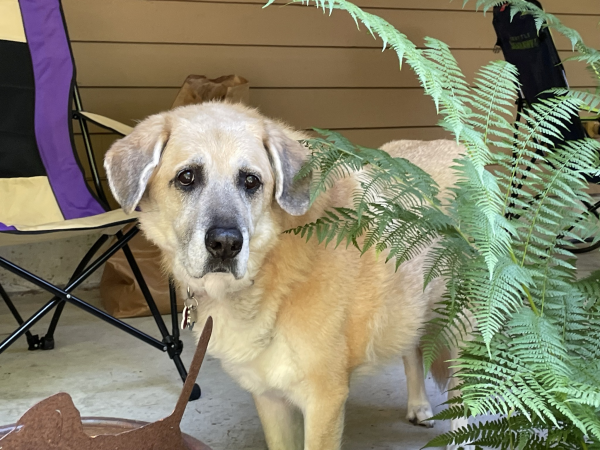
Have you ever noticed that your dog seems to swallow his food without chewing? You’re not alone.
Many dog owners wonder why their furry friends skip this crucial step in eating. Understanding why your dog does this can help you ensure he's getting the most out of his meals and staying healthy. We'll dive into the reasons behind this behavior, giving you insight into your dog's eating habits and how they affect his overall well-being.
Stick around to learn more about your dog's unique dining style and how you can help him enjoy his food even more.
Normal Chewing Behavior In Dogs
Understanding your dog’s normal chewing behavior can help you spot when something is off. Dogs chew their food in ways that suit their breed, age, and individual preferences. Observing these habits closely might reveal why your dog doesn’t chew his food like you expect.
How Dogs Typically Eat
Most dogs use their teeth to tear and break down food into smaller pieces before swallowing. They often gulp down their meals quickly, especially if they feel competition around. Some dogs chew slowly and savor their food, while others might barely chew at all, swallowing chunks whole.
Your dog’s chewing style can depend on the texture of the food. Dry kibble usually requires more chewing than soft, wet food. Have you noticed if your dog changes his chewing habits based on what type of food you give him?
Benefits Of Chewing Food
Chewing is more than just breaking food apart; it helps with digestion by mixing saliva with the food. This process starts the breakdown of starches and makes it easier on your dog’s stomach. Chewing also exercises your dog’s jaw muscles and can help keep teeth clean.
If your dog isn’t chewing well, it might affect how well he digests his meal or could cause discomfort. Have you ever seen your dog struggle or seem rushed during mealtime? This could be a clue to why he’s skipping the chewing step.
Credit: www.petscare.com
Common Reasons Dogs Skip Chewing
Not all dogs chew their food thoroughly, and understanding why can help you address any concerns you might have. Dogs skipping chewing is more common than you think and usually ties back to their natural instincts, physical traits, or learned behaviors. Let’s look at some common reasons why your dog might be gulping down their meals instead of chewing them.
Preference For Swallowing
Some dogs simply prefer to swallow their food quickly rather than chew it. This might be because they are more focused on eating fast, especially if they feel competition from other pets around. If your dog has a history of eating in a rushed environment, they may have developed a habit of gulping to avoid losing their meal.
Have you noticed your dog looking around nervously while eating? That could be a sign they’re trying to eat fast to avoid interruptions.
Breed And Size Influences
Breed and size can play a big role in how dogs eat. Larger breeds or those with shorter snouts often have different chewing habits compared to smaller or long-snouted breeds. For example, Greyhounds tend to swallow food quickly due to their narrow mouths, while smaller breeds might nibble more slowly.
Think about your dog’s breed characteristics—does their mouth shape or size make chewing more challenging or less necessary for them?
Eating Habits From Puppyhood
How your dog was fed as a puppy often shapes their eating style for life. Puppies who were bottle-fed or given soft food might never develop strong chewing habits. On the other hand, those encouraged to chew on toys or harder food early on usually learn to chew their meals properly.
If your dog skips chewing, consider whether their early feeding routine included enough chewing practice or if it was mostly soft, easy-to-swallow food.
Health Issues Affecting Chewing
Sometimes, your dog may refuse to chew his food, and health issues could be the hidden reason behind this behavior. Understanding the possible medical causes can help you address the problem early and improve your dog's eating experience. Let's look at some common health issues that might affect your dog's chewing habits.
Dental Problems
Dental issues like broken teeth, tartar buildup, or gum disease can make chewing painful for your dog. If your dog suddenly stops chewing, it might be trying to avoid discomfort caused by these problems.
Check for signs such as bad breath, bleeding gums, or excessive drooling. Regular dental check-ups can prevent many of these issues and keep your dog comfortable during mealtime.
Oral Pain Or Discomfort
Oral pain doesn’t always stem from dental problems. Infections, ulcers, or injuries inside the mouth can also make chewing difficult or painful.
Has your dog been pawing at his mouth or showing reluctance to eat dry food? These behaviors may indicate oral discomfort. Visiting your vet for a thorough oral exam can reveal hidden issues.
Digestive Concerns
Sometimes, the problem is not with the mouth but with the stomach or intestines. Dogs with digestive issues might avoid chewing because swallowing whole pieces causes less discomfort.
If your dog seems to gulp down food or shows signs of nausea, vomiting, or diarrhea, digestive problems could be the reason. Addressing these concerns with your vet will help improve your dog’s overall eating habits.
Behavioral Causes Behind Fast Eating
Dogs often eat quickly due to certain behaviors. These habits can affect how your dog chews and swallows food. Understanding these behaviors helps improve your dog's eating habits. Fast eating can lead to choking or digestive issues. Identifying the cause is important for your dog's health.
Anxiety And Stress
Stress makes dogs eat faster. They may feel unsafe or worried. This causes them to gulp food quickly. Noise, new places, or changes at home trigger anxiety. Calm environments help dogs eat more slowly. Relaxed dogs chew better and enjoy their meals.
Competition With Other Pets
Dogs eat fast when other pets are nearby. They race to finish before others take their food. This competition creates pressure. Meals become a race instead of a calm routine. Feeding pets separately can reduce this rush. It helps dogs focus on chewing properly.
Lack Of Training Or Habit
Some dogs never learn to chew well. They develop habits of swallowing food whole. This can happen from puppyhood or past experiences. Teaching dogs to eat slowly takes time. Use small portions and encourage chewing. Training builds better habits for healthier eating.
Food Type And Texture Impact
Food type and texture play a big role in how dogs eat. Some dogs prefer soft food that is easy to swallow. Others like crunchy kibble that they can chew. The way food feels in a dog’s mouth affects their chewing habits. Understanding these preferences can help explain why your dog may not chew their food.
Wet Vs. Dry Food Preferences
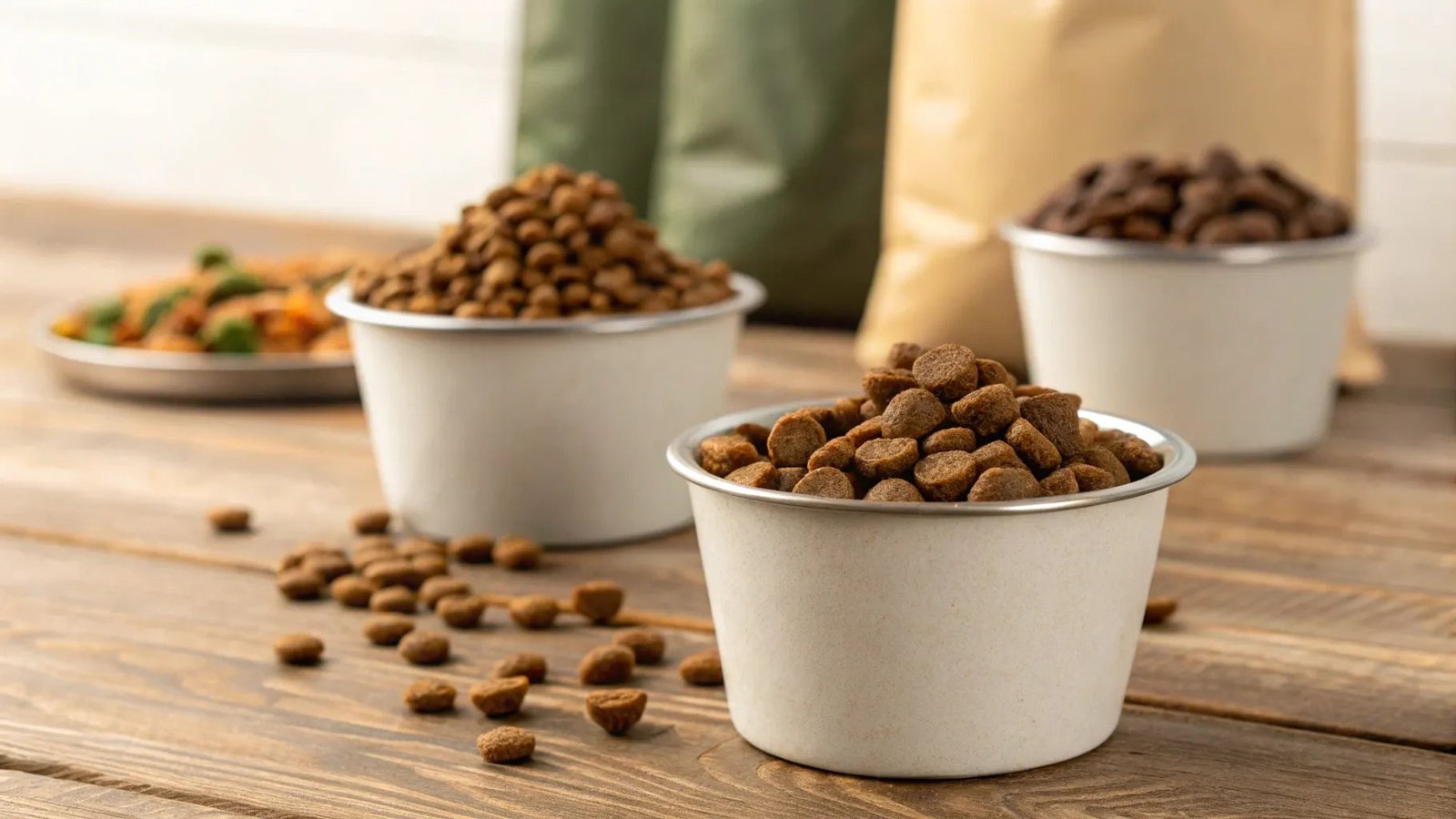
Wet food is soft and moist. Many dogs find it easier to eat without chewing much. It can be swallowed quickly, especially by older dogs or those with dental issues. Dry food, or kibble, is hard and crunchy. Dogs usually need to chew this type of food to break it down.
Some dogs dislike dry food because it can be tough to chew. Others may avoid chewing if wet food is their main diet. Switching between wet and dry food can change your dog’s eating style.
Size And Shape Of Kibble
Kibble size affects how dogs eat. Large pieces may be hard to chew for small dogs or those with weak teeth. Small kibble is easier to chew and swallow. Shape also matters. Round or flat pieces can be easier to handle than oddly shaped ones.
Dogs might swallow kibble whole if it is too large or awkward. This avoids chewing but can cause digestion issues. Choosing the right size and shape helps encourage proper chewing.
Flavor And Smell Factors
Flavor and smell influence how dogs eat food. Strong scents can excite dogs to eat more eagerly. Mild or bland food might not interest them much. If a dog does not like the flavor, it may eat quickly without chewing.
Some dogs chew more when food smells fresh and tasty. Others may gulp food if the taste is not appealing. Offering a variety of flavors can help find what encourages chewing.

Credit: snoutsnstouts.com
How To Encourage Proper Chewing
Encouraging your dog to chew their food properly can improve digestion and reduce choking risks. Understanding how to guide your dog towards better chewing habits takes patience and the right tools. Let’s look at some practical ways you can help your dog slow down and enjoy their meals more mindfully.
Choosing The Right Food
Sometimes, the type of food you offer influences how your dog eats. Dry kibble with a crunchy texture encourages chewing more than soft or wet food. You might want to try larger kibble pieces that require more effort to break down.
If your dog is used to soft food, mix in some dry pieces gradually. This helps them adjust without overwhelming their palate. Have you noticed if your dog prefers certain textures? Observing this can guide your choice.
Training Techniques
Teaching your dog to chew properly involves consistent training during mealtimes. Start by offering small portions and rewarding them when they chew instead of gulping. Use calm commands like “slow” or “chew” to reinforce the behavior.
Practice patience. If your dog swallows food whole, gently interrupt and wait for them to chew before continuing. Over time, they will learn that chewing leads to a more enjoyable and longer meal experience.
Using Chew Toys And Slow Feeders
Chew toys are great tools for encouraging your dog to develop proper chewing habits. They satisfy your dog’s natural urge to chew and can help distract from gulping food too quickly. Offer toys before or after meals to build this habit.
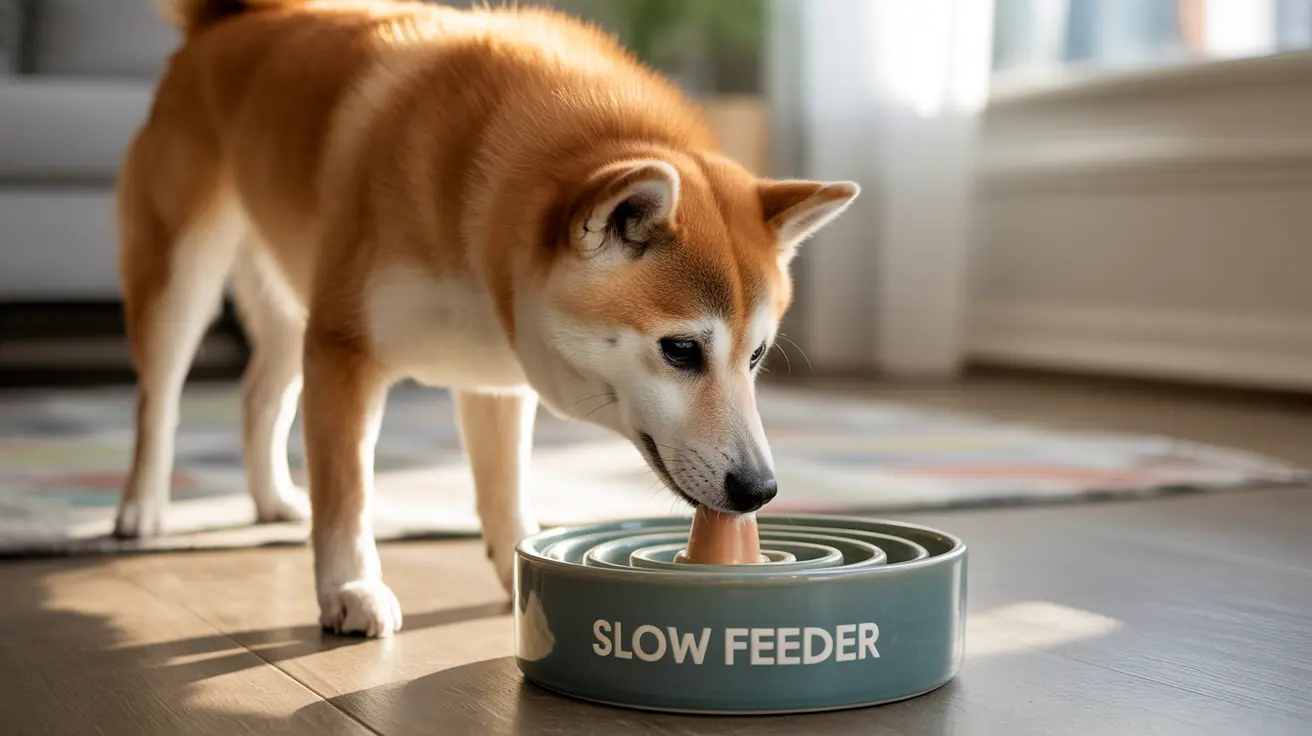
Slow feeders are specially designed bowls that make it harder for your dog to grab large amounts of food at once. These feeders turn mealtime into a fun challenge, naturally slowing down their eating pace. Have you tried one? Many dog owners notice a big improvement in chewing and digestion.
When To See A Vet
Not chewing food can signal a problem with your dog’s health. Recognizing when to visit the vet helps catch issues early. Timely care prevents pain and serious complications for your pet.
Signs Of Dental Issues
- Bad breath that does not improve
- Red or swollen gums
- Difficulty chewing or dropping food
- Excessive drooling or pawing at the mouth
- Loose or broken teeth
Behavioral Changes To Watch For
- Refusing to eat or eating less than usual
- Showing signs of pain or discomfort
- Becoming more withdrawn or less active
- Growling or snapping when touched near the mouth
- Changes in sleeping or resting habits
Regular Health Checkups
Schedule vet visits at least once a year. Routine exams help catch dental and health issues early. Your vet can clean teeth and advise on proper care. These checkups keep your dog comfortable and healthy.
Credit: www.dogster.com
Frequently Asked Questions
Why Does My Dog Swallow Food Without Chewing?
Some dogs instinctively swallow food quickly to avoid competition. Others may lack teeth or have dental pain. Chewing habits vary by breed and individual preference. Always check for oral health issues if your dog suddenly stops chewing.
Can Dental Problems Cause My Dog To Avoid Chewing?
Yes, dental pain or gum disease can make chewing uncomfortable. Dogs may avoid chewing to reduce pain. Regular vet dental checks help identify problems early. Treating dental issues often restores normal chewing behavior.
Is Fast Eating Harmful For My Dog?
Fast eating can cause choking, vomiting, or digestive issues. It may lead to bloating, a serious condition. Using slow feeder bowls or dividing meals encourages slower eating. This improves digestion and reduces health risks.
How Can I Encourage My Dog To Chew Food Properly?
Offer dry kibble or chew toys to promote chewing. Avoid overly soft or small food pieces. Praise and reward your dog for chewing well. Consult your vet for persistent chewing problems or dental concerns.
Conclusion
Dogs may not chew food due to habits, health, or food type. Watch your dog's eating closely to spot any problems early. Changing food texture or size might help your dog chew more. Always check with a vet if your dog shows discomfort or changes in eating.
Understanding your dog’s needs improves their health and happiness. Patience and care make mealtime better for both you and your dog. Keep learning about your pet’s behavior to support them well.