Does your furry friend seem to be having an unexpected bout of diarrhea? You might be worried, and understandably so.
Diarrhea in dogs is a common issue, but it can be distressing for both you and your pet. The good news is, you can often manage this problem right at home with some simple, effective methods. Imagine the relief of knowing exactly what to do when your dog isn't feeling their best.
In this guide, you’ll discover easy and practical steps to help your dog recover quickly and comfortably. Don’t let confusion and uncertainty hold you back—empower yourself with the knowledge you need to care for your beloved pet. Dive in, and learn how to treat your dog with diarrhea at home, keeping them happy and healthy!

Credit: k9vitality.in
Recognizing Symptoms
Recognizing the symptoms of diarrhea in dogs is the first step to providing proper care. Early detection helps prevent complications and speeds up recovery. Knowing what signs to watch for allows you to act quickly and keep your dog comfortable.
Signs Of Diarrhea In Dogs
- Loose or watery stools that occur more often than usual
- Increased urgency to defecate
- Straining or discomfort during bowel movements
- Presence of mucus or blood in the stool
- Frequent licking of the rear or signs of irritation
- Changes in appetite or lethargy
When To Seek Vet Help
- Diarrhea lasting more than 24 to 48 hours
- Signs of dehydration such as dry gums or sunken eyes
- Vomiting along with diarrhea
- Blood in stool or black, tarry feces
- Severe abdominal pain or bloating
- Weakness, fever, or unusual behavior changes
Causes Of Diarrhea
Diarrhea in dogs can happen for many reasons. Understanding the cause helps in treating it well at home. Some causes are simple and easy to fix. Others may need more care or a vet visit.
Dietary Issues
Sudden changes in food can upset your dog’s stomach. Eating spoiled or rich food may cause diarrhea. Some dogs react to food allergies or intolerance. Table scraps and garbage can also lead to tummy trouble. A balanced diet helps keep digestion smooth and healthy.
Infections And Parasites
Bacteria, viruses, and parasites often cause diarrhea in dogs. Common infections include salmonella and parvovirus. Worms like roundworms and giardia can irritate the intestines. These infections need proper treatment to avoid serious illness. Keeping vaccinations and deworming up to date is important.
Stress And Anxiety
Stress can affect a dog’s digestive system. Changes in environment, travel, or loud noises may trigger diarrhea. Separation anxiety also causes stomach upset. Dogs need calm and comfort to help their digestion. Reducing stress can improve bowel health quickly.
Home Care Tips
Taking care of a dog with diarrhea at home needs a calm and careful approach. Providing the right care helps your dog heal faster and feel better. Focus on simple steps to support your dog’s digestion and hydration.
Fasting And Hydration
Stop feeding your dog for 12 to 24 hours to give the stomach a rest. Do not withhold water. Offer small amounts of fresh water often to prevent dehydration. Use an electrolyte solution if your dog refuses water. Monitor water intake closely to avoid severe dehydration.
Bland Diet Options
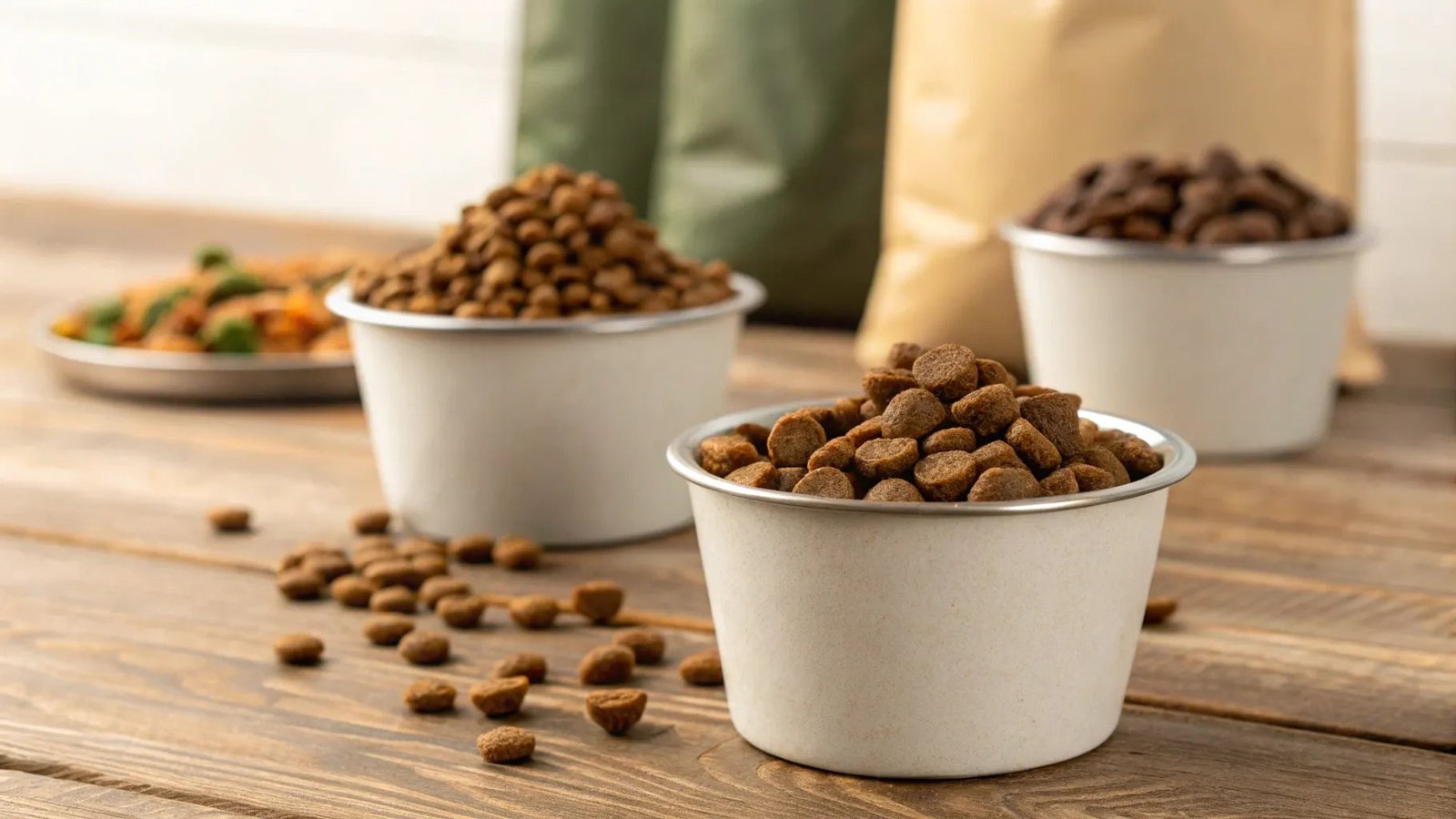
After fasting, introduce a bland diet slowly. Choose easy-to-digest foods like boiled chicken or turkey (no skin or bones) and plain white rice. Feed small portions several times a day. Avoid fatty, spicy, or sugary foods. Continue the bland diet for 3 to 5 days or until stools improve.
Probiotics For Recovery
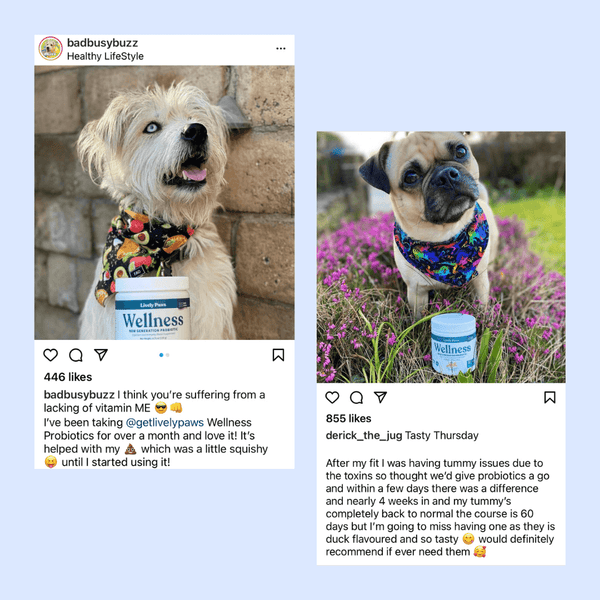
Probiotics help restore good bacteria in the gut. Use dog-specific probiotic supplements or plain yogurt with live cultures. Add probiotics to your dog’s meals daily. Probiotics support digestion and reduce diarrhea duration. Consult your vet for the best probiotic options and correct dosage.
Preventing Future Episodes
Preventing future episodes of diarrhea in your dog is just as important as treating it when it happens. Consistency and attention to your dog’s daily habits can keep their digestive system stable and healthy. Small changes in feeding, regular health checks, and managing stress can make a big difference.
Safe Feeding Practices
Feeding your dog the right food helps avoid tummy troubles. Stick to a balanced diet designed for your dog’s age and breed. Avoid sudden changes in their meals, as this can upset their stomach.
Make sure treats and table scraps are given sparingly. Some human foods, like chocolate or onions, can cause severe digestive issues. Always check if a new food is safe before adding it to your dog’s diet.
Regular Vet Checkups
Regular visits to the vet catch health problems before they get serious. Your vet can spot signs of allergies, infections, or parasites that cause diarrhea. Even if your dog seems fine, these checkups help maintain their overall health.
Consider discussing a stool test during visits. It’s a simple way to detect hidden issues. Would you want to catch a problem early, before your dog feels unwell?
Stress Reduction Techniques
Stress can upset your dog’s digestive system just like it does for humans. Identify what stresses your dog – loud noises, new environments, or separation anxiety. Then, create a calm space where they feel safe and relaxed.
Try daily walks, interactive toys, or gentle massage to reduce anxiety. These small efforts can prevent stress-related diarrhea. How does your dog usually react to new situations, and what calms them down?
When To Contact A Vet
Knowing when to contact a vet is crucial if your dog has diarrhea. While mild cases often clear up with simple home care, some signs mean your dog needs professional attention. Ignoring these warning signs can lead to serious health issues.
Persistent Diarrhea
If your dog’s diarrhea lasts more than 24 to 48 hours, it’s time to call the vet. Long-lasting diarrhea can indicate infections, parasites, or underlying health problems. Don’t wait—persistent diarrhea can quickly drain your dog’s energy and nutrient levels.
Signs Of Dehydration
Diarrhea can cause dehydration fast, especially in small or elderly dogs. Check for dry gums, sunken eyes, or lethargy. You can also gently pinch the skin on the back of your dog’s neck—if it doesn’t snap back quickly, dehydration might be setting in.
If you notice any of these signs, reach out to your vet immediately. Dehydration requires prompt treatment to avoid serious complications.
Additional Symptoms To Watch
Watch for vomiting, blood in stool, fever, or a swollen belly. These symptoms can point to more serious issues like infections or blockages. If your dog refuses food for more than 24 hours or seems unusually weak, don’t hesitate to get veterinary help.
Have you ever noticed sudden changes in your dog’s behavior during illness? Sometimes these subtle shifts are the earliest clues that your pet needs professional care.
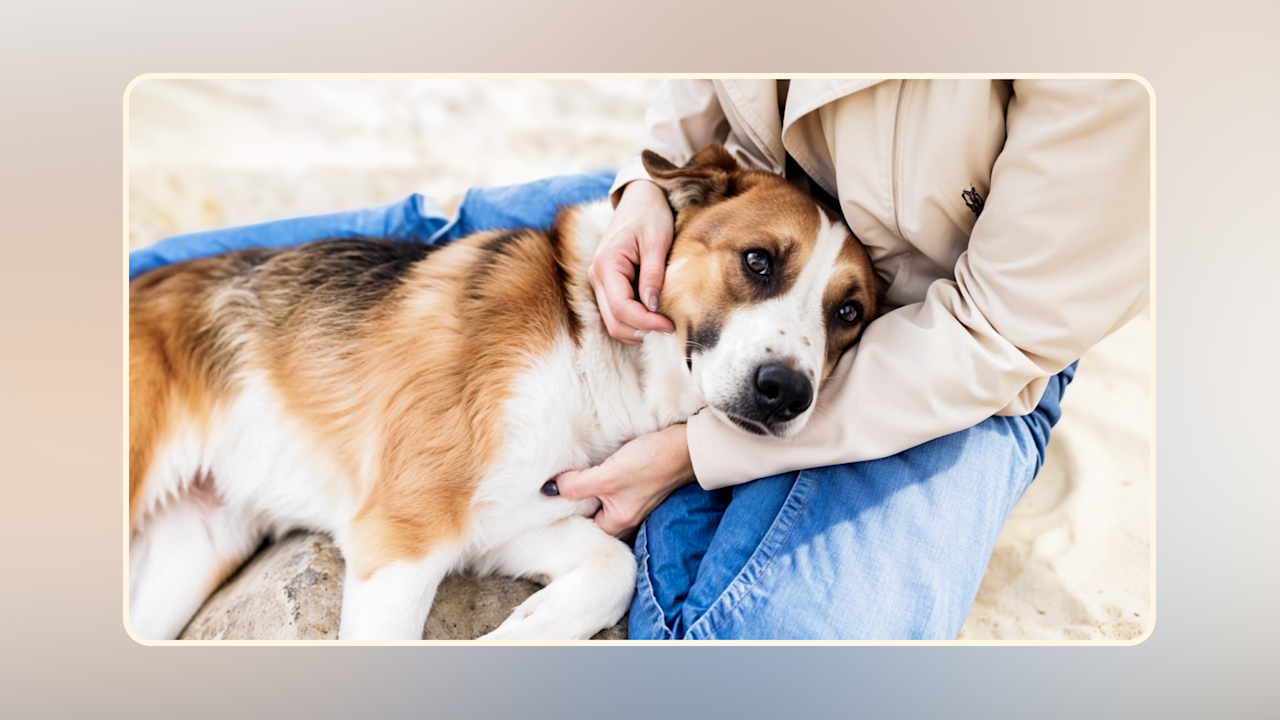
Credit: wefeedraw.com

Credit: www.holistapet.com
Frequently Asked Questions
How Long Does Dog Diarrhea Usually Last?
Dog diarrhea typically lasts 1 to 3 days. If it persists beyond this, consult a vet. Prolonged diarrhea can indicate serious health issues needing medical attention.
What Foods Help Stop Dog Diarrhea Fast?
Feeding bland foods like boiled chicken and rice can help stop dog diarrhea. These foods are easy to digest and soothe the stomach.
When Should I See A Vet For Dog Diarrhea?
See a vet if diarrhea lasts over 48 hours, contains blood, or your dog is lethargic. Immediate care is crucial for severe symptoms or dehydration signs.
Can Probiotics Help Treat Dog Diarrhea At Home?
Yes, probiotics can restore healthy gut bacteria and improve digestion. They support faster recovery from diarrhea and enhance your dog’s overall gut health.
Conclusion
Treating your dog’s diarrhea at home needs care and patience. Keep your dog hydrated with fresh water. Offer a bland diet like boiled chicken and rice. Watch for signs like lethargy or blood in stool. Rest helps your dog recover faster.
If diarrhea lasts more than two days, contact your vet. Early action can prevent serious problems. Your dog will feel better soon with gentle care. Stay calm and observe closely. Small steps make a big difference in your dog’s health.