
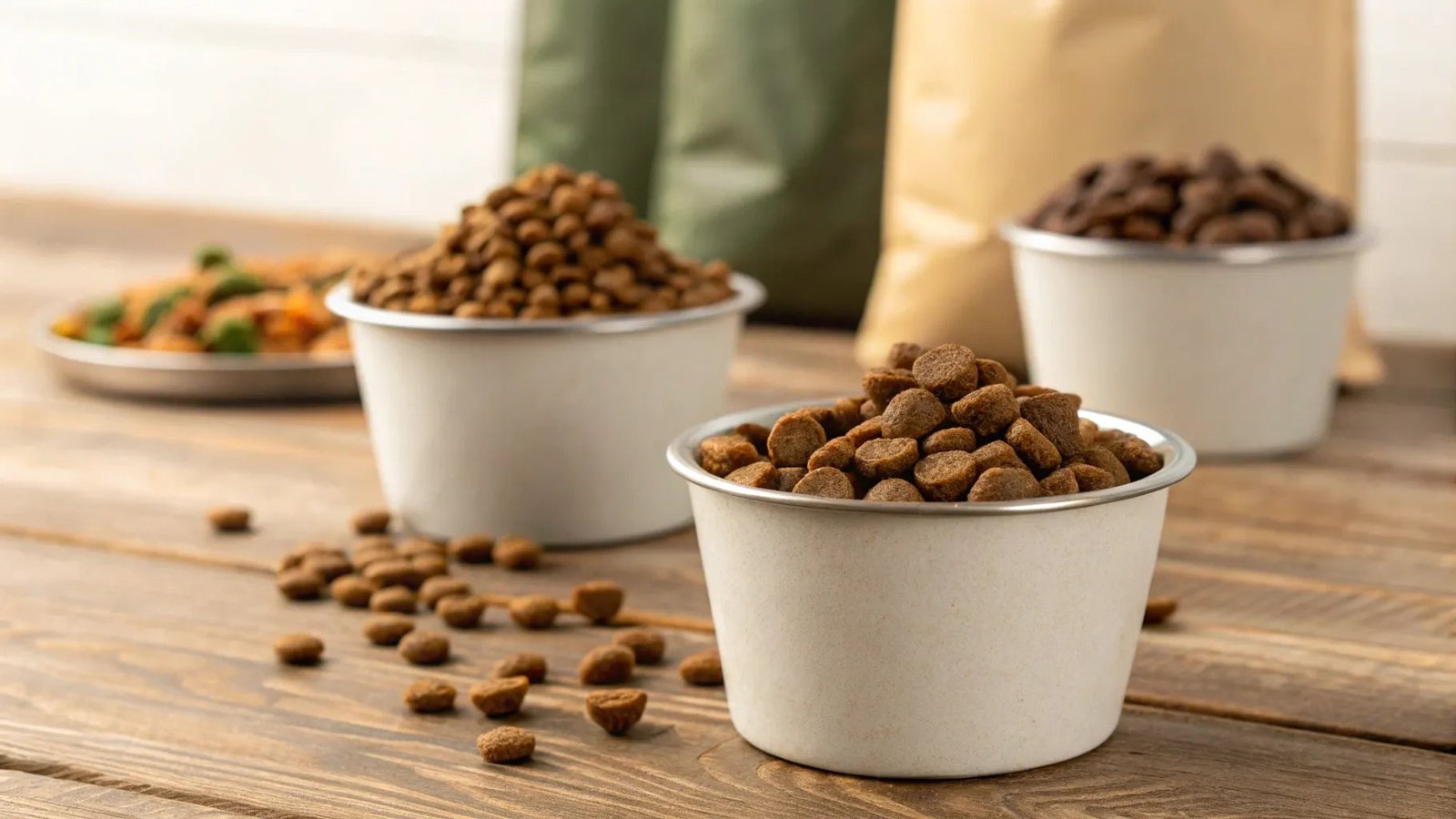
Are you curious about how many cups are in 30 lbs of dog food? Understanding this can make feeding your furry friend much easier and more efficient.
Whether you’re trying to plan your budget, organize your pantry, or just ensure your pet is getting the right amount of nutrition, knowing the cup-to-pound ratio is essential. This quick guide will help you decode the mystery, giving you the precise measurements you need.
Stick around to find out how many meals you can serve from a single bag and make feeding time a breeze. Ready to make your pet's mealtime more manageable? Let's dive in!
Weight To Volume Conversion
Understanding how to convert weight to volume is key when measuring dog food. Bags show weight in pounds, but feeding guidelines often use cups. This makes conversion important for accurate feeding. Volume depends on the density of the food, so 30 pounds doesn’t equal the same number of cups in every case.
Converting weight to volume is not a simple fixed number. The size and shape of the kibble change how much fits in a cup. Knowing these details helps avoid overfeeding or underfeeding your dog.
Factors Affecting Measurement
- Density of the Food:Different brands have different kibble densities.
- Moisture Content:Wet or dry foods weigh differently for the same volume.
- Kibble Size and Shape:Larger pieces take up more space in a cup.
- How Tightly Packed:Scooping method affects the volume measurement.
Each of these factors changes how many cups equal 30 pounds of dog food. Always check the bag or brand information for better accuracy.
Typical Cup Size For Dog Food
The standard measuring cup used for dog food is usually 8 fluid ounces. However, the weight of food in one cup varies by brand.
| Dog Food Type | Approximate Weight per Cup | Cups in 30 Pounds |
|---|---|---|
| Dry Kibble | 4 to 5 ounces | 96 to 120 cups |
| Freeze-Dried | 2 to 3 ounces | 160 to 240 cups |
| Wet Food (Packed) | 7 to 8 ounces | 60 to 68 cups |
Use this table as a rough guide. Always measure your specific brand for best results.
Calculating Cups In 30 Pounds
Understanding how many cups are in 30 pounds of dog food helps manage feeding portions. Dog food varies in size and weight, so cups and pounds don't always match directly. Knowing the average density of the dog food makes this conversion easier. This allows pet owners to measure food accurately and avoid overfeeding or underfeeding.
Average Density Of Dog Food
Dog food density changes based on brand and type. Dry kibble is lighter and less dense than wet food. On average, dry dog food weighs about 4 to 5 ounces per cup. This average helps estimate how many cups fit in 30 pounds. For example, if one cup weighs 4.5 ounces, you can calculate the total cups in 30 pounds.
Step-by-step Conversion Process
- Convert pounds to ounces: 30 pounds × 16 ounces = 480 ounces.
- Determine the weight of one cup of dog food in ounces (use 4.5 ounces as average).
- Divide total ounces by ounces per cup: 480 ÷ 4.5 = approximately 107 cups.
This simple calculation gives a close estimate of cups in 30 pounds. Adjust the ounces per cup based on your dog food brand for accuracy.
Variations By Dog Food Type
Dog food varies widely in type and form. This affects how many cups you get from 30 pounds. Knowing these differences helps feed your dog the right amount.
Dry Kibble Differences
Dry kibble is the most common dog food type. The size and shape of kibble pieces differ by brand. This changes how many cups fit into 30 pounds.
For example, smaller kibble pieces pack more densely. Larger pieces take up more space, so fewer cups per pound.
- Small kibble: About 120 to 130 cups in 30 pounds
- Medium kibble: Around 110 to 120 cups in 30 pounds
- Large kibble: Approximately 100 to 110 cups in 30 pounds
Wet Food Considerations
Wet dog food contains more moisture than dry kibble. This makes it heavier and denser per cup. One cup of wet food weighs more than one cup of dry food.
Therefore, 30 pounds of wet food will yield fewer cups. Expect about 20 to 25 cups depending on water content.
Wet food packaging often shows weight, not volume. Measuring by weight is best for accuracy.
Specialty Diets And Their Impact
Specialty diets include grain-free, high-protein, or raw food types. These diets often have unique textures and densities.
Grain-free kibble might be denser, so fewer cups per 30 pounds. Raw diets typically come in chunks or patties, affecting cup size.
Some specialty foods contain added ingredients like vegetables or supplements. This changes volume and weight ratio too.
Always check the packaging or ask the manufacturer for cup-to-pound conversions.
Credit: www.petsmart.ca
Practical Tips For Measuring
Measuring dog food accurately helps maintain your pet's health and prevents waste. Using the right tools and techniques ensures each meal is just right. Simple steps improve feeding consistency and avoid overfeeding or underfeeding.
Choosing The Right Measuring Cup
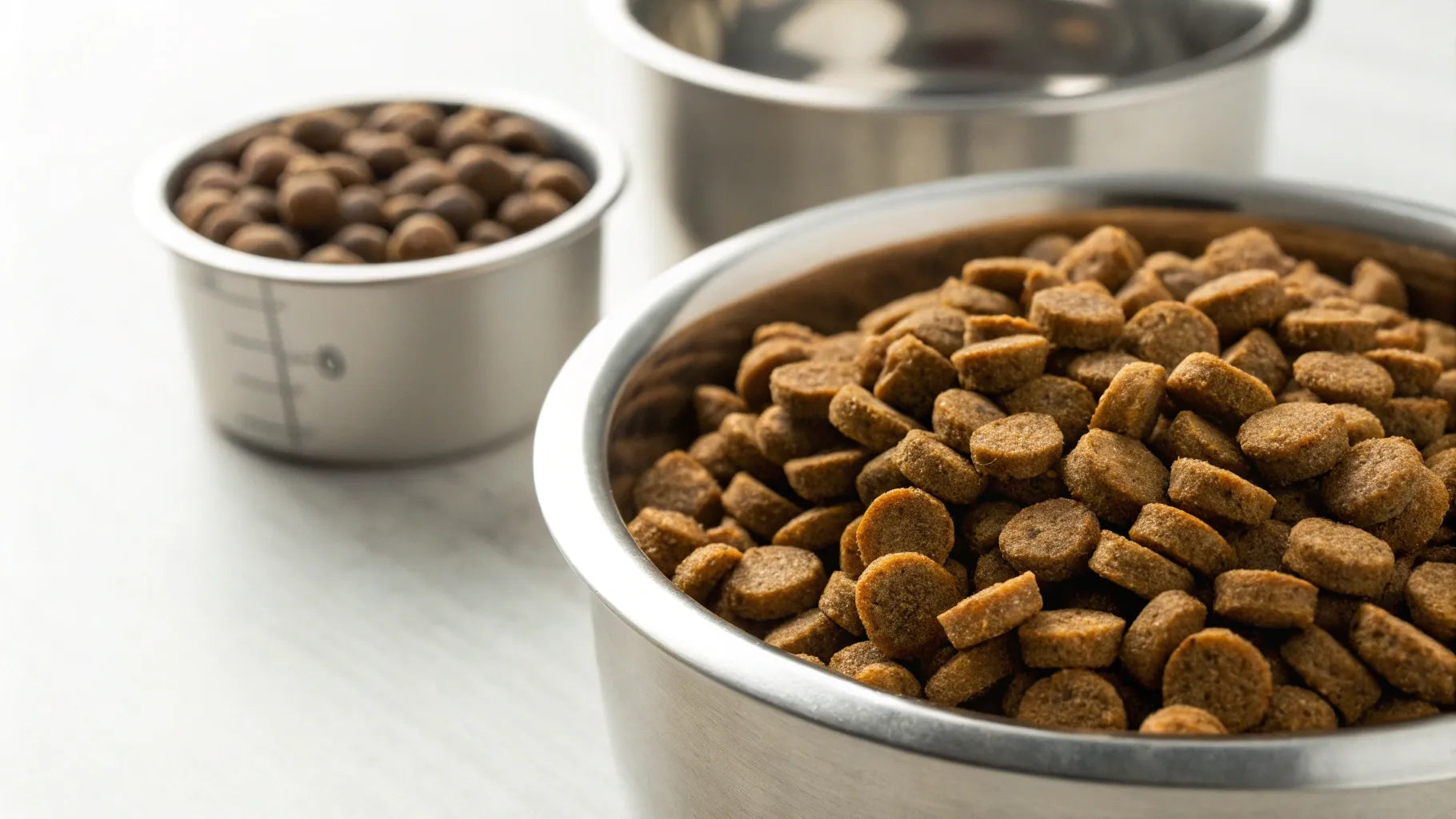
Select a measuring cup made for dry pet food. Plastic or metal cups with clear markings work best. Avoid cups meant for liquids; they can give wrong measurements. A cup with a flat bottom helps scoop evenly. Consider a cup size that matches your dog's portion size.
Ensuring Accuracy In Portion Sizes
Level off the food in the measuring cup for exact portions. Use a straight edge, like a knife, to smooth the top. Fill the cup gently to avoid packing food tightly. Check the dog food bag for recommended cup-to-pound conversions. Use a kitchen scale to verify cup measurements for better precision.
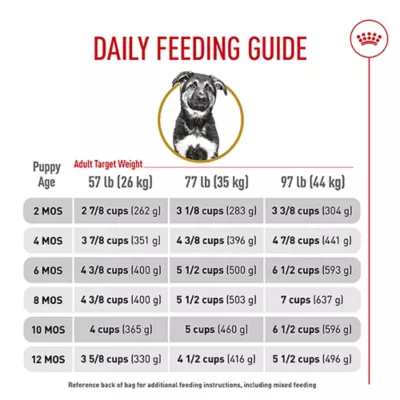
Feeding Guidelines Based On Weight
Feeding your dog the right amount of food is important for their health. Weight plays a key role in deciding how much to feed. Dogs of different sizes need different portions. Feeding guidelines based on weight help ensure your dog gets enough nutrition without overeating.
Daily Serving Recommendations
The daily amount of food depends on your dog's weight. Smaller dogs eat less, bigger dogs eat more. Here is a simple guide for daily servings:
| Dog Weight (lbs) | Daily Food (cups) |
|---|---|
| 5 - 20 | ½ - 1¼ cups |
| 21 - 50 | 1¼ - 2½ cups |
| 51 - 90 | 2½ - 4 cups |
| 91 - 130 | 4 - 5½ cups |
These are general amounts. Always check your dog’s specific needs.
Adjusting Portions For Activity Level
Activity affects how much your dog needs to eat. Active dogs burn more calories. They need larger portions to stay healthy.
- Low activity: Feed 10-20% less than normal.
- Moderate activity: Feed the recommended daily amount.
- High activity: Feed 10-20% more than normal.
Adjust portions slowly. Watch your dog’s weight and energy levels. This helps find the right balance.
Credit: www.houndsy.com

Credit: zignature.com
Frequently Asked Questions
How Many Cups Are In 30 Lbs Of Dog Food?
There are approximately 120 cups in 30 lbs of dog food. One pound usually equals about 4 cups. This can vary slightly depending on the dog food’s density and brand.
Does Dog Food Type Affect Cup Measurement?
Yes, dry dog food generally measures differently than wet food. Dry kibble is lighter and more consistent, while wet food weighs more and is less compact, affecting cup counts.
Why Is Knowing Cups Important For Feeding?
Knowing cups helps control portion sizes accurately. Proper measurement prevents overfeeding or underfeeding, ensuring your dog stays healthy and maintains an ideal weight.
Can Cup Size Vary By Measuring Tool?
Yes, cup sizes can vary slightly by the measuring tool used. Using a standard, consistent measuring cup is best for accuracy in feeding portions.
Conclusion
Knowing how many cups are in 30 lbs of dog food helps with feeding. It makes measuring easier and avoids overfeeding your pet. Different dog foods vary in weight per cup, so check the bag's label. This ensures your dog gets the right amount every day.
Proper feeding supports your dog's health and happiness. Keep measuring cups handy for quick, simple feeding. Feeding your dog well is a small effort with big benefits.