
If your furry companions turn mealtime into a battleground, you're not alone. Watching your beloved dogs fight over food can be both stressful and concerning.
You want peace, and so do they. Imagine a world where your pets eat side by side, tails wagging, without a hint of aggression. It's not just a dream—it's possible. With the right strategies, you can transform dinnertime chaos into harmony.
Curious to know how? Dive into this article to uncover simple yet effective tips that will help you restore tranquility in your home. Your dogs will thank you, and so will your peace of mind.

Credit: pupford.com
Causes Of Food Aggression
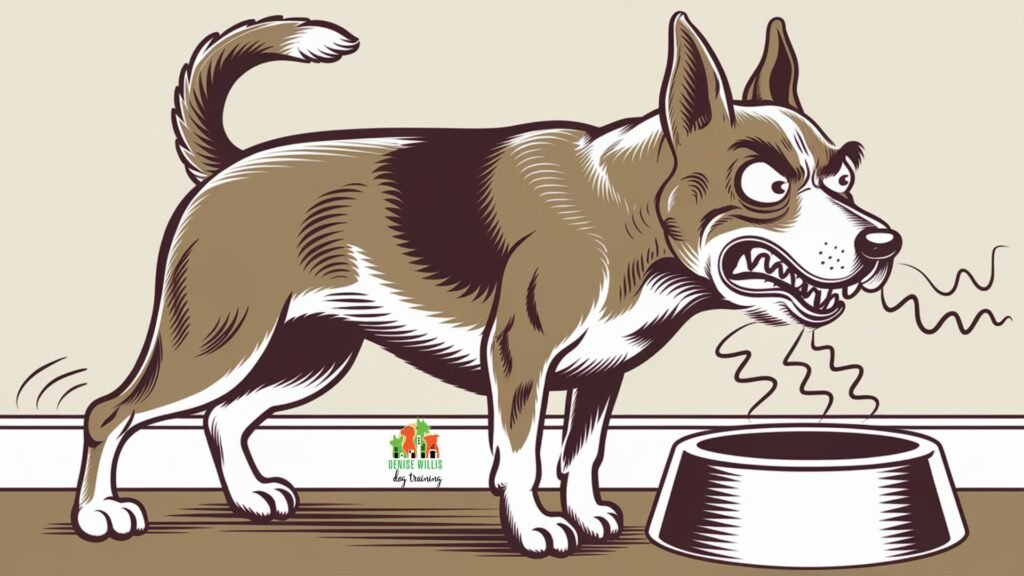
Food aggression in dogs can create tension and danger in your home. Understanding why dogs fight over food is key to stopping this behavior. Various factors can cause food aggression, ranging from natural instincts to past experiences. Knowing these causes helps you manage and prevent fights.
Resource Guarding Behavior
Dogs see food as a valuable resource. They may guard it to keep others away. This behavior is natural and meant to protect their meal. Some dogs become very protective, growling or snapping if others come close. Resource guarding helps dogs feel secure but can cause conflicts.
Competition In Multi-dog Homes
Multiple dogs in one home can create food competition. Each dog may worry about getting enough food. This worry can lead to aggressive behavior during mealtime. The fear of losing food pushes dogs to act defensively. Managing feeding times can reduce this competition.
Past Trauma Or Neglect
Dogs with a history of trauma or neglect often show food aggression. They may have experienced scarcity or harsh treatment. This makes them fearful and protective of their food. Such dogs need extra care and patience to feel safe. Understanding their past helps in building trust.
Credit: www.dwdogtraining.com
Setting Up Separate Feeding Areas
Setting up separate feeding areas is a crucial step to stop dogs from fighting over food. When dogs eat in shared spaces, competition and tension often arise. Giving each dog its own safe zone can reduce stress and create a peaceful mealtime environment.
Using Physical Barriers
Physical barriers like baby gates or exercise pens can help keep dogs apart during feeding time. These barriers create clear boundaries that prevent dogs from reaching each other’s food. You might find that even a simple crate or a tall box works as a divider.
Think about how your dogs react when they see each other eating. If they growl or stiffen, a barrier could be the solution to stop those sparks before they ignite.
Feeding Dogs In Different Rooms
Feeding your dogs in separate rooms gives them privacy and eliminates any chance of food guarding. Choose rooms where each dog feels comfortable and can eat without distractions. This also helps if one dog tends to finish faster and then tries to take the other's food.
Have you tried closing doors or using baby gates to create these separate feeding zones? It can be surprisingly effective in calming your dogs during mealtimes.
Avoiding Visual Contact
Even if dogs are in different spaces, seeing each other while eating can trigger possessive behavior. Try arranging feeding spots so your dogs can’t see each other. Turning bowls away or placing them behind furniture can make a big difference.
Does your dog still look up or growl when the other dog eats? Blocking their line of sight might be the missing piece to keep peace at meal times.
Establishing A Feeding Routine
Establishing a feeding routine is key to preventing fights over food between dogs. When you set clear rules and stick to a schedule, your dogs feel more secure and less likely to compete. A steady routine reduces anxiety and helps each dog understand their place during mealtime.
Consistent Meal Times
Feeding your dogs at the same times every day creates predictability. Dogs thrive on routine, and knowing when to expect food lowers stress. Try setting two or three specific times daily, and avoid leaving food out all day.
Have you noticed how your dogs behave differently when they don’t know when their next meal will be? Consistency calms them and cuts down on aggressive behavior.
Controlled Portions
Serving precise portions prevents food guarding and fights. Overfeeding can cause one dog to dominate the bowl, while underfeeding may lead to hunger-driven aggression. Use a measuring cup to give each dog the right amount.
Think about your own meals—would you feel calm if your plate was constantly changing size or disappearing? Dogs feel the same way. Controlled portions create fairness and balance.
Supervised Feeding Sessions
Watching your dogs while they eat helps catch any signs of tension early. Stand nearby and observe their body language, ready to intervene if necessary. This supervision teaches them that mealtime is safe and controlled.
Once, I noticed my dogs edging closer to each other’s bowls. I calmly separated them and rewarded calm behavior. Over time, they learned to respect boundaries without needing constant intervention.
Training Techniques To Reduce Aggression
Training techniques play a key role in reducing food aggression between dogs. Consistent practice helps dogs feel safe and understand boundaries. Training builds trust and teaches dogs to share space calmly. It also creates a peaceful environment during meal times.
These techniques focus on rewarding good behavior and managing triggers. Regular sessions encourage dogs to respond calmly around food. Patience and repetition make the training effective and long-lasting.
Positive Reinforcement
Positive reinforcement means giving rewards for calm behavior near food. Use treats, praise, or petting to encourage good manners. When dogs wait quietly or walk away from food, reward them immediately. This helps dogs link calm actions to positive outcomes.
Ignore aggressive or pushy behavior. Avoid punishment, as it may increase fear or aggression. Keep training sessions short and fun. Repeat often to reinforce peaceful behavior around food bowls.
Teaching 'leave It' Command
The 'Leave It' command teaches dogs to stop focusing on food or objects. Start by holding a treat in your closed hand. Say "Leave it" and wait for the dog to stop trying. Once the dog looks away or backs off, give a different treat as a reward.
Practice this command near food bowls. It helps dogs control impulses and respect boundaries. Gradually increase difficulty by placing food on the floor. Consistent practice helps dogs understand when to stop and wait.
Desensitization Exercises
Desensitization reduces strong reactions by slowly exposing dogs to triggers. Begin by feeding dogs at a distance where they feel safe. Gradually bring the food bowls closer over several sessions. Watch for signs of stress and pause if needed.
Combine this with positive reinforcement to create calm associations. This slow exposure helps dogs get used to sharing space without conflict. Over time, dogs learn to stay relaxed around each other’s food.
Managing High-value Treats
Managing high-value treats plays a key role in stopping dogs from fighting over food. These treats often cause competition because dogs see them as special rewards. Controlling how these treats are given can reduce tension and create a peaceful environment. Simple actions like fair sharing and creative feeding tools can make a big difference.
Distributing Treats Evenly
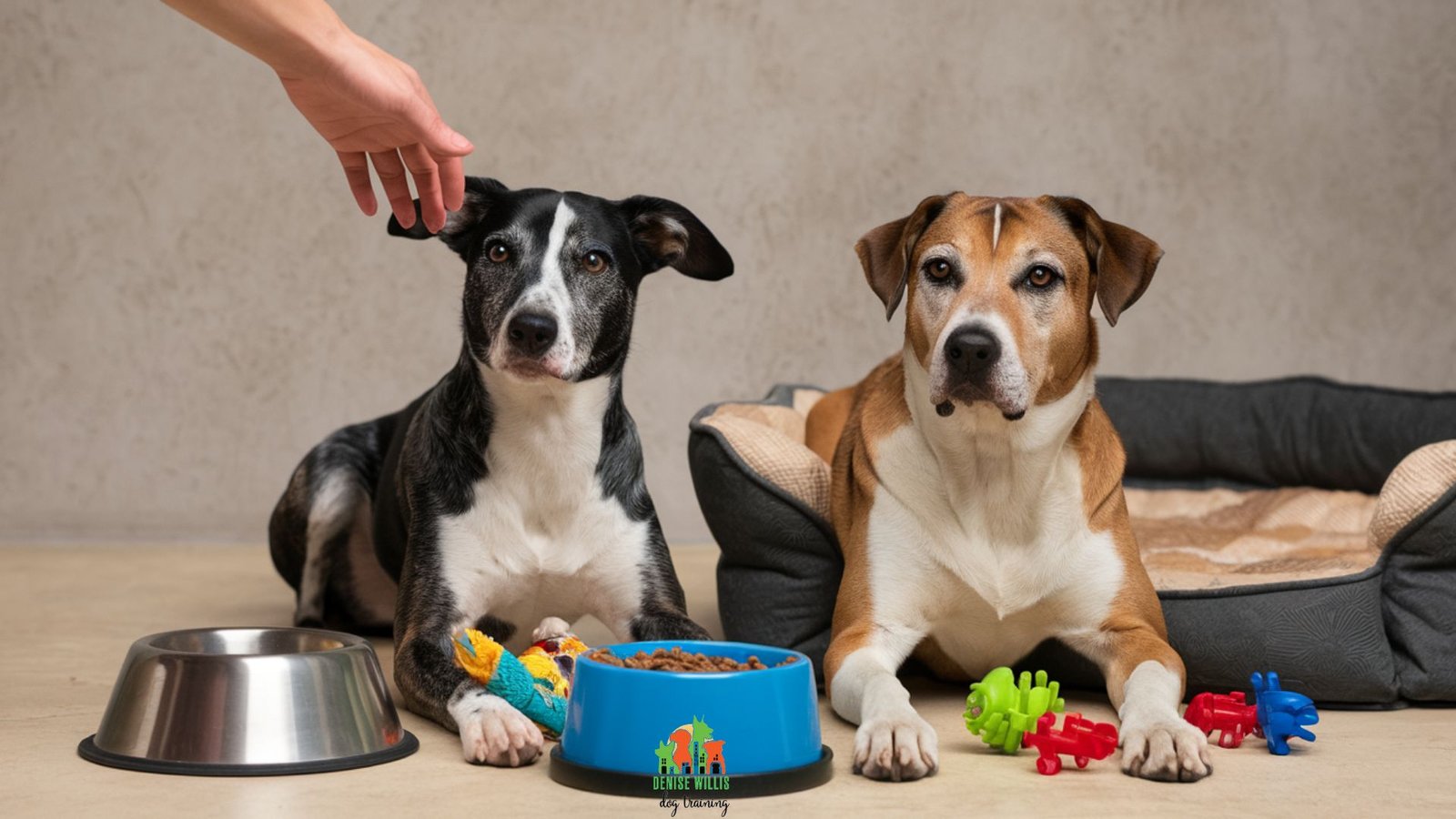
Give each dog the same amount of treats at the same time. This stops jealousy and helps dogs feel equal. Use separate bowls or place treats far apart. Watch dogs closely to prevent any pushing or grabbing. Equal sharing lowers the chance of fights.
Using Puzzle Feeders
Puzzle feeders slow down eating and keep dogs busy. They make dogs work for their treats, which reduces stress. These feeders can be filled with high-value treats and placed apart. Puzzle toys distract dogs from each other and lower competition.
Avoiding Competitive Situations
Give treats in different rooms or areas. This stops dogs from seeing each other while eating. Avoid feeding treats during playtime or high-energy moments. Calm settings help dogs relax and focus on their own food. Separate spaces reduce fights over special treats.
Credit: www.dwdogtraining.com
When To Seek Professional Help
Knowing when to seek professional help is important for your dogs' safety. Food fights can sometimes lead to serious injuries. Early intervention stops bad behavior from getting worse.
Professionals understand dog behavior deeply. They offer guidance tailored to your dogs’ needs. Acting quickly can save stress for you and your pets.
Recognizing Serious Aggression
Not all food disputes are the same. Look for signs of serious aggression like:
- Growling that sounds harsh and constant
- Snapping or biting attempts
- Stiff body posture and raised hackles
- Repeated fights over food despite your efforts
Such behavior can cause harm. These signals mean professional help is necessary.
Finding A Qualified Trainer
Choose a trainer with experience in dog aggression. Seek someone certified by a reputable organization. Ask about their methods and success stories.
A good trainer works gently and uses positive reinforcement. They teach dogs to share space calmly. Trainers also coach owners on handling tense moments.
Behavioral Therapy Options
Behavioral therapy helps change aggressive habits. Techniques include:
- Desensitization to triggers like food bowls
- Counter-conditioning to create positive associations
- Structured feeding routines to reduce stress
Therapy sessions may combine training and medication. Professionals design plans based on your dogs’ behavior. Therapy takes time but improves long-term peace.
Frequently Asked Questions
How Can I Prevent Dogs From Fighting Over Food?
Separate your dogs during feeding times to avoid competition. Use individual bowls in different areas. Supervise meals and feed them simultaneously to reduce tension and resource guarding.
What Training Helps Stop Food Aggression In Dogs?
Teach basic commands like “leave it” and “stay. ” Reward calm behavior around food. Consistent training and positive reinforcement reduce aggression and promote peaceful mealtime habits.
Should I Feed Dogs At The Same Time Or Separately?
Feeding dogs at the same time but in separate spaces minimizes fighting. It prevents resource guarding and ensures each dog eats peacefully without feeling threatened.
How Do I Recognize Signs Of Food Aggression In Dogs?
Look for growling, stiff body posture, raised hackles, or snapping near food. Early recognition helps manage and prevent fights by addressing the behavior promptly.
Conclusion
Stopping dogs from fighting over food takes patience and consistency. Give each dog its own space to eat. Feed them at the same time but apart. Watch their behavior closely during meals. Reward calm and peaceful actions with treats. Keep training simple and steady every day.
Over time, dogs learn to share and respect. Peaceful meal times make happy dogs and owners. Small steps lead to big changes in behavior. Keep trying, and your dogs will get along better.