Are you wondering when to switch your furry friend from puppy food to adult dog food? This can be a puzzling decision for many pet owners.
After all, you want to ensure your puppy grows up healthy and strong. Choosing the right time to make this transition is crucial for your dog's development and overall well-being. But don't worry, we're here to guide you through this important milestone.
By the end of this article, you'll have the confidence and knowledge to make the best choice for your beloved companion. Stay with us to discover the signs and tips that will make this switch a smooth and beneficial experience for both you and your dog.
Puppy Food Vs Adult Dog Food
Puppy food and adult dog food serve different roles in a dog’s life. Puppies need special nutrition to support fast growth and development. Adult dogs require balanced nutrients to maintain health and energy. Understanding the differences helps you choose the right food at the right time.
Nutritional Differences
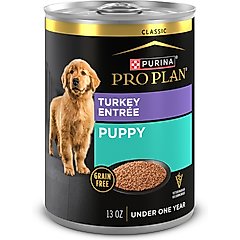
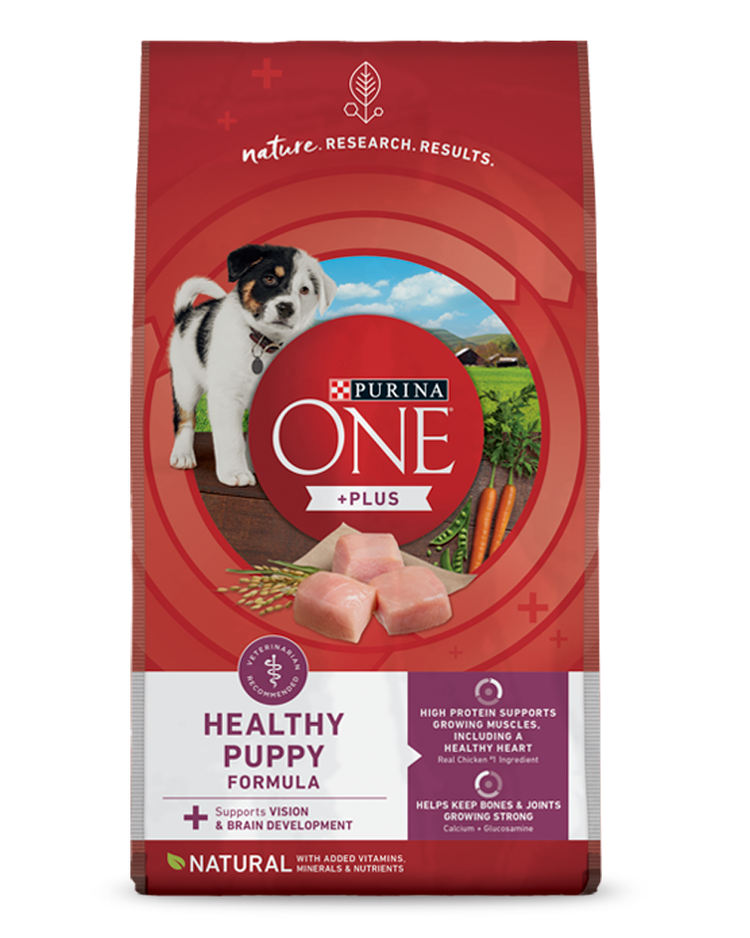
Puppy food contains more calories and protein than adult food. It supports muscle growth and brain development. Puppy food also has extra vitamins and minerals like calcium and DHA. Adult dog food has fewer calories to prevent weight gain. It includes nutrients for joint health and a strong immune system.
Benefits Of Puppy Food
- Supports rapid growth and energy needs
- Helps develop strong bones and teeth
- Boosts brain and eye development
- Contains higher fat for extra energy
Puppy food is softer and easier to chew. It helps puppies transition from milk to solid food.
Why Adult Food Matters
- Prevents obesity with controlled calories
- Maintains healthy weight and muscle mass
- Supports long-term joint and heart health
- Promotes a shiny coat and good digestion
Adult dog food fits the slower metabolism of mature dogs. It keeps them active and healthy for years.
Credit: www.chewy.com
Ideal Age To Switch
Knowing the right time to switch from puppy food to dog food is important for your pet’s health. Puppies need extra nutrients to grow, but adult dogs have different dietary needs. Feeding the right food at the right age helps keep your dog strong and active.
General Age Guidelines
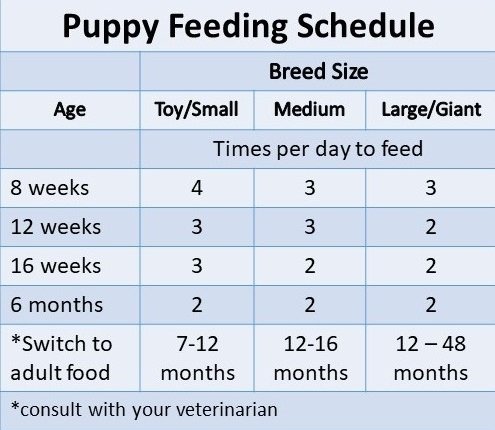
Puppies usually switch to adult dog food between 9 and 12 months old. Small breeds tend to mature faster and may switch closer to 9 months. Large breeds often need puppy food longer, up to 12 months or more. This is because they grow at a slower pace.
Switching too early can cause nutritional gaps. Too late may lead to excess calories and weight gain. Watch your puppy’s growth and energy levels to decide the best time.
Breed And Size Considerations
Breed size affects how long puppies need special food. Small breeds reach adulthood sooner than big breeds. For example:
- Small breeds:Switch around 9 months
- Medium breeds:Switch between 9 and 12 months
- Large breeds:Switch after 12 months, sometimes up to 18 months
Large breeds have unique needs. Their bones and joints develop slower, needing more nutrients during puppyhood. Choose dog food suited for your dog’s size and breed to support healthy growth.
Signs Your Puppy Is Ready
Knowing when to switch from puppy food to dog food is important for your pet’s health. Puppies need different nutrients than adult dogs. Watch for signs that show your puppy is ready for the change. These signs help you decide the right time.
Physical Growth Indicators
Puppies grow fast during the first months. Check their size and weight regularly. When your puppy reaches about 80% of their adult size, they may be ready. Teeth development is another clue. When the puppy has all adult teeth, it’s a good time to switch food.
Behavioral Changes
Puppies may start to eat less of the puppy food. They might seem less energetic or more focused. These changes show their metabolism is slowing down. Your puppy might also try to eat the adult dog food you offer. These behaviors suggest readiness for the new diet.
Health Checkpoints
Healthy puppies have shiny coats and clear eyes. Watch for steady weight and no digestive issues. A vet check can confirm if your puppy is healthy enough to change food. Regular vaccinations and deworming should be up to date. These health steps ensure a smooth transition.
Credit: www.purina.com
Transitioning Process
Switching your puppy from puppy food to adult dog food is more than just changing the bag on the shelf. It’s about helping your dog’s digestive system adjust smoothly and ensuring they continue to get the right nutrients. The transitioning process requires patience and attention to how your dog reacts to the new diet.
Gradual Food Mixing
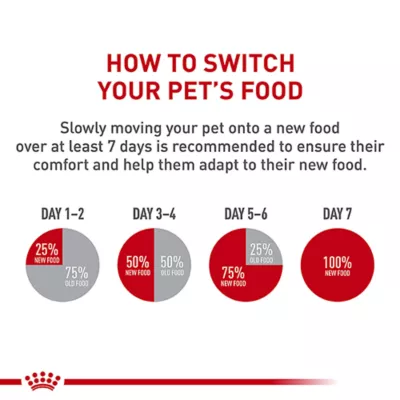
Start by mixing a small amount of adult dog food into your puppy’s current meals. For example, you might begin with 25% adult food and 75% puppy food. Over the course of 7 to 10 days, slowly increase the adult food portion while decreasing the puppy food.
This slow change helps prevent stomach upset. Have you noticed your dog’s reaction when you’ve switched foods too quickly? Often, they can experience diarrhea or vomiting if the transition is rushed.
Monitoring Digestive Response
Watch your dog’s stool and overall behavior during the transition. Firm, regular stools usually mean the change is going well. If you see loose stools, constipation, or signs of discomfort, it may be time to slow down the transition.
Keep a close eye on appetite and energy levels too. Sometimes, a dog may hesitate to eat new food at first. You can try warming the food slightly or adding a little broth to make it more appealing without adding unhealthy extras.
Adjusting Portion Sizes
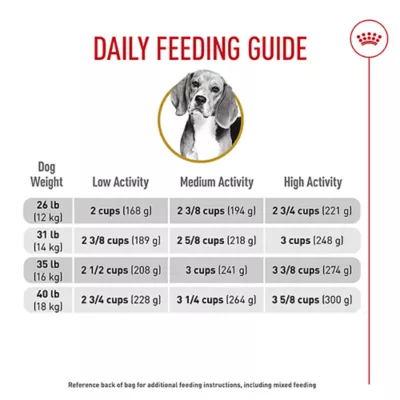
Adult dogs often need different portion sizes compared to puppies. As you switch foods, adjust the amount you feed according to your dog’s weight, activity level, and the feeding guidelines on the dog food package.
Remember, puppies grow quickly and have higher energy needs, but adult dogs usually require fewer calories. Overfeeding can lead to weight gain, which causes health issues later on. Have you checked your dog’s weight recently? Keeping portions right is key to their long-term health.
Common Mistakes To Avoid
Switching your puppy from puppy food to adult dog food is a big step that requires careful attention. Avoiding common mistakes can save your furry friend from digestive upset and nutritional gaps. Let’s look at key errors to watch out for so your transition is smooth and healthy.
Switching Too Early Or Late
Changing to adult dog food too early can leave your puppy without the nutrients needed for growth. On the flip side, waiting too long can lead to unnecessary weight gain or missing out on adult nutrition benefits.
Check your vet’s advice based on your puppy’s breed and size. Large breeds often need longer on puppy food, sometimes up to 12 months, while smaller breeds may switch sooner. Have you noticed your puppy’s energy or weight changing unexpectedly? That might signal it’s time to adjust their diet.
Sudden Food Changes
Jumping straight from puppy food to adult dog food can upset your dog’s stomach. A sudden switch often causes diarrhea or vomiting.
Instead, gradually mix increasing amounts of adult food over 7-10 days. This helps your puppy’s digestive system adjust without stress. Think about how you feel when you suddenly eat something new—your dog’s tummy reacts the same way.
Ignoring Puppy Preferences
Not paying attention to your puppy’s likes and dislikes can make mealtime a battle. Some dogs prefer certain textures or flavors, and forcing a new food can reduce their appetite.
Try different adult dog food options and note what your puppy enjoys. Keep mealtime positive and watch their enthusiasm. Are they eager to eat or pushing the bowl away? Adjusting based on their response can prevent food aversion and ensure they get enough nutrition.
Expert Tips For Smooth Change
Switching your puppy from puppy food to adult dog food needs care and attention. A smooth change helps your dog adjust well. Avoid sudden switches that can upset their stomach. Follow expert tips to make this transition easy and healthy.
Consulting Your Veterinarian
Your vet knows your dog’s health best. Ask them when to start the switch. They check your dog’s growth and health status. Vets suggest the right time and type of food. Their advice helps avoid nutrition problems.
Choosing Quality Adult Dog Food
Select adult dog food with balanced nutrients. Look for high protein and healthy fats. Avoid foods with fillers like corn or soy. Choose brands with clear ingredient lists. Quality food supports energy and good health.
Tracking Nutritional Needs
Watch your dog’s weight and energy during the change. Puppies need more calories than adults. Adjust the food amount as your dog grows. Track their coat, digestion, and behavior for signs. Good nutrition shows in a happy, active dog.
Credit: www.petsmart.com
Frequently Asked Questions
When Should I Switch My Puppy To Adult Dog Food?
Switch your puppy to adult dog food at about 12 months old. Large breeds may need to wait until 18-24 months. This ensures proper nutrition for growth and development. Always consult your vet for breed-specific advice.
How To Know If Puppy Food Is No Longer Suitable?
If your puppy is nearing one year and shows slowed growth, it’s time to switch. Also, adult dog food supports maintenance rather than growth. Watch for weight changes or digestive issues as signs to transition.
Can Switching Dog Food Too Early Harm My Puppy?
Yes, switching too early can cause nutrient deficiencies or digestive upset. Puppy food contains essential nutrients for growth. Transition gradually after consulting your vet to avoid health risks and ensure balanced nutrition.
What Is The Best Way To Transition From Puppy To Adult Food?
Gradually mix adult food with puppy food over 7-10 days. Increase adult food proportion daily to avoid digestive issues. This slow change helps your dog adjust comfortably to new nutrients and flavors.
Conclusion
Switching from puppy food to dog food needs care and timing. Watch your dog's growth and energy levels closely. Choose dog food that fits their size and breed. Gradually mix dog food with puppy food over days. This helps avoid stomach problems and keeps them happy.
Good nutrition supports strong bones and shiny fur. Regular check-ups with your vet ensure the change is right. Healthy eating sets your dog up for a long life. Pay attention to their needs and enjoy the journey together.