Are you standing in the pet food aisle, bewildered by the endless choices and wondering if there's a dog food better than Science Diet for your furry friend? You're not alone.
Choosing the right diet is crucial for your dog's health and happiness, but with so many options, it can be overwhelming. You might feel uncertain about what's truly best for your pet, but don't worry—we've got you covered. We'll explore alternatives that might just be the perfect fit for your canine companion.
Stick with us, and you'll discover not only which dog foods could surpass Science Diet but also how to make the best decision for your beloved pet. Ready to find out more? Let's dive in!
Limitations Of Science Diet
Science Diet is a popular choice for many dog owners, but it’s important to recognize its limitations before deciding if it’s the best option for your furry friend. Knowing what might be missing or problematic in this brand can help you make a better decision tailored to your dog’s unique needs. Let’s break down some of the key concerns that might make you look for alternatives.
Ingredient Quality Concerns
One common criticism of Science Diet is the use of lower-quality ingredients. While they meet basic nutritional standards, some formulas include fillers like corn, soy, and by-products that offer limited nutritional value. These ingredients may cause digestive issues or fail to provide the wholesome nutrition your dog deserves.
Have you noticed your dog’s coat looking dull or experiencing frequent stomach upset? These could be signs that the ingredient quality isn’t meeting their needs. Choosing a dog food with whole, recognizable ingredients can make a big difference in your pet’s overall health.
Price Vs Nutrition
Science Diet is often priced at a premium, which might make you expect top-tier nutrition. However, many pet owners find that the cost doesn’t always match the benefits. You might pay more but still get a formula heavy on fillers rather than nutrient-dense ingredients.
Consider whether your budget could be better spent on a different brand that offers higher-quality protein sources and fewer additives. Are you getting the best value for your money, or just paying for the brand name?
Common Allergens In Formulas
Many Science Diet recipes contain common allergens like chicken, corn, and wheat. These ingredients can trigger allergies or sensitivities in some dogs, leading to itching, ear infections, or gastrointestinal problems. If your dog has shown signs of allergies, this could be a red flag.
Finding a dog food that avoids these common allergens might improve your dog’s comfort and health. Have you tried switching to limited-ingredient or grain-free options to see if your dog’s symptoms improve?

Credit: www.petscare.com
Key Factors In Choosing Dog Food
Choosing the right dog food is essential for your pet’s health. Many brands promise good nutrition, but some stand out better than Science Diet. Knowing the key factors helps in picking food that supports your dog’s energy and well-being. Quality ingredients and balanced nutrition matter the most.
Nutritional Balance
Dogs need a mix of proteins, fats, carbohydrates, vitamins, and minerals. Balanced food supports growth, energy, and immune health. Look for labels that meet AAFCO standards. This ensures the food provides complete nutrition for your dog's life stage.
Source Of Proteins
Protein quality affects muscle and tissue health. Choose foods with real meat, fish, or poultry listed first. Avoid foods that use by-products or generic "meat meal." High-quality proteins digest well and provide essential amino acids.
Avoiding Fillers And Additives
Fillers like corn, wheat, and soy add little nutrition. They can cause allergies or digestive issues. Artificial colors, flavors, and preservatives may harm your dog’s health. Select foods with natural ingredients and minimal additives for better digestion and overall wellness.
Top Healthy Dog Food Alternatives
Choosing the right food for your dog is essential for their health and happiness. Many pet owners want options beyond Science Diet. Healthy alternatives often focus on natural ingredients and balanced nutrition. This section highlights top dog foods that stand out for their quality and benefits.
Grain-free Options
Grain-free dog foods avoid wheat, corn, and soy. These are good for dogs with allergies or sensitive stomachs. Brands often use sweet potatoes, peas, or lentils as carbohydrate sources. Grain-free options can improve digestion and reduce skin issues.
- Better digestion for sensitive dogs
- Lower risk of allergic reactions
- Rich in vegetables and natural fibers
High Protein Brands
High protein dog foods support muscle growth and energy. These foods use real meat like chicken, beef, or fish as main ingredients. Dogs with active lifestyles or special needs benefit most from higher protein levels. Protein fuels strength and vitality.
- Strong muscles and healthy weight
- Energy for active and working dogs
- Quality meat sources for better nutrition
Organic And Natural Choices
Organic dog foods contain no artificial additives or pesticides. Natural choices include whole ingredients with minimal processing. These foods help avoid chemicals and preservatives. Many owners prefer organic options for pure nutrition and safety.
- No artificial colors, flavors, or preservatives
- Ingredients from trusted, natural sources
- Supports overall well-being and immunity
Popular Brands Outperforming Science Diet
Choosing the right dog food can be overwhelming, especially when Science Diet is often recommended but may not fit every pet’s needs. Many popular brands offer formulas that deliver better nutrition, transparency, and ingredient quality. Let’s look at some standout options that often outperform Science Diet in real pet owner experiences.
Blue Buffalo
Blue Buffalo focuses on natural ingredients without artificial additives. They offer a wide range of grain-free and limited ingredient recipes, which can be great if your dog has allergies or sensitivities.
One dog owner noticed a significant improvement in their pup’s coat and energy levels after switching to Blue Buffalo. The brand also includes LifeSource Bits, a unique blend of antioxidants, vitamins, and minerals, which adds an extra boost to your dog’s immune system.
Wellness Core
Wellness Core stands out for its protein-rich, grain-free formulas. It uses high-quality animal proteins as the first ingredient, supporting muscle maintenance and overall health.
Many pet parents appreciate that Wellness Core avoids fillers like corn, wheat, and soy, which can cause digestive issues. If you want your dog to benefit from a nutrient-dense diet without unnecessary additives, Wellness Core is worth considering.
Merrick
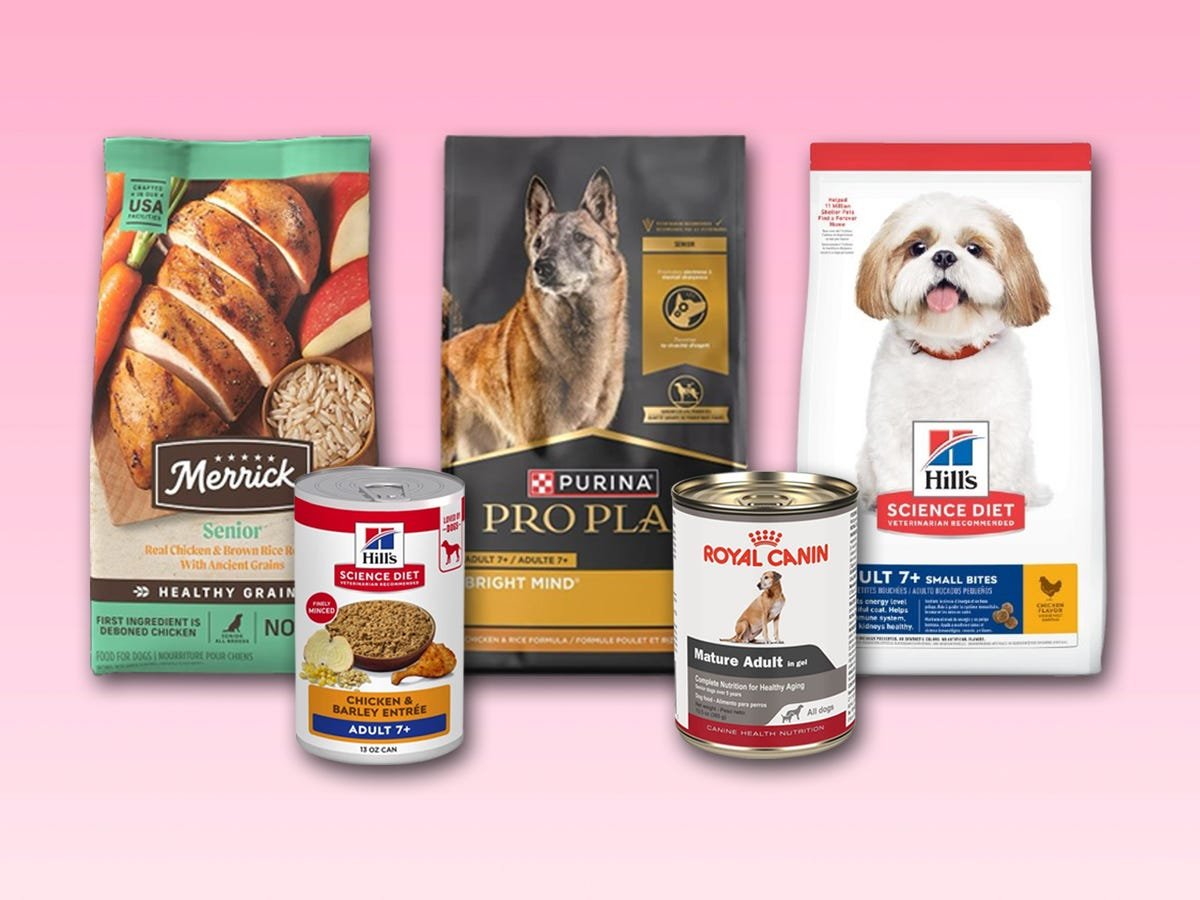
Merrick is known for its farm-to-table approach, sourcing ingredients from trusted suppliers in the USA. Their recipes often contain fresh, whole foods like real deboned meat, fruits, and vegetables.
One surprising insight is how Merrick’s wet food formulas have helped picky eaters become more enthusiastic about mealtime. The brand’s commitment to quality ingredients can make a real difference for dogs with sensitive stomachs or those needing more hydration.
Canidae
Canidae offers simple, clean recipes with fewer ingredients, making it easier to identify what your dog is eating. Their formulas are crafted to support dogs with food sensitivities or allergies.
Many dog owners share that Canidae’s limited ingredient diets helped reduce skin irritations and digestive upsets. If you want a straightforward, wholesome option that puts your dog’s health first, Canidae could be the better choice.
Specialized Diets For Health Needs
Specialized diets address specific health needs in dogs. These diets provide targeted nutrition for better wellbeing. They help manage conditions and support life stages effectively.
Sensitive Stomach Formulas
Sensitive stomach dog foods use gentle ingredients. They avoid common irritants like corn, wheat, and soy. These diets often include easily digestible proteins such as lamb or fish. Prebiotics and probiotics help balance gut health. They reduce vomiting, diarrhea, and gas in sensitive dogs.
Weight Management Foods
Weight management dog foods control calories and fat levels. They offer high fiber to keep dogs full longer. These diets support healthy weight loss or maintenance. Ingredients like lean proteins build muscle without extra calories. They improve energy and reduce risks linked to obesity.
Puppy And Senior Options
Puppy foods provide extra nutrients for growth and development. They contain higher protein, DHA, and calcium levels. Senior diets focus on joint health and easier digestion. These foods include antioxidants and omega fatty acids. They help maintain mobility and cognitive function in older dogs.

Credit: www.miamiherald.com
Homemade And Raw Food Alternatives
Homemade and raw food diets offer a natural alternative to commercial dog foods like Science Diet. Many pet owners prefer these options to control ingredients and ensure freshness. Preparing meals at home or feeding raw food can meet specific dietary needs and avoid fillers or additives found in some brands.
These diets require careful planning to keep dogs healthy and happy. Knowledge about nutrition and safety is essential to avoid risks and nutrient imbalances. Here is a closer look at the benefits, safety tips, and nutrient balancing for homemade and raw feeding.
Benefits Of Homemade Meals
- Complete control over ingredients and quality
- Ability to avoid allergens and fillers
- Fresh, natural food supports digestion
- Customizable to fit a dog’s preferences and health
- Stronger bond through preparing food personally
Raw Diet Safety Tips
- Use fresh, high-quality meat and produce
- Keep raw food refrigerated or frozen until use
- Practice strict hygiene during preparation
- Wash hands and surfaces thoroughly after handling
- Consult a vet to monitor health and avoid risks
Balancing Nutrients At Home
- Include protein, fats, and carbohydrates in proper ratios
- Use supplements like calcium and omega-3 fatty acids
- Add vegetables and fruits for vitamins and fiber
- Regularly adjust the diet based on dog’s age and activity
- Consult pet nutrition experts for recipe guidance
Transitioning To New Dog Food
Switching your dog to a new food can feel tricky, especially if you want to avoid digestive upset or picky eating. A smooth transition helps your dog adjust to the taste and nutrients without stress. It also lets you watch how your dog responds to the new diet, ensuring it's a good fit.
Gradual Switch Guidelines
Start by mixing a small amount of the new food with your dog’s current food. For the first two to three days, try a ratio of about 25% new food to 75% old food. Slowly increase the new food portion every few days until you reach 100% new food around day seven to ten.
This gradual switch helps your dog’s digestive system adjust without sudden changes. If you notice any signs of stomach upset, slow down the transition. Patience here can save you from unnecessary vet visits and stress.
Monitoring Dog’s Reaction
Watch closely for changes in your dog’s energy, stool, and appetite during the transition. Healthy stool and steady energy levels usually mean the new food agrees with your pet. Diarrhea, vomiting, or a sudden loss of interest in food might be red flags.
If your dog shows any discomfort, consider consulting your vet before continuing. Sometimes, a food that looks great on paper might not suit your dog’s unique needs. How well does your dog handle change in general?
Adjusting Portions And Frequency
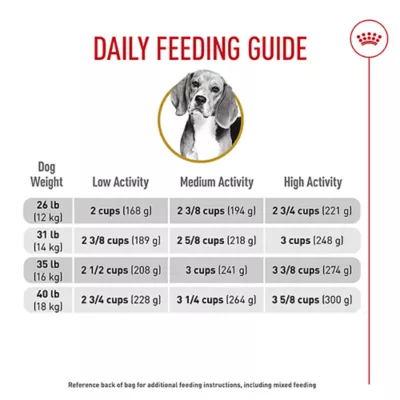
New foods may have different calorie content, so adjust the portions accordingly. Use the feeding guidelines on the package as a starting point but tailor portions to your dog’s weight and activity level. You might need to feed smaller amounts more often if your dog seems hungry or less if they gain weight.
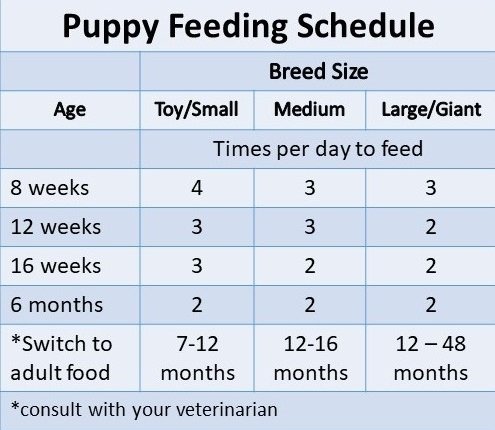
Also, think about meal frequency. Some dogs do better with two meals a day, while others prefer three smaller ones. Pay attention to your dog’s hunger cues and energy, and adjust feeding times and amounts to keep them comfortable and satisfied.

Credit: nypost.com
Frequently Asked Questions
What Dog Food Brands Are Better Than Science Diet?
Top brands like Blue Buffalo, Wellness, and Orijen often surpass Science Diet. They use higher-quality ingredients and avoid fillers. These brands focus on natural, grain-free, and nutrient-rich recipes, promoting better health and vitality for dogs of all breeds and ages.
Why Choose Alternatives Over Science Diet Dog Food?
Alternatives offer more natural ingredients and fewer preservatives. They often contain higher protein levels and essential nutrients. Many also cater to specific dietary needs, improving digestion and skin health. Choosing alternatives supports overall wellness and may reduce allergies in sensitive dogs.
Are Grain-free Dog Foods Better Than Science Diet?
Grain-free dog foods can benefit dogs with allergies or sensitivities. However, they aren’t always superior for all dogs. Choosing the right diet depends on your dog's health and needs. Consult your vet to decide if grain-free or Science Diet works best.
How To Select The Best Dog Food Instead Of Science Diet?
Look for high-quality proteins, limited fillers, and essential vitamins. Read ingredient lists carefully and check for recalls. Consider your dog’s age, size, and health issues. Reviews and vet recommendations also help in choosing the best alternative dog food.
Conclusion
Choosing the right dog food matters for your pet’s health. Many options offer better nutrition than Science Diet. Look for foods with natural ingredients and balanced nutrients. Pay attention to your dog’s specific needs and preferences. Healthy food helps dogs stay active and happy.
Always check labels and consult your vet for advice. Feeding your dog well shows you care. Keep learning about pet nutrition to make smart choices. Your dog deserves the best food every day.