Are you tired of coming home to find your favorite electronic cords chewed to bits? If your dog has turned your home into a personal chew toy paradise, you're not alone.
Many dog owners face the frustrating challenge of keeping their furry friends away from cords and cables. Not only is this habit destructive, but it also poses serious risks to your dog’s health and safety. Imagine the peace of mind you'll feel when you no longer have to worry about potential electrical hazards or costly replacements.
In this guide, you'll discover simple yet effective strategies to redirect your dog's chewing habits and protect your home. Stay with us to unlock the secrets to a chew-free environment for both you and your pet!

Credit: www.amazon.com
Why Dogs Chew Cords
Understanding why your dog chews cords is the first step toward stopping this risky behavior. Dogs don’t just chew cords out of mischief; there are deeper reasons behind it. Knowing these reasons helps you address the root cause rather than just the symptoms.
Common Reasons Behind Chewing
Dogs chew cords for several common reasons. Many chew because they are bored or lonely, especially when left alone for long periods. Chewing provides mental stimulation and helps relieve anxiety.
Teething is another major reason, especially in puppies. The discomfort in their gums pushes them to chew on anything they find. Sometimes, cords feel just right for soothing their sore teeth.
Curiosity also plays a role. Your dog might explore new textures with their mouth. Have you noticed your dog sniffing and pawing at cords before chewing? That’s their way of investigating.
Breed And Age Factors
Some breeds are more prone to chewing than others. High-energy breeds like Border Collies or Labrador Retrievers often chew to burn off excess energy. If your dog belongs to these breeds, providing enough exercise is key.
Age matters, too. Puppies chew more due to teething and learning about their environment. Older dogs might chew less but could still do it out of habit or boredom.
Think about your dog’s breed and age when you’re trying to stop cord chewing. Tailoring your approach to fit their natural tendencies will make your efforts more effective.
Health And Behavioral Triggers
Sometimes chewing cords signals health or behavioral issues. Dogs with dental problems may chew to ease pain. If chewing suddenly increases, a vet visit might be necessary.
Stress and anxiety can also trigger chewing. Changes in your home, loud noises, or separation anxiety push dogs toward destructive behaviors. Identifying these triggers helps you create a calmer environment.
Have you noticed if your dog chews cords more during storms or when you leave? Observing patterns can reveal what’s driving the behavior and guide your solutions.
Risks Of Chewing Electrical Cords
Chewing electrical cords is more than just a bad habit for your dog; it poses serious risks that affect both their safety and your home. Understanding these dangers can motivate you to take immediate action. What would you do if your pet’s curiosity turned into a life-threatening situation?
Potential Injuries To Dogs
When a dog bites into an electrical cord, they risk getting an electric shock. This can cause burns inside their mouth, pain, or even more severe injuries like nerve damage. In some cases, the shock can lead to heart problems or sudden death.
Dogs don’t always show obvious signs right away. You might notice drooling, swelling, or difficulty eating, which means it’s urgent to get veterinary help. Have you ever thought about how a simple chew could lead to such harm?
Damage To Property
Chewed cords can stop working, causing your devices to fail unexpectedly. This might mean replacing expensive electronics or dealing with inconvenient outages. You could also face hidden costs like rewiring or professional repairs.
Sometimes, the damage isn’t just to the cord’s insulation but to the internal wiring too. This raises the risk of short circuits, which can be costly and dangerous. Are your cords protected enough to avoid these problems?
Fire Hazards
Exposed wires from chewed cords can spark and ignite nearby materials. This is a serious fire hazard that puts your entire home at risk. Even a small spark can start a fire in seconds, especially if flammable items are nearby.
Many pet owners don’t realize how quickly a chewed cord can turn into a disaster. Taking steps to prevent chewing can protect your home and give you peace of mind. What safety measures have you already tried to keep your dog and home safe?
Preventive Measures At Home
Stopping a dog from chewing cords starts with making changes at home. Preventive measures help keep cords safe and protect your dog from harm. Simple steps can reduce your dog's urge to chew and keep your space tidy. These easy actions create a safer environment for both your pet and your household.
Organizing And Hiding Cords
Keep cords neat and out of sight to reduce temptation. Use cable ties or clips to bundle cords together. Tuck cords behind furniture or under rugs to hide them. Avoid leaving cords loose on the floor where dogs can reach them. A clean space helps keep your dog away from cords.
Using Cord Protectors
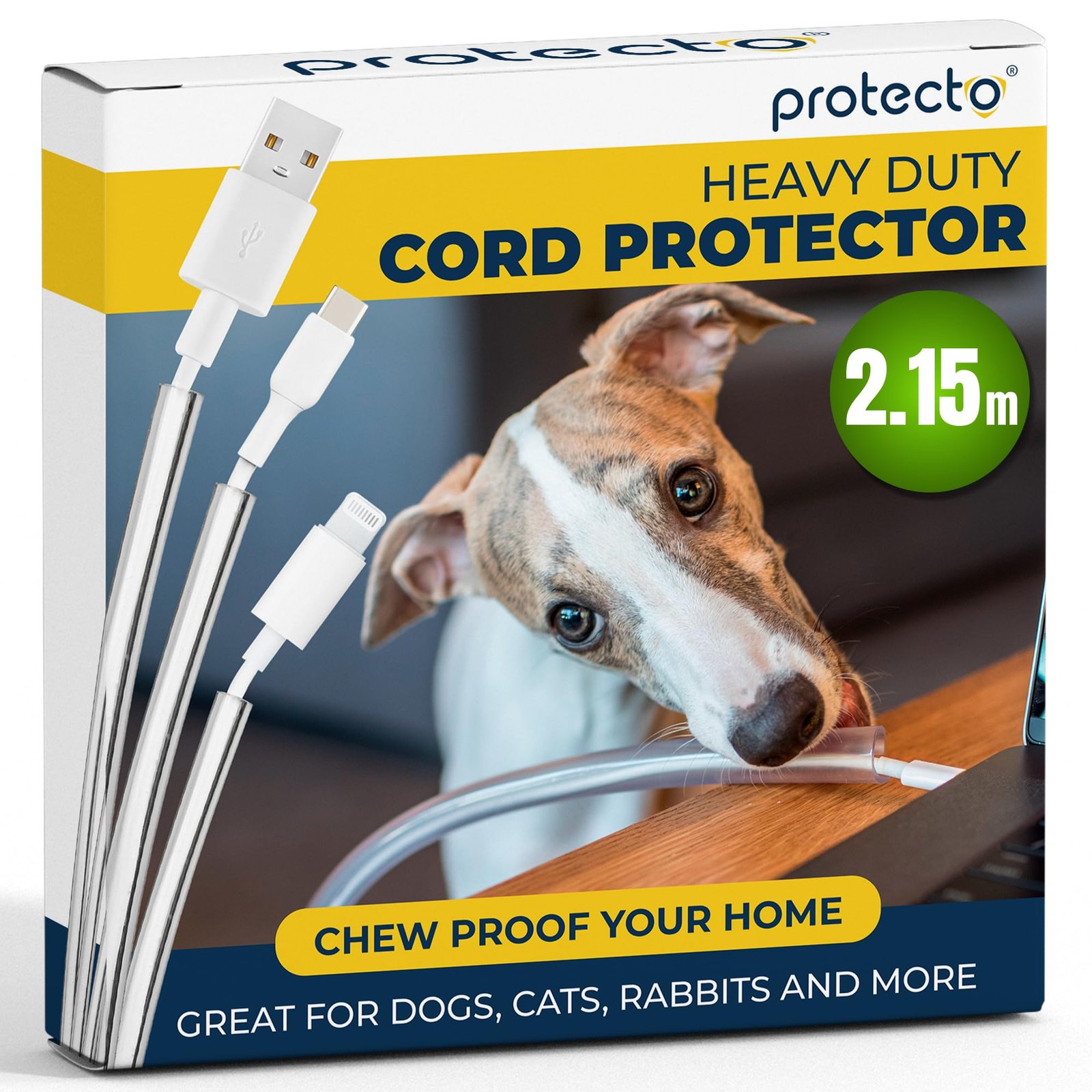
Cover cords with protective sleeves or tubing to prevent chewing. Cord protectors come in plastic or rubber and add a tough layer. They make cords harder and less fun to chew. Install these covers on all cords within your dog's reach. This simple tool guards cords and keeps your dog safe.
Creating A Safe Environment
Provide plenty of chew toys to keep your dog busy. Rotate toys often to keep your dog interested. Remove cords from areas where your dog spends most time. Use baby gates or barriers to block access to rooms with many cords. A safe space lowers the chance your dog will chew cords.
Training Techniques To Stop Chewing
Training your dog to stop chewing cords requires patience and clear communication. Dogs often chew cords out of boredom or curiosity, so guiding them towards better habits is key. Here are practical training techniques that help you manage this behavior effectively.
Redirecting To Chew Toys
When you catch your dog chewing a cord, gently take the cord away and immediately offer a chew toy instead. This teaches your dog what is okay to chew on without punishment. Keep a variety of chew toys accessible so your dog has plenty of options to satisfy their chewing urge.
Try different textures and flavors to find what your dog prefers. Some dogs respond well to rubber toys, while others like rope or flavored treats. This redirection helps replace the harmful habit with a safe and enjoyable one.
Positive Reinforcement Methods
Reward your dog every time they choose a chew toy over a cord. Use treats, praise, or affection to make positive connections with the right behavior. This encourages your dog to repeat the action because they associate it with good outcomes.
Be consistent with your rewards and timing. Immediate praise is more effective than delayed. Have you noticed how your dog’s attention shifts when you use treats? This shows how powerful positive reinforcement can be.
Consistent Commands And Boundaries
Teach simple commands like “leave it” or “no” to stop your dog when they go for cords. Use these commands firmly but calmly and follow up with redirecting to a toy. Consistency is crucial—everyone in your household should use the same commands.
Set clear boundaries by keeping cords out of reach as much as possible. This reduces temptation and reinforces that cords are off-limits. How often do you find cords within your dog’s reach? Adjusting your environment supports your training efforts greatly.
Using Deterrents Safely
Using deterrents safely is key to protecting your cords and keeping your dog safe. Not all products are created equal, and some can cause more harm than good if used incorrectly. You need to choose deterrents that work without putting your furry friend at risk.
Bitter Sprays And Taste Deterrents
Bitter sprays are a popular choice because they make cords taste unpleasant to dogs. These sprays usually contain safe, non-toxic ingredients designed to discourage chewing.
Apply a small amount on the cords and watch your dog’s reaction. If your dog continues chewing, reapply as needed but avoid overuse. Always check the label to ensure the spray is pet-safe and non-irritating.
Natural Alternatives
If you prefer something gentler, natural deterrents like citrus peels or vinegar solutions can work. Dogs often dislike the smell and taste of these items.
Try rubbing a little lemon juice or placing orange peels near cords. It’s a simple, chemical-free way to discourage chewing while keeping your home fresh.
Avoiding Harmful Products
Not every deterrent is safe for your dog. Avoid products with harsh chemicals, strong alcohols, or anything labeled toxic.
Did you know some sprays can cause skin irritation or worse if ingested? Always research and, if unsure, consult your vet before using any new product around your pet.

Credit: www.amazon.com
Providing Mental And Physical Stimulation
Dogs often chew cords out of boredom or excess energy. Providing mental and physical stimulation helps reduce this behavior. It keeps your dog busy and focused on healthy activities. Engaging your dog’s mind and body prevents destructive chewing habits.
Regular Exercise Routines
Daily exercise tires your dog physically and mentally. Walks, runs, or playtime burn off extra energy. A tired dog is less likely to chew cords out of boredom. Exercise also improves your dog’s mood and behavior.
Interactive Toys And Puzzles
Interactive toys challenge your dog’s mind. Puzzle feeders, treat dispensers, and chew toys keep dogs entertained. These toys reduce anxiety and stop destructive chewing. Rotate toys often to keep your dog interested and engaged.
Training And Socialization
Training teaches your dog acceptable behaviors. Basic commands like “leave it” help control chewing habits. Socializing your dog with other dogs and people reduces stress. A well-trained and social dog is calmer and less destructive.
When To Consult A Veterinarian Or Trainer
Knowing when to seek professional help can save your dog from ongoing stress and prevent damage to your home. Sometimes, chewing cords is more than just a bad habit—it can signal deeper issues that need expert attention. Recognizing the right moment to consult a veterinarian or trainer will make a big difference in how quickly you can help your pet.
Signs Of Anxiety Or Stress
Watch for behaviors like pacing, whining, or excessive licking alongside cord chewing. These signs suggest your dog might be dealing with anxiety rather than simple boredom. If your dog seems restless or shows sudden changes in behavior, it’s a clear signal to get professional advice.
Have you noticed your dog chewing cords only during thunderstorms or when you leave the house? Such patterns often point to stress triggers that need addressing beyond basic training.
Persistent Chewing Despite Training
If you’ve tried redirecting your dog’s attention and using deterrents without success, it’s time to rethink your approach. Persistent chewing after consistent training means your dog might need a tailored strategy. Not all dogs respond the same way to standard methods, and a trainer can customize a plan that fits your dog’s unique personality.
Think about how long you’ve been working on this habit. Has the chewing decreased at all? If not, professional help can offer new tools and techniques you may not have considered.
Professional Behavioral Support
Veterinarians and trainers bring valuable insights into your dog’s behavior. They can identify underlying medical issues or behavioral triggers that aren’t obvious. Sometimes, a vet may recommend treatments for anxiety or refer you to a behavior specialist.
Working with a professional also provides ongoing support and guidance, making it easier for you to stay consistent. Don’t hesitate to reach out—getting expert help is a step towards a happier, safer home for your dog and your family.

Credit: www.youtube.com
Frequently Asked Questions
Why Do Dogs Chew Electrical Cords?
Dogs chew cords due to boredom, teething, or anxiety. Chewing relieves stress and satisfies their natural urge to gnaw. Identifying the cause helps in applying effective prevention methods to protect both your dog and your electrical devices.
How Can I Protect Cords From My Dog?
Use cord protectors, bitter sprays, or hide cords behind furniture. These methods deter chewing by making cords less accessible or unpleasant to bite. Consistency in using these barriers keeps your dog safe and your cords intact.
What Training Stops Dogs From Chewing Cords?
Teach commands like "leave it" and reward good behavior. Redirect chewing to toys and supervise your dog closely. Positive reinforcement helps dogs learn which items are off-limits, reducing destructive chewing habits effectively.
Are Chew Toys Effective For Cord Chewing Dogs?
Yes, chew toys provide a safe outlet for your dog’s chewing urges. Choose durable toys and rotate them to keep your dog interested. This diversion helps prevent destructive chewing on cords and other household items.
Conclusion
Stopping a dog from chewing cords takes patience and care. Keep cords out of reach or cover them safely. Offer your dog plenty of toys to chew instead. Praise your dog when it chooses toys, not cords. Watch your dog closely and redirect its behavior quickly.
Consistency helps your dog learn what is okay to chew. Protect your home and keep your dog safe from harm. Small steps every day bring big results over time. Your dog will learn to leave cords alone for good.