If you have a pregnant dog at home, you probably want to do everything right to keep her and her puppies safe. Deworming is important, but you might wonder, “Is it safe to do it myself?” or “What could happen if I deworm my pregnant dog at home?” These questions matter because the wrong move could harm your dog or her unborn puppies.
You’ll learn exactly what happens when you deworm a pregnant dog at home, what risks to watch for, and how to make the best choice for your furry family member. Keep reading to protect your dog and give her puppies the healthiest start possible.

Credit: www.canadapetcare.com
Risks Of Deworming During Pregnancy
Deworming a pregnant dog at home might seem like a simple task, but it carries real risks that can affect both the mother and her puppies. The timing and type of deworming medication are crucial factors that you must consider carefully. Ignoring these can lead to complications that you might not expect.
Potential Harm To Puppies
Some deworming medications can cross the placenta and harm developing puppies. This can cause birth defects or even miscarriage. Have you ever wondered if a medication safe for adult dogs is equally safe during pregnancy? The answer is often no.
Even mild exposure to certain chemicals can disrupt the puppies' growth. This is why vets usually recommend waiting until after birth for deworming or using only vet-approved drugs during pregnancy. Your puppies’ health depends on cautious treatment choices.
Effects On The Mother Dog
Deworming drugs might stress the mother’s system during pregnancy. Her immune system is already working hard to support the growing puppies. Adding medication can sometimes cause nausea, weakness, or allergic reactions.
Stress or illness in the mother can reduce her ability to care for her puppies after birth. This might lead to lower milk production or even neglect. Are you prepared to handle these challenges if you decide to deworm at home without professional guidance?
Common Side Effects
- Vomiting or diarrhea
- Lethargy or loss of appetite
- Allergic skin reactions
- Temporary discomfort or restlessness
These side effects can be more intense in pregnant dogs. They may not show typical signs, so you might miss early warnings. Monitoring your dog closely after any treatment is essential to catch problems before they escalate.

Credit: pethelpful.com
Safe Deworming Practices
Safe deworming practices protect both the pregnant dog and her puppies. Deworming helps remove harmful parasites that can affect health during pregnancy. Choosing the right time and medication is key to avoid risks. Monitoring the dog’s condition throughout the process keeps her safe.
Recommended Deworming Timeline
Deworming usually starts before pregnancy or after the first trimester. Early treatment may harm developing puppies. The best time to deworm is often around the fifth or sixth week of pregnancy. Follow-up treatments might be needed after birth to protect newborns.
Approved Medications For Pregnant Dogs
Only use medications proven safe for pregnant dogs. Commonly approved drugs include fenbendazole and pyrantel pamoate. Avoid strong or untested chemicals without veterinary advice. Natural remedies lack scientific proof and may not be safe.
Dosage Considerations
Correct dosage depends on the dog’s weight and pregnancy stage. Overdosing can harm the mother and puppies. Underdosing may not clear parasites effectively. Always measure doses carefully and consult a vet before giving medication.
Signs Of Deworming Complications
Deworming a pregnant dog at home can sometimes cause complications. Recognizing early signs helps protect both mother and puppies. Watch closely for unusual changes after treatment. Quick action prevents serious health problems.
Behavioral Changes
Notice if your dog acts restless or agitated. Sudden tiredness or weakness may appear. Loss of appetite is a common sign. Your dog might hide or avoid contact. Unusual whining or crying can indicate pain or discomfort.
Physical Symptoms To Watch
- Vomiting or diarrhea, especially if severe or frequent
- Excessive drooling or foaming at the mouth
- Swelling or redness around the abdomen
- Difficulty breathing or coughing
- Pale gums or unusual bleeding
These symptoms suggest the dog is struggling with the medication.
When To Seek Veterinary Help
Contact a vet if symptoms worsen or last over 24 hours. Immediate care is needed if your dog shows:
- Severe vomiting or diarrhea
- Loss of consciousness or seizures
- Labored breathing or collapse
- Continued refusal to eat or drink
Professional treatment can save both mother and puppies from harm.
Alternatives To Home Deworming
Deworming a pregnant dog at home carries risks for both mother and puppies. Alternatives exist that protect health without danger. Choosing the right approach helps manage parasites safely and effectively.
Veterinary Supervision Benefits
A veterinarian knows the safest deworming options for pregnant dogs. They recommend medicines that protect puppies and avoid side effects. Regular check-ups help detect parasites early. Vets provide dosing advice based on the dog's health and pregnancy stage. Professional care reduces risks linked to incorrect treatments.
Natural Parasite Control Methods
Some natural methods help lower parasite risks without harsh chemicals. These include:
- Feeding a balanced diet to boost immunity
- Using diatomaceous earth in small, safe amounts
- Keeping the dog's living area clean and dry
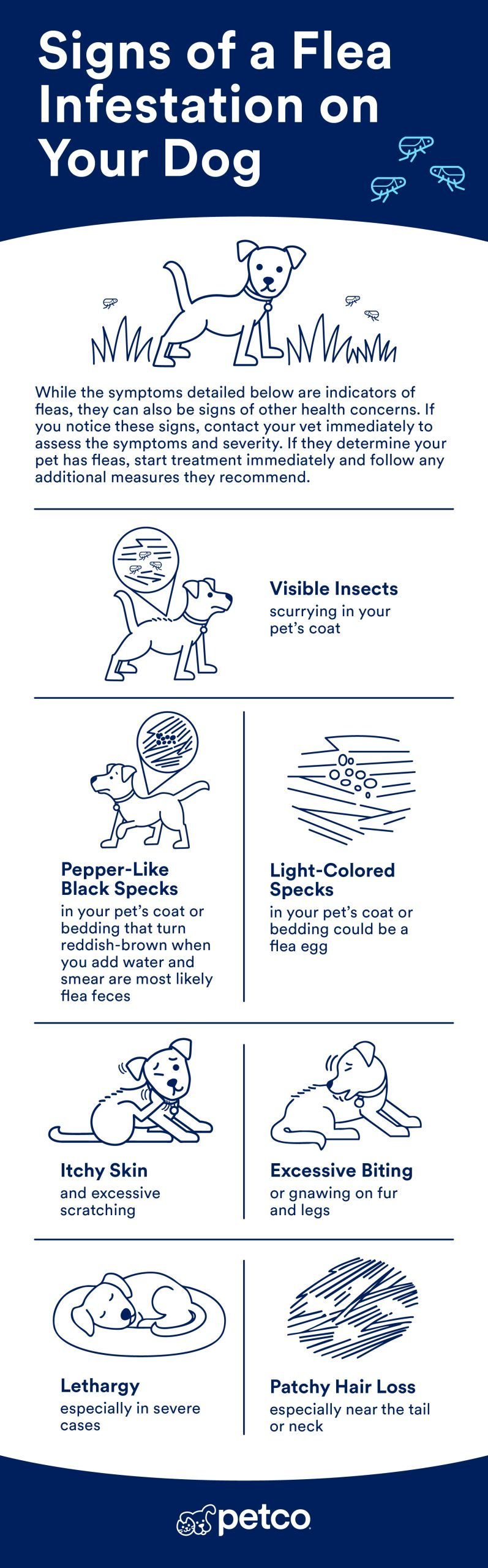
- Regular grooming to remove flea eggs and dirt
Natural methods support health but may not replace medicines for heavy infestations.
Preventive Measures During Pregnancy
Preventing parasite infection is key during pregnancy. Steps include:
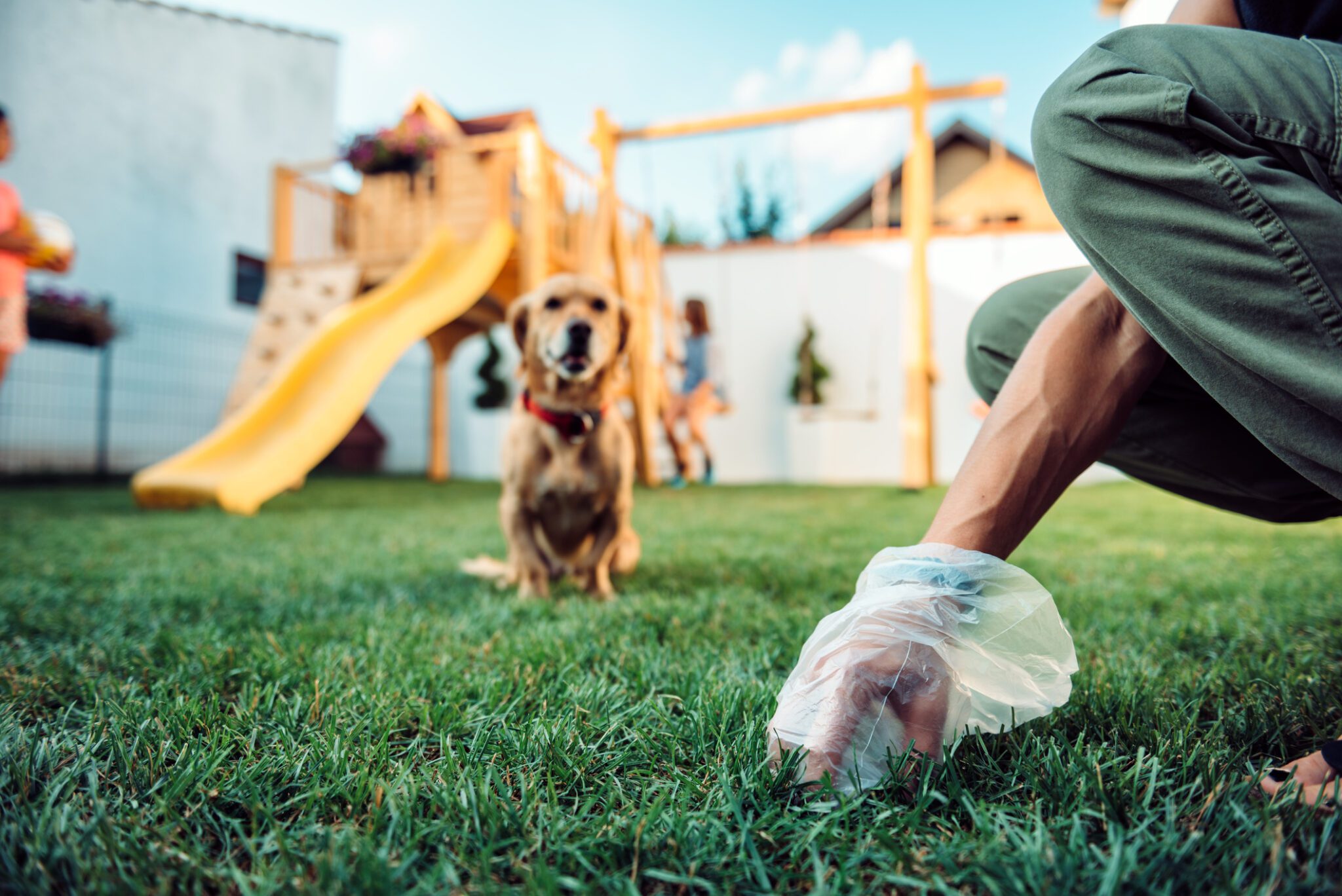
- Limiting exposure to contaminated soil or feces
- Avoiding contact with stray animals
- Washing bedding and toys often
- Monitoring the dog’s behavior and appetite
Early prevention reduces the need for urgent treatments later.
Common Parasites Affecting Pregnant Dogs
Pregnant dogs face unique health challenges, especially when it comes to parasites. These unwanted guests don’t just cause discomfort—they can seriously affect both the mother and her puppies. Understanding which parasites commonly target pregnant dogs helps you take better care of your furry friend during this critical time.
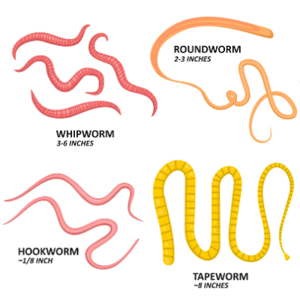
Types Of Worms
Several types of worms frequently infest pregnant dogs. The most common ones include:
- Roundworms:These are the most prevalent and can be passed from mother to puppies.
- Hookworms:They attach to the intestines and suck blood, leading to anemia.
- Tapeworms:Often spread by fleas, they usually cause mild digestive issues.
- Whipworms:These worms affect the large intestine and cause diarrhea.
Knowing these helps you spot symptoms early and act fast.
Transmission Risks To Puppies
One critical risk is that many worms can pass directly from a pregnant dog to her puppies. This happens in a couple of ways:
- In utero transmission:Some roundworms cross the placenta, infecting puppies before birth.
- Through mother’s milk:Worm larvae can be passed during nursing, infecting newborns.
Have you noticed puppies with weak health or constant diarrhea? These might be signs of early worm infection passed from their mother.
Impact On Dog Health
Parasites take a serious toll on a pregnant dog’s health. They can cause:
- Malnutrition:Worms steal vital nutrients, leaving the mother weak.
- Anemia:Hookworms especially cause blood loss, which can be dangerous during pregnancy.
- Compromised immune system:A heavily infested dog may struggle to fight other infections.
Ignoring these signs can lead to complications in pregnancy or even affect the survival of the puppies. Are you monitoring your dog’s health closely enough during this period?
Credit: mainstreetvetcenter.com
Frequently Asked Questions
Can I Safely Deworm A Pregnant Dog At Home?
Deworming a pregnant dog at home can be risky without vet guidance. Always consult a vet to choose safe medications and proper timing to protect both mother and puppies.
What Are The Risks Of Deworming Pregnant Dogs Improperly?
Improper deworming may cause miscarriage, birth defects, or harm to puppies. Using the wrong drug or dosage can be dangerous during pregnancy.
When Is The Best Time To Deworm A Pregnant Dog?
The safest time is usually during the second or third trimester, but always follow your vet’s advice. This minimizes risks to both mother and puppies.
Which Dewormers Are Safe For Pregnant Dogs?
Only vet-approved dewormers like fenbendazole or pyrantel are safe during pregnancy. Never use over-the-counter products without veterinary recommendation.
Conclusion
Ensuring a pregnant dog's health is crucial. Deworming plays a part in this. Always consult a vet before taking action. They provide the best advice for your dog's needs. Home treatments can be risky. Incorrect dosages harm both mother and puppies.
Safety should be your priority. Research and expert guidance help make informed decisions. Remember, your dog's wellbeing matters most. A healthy mom means healthy puppies. Be cautious and seek professional help. This ensures a smooth pregnancy journey for your furry friend.