Seeing worms in your dog's poop can be unsettling, leaving you worried and full of questions. You love your furry friend and want to ensure they are healthy and happy.
But, how do you tackle this problem efficiently? You’re not alone in this; many dog owners face the same issue. The good news is, there are straightforward steps you can take to address and prevent this. In this guide, you'll discover effective ways to get rid of worms in your dog's poop.
Understanding how these pesky parasites affect your pet and knowing the right steps to eliminate them will put your mind at ease. Keep reading, and you’ll learn how to protect your dog’s health and boost their well-being.

Credit: www.youtube.com
Signs Of Worms In Dog Poop
Noticing worms in your dog's poop can be worrying. These signs often indicate a parasitic infection. Early detection helps protect your dog's health and comfort. Watch closely for changes in stool and behavior. Understanding these signs aids in quick treatment.
Common Symptoms To Watch For
- Visible worms or white rice-like segments in the stool
- Soft or watery diarrhea with mucus
- Dark or tarry stools indicating internal bleeding
- Frequent scooting or licking of the rear area
- Weight loss despite a normal appetite
- Vomiting or nausea
- Excessive gas or bloating
- Fatigue or lack of energy
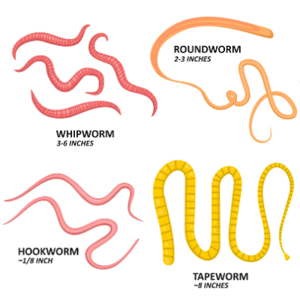
Types Of Worms Found In Dog Feces
| Type of Worm | Description | Appearance in Stool |
|---|---|---|
| Roundworms | Common intestinal parasites in puppies and adult dogs | Long, spaghetti-like worms |
| Tapeworms | Flat, segmented worms often found near the anus | Small, white rice-like segments |
| Hookworms | Small worms that attach to the intestinal wall and suck blood | Rarely visible, but may cause dark stools |
| Whipworms | Thin worms that live in the large intestine | Usually not visible; cause diarrhea and weight loss |
Causes Of Worm Infestations
Worm infestations in dogs happen for several reasons. Understanding the causes helps protect your pet’s health. Worms can affect dogs of all ages and breeds. These parasites live inside the dog’s body and can cause serious problems. Knowing how dogs get worms and the risk factors involved is key to prevention.
How Dogs Contract Worms
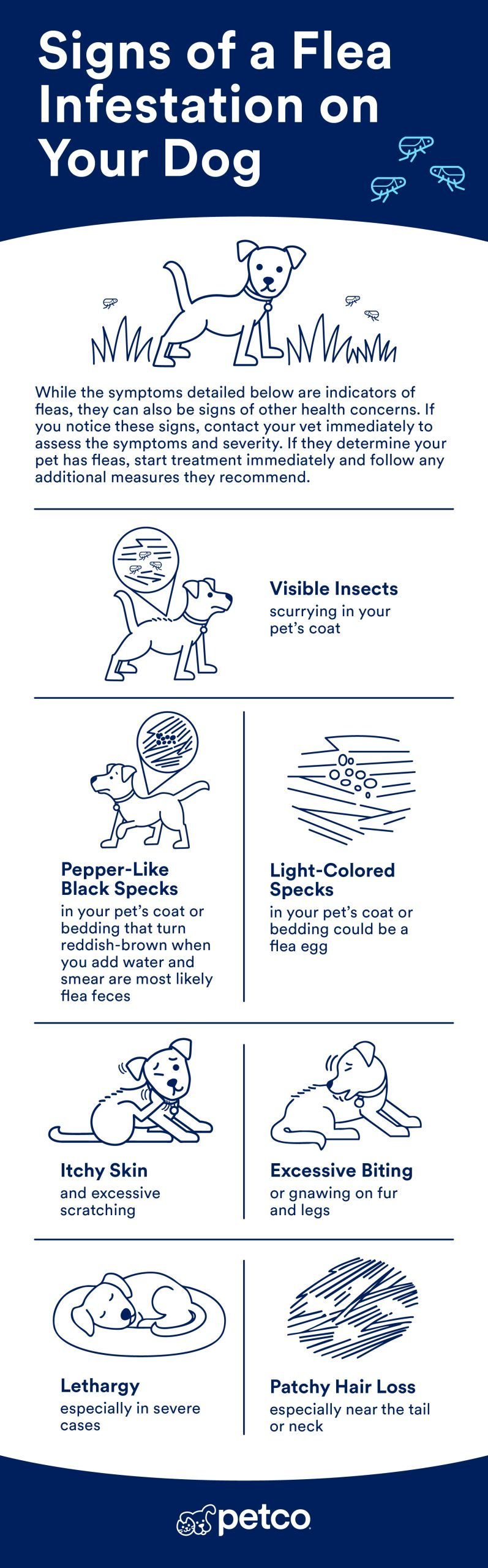
Dogs can get worms in many ways. One common way is by eating infected soil or feces. Worm eggs or larvae can be in these places. Dogs may also catch worms from fleas. Fleas carry some types of worms and infect dogs when bitten.
Another way is through hunting or eating small animals. These animals might carry worm larvae. Puppies can get worms from their mother’s milk or during birth. This makes early treatment important for young dogs.
Risk Factors And Environments
Certain environments increase worm risk for dogs. Places with many animals or poor sanitation have more worm eggs. Parks, kennels, and shelters can be hotspots. Dogs that roam freely or eat garbage face higher risk.
Living in warm, humid climates also raises the chance of worm infestation. These conditions help worm eggs survive longer. Dogs with weak immune systems or poor nutrition get worms more easily. Regular vet visits and good hygiene reduce these risks.
Effective Treatment Options
Dealing with worms in your dog’s poop is unsettling, but effective treatment options are within reach. Taking quick and informed action can prevent health problems for your furry friend. Understanding the choices available helps you pick the best approach for your dog’s specific needs.
Medications To Eliminate Worms
Veterinarians commonly prescribe deworming medications that target different types of worms. These medicines come in various forms such as tablets, liquids, or topical treatments. Some popular drugs include:
- Pyrantel pamoate– effective against roundworms and hookworms
- Fenbendazole– covers a broad range including roundworms, hookworms, and whipworms
- Praziquantel– targets tapeworms
It’s crucial to follow the exact dosage and schedule your vet recommends. Treating all pets in the household simultaneously reduces the chance of reinfection. Have you checked if your dog's treatment plan covers all common worm types?
Natural Remedies That Help
If you prefer a gentler approach or want to support medication, some natural remedies may assist in managing worm infestations. These remedies often boost your dog’s immune system and create an environment less hospitable to worms.
- Pumpkin seeds:Ground seeds contain cucurbitacin, which can paralyze worms and help expel them.
- Carrots:Crunchy and fibrous, they help cleanse your dog’s digestive tract.
- Apple cider vinegar:Adding a small amount to your dog’s water may create an acidic environment that worms dislike.
While natural remedies can support overall gut health, they usually don’t replace deworming medications. Have you noticed if your dog’s diet includes any of these worm-fighting foods?
Preventing Worms In Dogs
Preventing worms in your dog starts with consistent care and attention to their environment and health. Worm infestations can cause discomfort and serious health problems for your furry friend. Taking proactive steps helps you avoid the hassle of treatment and keeps your dog happy and healthy.
Hygiene And Sanitation Tips
Worm eggs and larvae often live in soil, feces, and contaminated surfaces. Cleaning up your dog’s poop immediately reduces the chance of reinfection and stops the spread to other pets or family members.
- Pick up after your dog every time they poop, especially in public areas or your yard.
- Wash your hands thoroughly after handling dog waste or cleaning their bedding.
- Keep your dog’s living space clean by regularly washing blankets, toys, and food bowls.
- Avoid letting your dog eat feces or roam in places known for high parasite presence.
Have you ever considered how often parasites hide in places you rarely clean? A simple routine can make a huge difference.
Regular Vet Checkups And Deworming
Vet visits are crucial for catching worm infections early, often before symptoms appear. Your vet can recommend a deworming schedule tailored to your dog’s lifestyle and risk factors.
- Schedule vet checkups at least twice a year for stool tests and health assessments.
- Follow the deworming plan your vet suggests, including medications that target common worms like roundworms and tapeworms.
- Discuss flea and tick prevention, as these pests can carry worm larvae.
Ignoring regular vet visits can allow worms to go unnoticed and cause serious damage. Are you up to date with your dog’s vet appointments?
Cleaning Up Dog Poop Safely
Cleaning up dog poop safely is crucial to prevent the spread of worms and other germs. Dog feces can carry harmful parasites that affect both pets and humans. Handling waste carefully keeps your family and pets safe from infection. Proper hygiene and disposal reduce health risks and protect the environment.
Proper Disposal Methods
Always use a sturdy plastic bag or poop scoop to pick up dog waste. Tie the bag securely to prevent leaks and odors. Dispose of the bag in a designated pet waste bin or a sealed trash can. Avoid flushing dog poop down the toilet as it can harm plumbing and water systems.
Some areas have special dog waste stations with bags and bins. Use these facilities when available. If composting, use a pet waste composter designed to kill parasites. Never compost dog poop in your regular garden compost pile.
Protecting Your Home And Yard
Clean dog poop quickly to stop worms from spreading in your yard. Wear disposable gloves when handling waste. Wash hands thoroughly after cleanup, even if gloves are used.
Keep your yard tidy by removing feces daily. This lowers the chance of parasite eggs maturing in the soil. Use pet-safe disinfectants to clean areas where your dog often goes.
Consider using barriers like fencing to keep your dog away from areas with high parasite risk. Regularly treat your dog with vet-recommended deworming medicines to keep worms under control.

Credit: www.goodrx.com
When To See A Veterinarian
Knowing when to see a veterinarian is crucial if your dog has worms in its poop. Some signs mean the infestation is mild and manageable at home. Others point to a serious problem that needs professional help immediately. Early action can prevent severe health issues for your dog.
Signs Of Severe Infestation
- Persistent vomiting or diarrhea
- Visible worms in stool or around the anus
- Weight loss despite normal eating
- Severe lethargy or weakness
- Swollen abdomen or bloating
- Coughing or difficulty breathing
- Blood in stool or vomit
- Loss of appetite for several days
Emergency Care Tips
- Keep your dog calm and comfortable
- Do not give any medication without vet approval
- Collect a fresh stool sample for the vet
- Prevent your dog from eating anything unusual
- Note any changes in behavior or symptoms
- Call your veterinarian immediately for advice
- Follow all vet instructions carefully

Credit: www.canadapetcare.com
Frequently Asked Questions
How Can I Identify Worms In My Dog's Poop?
You can spot worms by looking for small, white, rice-like segments or actual worms in the stool. Changes in your dog's behavior or digestion may also indicate worms. Regularly check your dog's poop for these signs to catch an infection early.
What Are The Best Treatments For Worms In Dogs?
Deworming medications prescribed by a vet are the most effective treatment. These drugs target various worm types like roundworms, tapeworms, and hookworms. Always follow your vet’s dosage and schedule for the best results and to prevent reinfestation.
How Often Should I Deworm My Dog To Prevent Worms?
Most vets recommend deworming puppies every 2 weeks until 12 weeks old. Adult dogs should be dewormed every 3 to 6 months. Regular preventive treatment helps maintain your dog’s health and reduces the risk of worm-related diseases.
Can Worms In Dog Poop Affect Humans?
Yes, some dog worms can infect humans, causing health issues. Proper hygiene, regular deworming, and cleaning up dog waste promptly reduce this risk. Always wash your hands after handling your dog or cleaning its poop.
Conclusion
Worms in dog poop can cause health problems. Treat your dog with the right medicine quickly. Keep your dog's living area clean and dry. Regular vet check-ups help catch worms early. Always wash your hands after handling dog waste. Healthy dogs are happy dogs.
Taking simple steps protects your pet and family. Stay alert and act fast to keep worms away. Your dog deserves a worm-free life.