Imagine your beloved dog scratching incessantly, clearly uncomfortable and perhaps even in pain. As a responsible pet owner, you want nothing more than to see your furry friend happy and healthy.
Fleas are more than just an annoyance; they can lead to skin infections and other health issues. You're probably wondering how often you should bathe your dog to effectively tackle this flea problem. This article will guide you through the best practices for bathing your dog when fleas invade.
You'll discover tips that not only bring relief to your pet but also ensure that those pesky fleas are kept at bay. Ready to make your dog’s life itch-free? Let's dive in!

Credit: animology.co.uk
Signs Of Fleas On Dogs
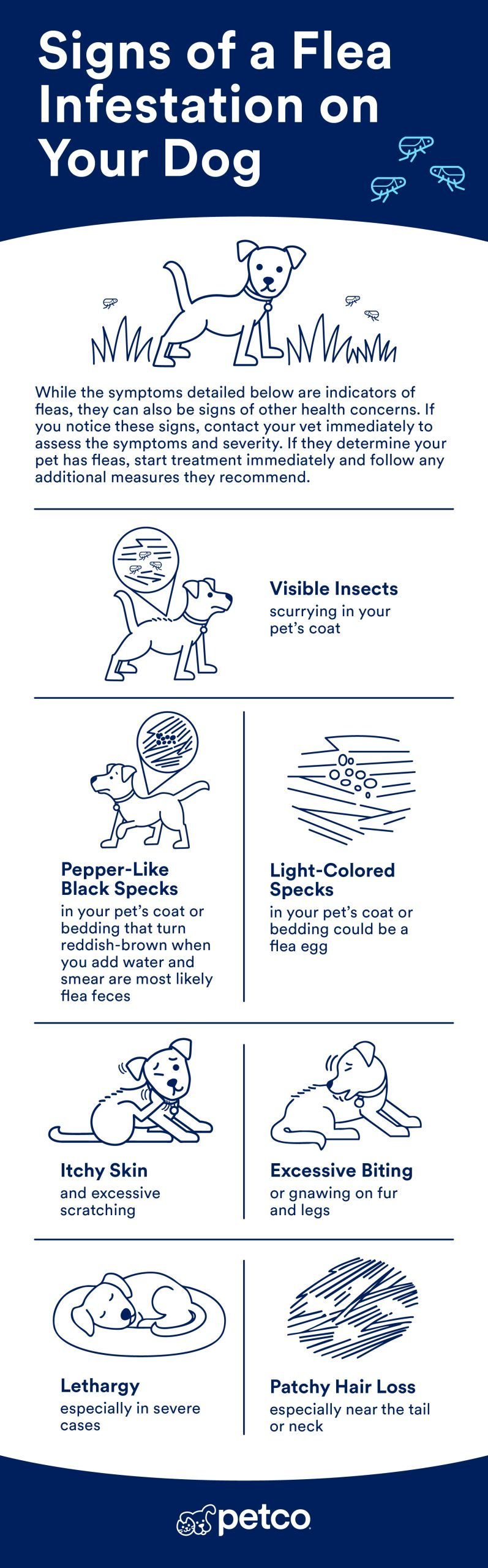
Fleas cause discomfort and health risks for dogs. Detecting fleas early helps protect your pet. Watch for clear signs that your dog has fleas. These signs show as physical symptoms and behavior changes. Understanding these signs helps you act fast.
Common Symptoms
- Frequent scratching and biting of the skin
- Red, irritated skin or small bumps
- Hair loss, especially around the neck and tail
- Visible tiny black specks (flea dirt) on fur
- Restlessness due to itching
- Scabs or sores from constant scratching
Behavioral Changes
- Increased agitation and irritability
- More time spent grooming or licking
- Difficulty sleeping or staying still
- Seeming uncomfortable or anxious
- Avoiding contact or hiding more than usual
Choosing The Right Flea Shampoo
Choosing the right flea shampoo is key to fighting fleas safely and effectively. The shampoo must kill fleas without harming your dog’s skin or health. Not all flea shampoos are created equal. Some work better for certain dogs and flea problems.
Read labels carefully before buying flea shampoo. Some contain natural ingredients, while others use chemicals. Picking the right formula helps avoid skin irritation and makes flea removal easier.
Ingredients To Look For
- Pyrethrins: Natural insecticides from chrysanthemum flowers. They kill fleas quickly.
- Neem oil: A plant-based ingredient that repels fleas and soothes skin.
- Insect growth regulators (IGRs): Stop flea eggs and larvae from maturing.
- Aloe vera: Helps calm and moisturize your dog’s skin.
- Vitamin E: Supports healthy skin and coat during treatment.
Avoiding Harmful Chemicals
- Permethrin: Toxic to cats and can cause dog reactions.
- Malathion: A pesticide that may irritate sensitive skin.
- Parabens: Preservatives linked to allergies and skin problems.
- Sulfates: Harsh detergents that dry out skin and fur.
- Artificial fragrances and dyes: Can trigger allergies or discomfort.
Choosing shampoos with safe, gentle ingredients protects your dog during flea baths. Avoid harsh chemicals that may worsen skin issues or cause illness.
Bathing Frequency For Flea Control
Bathing your dog plays an important role in controlling fleas. The right bathing frequency helps remove fleas and soothe your dog's skin. It also supports other flea treatments, making them more effective. Understanding when to bathe your dog helps keep fleas away without harming your pet’s skin or coat.
Initial Flea Infestation
During a flea infestation, bathe your dog as soon as you notice fleas. Use a flea shampoo designed to kill and remove fleas quickly. Bathing daily or every other day for one to two weeks can reduce flea numbers. Avoid over-bathing, which may dry out your dog’s skin. After a bath, comb your dog with a flea comb to catch remaining fleas.
Ongoing Prevention
Once fleas are under control, reduce bath frequency to avoid skin irritation. Bath your dog once every two to four weeks with a gentle shampoo. Regular brushing and flea combing help prevent new flea problems. Keep your dog’s environment clean to lower the chance of fleas returning. Combine bathing with flea preventatives recommended by your vet for best results.

Credit: www.primpedpooches.com
Proper Bathing Techniques
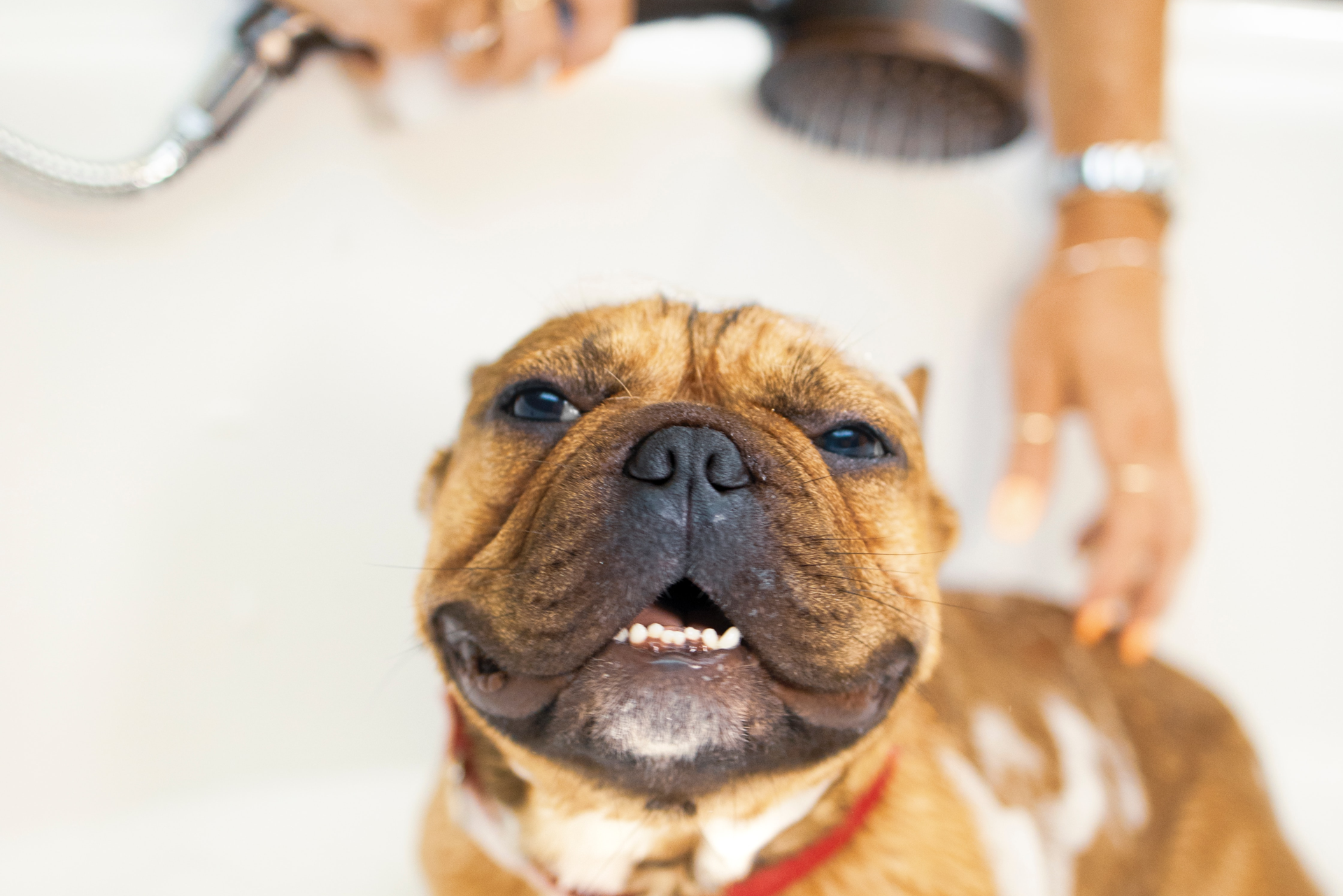
Proper bathing techniques are key to effectively removing fleas from your dog without causing stress or skin irritation. Knowing how to prepare your dog and apply shampoo correctly can make the process smoother and more successful. Let’s break down these essential steps so you can give your pet the best care during flea baths.
Preparing Your Dog
Start by brushing your dog thoroughly to remove loose fur and dirt. This helps the shampoo reach the skin better and makes the bath more effective.
Choose a calm, quiet place where your dog feels comfortable. Using lukewarm water keeps your dog relaxed and prevents discomfort.
Have all your supplies ready: flea shampoo, towels, and a cup or sprayer for rinsing. This prevents leaving your dog unattended mid-bath.
Applying Shampoo Effectively
Wet your dog’s coat completely before applying shampoo. This ensures the shampoo spreads evenly and reaches the skin where fleas hide.
Use a flea-specific shampoo and apply it generously. Massage the shampoo into your dog’s fur, focusing on the neck, tail base, and belly—common flea hotspots.
Let the shampoo sit for the recommended time on the bottle to kill fleas effectively. Rinse thoroughly to avoid residue that can irritate your dog’s skin.
Have you noticed your dog scratching more after a bath? It might be leftover shampoo causing irritation, so rinsing well is crucial.
Additional Flea Control Methods
Bathing your dog is just one piece of the puzzle when dealing with fleas. To truly get ahead of the problem, you need to add other flea control methods that work alongside regular baths. These methods help kill fleas at different stages of their lifecycle and prevent them from coming back.
Topical Treatments
Topical flea treatments are powerful and easy to use. You apply these liquids directly to your dog’s skin, usually between the shoulder blades, where your dog can’t lick it off. These treatments kill adult fleas and often stop flea eggs from hatching.
I once skipped topical treatments thinking a bath would be enough. The fleas returned quickly, proving that baths alone don’t solve the problem. Using topical treatments regularly can keep fleas away for weeks.
- Choose a product recommended by your vet based on your dog’s age and size.
- Apply it monthly for best results.
- Watch for any signs of irritation or allergic reaction.
Environmental Cleaning
Fleas don’t just live on your dog—they hide in your home too. Cleaning your dog’s living space is crucial to stop fleas from making a comeback. Vacuum carpets, rugs, and furniture thoroughly to remove flea eggs and larvae.
After vacuuming, wash your dog’s bedding, blankets, and any removable covers in hot water. Using a flea spray designed for home use can also kill fleas lurking in cracks and crevices.
- Vacuum at least twice a week during flea season.
- Dispose of vacuum bags or empty canisters immediately to prevent fleas escaping.
- Consider professional pest control if the infestation is severe.
What’s the point of bathing your dog if you don’t clean their environment? Fleas will keep coming back until you break their whole life cycle. How often do you check your home for hidden flea hotspots?
Credit: pethelpful.com
When To Consult A Veterinarian
Knowing when to contact a veterinarian is key in treating dogs with fleas. Baths can help, but they are not always enough. Some situations need professional care to keep your dog safe and healthy.
Persistent Infestations
Fleas that keep coming back need a vet's attention. If fleas return quickly after baths, the infestation may be deep. Fleas can hide in your dog's fur and home. A vet can recommend stronger treatments or medications. They also check for other problems caused by fleas.
Allergic Reactions
Some dogs have bad reactions to flea bites. Look for redness, swelling, or constant scratching. These signs show your dog may be allergic. Allergies can cause skin infections or hair loss. A vet can provide special shampoos and medicine. They help soothe your dog's skin and stop the itching.
Frequently Asked Questions
How Often Should I Bathe My Dog With Fleas?
Bathe your dog with fleas once every 3 to 7 days. This helps remove fleas and soothe skin irritation. Avoid overbathing, as it can dry out your dog’s skin.
Can Frequent Bathing Eliminate All Fleas On Dogs?
Frequent bathing reduces flea numbers but may not eliminate all fleas. Combine bathing with flea treatments for best results. Consult your vet for effective flea control options.
What Type Of Shampoo Is Best For Flea Baths?
Use a flea-specific or medicated shampoo recommended by veterinarians. These shampoos kill fleas and soothe irritated skin. Avoid harsh shampoos that can harm your dog’s coat.
Is Bathing Enough To Control Fleas On My Dog?
Bathing alone isn’t enough to control fleas fully. Use flea collars, sprays, or oral treatments alongside baths. Regular cleaning of your dog’s environment is also essential.
Conclusion
Bathing your dog with fleas is important for their health. Use flea shampoo as directed, usually once a week. Avoid over-bathing to protect your dog’s skin. Combine baths with other flea treatments for best results. Watch your dog closely for signs of irritation.
Regular grooming helps spot fleas early. Keep your home clean to stop fleas from coming back. Caring for your dog this way keeps them happy and flea-free. Simple steps, done right, make a big difference.