Have you ever found your favorite pair of shoes mysteriously transformed into your dog's new favorite chew toy? You're not alone.
As a dog owner, you know the struggle of finding the perfect chew toy that keeps your furry friend happy and your belongings safe. But what do vets actually recommend for dogs to chew on? This is more than just about saving your shoes; it's about ensuring your dog’s health and happiness.
Chewing is a natural behavior for dogs, essential for their mental and physical well-being. If you're curious about the safest and most beneficial options for your pup, you're in the right place. We'll explore vet-recommended chew options that can satisfy your dog's chewing needs, promote dental health, and keep them entertained. Stay with us, because the right choice could change your and your dog's life.
Benefits Of Chewing For Dogs
Chewing is more than just a fun activity for your dog—it plays a crucial role in their overall health and happiness. When your dog chews on the right items, it can lead to notable improvements in their dental care, mental sharpness, and behavior. Understanding these benefits helps you choose the best chew toys and treats that support your dog’s well-being.
Dental Health Improvements
Chewing naturally scrapes away plaque and tartar from your dog's teeth. This helps reduce the risk of gum disease and bad breath, common problems in dogs that don’t chew enough.
Many vets recommend specific dental chews designed to clean teeth while your dog gnaws. These chews can reach places a toothbrush might miss, making them a practical addition to your dog’s dental routine.
Mental Stimulation
Chewing keeps your dog’s mind active and engaged. It requires focus and problem-solving, especially with interactive chew toys that challenge them to reach a treat.
If your dog seems bored or restless, providing a chew toy can redirect their energy in a positive way. Have you noticed how your dog calms down when given a chew toy during a stressful moment?
Behavioral Benefits
Chewing helps reduce anxiety and prevents destructive behavior in dogs. When they have appropriate things to chew on, they are less likely to damage your furniture or shoes.
Offering your dog safe chew items can build good habits and strengthen your bond. It’s a simple way to support their emotional health while protecting your home.

Credit: www.amazon.ca
Vet-recommended Chew Types
Choosing the right chews for dogs is important for their health and happiness. Vets suggest specific types of chews that support dental care and satisfy chewing needs safely. These vet-approved options help keep dogs busy and protect their teeth.
Natural Chews
Natural chews come from animal parts like bones, antlers, and tendons. They are durable and safe when given under supervision. Dogs enjoy the texture, which helps clean teeth naturally. Always pick high-quality, untreated chews to avoid chemicals or additives.
Rubber Toys
Rubber toys are gentle on teeth and last a long time. They come in various shapes and sizes to suit different dogs. Many can be stuffed with treats to keep dogs engaged. Vets recommend choosing non-toxic, sturdy rubber to prevent choking hazards.
Edible Treats
Edible chews are tasty snacks that also promote dental health. These treats often contain ingredients that reduce plaque and tartar. Choose options with natural ingredients and no artificial fillers. Always monitor your dog to avoid overeating or choking risks.
Safe Natural Chews
Choosing the right chew for your dog is more than just keeping them busy. Safe natural chews support dental health, satisfy their instinct to gnaw, and reduce destructive behaviors. But how do you know which chews vets actually recommend?
Antlers And Bones
Antlers are a favorite among many dog owners because they last long and don’t splinter easily. They provide minerals like calcium and phosphorus that benefit your dog’s teeth and bones.
However, not all bones are safe. Cooked bones can splinter and cause serious injuries. Raw bones, especially large beef or bison bones, are safer but should always be given under supervision.
Rawhide Alternatives
Rawhide has been a popular chew for years, but it can cause choking or digestive blockages if swallowed in large pieces. That’s why vets suggest alternatives made from natural ingredients that digest more easily.
Look for chews made from sweet potatoes, yak milk, or other digestible materials. These options still satisfy your dog’s chewing urge without the risks associated with traditional rawhide.
Bulldog And Pig Ears
Bulldog and pig ears are natural, single-ingredient treats that dogs love. They’re high in protein and help clean teeth as your dog chews.
Keep in mind, these treats can be high in fat, so offer them in moderation. Always check for sourcing and ensure they’re free from harmful preservatives or chemicals.
Durable Rubber Toys
Durable rubber toys are a top pick among vets for dogs that love to chew. These toys stand up to strong jaws and active play, making them a reliable choice for keeping your dog entertained and their teeth healthy. If your dog tends to destroy softer toys quickly, rubber chews can offer a longer-lasting option that also supports dental health.
Benefits Of Rubber Chews
Rubber toys are tough and resilient, which means they rarely break apart into small pieces that your dog could swallow. This makes them safer than many other chew options. They also help clean your dog's teeth by scraping away plaque and massaging gums as your dog chews.
Another benefit is their versatility. You can find rubber toys that hold treats or can be filled with peanut butter, adding mental stimulation to the chewing activity. This can keep your dog busy for longer periods, helping reduce boredom and destructive behavior.
Popular Brands
- Kong:Often recommended by vets, Kong toys are known for their durability and can be stuffed with treats to keep dogs engaged.
- Nylabone:These offer a variety of rubber chew toys designed for different chewing strengths and sizes.
- West Paw:Their rubber toys are eco-friendly and designed to be safe and long-lasting.
Choosing from these trusted brands gives you peace of mind about your dog’s safety and enjoyment. Have you noticed how your dog reacts differently to brands? This can be a clue to their preferences and chewing style.
Size And Durability Considerations
Picking the right size is crucial. A toy too small can be a choking hazard, while one too large might be frustrating for your dog to handle. Always match the toy size to your dog’s breed and chewing strength.
Durability also varies within rubber toys. Some are made from softer rubber for gentle chewers, while others are super tough for aggressive chewers. Test a toy’s strength by pressing it with your fingers before buying, and observe how your dog chews to find the best fit.
Think about your dog's chewing habits. Do they chew aggressively or nibble gently? That insight will guide you to the perfect rubber chew toy that lasts longer and keeps your dog happy.
Healthy Edible Treats
Healthy edible treats provide a safe way for dogs to satisfy their chewing needs. Vets recommend these treats because they support dental health and offer nutritional benefits. Choosing the right type helps keep dogs happy and their teeth strong.
Dental Chews
Dental chews help clean dogs' teeth while they chew. They reduce plaque and tartar buildup effectively. Many contain ingredients that freshen breath and support gum health. Always pick chews that are the right size for your dog to avoid choking risks.
Freeze-dried Options
Freeze-dried treats keep most nutrients intact. They are lightweight and easy to store. These treats usually come from real meat or vegetables, making them tasty and natural. Dogs often enjoy their crunchy texture, which also helps with dental care.
Homemade Chew Treats
Homemade treats allow control over ingredients and quality. Simple recipes use dog-safe ingredients like sweet potatoes or carrots. Baking or dehydrating these foods creates a chewy texture dogs love. Homemade treats avoid artificial additives and preservatives.
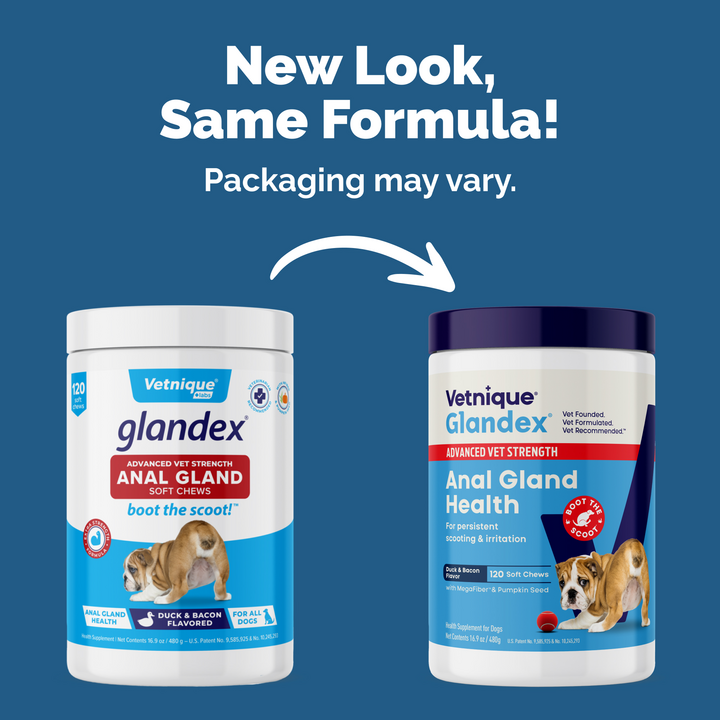
Credit: vetnique.com
Chews To Avoid
Choosing the right chew for your dog is more than just picking something to keep them busy. Some chews can be harmful, causing health issues or even emergencies. Knowing which chews to avoid can save you a trip to the vet and keep your furry friend safe and happy.
Toxic Ingredients
Some dog chews contain ingredients that are toxic to dogs. Avoid treats with xylitol, a sweetener found in some dental chews, which can cause dangerous drops in blood sugar. Also, stay away from chews made with artificial flavors or colors that might upset your dog's stomach or cause allergic reactions.
Have you checked the ingredient list on your dog's chews lately? It’s easy to miss hidden toxins that can harm your pet.
Choking Hazards
Hard chews like cooked bones or hooves can splinter and cause choking or internal injuries. Small, breakable chews can also get lodged in your dog’s throat, leading to serious blockages. Instead, look for chews that are sized appropriately for your dog’s breed and chewing style to reduce risks.
Think about your dog’s chewing habits—are they a gentle nibbler or a power chewer? This can help you pick safer options that won’t turn into choking hazards.
Harmful Chemicals
Many low-quality chews are treated with preservatives or pesticides that can be harmful over time. Imported chews without clear safety standards might contain residues that affect your dog’s health. Always choose chews from reputable brands that clearly state their sourcing and manufacturing processes.
Would you give your dog a chew if you didn’t know where it came from or what was in it? Transparency in pet products is crucial for your peace of mind and your dog’s safety.
Tips For Safe Chewing
Safe chewing is vital for your dog’s health and happiness. Providing the right chew toys helps prevent dental issues and destructive behavior. It also keeps your dog mentally engaged and physically active. Follow these tips to ensure your dog chews safely and enjoys every bite.
Supervision Guidelines
Always watch your dog during chewing time. Some chews can break into small pieces that may cause choking. Supervision helps catch any risky behavior early. Remove the chew if it becomes too small or breaks apart. Supervised chewing ensures your dog stays safe and happy.
Choosing Appropriate Sizes
Select chews that match your dog’s size and chewing strength. Too small chews can be swallowed whole. Too large chews might be hard to handle. Look for products labeled by weight or breed size. Proper sizing reduces choking risk and keeps chewing fun.
Monitoring Wear And Tear
Check your dog’s chew toys regularly for damage. Worn out chews can splinter or break easily. Replace chews that show cracks, sharp edges, or excessive wear. Keeping chews in good shape protects your dog’s mouth and digestive tract.

Credit: www.vetriscience.com
Frequently Asked Questions
What Types Of Chews Do Vets Recommend For Dogs?
Vets recommend natural, durable chews like rawhide, bully sticks, and dental chews. These promote dental health and satisfy chewing instincts safely.
Are Dental Chews Safe For All Dog Breeds?
Yes, dental chews are generally safe for all breeds but choose size-appropriate options. Always supervise to prevent choking hazards.
How Often Should Dogs Be Given Chews?
Dogs should have chews a few times a week. Overuse can cause digestive upset or dental issues.
Can Chewing Help Reduce Dog Anxiety?
Yes, chewing relieves stress and anxiety by providing mental stimulation and comfort. It helps dogs feel calm and focused.
Conclusion
Choosing safe and vet-recommended chews keeps dogs happy and healthy. Natural chews like bully sticks and dental bones help clean teeth. Avoid hard items that can break teeth or cause choking. Always watch your dog during chewing time. Regular vet visits ensure your dog's chewing habits stay safe.
Healthy chewing supports strong teeth and prevents boredom. Remember, the right chew makes a big difference. Keep your dog’s tail wagging with safe, fun chews every day.