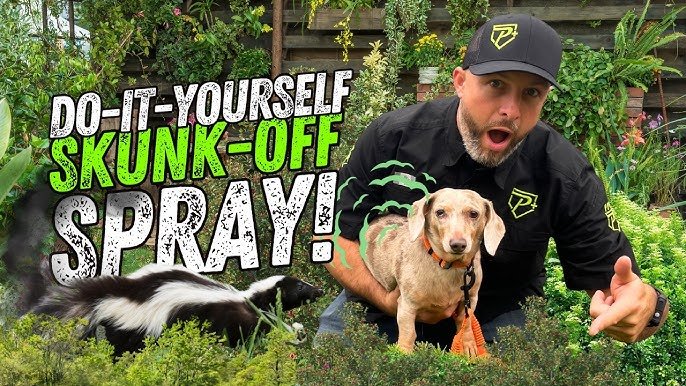
Imagine this: you're enjoying a peaceful evening with your furry friend when suddenly, an unmistakable, pungent odor fills the air. Your heart sinks as you realize your dog has had a close encounter with a skunk.
It's an unpleasant surprise, but don't worry—you've come to the right place. In this guide, you'll discover the most effective ways to treat a dog sprayed by a skunk, ensuring your pup is back to smelling fresh in no time.
Skunk spray can be overwhelming, and it's often a challenge to tackle. You might feel stressed and unsure of where to begin. But with the right steps and a bit of patience, you can neutralize that stench and make your home a comfortable place again. So, are you ready to reclaim your space and help your dog feel comfortable and clean? Keep reading to learn the simple yet powerful methods that can make all the difference.

Credit: www.reddit.com
Immediate Actions After Skunk Spray
Dealing with a dog sprayed by a skunk requires quick and careful action. The odor is strong and unpleasant. Immediate steps help protect your home and keep your dog safe. Start by managing your dog's location and handling with care. Check your pet for any physical harm caused by the encounter. These first actions set the stage for effective cleaning and comfort.
Keep Your Dog Outside
Keep your dog outside to avoid spreading the smell indoors. The skunk spray can cling to furniture, carpets, and clothes. Confine your dog to a yard or porch. Avoid letting your pet inside until cleaned thoroughly. Fresh air helps reduce the odor’s strength. Prepare a washing area outside to wash your dog quickly.
Avoid Touching The Spray
Do not touch the sprayed areas on your dog with bare hands. The oil is sticky and smelly. Wear gloves to protect your skin and clothes. Avoid rubbing your face or eyes after contact. Use old towels or rags to handle your dog gently. This prevents the smell from spreading to you or your belongings.
Check For Injuries
Examine your dog for any injuries from the skunk encounter. Look for scratches, bites, or swelling. Skunks may cause harm while defending themselves. Check eyes for redness or irritation from the spray. If you find wounds or your dog seems in pain, contact a veterinarian. Treating injuries early prevents infection and discomfort.
Credit: www.walmart.ca
Effective Home Remedies
Dealing with the smell after your dog has been sprayed by a skunk can be frustrating. Luckily, there are several home remedies that can help neutralize the odor quickly and safely. These solutions are easy to prepare with items you probably already have at home.
Tomato Juice Myth
Many people reach for tomato juice to get rid of skunk smell, but does it really work? Tomato juice can mask the odor temporarily, but it doesn’t neutralize the chemicals causing the smell.
Relying solely on tomato juice might leave your dog still smelling like skunk after it dries. You want a solution that breaks down the oils from the skunk spray, not just cover them up.
Baking Soda And Hydrogen Peroxide Mix
This mix is a powerful home remedy that works well to neutralize skunk odor. Combine 1 quart of 3% hydrogen peroxide, 1/4 cup of baking soda, and 1 teaspoon of liquid dish soap.
Apply the mixture to your dog’s fur carefully, avoiding the eyes and mouth. Let it sit for 5 to 10 minutes, then rinse thoroughly with water. This solution breaks down the skunk oils and reduces the smell effectively.
Dish Soap Application
Dish soap can cut through grease and oils, making it a handy first step in washing your dog after a skunk incident. Use a gentle dish soap and lather your dog’s coat well.
Rinse and repeat if necessary. While dish soap alone might not completely eliminate the odor, it prepares your dog’s fur for more effective treatments like the baking soda and hydrogen peroxide mix.
Step-by-step Cleaning Process
Cleaning a dog sprayed by a skunk requires patience and care. The strong odor can cling to fur and skin. A proper cleaning process helps remove the smell safely and effectively. Follow these steps closely to protect your dog’s health and comfort.
Prepare The Cleaning Solution
Mix the cleaning solution before starting the bath. Use:
- 1 quart of 3% hydrogen peroxide
- 1/4 cup of baking soda
- 1 teaspoon of liquid dish soap
Combine these ingredients in a large bowl or bucket. Stir gently until the baking soda dissolves. Do not store this mixture; use it immediately for best results.
Apply And Scrub Carefully
Wear gloves to protect your hands. Apply the solution evenly on your dog’s fur. Avoid the eyes, mouth, and nose. Work the solution deep into the fur, focusing on the smelly areas. Use a gentle scrubbing motion with your fingers or a soft brush. Let the solution sit for 5 minutes, but do not leave it on too long to prevent irritation.
Rinse Thoroughly
Use lukewarm water to rinse the solution off completely. Make sure no residue remains on the fur. Rinse until the water runs clear and the smell lessens. Dry your dog with a towel in a warm, well-ventilated area. Repeat the process if the odor persists, but avoid excessive washing to protect the skin.
Alternative Remedies And Products
Dealing with a skunk-sprayed dog is stressful, but you have options beyond the classic baking soda mix. Alternative remedies and products can simplify the process and reduce the harsh smell faster. Choosing the right solution depends on your dog’s skin sensitivity, your available time, and how strong the skunk odor is.
Commercial De-skunking Sprays
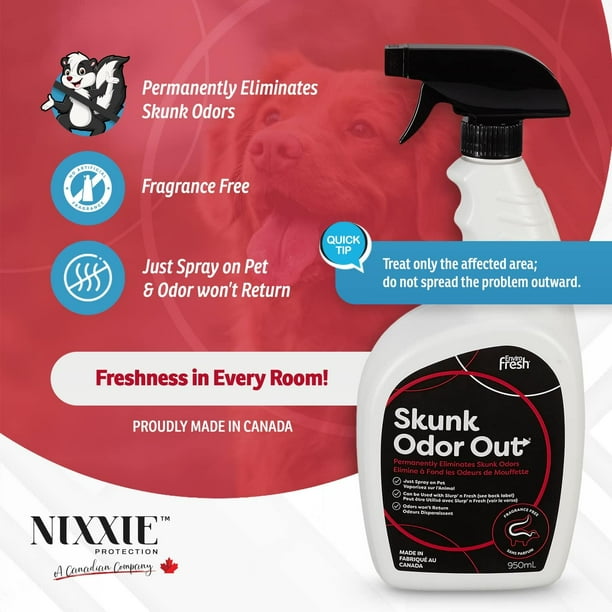
Commercial sprays designed specifically for skunk odor removal offer a convenient and often effective solution. These products usually contain ingredients that neutralize the smell without harsh chemicals that irritate your dog's skin.
Many pet owners find these sprays easy to use—just spray on your dog’s fur, let it sit for a few minutes, then rinse off. Have you noticed how some sprays even work better than homemade remedies? Trying a trusted brand might save you time and stress.
Vinegar-based Solutions
Vinegar is a simple household item that can help reduce skunk odor. Mixing equal parts of white vinegar and water creates a mild solution to rinse your dog’s fur.
This method is less harsh than some chemical cleaners and can be a good alternative if you want something quick and natural. However, vinegar has a strong smell itself, so be prepared for your dog to carry a bit of that scent until it fades.
Professional Grooming Services
If you feel overwhelmed or your dog’s coat is heavily soaked in skunk spray, professional groomers can be a lifesaver. Groomers have specialized shampoos and techniques to tackle the stubborn odor effectively.
Sometimes, leaving the task to experts can prevent skin irritation and keep your dog calm during the cleaning process. Would you consider this option if your at-home efforts don’t work? Professional help can make a big difference in tough cases.
Preventing Future Skunk Encounters
Skunk encounters can leave your dog smelling awful and stressed. The best way to avoid this mess is to stop skunks from visiting your yard in the first place. Taking simple, practical steps can make your outdoor space less inviting to these pesky animals.
Secure Your Yard
Skunks are excellent diggers and can squeeze through small openings. Check your fences and gates for holes or gaps and seal them tightly. Adding a barrier that extends underground can stop skunks from burrowing under your fence.
Think about installing motion-activated lights or sprinklers. These sudden bursts can scare skunks away without harming them. Have you noticed any dark, quiet spots where skunks might like to hide? Clearing those areas can reduce their interest in your property.
Remove Attractants
Skunks are attracted to food, water, and shelter. Keep your trash cans tightly sealed and avoid leaving pet food outside overnight. Fallen fruit or compost piles can also draw skunks, so clean up promptly.
Standing water invites all kinds of wildlife, including skunks. Fix leaks and remove any containers holding water. By removing easy meals and water sources, you make your yard less appealing to skunks.
Use Repellents
You can use natural or commercial repellents to discourage skunks from hanging around. Products with ingredients like predator urine or strong spices can make your yard uncomfortable for them. Try sprinkling these repellents near skunk entry points and refresh them regularly.
Planting herbs such as lavender or rosemary may also help, as skunks dislike their strong scents. Would you be willing to experiment with different repellents to find what works best for your yard? Your dog’s comfort could depend on it.

Credit: projectupland.com
When To See A Veterinarian
Knowing when to see a veterinarian after your dog has been sprayed by a skunk can save you a lot of trouble. While many cases can be handled at home, some symptoms require professional care. Keep a close eye on your pet’s behavior and physical condition to catch any signs that need urgent attention.
Signs Of Allergic Reactions
Watch for unusual swelling, especially around the face or paws. If your dog starts scratching excessively or develops red, irritated skin, an allergic reaction might be happening. These symptoms can quickly worsen, so don’t hesitate to contact your vet if you notice them.
Eye Or Respiratory Issues
Skunk spray can irritate your dog’s eyes and respiratory system. If your dog is pawing at their eyes, squinting, or has redness, it might need medical treatment. Also, look out for coughing, sneezing, or difficulty breathing—these signs demand immediate veterinary care.
Persistent Odor Problems
Sometimes, even after thorough cleaning, the skunk smell won’t fade. If the odor lingers for days, it could indicate skin irritation or infection beneath the surface. Your vet can recommend treatments or medicated shampoos to help eliminate the smell safely and comfortably for your dog.
Frequently Asked Questions
How To Safely Clean A Dog Sprayed By Skunk?
Use a homemade mixture of hydrogen peroxide, baking soda, and dish soap. Avoid harsh chemicals and rinse thoroughly. Wear gloves to protect yourself during cleaning.
What Household Ingredients Neutralize Skunk Odor On Dogs?
Hydrogen peroxide, baking soda, and liquid dish soap effectively neutralize skunk spray. These ingredients break down oils causing the odor without harming your dog’s skin.
How Long Does Skunk Smell Last On A Dog?
Without treatment, skunk smell can last days or weeks. Proper cleaning reduces odor within hours and prevents long-lasting discomfort for your dog.
Can I Use Commercial Pet Shampoos For Skunk Spray?
Regular pet shampoos alone often don’t remove skunk odor. Use specialized deodorizing products or homemade remedies for effective skunk smell removal.
Conclusion
Treating a dog sprayed by a skunk requires quick action and care. Use a safe cleaning solution to remove the smell. Avoid harsh chemicals that can hurt your dog’s skin. Rinse thoroughly and keep your dog calm during the process.
Check for any signs of irritation or discomfort. If the smell lingers, repeat the treatment gently. Keeping your dog clean helps prevent skin problems. Remember, patience and gentle care make a big difference. Your dog will feel better soon with the right treatment.