Are you wondering when your playful pup should transition from puppy food to adult dog food? This is a common question for many dog owners, and getting it right is crucial for your furry friend's health and development.
Your dog’s nutritional needs change as they grow, and feeding them the right food at the right time can make all the difference. In this blog, we’ll uncover the signs that indicate it's time to make the switch, and we’ll help you understand why it's so important.
By the end, you'll feel confident in making the best choice for your dog's diet, ensuring they continue to thrive as they enter adulthood. Stick around to find out how to keep your beloved pet happy and healthy!
Growth Stages In Dogs
Understanding your dog's growth stages is key to knowing when to switch from puppy food to adult food. Each stage of your dog's life demands different nutrients and energy levels. Recognizing these phases helps you support your dog's health and development effectively.
Puppy Phase Duration
The puppy phase usually lasts from birth up to about 12 months, but this can vary by breed. Smaller breeds often mature faster, finishing this phase around 9 to 12 months. Larger breeds may stay in the puppy phase longer, sometimes up to 18 months.
During this time, your puppy needs food rich in protein and calories to fuel rapid growth. You might notice bursts of energy and quick physical changes, like growing teeth and increased size. Are you tracking these changes closely enough to adjust their diet accordingly?
Adolescent Changes
After the initial puppy phase, your dog enters adolescence, roughly between 6 months and 2 years. This period can be confusing because your dog still looks like a puppy but behaves more like an adult. Growth slows down, but your dog’s nutritional needs remain high to support muscle development and activity.
Behavioral shifts, like testing boundaries and increased independence, are common now. You may need to switch to a food that balances growth support without adding excess calories. How well does your dog’s current food match these changing needs?
Adult Maturity Signs
Adult maturity usually kicks in between 1 and 2 years for small breeds, and up to 3 years for larger breeds. Signs include a stable weight, less erratic energy levels, and a fully developed body structure. When these signs appear, it’s time to consider moving your dog to adult food.
Adult dog food is formulated to maintain health rather than promote growth. It typically contains fewer calories but enough nutrients to keep your dog active and fit. Have you observed these maturity signs in your dog yet?

Credit: pupford.com
Nutritional Needs Over Time
Your dog's nutritional needs change significantly as they grow. Puppy food is specially made to support rapid development, but continuing it too long or switching too early can affect your dog's health. Understanding these needs helps you decide the right time to change their diet.
Puppy Food Benefits
Puppy food contains higher levels of protein and fat to fuel growth and energy. It also includes essential vitamins and minerals like calcium for strong bones and DHA for brain development.
When I switched my puppy too early to adult food, I noticed less energy and slower growth. This showed me how important those extra nutrients in puppy food really are.
Transition Nutrients
As your dog approaches adulthood, their growth rate slows and their nutrient needs shift. Transitioning gradually allows their digestive system to adjust to different levels of protein, fat, and calories.
Look for foods with balanced levels of nutrients that match your dog's current life stage. A sudden change can cause stomach upset or nutrient imbalances, so mixing puppy and adult food for a few weeks works best.
Adult Dog Requirements
Adult dogs need fewer calories but still require balanced nutrition to maintain muscle, support immune function, and keep their coat healthy.
- Lower fat content to prevent weight gain
- Moderate protein to maintain muscle mass
- Added fiber for digestive health
Have you noticed changes in your dog's energy or coat after switching foods? Watching these signs helps you tailor their diet to keep them healthy long-term.
Factors Influencing Diet Change
Changing a puppy’s diet to adult dog food depends on several factors. These factors ensure your dog stays healthy and gets the right nutrition. Understanding these can help you decide the best time for the switch.
Breed Size Differences
Small and large breeds grow at different speeds. Small breeds usually mature faster. They might switch to adult food by 9 to 12 months. Large breeds take longer to grow. They may need puppy food for up to 18 months. Their bones and joints need extra nutrients during growth.
Health Considerations
Some dogs have special health needs. Puppies with allergies or digestive issues may require specific diets longer. A vet can advise if puppy food suits their health. Dogs recovering from illness might benefit from puppy nutrition. It supports healing and energy levels.
Activity Levels
Active puppies burn more calories. They may need richer nutrition for energy. Less active puppies need fewer calories. Adjusting food type and amount helps maintain healthy weight. Monitor your dog’s activity to decide diet changes.
Signs To Switch From Puppy Food
Knowing when to switch your dog from puppy food to adult food is important. Signs can help you decide the right time. These signals come from your dog’s body, actions, and advice from vets. Paying attention to these signs ensures a smooth transition for your pet.
Physical Indicators
- Your dog reaches about 80% of its expected adult size.
- Coat becomes less fluffy and more mature in texture.
- Teeth appear fully grown and strong.
- Weight stabilizes without rapid growth spurts.
- Energy levels shift from hyperactive puppy bursts to steadier play.
Behavioral Clues
- Your dog shows less interest in constant eating.
- Begging for food decreases as hunger patterns stabilize.
- More focused and less easily distracted during training.
- Social behaviors mature, showing less puppy-like roughness.
- Sleeping patterns become more regular and longer.
Veterinary Recommendations
- Vets often suggest switching at 12 months for most breeds.
- Smaller breeds may switch earlier, around 9 to 12 months.
- Large breeds might need puppy food until 18 to 24 months.
- Regular check-ups help vets assess growth and health.
- Vets can advise the best adult food type for your dog.
How To Transition Diet Smoothly
Switching your dog from puppy food to adult food needs care and patience. A smooth diet transition helps avoid stomach problems and keeps your dog happy. Follow simple steps to make this change easier for your furry friend.
Gradual Food Mixing
Start by mixing a small amount of adult food with puppy food. Increase the adult food portion slowly over 7 to 10 days. This helps your dog's stomach adjust to the new food. Sudden changes can cause upset stomach or diarrhea.
Monitoring Digestive Health
Watch your dog’s stool and energy levels closely during the switch. Soft stools or vomiting may mean the new food is too much too fast. If problems appear, slow down the food change process. Healthy digestion is a good sign your dog accepts the new diet well.
Adjusting Meal Portions
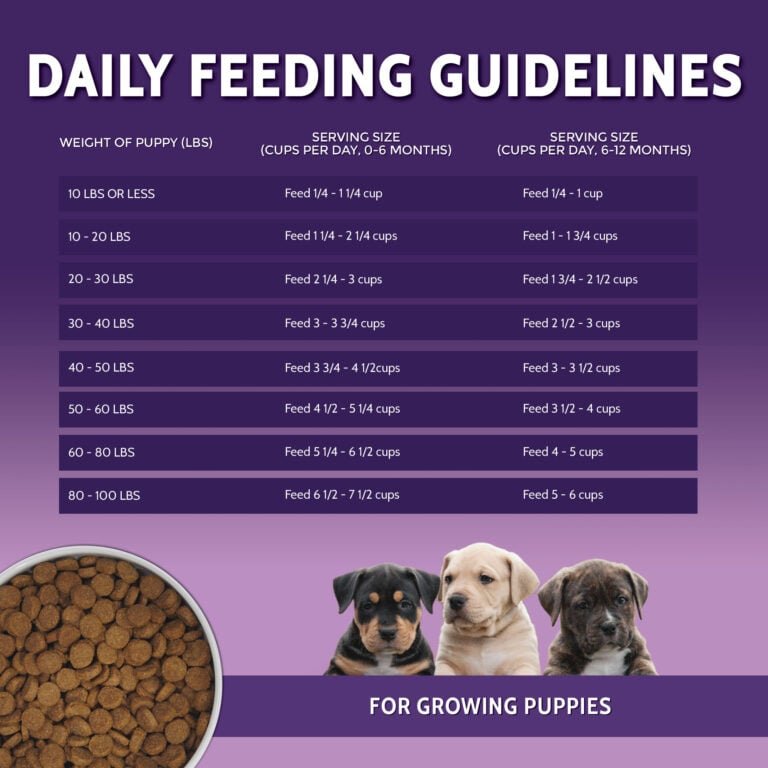
Adult dogs usually need fewer calories than puppies. Reduce meal sizes as you shift to adult food. Follow feeding guidelines on the food package or ask your vet. Proper portions prevent weight gain and keep your dog fit and active.

Credit: www.lilyskitchen.co.uk
Common Mistakes To Avoid
Knowing when to stop feeding your dog puppy food is key to their health. Many dog owners make simple mistakes during this transition. These errors can affect your dog's growth and overall well-being. Avoiding common pitfalls helps your dog grow strong and happy.
Overfeeding Puppy Food
Puppy food has more calories and nutrients than adult dog food. Feeding too much can lead to rapid weight gain. Excess weight stresses growing bones and joints. It may cause future health problems like obesity and diabetes. Measure portions carefully and follow feeding guidelines on the package.
Ignoring Growth Milestones
Every dog breeds grows at a different pace. Large breeds need puppy food longer than small breeds. Watch your dog’s size and energy levels closely. Switching too early or too late can harm development. Keep track of their growth stages to know the right time to change food.
Skipping Vet Advice
Veterinarians offer valuable advice on diet changes. They know your dog’s specific health needs and breed traits. Skipping vet consultations risks feeding the wrong food too soon. Always ask your vet before switching from puppy to adult food. Their guidance supports a smooth and healthy transition.
Special Cases And Exceptions
Some dogs need special care when changing from puppy food to adult food. Their breed size, health, and age can affect the timing. Knowing these exceptions helps keep your dog healthy and happy. Understanding these cases makes feeding easier and safer.
Small Vs. Large Breeds
Small breed puppies grow faster than large breeds. They may switch to adult food as early as 9 months. Large breeds need more time to develop strong bones and muscles. They often stay on puppy food until 12 to 18 months old. Choosing the right time supports their growth and avoids health problems.
Puppies With Health Issues
Some puppies have special health needs. Dogs with digestive problems may need a specific diet longer. Those with allergies might require food changes under vet advice. Illness or slow growth can delay the switch to adult food. Always check with a vet before changing their diet.
Senior Dogs And Diet
Senior dogs have different nutritional needs than puppies or adults. They may need softer food or lower calories. Feeding them puppy food can cause weight gain or digestive upset. Talk to your vet about the best diet for older dogs. Adjusting food at the right time keeps them strong and active.

Credit: www.petfoodprocessing.net
Frequently Asked Questions
When Is The Right Time To Stop Puppy Food?
Puppies should switch from puppy to adult food around 12 months. Large breeds may need puppy food up to 18-24 months for proper growth.
How To Know If My Dog Needs Adult Food?
Signs include slowed growth and reaching adult weight. Your vet can confirm the best time to change your dog's diet safely.
Can Feeding Puppy Food Too Long Harm My Dog?
Yes, prolonged puppy food can cause excess calories and nutrient imbalance. This may lead to weight gain and joint issues in adult dogs.
What Are The Benefits Of Switching To Adult Dog Food?
Adult food has balanced nutrients for maintenance, not growth. It supports healthy metabolism, weight management, and overall well-being in mature dogs.
Conclusion
Puppies grow fast and need the right food at each stage. Switching from puppy food helps support their health and energy. Watch your dog’s size, breed, and vet advice to decide the best time. Feeding adult food too early or too late can cause problems.
Pay attention to your dog’s needs and adjust meals carefully. A smooth change keeps your dog happy and strong. Taking these steps ensures your dog stays healthy as they grow.