
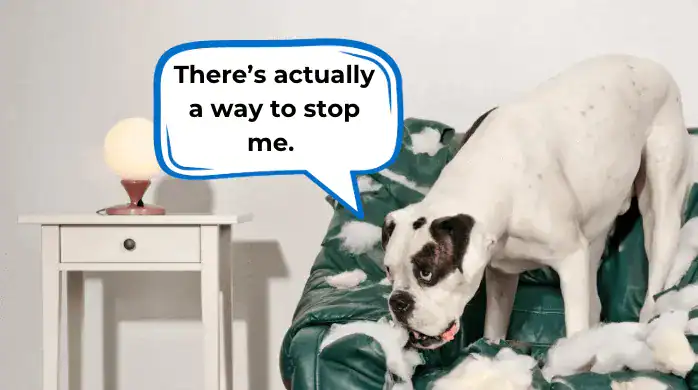
Does it feel like your furniture is under siege from your furry friend? You’re not alone.
Many dog owners face the frustrating battle of stopping their dogs from chewing on wood. Whether it's your favorite chair leg or the backyard fence, wood seems to have a mysterious allure for our canine companions. But here's the good news—you can put an end to this gnawing problem.
Imagine coming home to find your furniture intact and your dog happy and content. In this guide, you'll discover practical and easy-to-follow steps to redirect your dog's chewing habits. Let's dive into the simple solutions that will save your wooden treasures and restore peace in your home!
Why Dogs Chew Wood
Understanding why your dog chews wood is the first step to stopping this behavior. Dogs chew for different reasons, and knowing the cause helps you address the root problem. Let’s look at some common reasons behind this habit.
Natural Chewing Instinct
Chewing is a natural behavior for dogs. It helps them keep their teeth clean and jaws strong. Even if your dog isn’t a puppy anymore, this instinct doesn’t just disappear.
Think about how wild dogs or wolves use chewing to explore their environment. Your pet is no different—they use their mouth to understand the world. Knowing this can help you provide safe alternatives for chewing.
Boredom And Anxiety
Dogs often chew wood when they feel bored or anxious. If your dog spends long hours alone or doesn’t get enough exercise, chewing becomes a way to relieve stress. Have you noticed your dog chewing more when you’re not around?
Providing plenty of physical activity and mental stimulation can reduce this behavior. Puzzle toys or regular walks can make a big difference in your dog’s mood and chewing habits.
Teething In Puppies
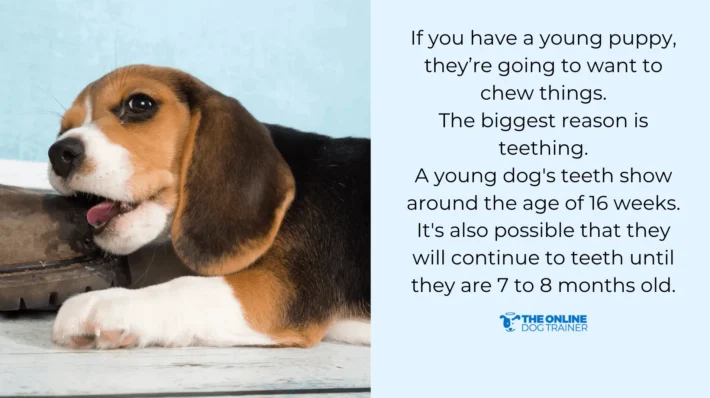
Puppies go through a teething phase where chewing helps soothe their sore gums. This phase can last several months and often leads to chewing on anything they can find, including wood. If your puppy chews wood, it’s often a sign they need something safer to gnaw on.
Offer chew toys designed for teething puppies to help ease their discomfort. This can prevent damage to your furniture and keep your puppy happy.
Attention-seeking Behavior
Sometimes dogs chew wood just to get your attention. If your dog learns that chewing leads to a big reaction from you, they may repeat the behavior. Have you ever caught your dog chewing wood and then instantly gave them a lot of attention?
Instead of reacting strongly, try ignoring the chewing and rewarding good behavior. This teaches your dog that chewing wood won’t get attention, but playing with toys or obeying commands will.
Identifying The Root Cause
Understanding why your dog is chewing wood is the key to stopping this behavior effectively. Without knowing the root cause, any solution you try might only be temporary or ineffective. Take a moment to look deeper into your dog's habits and environment to find clues that point to why this chewing happens.
Observing Chewing Patterns
Watch when and where your dog chews wood. Is it happening mostly when you’re not around, or during specific times like after meals or when your dog seems bored? Patterns can reveal if the chewing is due to anxiety, boredom, or just curiosity.
Notice what type of wood your dog prefers. Is it furniture, sticks from outside, or wooden toys? This detail can help you understand if the chewing is accidental or intentional.
Checking For Nutritional Deficiencies
Sometimes dogs chew wood because they are missing something in their diet. Nutritional gaps, especially in minerals like calcium or phosphorus, can cause unusual chewing habits. Have you reviewed your dog’s diet recently or consulted a vet about it?
If your dog’s food isn’t balanced, adding supplements or switching to a high-quality diet might reduce the need to chew on non-food items. Keep a food diary to track any changes in behavior after adjusting their nutrition.
Assessing Environmental Factors
Look around your dog's living space and daily routine. Is your dog left alone for long periods? Lack of exercise or mental stimulation can lead to destructive chewing as a way to relieve stress.
Consider if there are triggers like loud noises, other pets, or changes in the household that might be causing anxiety. Creating a calm, engaging environment with plenty of toys and activities can make a big difference.
What small changes can you make today to improve your dog’s environment? Sometimes, the solution lies in simple adjustments that provide comfort and distraction.
Safe Alternatives To Wood
Providing your dog with safe alternatives to wood can help protect your home and keep your furry friend happy. Dogs often chew wood out of boredom, teething discomfort, or curiosity. Offering them suitable options redirects this natural behavior toward items designed to satisfy their chewing needs without causing harm.
Durable Chew Toys
Durable chew toys are a great way to keep your dog busy and away from wooden furniture or sticks. Look for toys made from tough rubber or nylon that can withstand heavy chewing. Brands like KONG or Nylabone offer products that are both safe and long-lasting.
Consider your dog's size and chewing strength when choosing a toy. A large breed might need something tougher, while smaller dogs benefit from softer options. Have you noticed how your dog reacts to different textures? This insight can guide your choice effectively.
Edible Chew Treats
Edible chew treats provide both entertainment and a tasty reward. Bully sticks, dental chews, or rawhide alternatives keep your dog engaged while promoting dental health. These treats satisfy the urge to chew and reduce the temptation to gnaw on wood.
Always supervise your dog during treat time to avoid choking hazards. Rotate different types to maintain your dog’s interest. Have you tried combining treats with playtime to make chewing a positive experience?
Interactive Toys
Interactive toys challenge your dog’s mind and keep their jaws busy. Puzzle toys that release treats or toys that squeak can distract dogs from destructive chewing habits. These toys also help reduce boredom, a common reason dogs chew wood.
Try introducing new toys gradually and observe which ones your dog prefers. Interactive toys can also strengthen your bond through play. What interactive toy has sparked your dog’s curiosity the most?

Credit: danandsam.com.au
Training Methods To Stop Wood Chewing
Training your dog to stop chewing wood requires patience and consistent effort. Using effective training methods helps guide your dog’s behavior positively. These methods focus on encouraging good habits and discouraging unwanted chewing.
Positive Reinforcement
Reward your dog when it avoids chewing wood. Use treats, praise, or petting immediately after good behavior. This helps your dog connect rewards with not chewing wood.
Be consistent with rewards to strengthen the habit. Ignore or redirect when your dog starts chewing wood. Positive reinforcement builds trust and encourages learning.
Redirecting Behavior
Offer safe alternatives like chew toys or bones. When your dog tries to chew wood, calmly replace the wood with a toy. This teaches your dog what is acceptable to chew.
Keep toys interesting by rotating them regularly. Praise your dog when it chooses toys over wood. Redirecting helps prevent damage and keeps your dog engaged.
Using Deterrent Sprays
Apply bitter-tasting sprays on wood surfaces. These sprays discourage chewing by making the wood taste unpleasant. Choose sprays that are safe for pets and non-toxic.
Reapply sprays often, especially after cleaning. Combine deterrents with training for better results. Deterrent sprays add an extra layer of protection against chewing.
Environmental Adjustments
Adjusting your dog's environment is key to stopping wood chewing. Dogs often chew wood out of boredom, stress, or easy access. Changing their surroundings helps reduce this behavior. Small changes can make a big difference in keeping your dog safe and your home intact.
Removing Access To Wood
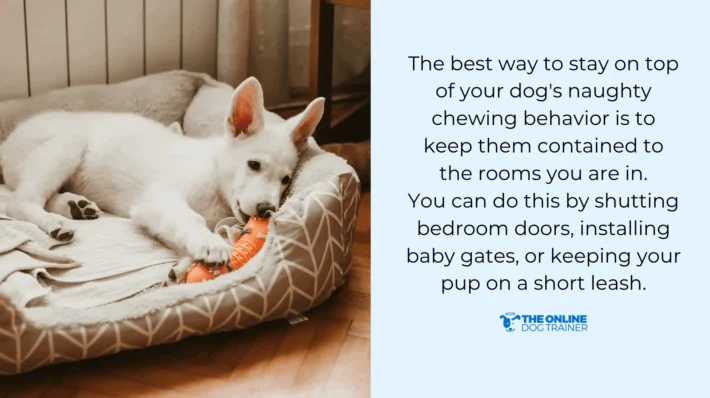
Keep wood items out of your dog’s reach. Store firewood, furniture, and wooden toys in closed areas. Use barriers or gates to block access to wooden fences or decks. Clear any broken wood pieces from the yard immediately. This prevents temptation and reduces the chance of chewing.
Providing Adequate Exercise
Exercise helps release your dog’s energy and stress. Take your dog for daily walks or runs. Play fetch or other active games to keep them busy. A tired dog is less likely to chew on wood out of boredom. Regular exercise improves their mood and focus.
Creating A Stimulating Environment
Offer your dog plenty of toys and activities. Rotate toys to keep them interesting. Use puzzle feeders or treat-dispensing toys for mental challenges. Provide a comfortable space for rest and relaxation. A rich environment reduces boredom and destructive behaviors.
Credit: theonlinedogtrainer.com
When To Consult A Veterinarian
Knowing when to consult a veterinarian is key to stopping your dog from chewing wood safely. Some chewing habits may signal health problems. A vet can help diagnose issues beyond simple behavior. Early consultation can prevent pain and more serious problems.
Signs Of Dental Issues
Look for signs like bad breath, swollen gums, or bleeding. Your dog may avoid eating or paw at the mouth. Broken or loose teeth can cause chewing on wood. These signs need a vet’s attention fast. Dental pain often leads dogs to chew to relieve discomfort.
Persistent Chewing Despite Training
Training usually reduces chewing over time. If your dog keeps chewing wood after training, see a vet. Persistent chewing might indicate underlying health issues. A vet can check for allergies, infections, or pain. Understanding the root cause helps find the right solution.
Behavioral Health Concerns
Excessive chewing can stem from anxiety or stress. Dogs might chew wood to calm themselves. A vet can assess mental health and suggest treatments. Behavioral problems may need medication or therapy. Early help improves your dog’s well-being and stops destructive chewing.
Credit: theonlinedogtrainer.com
Frequently Asked Questions
Why Does My Dog Chew Wood Furniture?
Dogs chew wood furniture due to boredom, teething, or anxiety. They seek stimulation and relieve discomfort. Identifying the cause helps prevent damage effectively.
How Can I Train My Dog To Stop Chewing Wood?
Use positive reinforcement, provide chew toys, and redirect attention. Consistent training and patience reduce wood chewing habits over time.
What Safe Alternatives Can Replace Wood Chewing?
Offer durable chew toys, dental sticks, or frozen treats. These alternatives satisfy chewing urges without harming your dog or furniture.
Can Diet Affect My Dog's Chewing Behavior?
Yes, nutritional deficiencies can increase chewing. A balanced diet supports overall health and reduces destructive chewing habits.
Conclusion
Stopping your dog from chewing wood takes time and patience. Provide safe toys to keep them busy. Watch your dog closely and redirect chewing to toys. Praise good behavior to encourage positive habits. Protect wooden items by blocking access or using deterrents.
Remember, chewing is natural, but you can guide it. Consistency helps your dog learn what is okay to chew. Keep training simple and clear for best results. Your dog will enjoy safer, happier play with your help.