If you have a dog, you’ve probably wondered whether adding a bed inside their crate is a good idea. You want your furry friend to be comfortable and safe, but is a dog bed the right choice?
Making the crate cozy can help your dog feel secure and relaxed, but there are important things you need to know before you decide. Keep reading to find out the benefits, possible risks, and expert tips on putting a dog bed in a crate—so you can make the best choice for your pet’s happiness and well-being.
Benefits Of A Dog Bed In A Crate
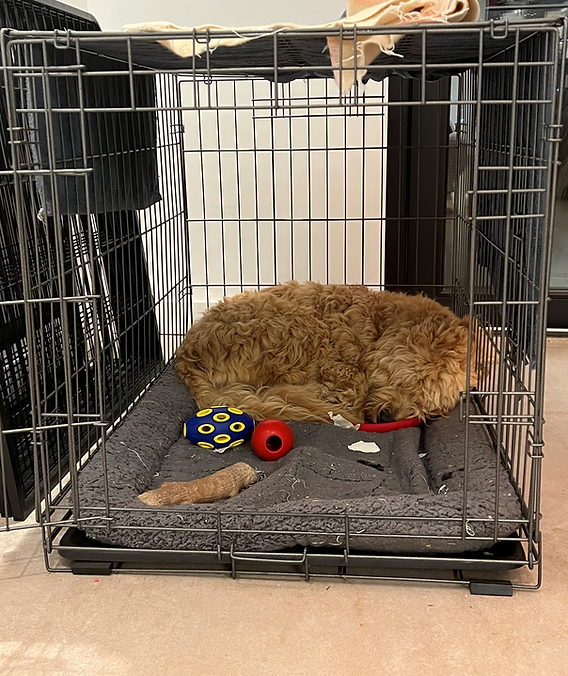
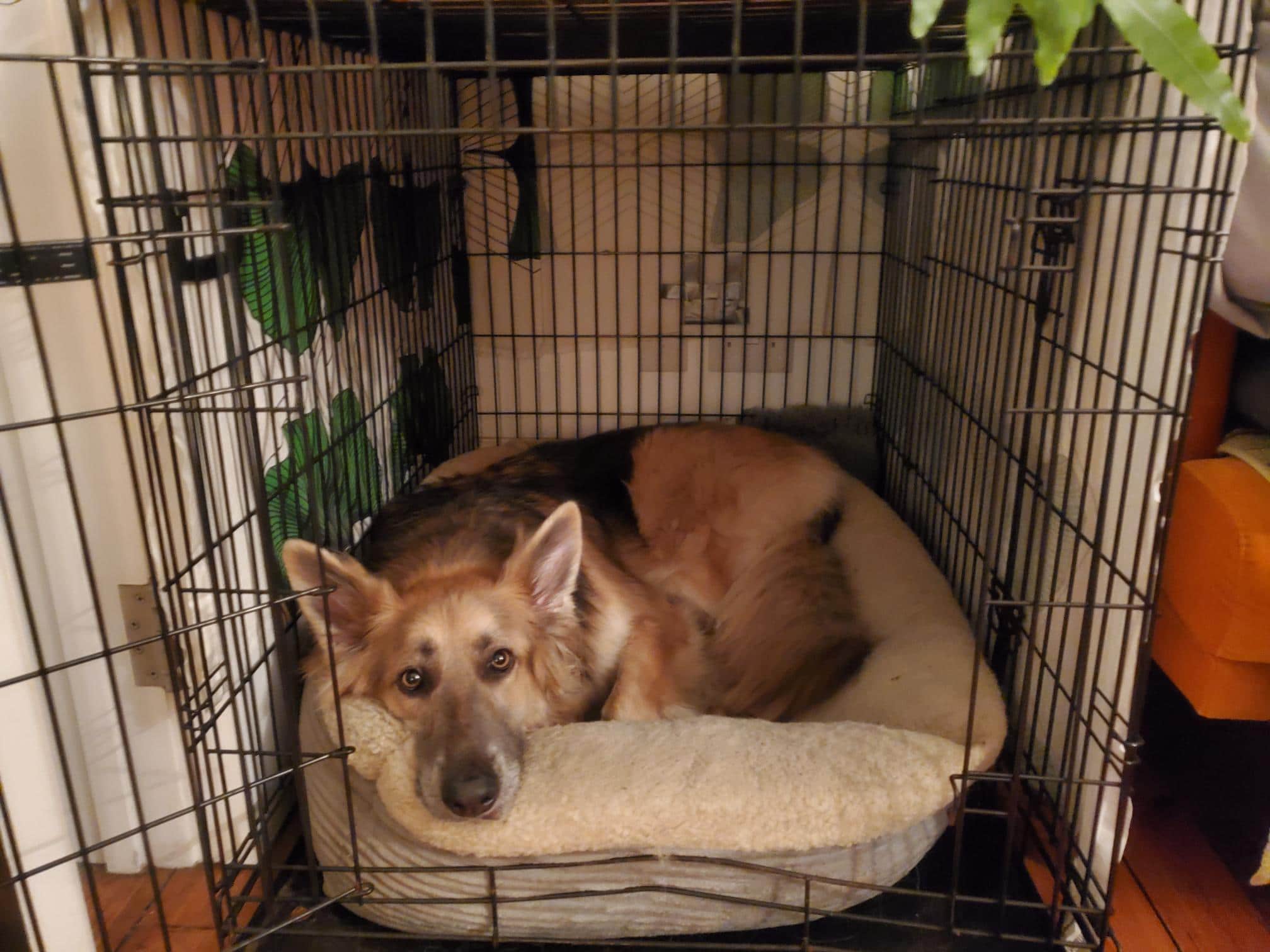
Adding a dog bed inside your dog’s crate can transform it from a simple enclosure into a cozy retreat. It’s not just about making the space softer; it’s about creating a supportive, calming environment that benefits your dog’s health and happiness. Here’s how a dog bed in a crate can make a difference in your pet’s daily life.
Improved Comfort And Support
A crate bed cushions your dog’s joints and muscles, especially for older dogs or breeds prone to arthritis. Without it, the hard crate floor can cause discomfort and pressure points.
Think about your own experience sitting on a hard floor versus a padded chair. Your dog feels the same way. Adding a soft bed encourages your dog to settle down comfortably and use the crate more willingly.
Reduced Anxiety And Stress
Dogs often see their crate as a safe zone, but a bare crate can feel cold and unwelcoming. A bed adds warmth and familiarity, which helps lower stress levels.
When I added a plush bed to my anxious dog’s crate, I noticed fewer whining episodes and quicker calm-down times. Could your dog benefit from a more comforting space during stressful moments?
Better Sleep Quality
A comfortable bed promotes deeper, uninterrupted sleep for dogs, which is crucial for their overall well-being. Restful sleep aids in recovery, mood regulation, and energy levels.
If your dog tosses and turns or seems restless in the crate, a bed might be the simple fix. Better sleep means a happier and healthier dog ready to tackle the day with you.
Choosing The Right Bed For Your Crate
Choosing the right bed for your dog's crate is more important than you might think. It impacts your pet’s comfort, safety, and even their behavior inside the crate. A well-chosen bed can make crate time feel like a cozy retreat rather than a place of confinement.
Size And Fit Considerations
Your dog’s crate bed should fit snugly without crowding the space. Measure the crate’s interior and compare it with your dog’s size while lying down comfortably. If the bed is too small, your dog won’t be able to stretch out; if it’s too big, it may shift around and cause discomfort.
Think about your dog’s sleeping style. Do they curl up or sprawl out? This affects how much room they need. A bed that fills most of the crate floor but still leaves a little extra space for movement works best.
Material And Durability
Durability matters because your dog’s bed will get a lot of use—and sometimes chewing. Look for materials that can withstand scratching and occasional gnawing. Memory foam or orthopedic beds are great for older dogs or those with joint issues, but make sure the cover is tough enough for daily wear.
Consider your dog’s preferences too. Some dogs love soft, plush surfaces, while others prefer firmer bedding. Does your dog tend to overheat? Breathable fabrics can keep them cool and comfortable.
Washability And Maintenance
You’ll want a bed that’s easy to clean because crate beds can quickly get dirty from fur, dirt, and accidents. Removable, machine-washable covers are a lifesaver. They let you keep the bed fresh without hassle.
Also, check if the bed’s materials dry quickly after washing. A bed that stays damp too long can develop unpleasant odors or mold. Ask yourself: How often will you realistically clean the bed? Choose a design that fits your cleaning routine.
Safety Tips For Crate Bedding
Adding bedding to your dog's crate can make it a cozy retreat, but safety should always come first. Choosing the right materials and keeping an eye on your pup’s behavior can prevent accidents and discomfort. Here are some key tips to help you create a safe and comfortable crate environment.
Avoiding Chewing Hazards
Dogs often chew on their bedding, especially puppies or anxious pets. Avoid beds with loose stuffing, buttons, or zippers that your dog can swallow. Instead, pick durable, chew-resistant materials like reinforced canvas or orthopedic foam designed for pets.
If your dog is a heavy chewer, consider crate mats made from tough rubber or water-resistant fabrics. Have a backup plan ready by rotating bedding regularly to spot any damage early. How often do you check your dog’s bedding for signs of wear?
Ensuring Proper Ventilation
Good airflow inside the crate is crucial, especially when bedding is added. Thick or bulky bedding can block air vents, trapping heat and making your dog uncomfortable. Opt for breathable materials like cotton or mesh-lined beds to keep air flowing freely.
Place the crate in a well-ventilated room and avoid covering it with blankets that could restrict airflow. You want your dog to feel snug but not overheated. Have you noticed your dog panting more when bedding is thick or heavy?
Monitoring For Allergies
Some dogs react to certain fabrics, detergents, or fillings in their bedding. Watch for signs like itching, redness, or excessive licking after your dog spends time in the crate. Hypoallergenic bedding options with natural fibers can reduce irritation.
Wash bedding regularly with pet-safe, fragrance-free detergents to prevent buildup of allergens. If your dog has a history of allergies, test new bedding materials in small amounts first. Could your dog’s crate discomfort be linked to an allergy you haven’t considered?
Credit: www.finchleydogwalker.co.uk
Training Your Dog With A Bed In The Crate
Training your dog with a bed in the crate helps create a safe, comfortable space. This setup encourages your dog to see the crate as a cozy den. The bed adds softness, making the crate more inviting. Using a bed also supports calm behavior during crate time. Training with a bed inside requires patience and consistency. Follow clear steps to ensure your dog feels secure and learns the crate rules.
Encouraging Positive Associations
Place the bed inside the crate before training begins. Let your dog explore the crate with treats and praise. Use the bed as a reward spot for calm behavior. Speak softly and stay near the crate at first. This helps your dog connect the bed with safety. Avoid forcing your dog inside the crate. Allow them to enter at their own pace.
Setting Boundaries And Rules
Teach your dog the crate is for resting, not playing. Use the bed as a clear sign for quiet time. Close the crate door for short periods initially. Increase time gradually as your dog relaxes. Never use the crate for punishment. Keep training sessions short and positive. Use commands like "bed" or "crate" consistently. This helps your dog understand expectations.
Handling Resistance Or Discomfort
Some dogs may resist the bed or crate at first. Watch for signs of stress, like whining or scratching. Try changing the bed’s position or type for comfort. Use calming scents or toys if needed. Stay patient and avoid forcing your dog inside. Take breaks and try again later. Praise small steps toward using the bed calmly. Consistent, gentle training reduces discomfort over time.
Alternatives To Traditional Dog Beds
Choosing the right bedding for a dog crate can be tricky. Traditional dog beds may not fit well or clean easily inside a crate. Many pet owners seek alternatives that offer comfort, support, and convenience. These options can be simple, budget-friendly, and effective for your dog’s crate space.
Blankets And Towels
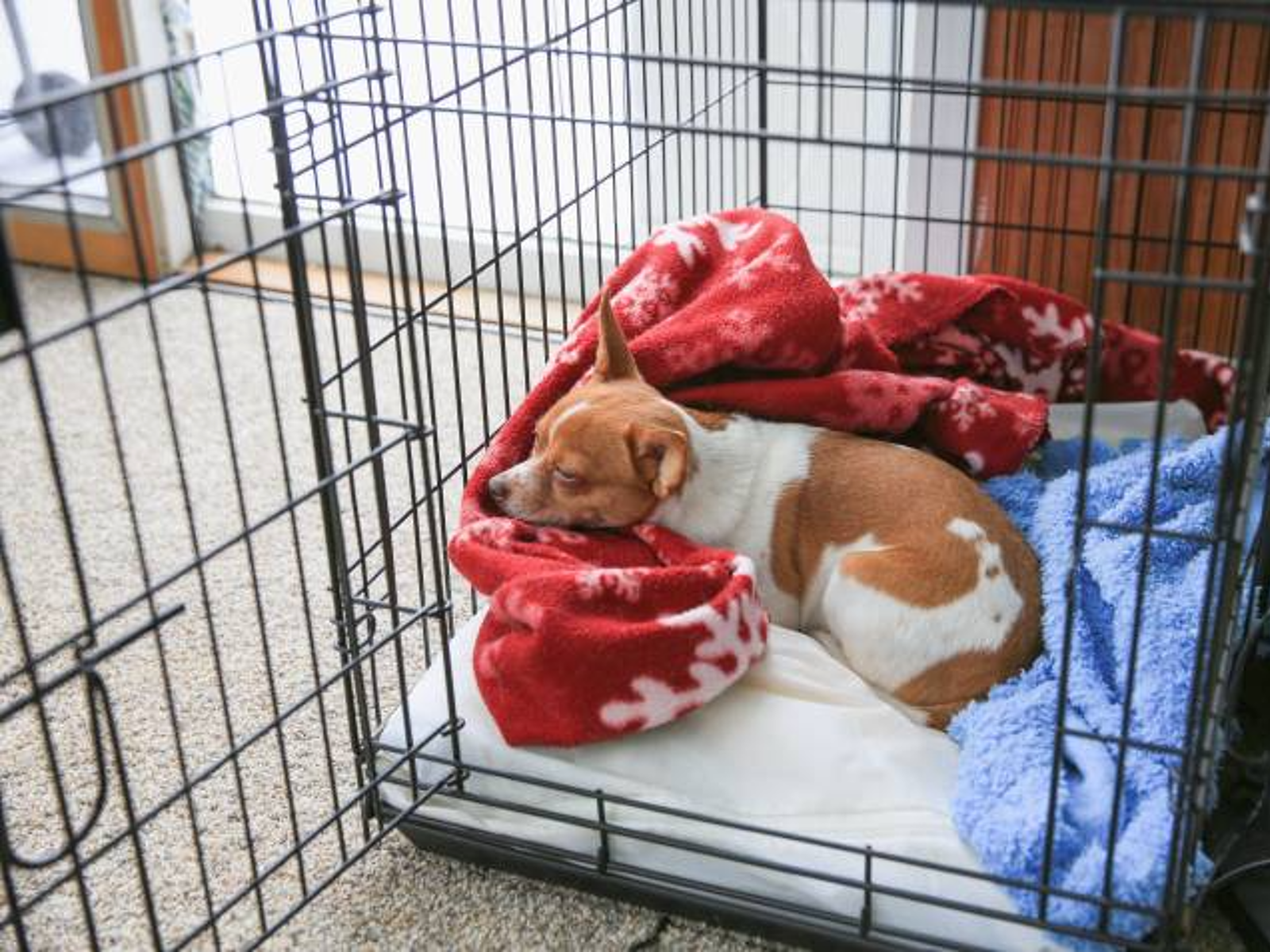
Blankets and towels provide a soft surface for dogs to rest on. They are easy to wash and replace. Choose thick, durable fabrics that can handle frequent cleaning. Layering blankets can add extra cushioning. Towels are also good for dogs that like to burrow or nest. These options work well for small to medium-sized crates.
Orthopedic Mats
Orthopedic mats give strong support for dogs with joint pain or arthritis. They are made from memory foam or other supportive materials. These mats reduce pressure on hips and elbows. Orthopedic options come in various sizes to fit crates perfectly. They are easy to clean with removable covers. Ideal for older or larger dogs needing extra comfort.
Diy Bedding Options
DIY bedding lets you customize comfort and style. Use old sweaters or fleece to sew soft pads. Fill pillowcases with foam or stuffing for a cushioned bed. Place non-slip mats under bedding to prevent sliding. DIY beds save money and recycle materials. They allow you to create a cozy, personal spot for your dog inside the crate.

Credit: www.aol.com
Credit: www.airtasker.com
Frequently Asked Questions
Should I Put A Bed Inside My Dog's Crate?
Yes, placing a bed inside a dog's crate adds comfort and encourages restful sleep. It also makes the crate more inviting and secure.
What Type Of Bed Is Best For A Dog Crate?
Choose a bed that fits snugly in the crate, is washable, and offers good support. Orthopedic beds suit older dogs, while soft beds suit puppies.
Can A Dog Bed In A Crate Cause Hygiene Issues?
If the bed is washable and cleaned regularly, hygiene issues are minimal. Regular cleaning prevents odors, pests, and keeps your dog's space healthy.
Does A Crate Bed Help With Dog Anxiety?
A comfortable bed can reduce anxiety by creating a safe and cozy space. It helps dogs feel secure and relaxed during crate time.
Conclusion
Deciding on a dog bed in a crate depends on your pet's needs. Consider comfort and safety. A bed can make the crate more inviting. Dogs often feel secure with a soft place to rest. Ensure the bed fits well in the crate.
Choose materials that are easy to clean. Not all dogs need a bed, though. Some prefer a cooler surface. Watch your dog's behavior. It will guide your choice. Finding the right balance keeps your pet happy. Always prioritize your dog's comfort and well-being.