

Is your male dog leaving unwanted puddles around the house? You’re not alone, and the good news is, you can fix this.
Imagine walking into your home without worrying about unexpected messes. You’ll discover simple, practical steps to stop your dog from peeing indoors. Whether it’s a new pup or an older dog, these tips will help you regain control and enjoy a cleaner, happier home.
Keep reading to learn how to make peeing outside the new normal for your furry friend.
Credit: greensafaris.com
Causes Of Indoor Urination
Indoor urination by male dogs can be frustrating. Knowing the causes helps solve the problem faster. Several factors can lead to this behavior. Understanding these reasons can guide proper training and care.
Marking Territory
Male dogs often urinate indoors to mark their space. This is common with unneutered dogs. The scent tells other dogs this area belongs to them. It is a natural, instinctive behavior. Marking can increase if new smells or animals are nearby.
Medical Issues
Health problems can cause indoor peeing. Urinary tract infections make it hard to control urination. Other issues include bladder stones or kidney problems. Older dogs may suffer from incontinence. Seeing a vet is important to rule out medical causes.
Anxiety And Stress
Stress can trigger indoor urination. Dogs feel anxious during loud noises or changes at home. Separation from owners also causes stress. Some dogs urinate to show submission or calm themselves. Reducing stress helps stop this behavior.
Lack Of Training
Puppies and untrained dogs may not know where to pee. Without clear rules, they choose spots indoors. Consistent house training teaches dogs to pee outside. Patience and rewards make training easier. Training prevents accidents and promotes good habits.
Behavioral Training Techniques
Behavioral training techniques help teach your male dog where to pee. These methods build good habits and reduce accidents inside. Training takes patience and regular effort but shows great results over time.
Consistent Potty Schedule
Set regular times for your dog to go outside. Take him out first thing in the morning, after meals, and before bedtime. A steady schedule helps your dog learn when to pee. This predictability reduces the chance of indoor accidents.
Positive Reinforcement
Use treats and praise when your dog pees outside. Rewarding good behavior encourages him to repeat it. Keep rewards immediate so your dog connects the action with the praise. Avoid punishment, which can cause fear and confusion.
Crate Training
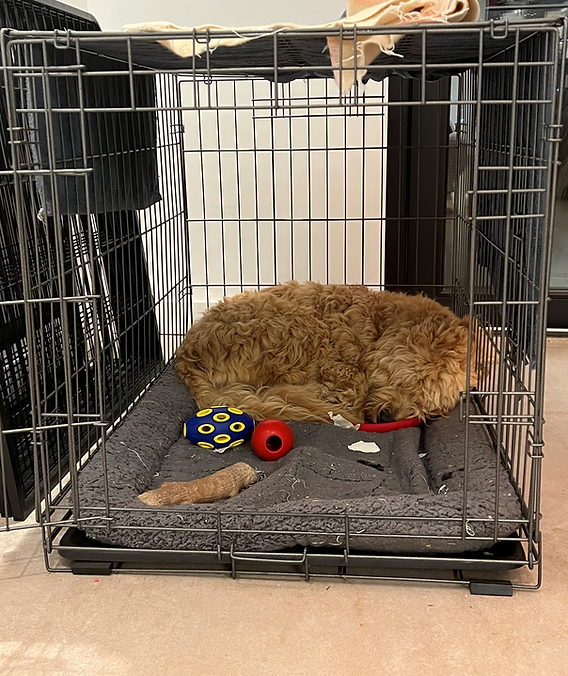
Use a crate to limit your dog’s space when unsupervised. Dogs avoid soiling their sleeping area. This natural habit helps control indoor peeing. Make the crate comfortable and never use it for punishment.
Supervision And Confinement
Watch your dog closely indoors. Catch signs like sniffing or circling that show he needs to pee. Guide him outside immediately. Use baby gates or playpens to restrict his area when you cannot supervise. This reduces accidents and teaches boundaries.
Environmental Adjustments
Adjusting your home environment plays a crucial role in stopping your male dog from peeing inside. Small changes can make a big difference by removing temptations and making your dog feel more comfortable and secure. Let’s look at practical ways to create an environment that supports good bathroom habits.
Limiting Access To Problem Areas
Have you noticed your dog repeatedly choosing the same spot to pee indoors? Closing doors or using baby gates can help block access to these areas. If that’s not possible, try rearranging furniture to make the spot less inviting.
Sometimes, simply limiting the dog’s roaming space encourages better control and helps you supervise more closely. Confine your dog to a specific room or use a crate during times when accidents are common. This containment can reduce stress and prevent unwanted marking.
Cleaning And Odor Removal
Dogs often return to pee where they can still smell their scent. Using regular household cleaners won’t always do the trick. Instead, opt for enzymatic cleaners designed to break down urine molecules completely.
Think about the last time you missed a spot while cleaning and your dog went back there. That’s a clear sign how crucial thorough odor removal is. You might need to clean the area multiple times to fully erase the smell.
Using Deterrent Sprays
Deterrent sprays can discourage your dog from peeing in certain areas. These sprays usually contain scents that dogs find unpleasant but are safe for your home and pet. Applying these sprays to problem spots can help your dog associate those areas with something negative.
Have you tried different scents to see what your dog reacts to best? Some dogs dislike citrus or vinegar-based sprays, while others respond to commercial products. Experiment carefully and observe your dog’s behavior to find the most effective option.

Credit: www.amazon.ca
Health And Vet Checks
When your male dog starts peeing in the house, it’s important to consider his health as a key factor. Sometimes, the issue is not just about behavior but could signal an underlying medical problem. Checking with your vet can uncover hidden issues that, once treated, might stop the unwanted indoor accidents.
Urinary Tract Infections
Urinary tract infections (UTIs) are a common cause of indoor urination. Dogs with UTIs often feel a constant urge to pee and may not make it outside in time. If your dog suddenly starts peeing inside, watch for signs like frequent licking of the genital area or discomfort when urinating.
Getting a quick vet check can confirm a UTI with a simple urine test. Antibiotics usually clear the infection fast, and your dog can return to normal bathroom habits.
Hormonal Imbalances
Hormonal imbalances can affect your dog’s bladder control. Conditions like diabetes or Cushing’s disease may cause increased thirst and urination, leading to accidents indoors. These health issues often come with other symptoms, such as weight changes or a dull coat.
A vet can run blood tests to identify hormonal problems. Treating these issues can improve your dog’s quality of life and reduce house peeing significantly.
Neutering Benefits
Neutering your male dog can influence his marking and peeing behavior. Intact males tend to mark territory more often, which can result in indoor accidents. Neutering lowers testosterone levels, often reducing this urge.
Besides behavior, neutering has health benefits like lowering the risk of prostate problems. If your dog isn’t neutered yet, talk to your vet about whether it’s a good option to help manage unwanted peeing.
Managing Anxiety And Stress
Managing anxiety and stress is a key part of stopping your male dog from peeing in the house. Stress can cause unexpected behaviors, including indoor urination. Understanding and addressing the root causes of your dog's anxiety can make a big difference in their behavior and your home’s cleanliness.
Exercise And Mental Stimulation
Regular exercise helps your dog burn off excess energy that might otherwise turn into anxiety or stress. A tired dog is less likely to mark indoors.
Try adding short play sessions throughout the day or take your dog for longer walks. Puzzle toys and training exercises also keep their mind busy and reduce stress.
Have you noticed your dog’s behavior improve after a good run or a training session? That’s a clear sign mental and physical activity works wonders.
Calming Products
There are several calming products designed to reduce anxiety in dogs, such as pheromone diffusers, calming collars, and supplements.
These can help your dog feel more relaxed and less likely to pee inside due to stress. Always check with your vet before starting any new calming supplements.
Some owners report success with natural remedies like chamomile or CBD oil, but results vary. What calming product might work best for your dog’s personality and needs?
Professional Help
If anxiety and stress continue to cause indoor peeing, consider consulting a professional dog trainer or behaviorist.
They can identify specific triggers and create a customized plan to help your dog feel secure and confident. Sometimes, medical causes can mimic anxiety, so a vet check is also important.
Getting expert advice might feel like a big step, but it can save you frustration and strengthen the bond with your dog.

Credit: luxeweavers.com
Frequently Asked Questions
How Can I Train My Male Dog To Stop Peeing Indoors?
Start with consistent potty breaks and positive reinforcement. Use commands like "go outside" and reward outdoor peeing. Clean accidents thoroughly to remove odors. Crate training helps control indoor accidents by limiting unsupervised access.
Why Does My Male Dog Pee Inside The House?
Indoor peeing can result from marking, anxiety, or medical issues. Unneutered males often mark territory. Stress or changes in routine can trigger accidents. Always rule out health problems with a vet before behavior training.
Can Neutering Reduce My Dog's Indoor Peeing?
Yes, neutering often decreases territorial marking in males. It reduces hormone-driven behaviors like urine marking. However, neutering alone may not solve all indoor peeing issues. Combine it with training for best results.
How Do I Clean Dog Urine To Prevent Repeat Accidents?
Use enzymatic cleaners designed for pet urine. They break down odor-causing compounds effectively. Avoid ammonia-based cleaners, as they mimic urine scent. Thorough cleaning discourages your dog from peeing in the same spot again.
Conclusion
Stopping your male dog from peeing indoors takes patience. Consistency is key. Ensure regular bathroom breaks. Reward good behavior. Clean accidents thoroughly to remove scent. Consider consulting a vet if issues persist. Sometimes health problems cause indoor peeing. Training and understanding your dog's needs help greatly.
Establish a routine. Use positive reinforcement to encourage progress. Stay patient and persistent. Remember, change doesn't happen overnight. Keep working at it. You and your dog will succeed together. Happy training!