Have you ever caught a whiff of something unpleasant on your favorite couch? Dog pee on furniture can be frustrating and tricky to clean.
If you don’t act fast, the stain and smell can stick around longer than you want. But don’t worry—you’re not alone, and there are simple steps you can take to fix this. You’ll discover easy, effective ways to get dog pee out of your furniture and keep your home fresh.
Keep reading to learn how to save your furniture and say goodbye to that stubborn odor for good.
Identify The Stain
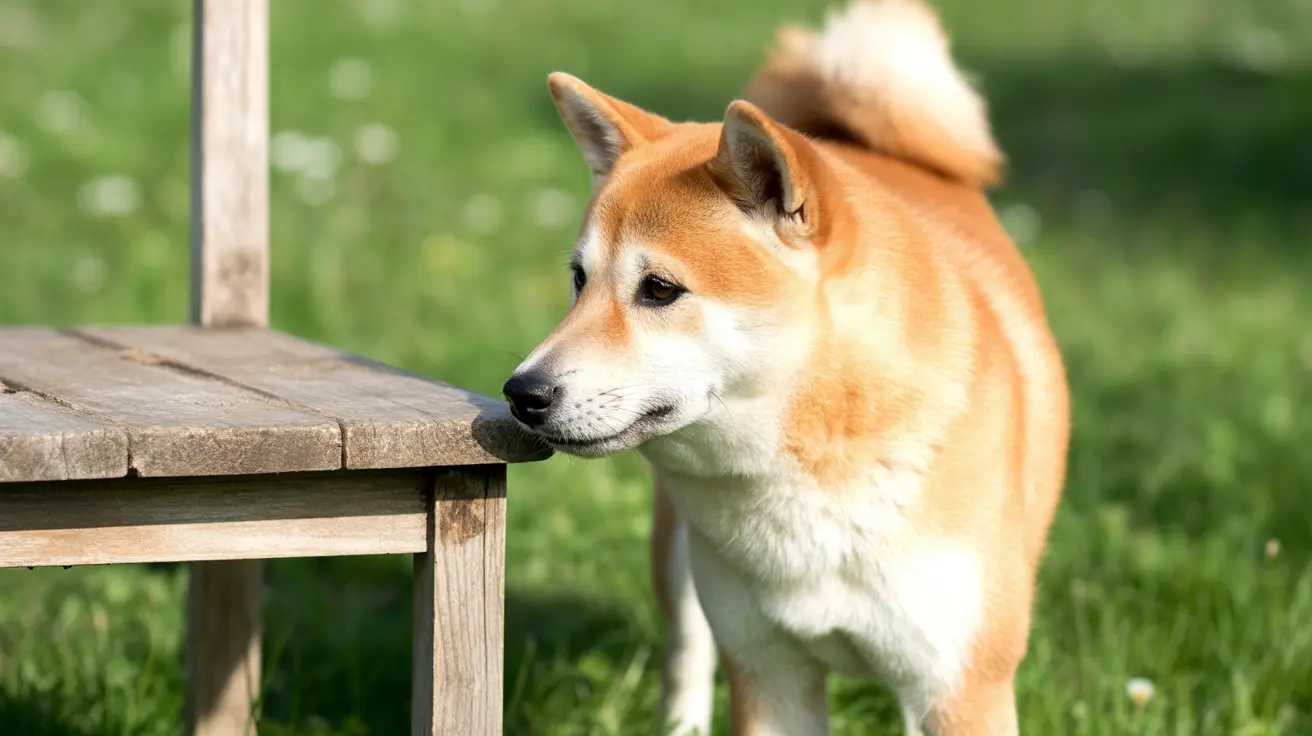
Identifying the stain on your furniture is the crucial first step in tackling dog pee effectively. If you don’t know exactly where the stain is or how bad it is, your cleaning efforts might miss the mark. Taking the time to find and understand the stain will save you frustration and help restore your furniture faster.
Locate The Affected Area
Start by closely inspecting your furniture for visible signs of discoloration or dampness. Sometimes the stain isn’t obvious, especially on patterned or dark fabrics. Use a flashlight at an angle to spot any wet patches or color changes you might miss in normal lighting.
If the smell is your main clue, try smelling different areas carefully to narrow down the exact spot. Don’t forget to check under cushions, seams, and folds where urine might have soaked in but isn’t immediately visible.
Assess The Damage
Once you find the stain, evaluate how deep and widespread it is. Is the urine only on the surface, or has it soaked through to the padding or frame? This will influence the cleaning method you choose.
Consider the type of fabric or material too. Leather, microfiber, and cotton all react differently to cleaning products. If your dog’s accident has caused a strong odor or discoloration, you may need a stronger or specialized cleaner.
Have you noticed any sticky residue or hardened spots? These details tell you how long the urine has been there and how stubborn the stain might be. The longer you wait, the harder it can be to remove, so catching it early is best.
Credit: www.petscare.com
Act Quickly
Dealing with dog pee on your furniture can feel overwhelming, but how fast you act makes all the difference. The longer urine sits, the deeper it seeps into the fabric or cushions, making stains and odors harder to remove. Your prompt response can save your favorite chair or sofa from lasting damage and keep your home smelling fresh.
Blot The Urine
Grab a clean, absorbent cloth or paper towels as soon as you notice the accident. Gently press down on the wet spot to soak up as much urine as possible.
Think of it like this: pressing absorbs, but wiping spreads the mess. So, don’t move the cloth around—just hold it firmly in place and replace it with a dry one as needed.
Avoid Rubbing
It’s tempting to scrub the stain away, but rubbing pushes urine deeper into the fabric fibers. This makes cleaning tougher and can damage the material.
Instead, focus on blotting and letting your cleaning solution do the work. Have you ever noticed how stubborn stains become after aggressive scrubbing? Avoid that by treating the spot gently from the start.
Choose The Right Cleaner
Choosing the right cleaner is crucial for removing dog pee from your furniture effectively. Not all cleaners work the same, and some can even make the stain or odor worse. Picking a cleaner that targets both the stain and the smell will save you time and frustration.
Enzyme-based Cleaners
Enzyme-based cleaners are a top choice for tackling pet urine. They contain natural enzymes that break down the proteins and bacteria in the urine, which eliminates odors and prevents your dog from returning to the same spot.
These cleaners work deeper than regular soap or detergent. I once used a common household cleaner on my couch, but the smell lingered for days. Switching to an enzyme-based product finally got rid of the odor completely.
Look for products labeled as “pet urine remover” or “enzymatic cleaner.” Always test on a small, hidden area first to avoid damage.
Homemade Solutions
If you prefer something more natural or don’t have a specialized cleaner on hand, homemade solutions can do the trick. A mix of white vinegar and water is a simple but powerful option that neutralizes odors and helps lift stains.
Combine one part white vinegar with one part water, then blot the stain gently. Follow by sprinkling baking soda on the area to absorb moisture and odors, then vacuum after it dries.
Keep in mind, homemade solutions work best on fresh stains. If the pee has soaked in deeply, enzyme cleaners might be more effective for thorough removal.
Cleaning Techniques
Cleaning dog pee from furniture requires careful techniques to avoid stains and odors. Using the right steps helps remove the mess fully. These cleaning methods work well on most furniture fabrics and surfaces.
Apply Cleaner Properly
Choose an enzyme-based cleaner made for pet stains. Spray the cleaner directly on the pee spot. Let it sit for 5 to 10 minutes. This helps break down urine proteins and stops smells. Avoid scrubbing hard to protect fabric fibers. Gently blot the area with a clean cloth to lift the cleaner and urine out.
Use Of Baking Soda
Sprinkle baking soda over the damp area after applying cleaner. Baking soda absorbs moisture and neutralizes odors. Leave it on for several hours or overnight. It also helps remove any leftover smell. Vacuum the baking soda completely once dry. This step refreshes the furniture and keeps it smelling clean.
Rinse And Dry
After cleaning, rinse the spot with a small amount of water. Use a clean cloth to blot out excess moisture. Avoid soaking the furniture to prevent damage. Allow the area to air dry fully. Use fans or open windows to speed drying. Quick drying stops mold and mildew growth.
Prevent Odors
Preventing odors after your dog has had an accident on furniture is key to keeping your home fresh and comfortable. Odors can linger long after the stain is gone, making your space unpleasant. Tackling these smells quickly and effectively helps maintain a welcoming environment for you and your guests.
Use Odor Neutralizers
Odor neutralizers work differently than just masking the smell; they break down the molecules causing the odor. Products containing enzymes are especially effective because they target the proteins in dog urine that cause strong smells.
You can find enzyme-based sprays at pet stores or online. Spray the affected area generously and let it sit for at least 10-15 minutes. Avoid using harsh cleaners like bleach, which can make odors worse or damage fabric.
Have you tried homemade solutions? A mix of white vinegar and water can also neutralize odors naturally. Simply spray it on, let it dry, and repeat if necessary.
Ventilate The Area
Fresh air plays a huge role in removing stubborn odors from furniture. Open windows and doors to create a cross breeze that helps carry away unpleasant smells.
Using fans can speed up this process by circulating air more effectively. Point a fan directly at the affected area and let it run for a few hours.
Don't forget about humidity. High moisture levels can make odors worse by encouraging mold growth. A dehumidifier can keep the air dry and fresh, especially in damp rooms.

Credit: the-rugs.com
Protect Furniture
Protecting your furniture from dog pee is essential to keep your home fresh and your belongings intact. Once an accident happens, the damage can be both physical and smelly. Taking proactive steps helps you save time, money, and frustration in the long run.
Use Covers And Throws
Covering your furniture with washable throws or slipcovers creates a strong barrier between your dog and your upholstery. Choose materials that are water-resistant or easy to clean, such as microfiber or vinyl. This way, any accidents stay on the cover, making cleanup simple and quick.
Think about using pet-specific furniture protectors—they often have features that repel liquids and odors. You can keep a stash of covers in different rooms to swap out when needed. Does your dog prefer certain spots? Focus your efforts there to prevent recurring issues.
Train Your Dog
Training your dog to avoid furniture is one of the most effective ways to protect your belongings. Consistent and positive reinforcement helps your dog understand where it’s okay to go and where it isn’t. Use treats and praise when they use their designated potty area or stay off the couch.
Consider setting up clear boundaries with baby gates or pet pens, especially during housebreaking or if your dog is older and less reliable. Ask yourself: have you noticed specific triggers or times when your dog tends to have accidents? Addressing those moments can reduce incidents dramatically.
When To Seek Professional Help
Knowing when to call a professional can save your furniture from permanent damage. Some stains and odors resist home cleaning efforts. Professionals have tools and products that work better on tough cases. Acting too late may make the problem worse. Watch for signs that show it’s time to get expert help. Protect your furniture and keep your home fresh with the right approach.
Persistent Stains
Stains that stay after several cleaning attempts need expert care. Professionals use special cleaners that remove deep-set urine marks. They can treat delicate fabrics without ruining them. Persistent stains often mean the urine soaked into the padding or frame. Home cleaners cannot reach these hidden areas well. Experts can access and clean parts you cannot see or reach. This stops stains from becoming permanent and spreading.
Deep Odor Removal
Lingering smells suggest urine has penetrated deeply into the furniture. Ordinary cleaning products may only mask the odor temporarily. Professionals use enzymes and treatments to break down urine molecules fully. They have machines that extract odors from cushions and fabric layers. Removing deep odors improves your home’s air quality. It also prevents your dog from marking the same spot again. Trusting experts ensures a thorough and lasting odor removal.

Credit: the-rugs.com
Frequently Asked Questions
How Do I Remove Dog Pee Smell From Furniture?
Use an enzymatic cleaner to break down urine proteins. Blot the area first, then apply the cleaner. Let it sit to neutralize odors. Avoid harsh chemicals that can damage fabric or worsen the smell.
What Is The Best Cleaning Solution For Dog Urine?
Enzymatic cleaners are the best for dog urine. They break down urine molecules and remove stains and odors effectively. Avoid bleach or ammonia-based cleaners, as they can set the stain and harm furniture.
How Quickly Should I Clean Dog Pee From Furniture?
Clean dog pee immediately for best results. The longer urine sits, the harder it is to remove. Prompt cleaning prevents stains and odors from setting into the fabric or wood.
Can Baking Soda Help Remove Dog Urine Smell?
Yes, baking soda absorbs moisture and neutralizes odors. After cleaning the urine, sprinkle baking soda on the area. Let it sit overnight, then vacuum thoroughly for fresh-smelling furniture.
Conclusion
Getting dog pee out of furniture can be simple. Act quickly to prevent stains. Blot the area with paper towels. Use a mixture of vinegar and water. This helps neutralize odors. Baking soda also works well. Sprinkle it over the area and vacuum after it dries.
Consider enzyme cleaners for stubborn spots. These break down the pee effectively. Remember, prompt action ensures better results. Keep your furniture fresh and clean. Your furry friend will thank you too!