Are you wondering how often you should feed your dog? Deciding whether to feed your furry friend once or twice a day might seem simple, but it can actually make a big difference in their health and happiness.
You want to give your dog the best care possible, and that starts with the right feeding routine. You’ll discover the pros and cons of each option and learn how to choose what’s best for your dog’s unique needs. Keep reading to find out how a small change in feeding habits could improve your dog’s energy, digestion, and overall well-being.
Feeding Frequency Options
Choosing how often to feed your dog affects their health and daily routine. Dogs can eat once or twice a day depending on their age, size, and energy level. Each feeding frequency has pros and cons. Understanding both helps make the best choice for your pet’s well-being.
Once A Day Feeding
Feeding your dog once a day means giving one full meal daily. This method is simple and fits busy schedules. It can work well for adult dogs with low energy needs. Some dogs prefer this routine and show good digestion.
- Easy to manage and saves time
- May help with weight control in some dogs
- Less frequent meals can reduce mess and cleanup
On the downside, once a day feeding can cause hunger between meals. Some dogs may feel low energy or become more eager for food. It might not be ideal for puppies or very active dogs who need more nutrition throughout the day.
Twice A Day Feeding
Feeding your dog twice a day splits their food into two smaller meals. This option suits most adult dogs and many puppies. It helps maintain steady energy and digestion. The routine also creates a predictable schedule for your pet.
- Supports better digestion and nutrient absorption
- Prevents hunger and reduces begging behavior
- Works well for dogs with health conditions or high energy
This feeding frequency requires more time and planning. It may not fit every owner’s lifestyle. Dogs that eat twice daily often have fewer stomach issues and more balanced energy during the day.
Benefits Of Once Daily Feeding
Feeding your dog once a day has clear benefits. It simplifies your daily routine and can suit many dogs well. This approach helps keep your dog's digestion steady and their energy balanced. Many pet owners find once daily feeding easy to manage and effective for their dog’s health.
Improved Digestion And Gut Health
Feeding once a day gives the dog’s digestive system time to rest. This can reduce digestive upset and bloating. A single meal allows the stomach to empty fully before the next feeding. It helps keep the gut environment stable and healthy.
Better Weight Management
Once daily feeding helps control calorie intake. It reduces the chance of overeating or snacking between meals. This feeding style supports maintaining a healthy weight. Less frequent meals can prevent weight gain in less active dogs.
Convenience For Pet Owners
Feeding once a day saves time and effort. It fits well with busy schedules and travel plans. Preparing one meal is easier and less stressful. This simplicity encourages consistency in feeding times.
Supports Natural Eating Patterns
Wild dogs often eat one large meal after a hunt. Once daily feeding mimics this natural pattern. It allows dogs to eat larger portions at one time. This can satisfy hunger better than multiple small meals.
Advantages Of Twice Daily Feeding
Feeding your dog twice a day offers many benefits for their health and happiness. This routine matches their natural eating habits better than one large meal. Small, regular meals help keep their energy steady throughout the day. Dogs feel more satisfied and less hungry. Twice daily feeding also supports better digestion and weight control.
Improved Digestion And Nutrient Absorption
Smaller meals twice a day put less stress on your dog’s stomach. Food moves through their digestive system more smoothly. This helps them absorb nutrients better. It also lowers the risk of stomach upset or bloating. Your dog stays comfortable and healthy.
Stable Energy Levels Throughout The Day
Two meals provide a steady supply of energy. Your dog avoids the highs and lows caused by one big meal. This can reduce hyperactivity or sluggishness. It helps maintain a balanced mood and activity level.
Better Weight Management
Feeding twice helps control calorie intake. You can measure portions more easily. This prevents overeating and weight gain. A healthy weight reduces the risk of many diseases. Your dog stays fit and active for longer.
Stronger Bonding And Routine
Regular feeding times create a daily routine. Dogs enjoy the predictability and feel secure. Mealtime becomes a special moment to bond. It strengthens your relationship and trust.
Reduced Risk Of Bloat In Large Breeds
Large dogs benefit from two smaller meals. It lowers the chance of dangerous stomach bloat. This condition can be life-threatening. Feeding twice makes it easier to monitor their eating pace.

Credit: pupford.com
Factors Influencing Feeding Schedule
Choosing the right feeding schedule for your dog depends on many factors. Each dog has unique needs that affect how often they should eat. Considering these factors helps keep your dog healthy and happy. Understanding your dog's specific situation is key to finding the best feeding routine.
Age And Breed
Puppies need more frequent meals because they grow fast. They often require three to four small meals daily. Adult dogs usually do well with one or two meals a day. Large breeds may need fewer meals but larger portions. Small breeds often digest food quickly and may benefit from more frequent feeding.
Health Conditions
Some health problems affect how often a dog should eat. Dogs with diabetes may need consistent meal times to manage blood sugar. Dogs with digestive issues often do better with smaller, more frequent meals. Always follow your vet's advice if your dog has a health condition.
Activity Level
Active dogs burn more energy and may need more food or extra meals. Working dogs or those that exercise a lot often benefit from two meals daily. Less active dogs usually do fine with one meal. Adjust feeding based on your dog's daily activity and energy needs.
Common Feeding Mistakes To Avoid
Feeding your dog might seem straightforward, but many dog owners unknowingly make mistakes that can affect their pet’s health and happiness. These common feeding errors often lead to issues like weight gain, digestive problems, or behavioral challenges. Avoiding them can help you provide the best care and ensure your dog thrives.
Feeding Too Much Or Too Little
One of the biggest mistakes is not matching the food amount to your dog’s size, age, and activity level. Overfeeding can cause obesity, while underfeeding leaves your dog hungry and undernourished. Have you checked your dog’s ideal daily calorie needs recently?
Ignoring Consistent Feeding Times
Dogs benefit from a regular feeding schedule. Skipping or varying feeding times can upset their digestion and lead to begging or anxiety. Try to feed your dog at the same times every day to create a predictable routine.
Giving Too Many Treats
Treats are great for training and bonding, but they shouldn’t replace balanced meals. It’s easy to forget how many calories treats add up to, which can disrupt your dog’s diet. Are you counting treats as part of your dog’s daily intake?
Feeding Human Food Without Caution
Sharing your food might seem kind, but many human foods are harmful to dogs. Foods like chocolate, grapes, and onions can cause serious health problems. Always check if a food is safe before offering it to your dog.
Not Adjusting Food Based On Life Changes
Your dog’s feeding needs change with age, health, and activity level. Continuing the same diet without adjustments can lead to health issues. Have you re-evaluated your dog’s diet after recent changes in their lifestyle?
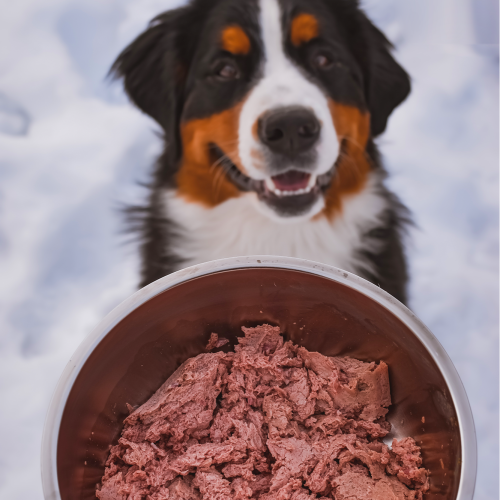
Credit: wefeedraw.com
Adjusting Feeding As Your Dog Ages
Adjusting your dog's feeding routine as they age is key to keeping them healthy and happy. Dogs' nutritional needs change over time, and so should their meal schedules. Paying attention to these shifts can make a big difference in their energy levels and overall well-being.
Feeding Puppies Vs. Adult Dogs
Puppies need more frequent meals because they burn energy quickly and grow fast. Feeding them three to four times a day helps maintain steady energy and supports development.
As your dog grows into adulthood, twice-a-day feeding usually works well. It keeps their metabolism steady without overeating. Have you noticed your adult dog’s energy change with feeding times?
Adjusting Meals For Senior Dogs
Older dogs often have slower metabolisms and may not need as many calories. You might need to reduce portion sizes or switch to senior-specific food that supports joint health and digestion.
Some senior dogs benefit from smaller, more frequent meals to avoid digestive issues. Watch how your dog reacts: are they finishing their meals or leaving food behind? This can guide your feeding schedule.
Signs Your Dog’s Feeding Routine Needs Change
- Sudden weight gain or loss
- Changes in energy or activity levels
- Digestive problems like vomiting or diarrhea
- Changes in appetite or eating habits
Noticing these signs early helps you adjust feeding before problems arise. Have you tracked your dog’s weight or appetite over the years?
Tips For Gradual Feeding Adjustments
- Introduce new feeding times slowly over a week
- Adjust portion sizes based on activity and weight
- Consult your vet before making major changes
- Keep water available at all times
Changing your dog’s feeding routine doesn’t have to be stressful. A little patience and observation will help you find what works best as your dog ages.
Expert Tips For Mealtime Success
Getting mealtime right can make a huge difference in your dog's health and happiness. Small adjustments in how and when you feed your dog can improve digestion, energy levels, and even behavior. Let’s dive into some expert tips that help you create a feeding routine that truly works for your furry friend.
Portion Control
Understanding the right portion size is crucial. Too much food can lead to obesity, while too little leaves your dog hungry and low on energy.
Check your dog’s weight and activity level before deciding how much to feed. Many pet food packages offer guidelines, but you know your dog best—adjust portions based on their body condition.
Think about your own experience: have you ever felt sluggish after overeating? Dogs feel the same. Keeping portions balanced helps maintain a healthy weight and steady energy.
Consistent Feeding Times
Dogs thrive on routine, and feeding at the same time every day helps regulate their digestion and behavior.
Try to pick two set times if feeding twice daily, or one if you choose once a day. Consistency reduces anxiety and helps your dog anticipate mealtime.
Ask yourself: does your dog seem restless or impatient before meals? Regular timing can calm those nerves and improve their overall mood.
Monitoring Weight And Health
Regularly check your dog’s weight and body condition to catch any changes early. Sudden weight gain or loss is a signal to revisit your feeding plan.
Keep an eye on signs like lethargy, excessive hunger, or digestive issues—they often point to nutrition problems. Consult your vet if you notice anything unusual.
Remember, feeding isn’t just about filling a bowl; it’s about supporting your dog’s long-term health and happiness. Are you ready to adjust your routine based on what your dog really needs?
Credit: www.purina.com
Frequently Asked Questions
How Often Should I Feed My Adult Dog Daily?
Most adult dogs thrive on two meals per day. Feeding twice keeps energy steady and supports digestion. One meal may cause hunger or overeating. Consult your vet for specific needs based on breed, age, and health. Consistency in meal times also benefits your dog.
Is Feeding Once A Day Healthy For Dogs?
Feeding once daily can work for some dogs but is less ideal. It may cause hunger, low energy, or digestive issues. Puppies and active dogs especially need more frequent meals. Always monitor your dog's behavior and health if choosing once-a-day feeding.
What Are Benefits Of Feeding Dogs Twice Daily?
Feeding twice daily helps maintain steady energy and metabolism. It reduces hunger and prevents overeating or bloating. This schedule improves digestion and nutrient absorption. Dogs also enjoy routine, which feeding twice supports. Overall, it promotes better health and behavior.
Can Feeding Frequency Affect My Dog’s Weight?
Yes, feeding frequency impacts weight management. Twice daily meals help control portions and reduce begging. Feeding once may lead to overeating or weight gain. Balanced meals and consistent schedules prevent obesity. Always adjust feeding amounts based on activity and vet advice.
Conclusion
Deciding how often to feed your dog requires careful thought. Consider your dog's age, health, and energy level. Some dogs thrive on one meal. Others need two smaller meals. Always observe your dog's behavior and appetite. Adjust feeding times as needed.
Consult your vet for tailored advice. A balanced diet ensures your dog's well-being. Regular feeding routines promote healthy digestion. Keep your furry friend happy and active. Every dog is unique. Find the best routine for your pet. Your dog's health and happiness depend on it.
Happy feeding!