If your older dog feels stressed or anxious when left alone, crate training could be the key to giving both of you peace of mind. You might think crate training only works for puppies, but with the right approach, it can help calm your dog’s separation anxiety at any age.
Imagine your furry friend feeling safe and comfortable in their own space, even when you’re not around. You’ll discover simple, effective steps to crate train your older dog and ease their worries. Keep reading—you’re about to make life easier for both you and your loyal companion.
Benefits Of Crate Training For Older Dogs
Crate training offers many benefits for older dogs, especially those with separation anxiety. It creates a safe space that helps calm nerves and reduce stress. The crate becomes a cozy spot where your dog feels secure and protected. This helps improve their overall well-being and behavior.
Older dogs often struggle with change. Crate training helps build a routine that brings stability and comfort. It supports a peaceful environment, making time apart less stressful for both you and your dog.
Safety And Comfort
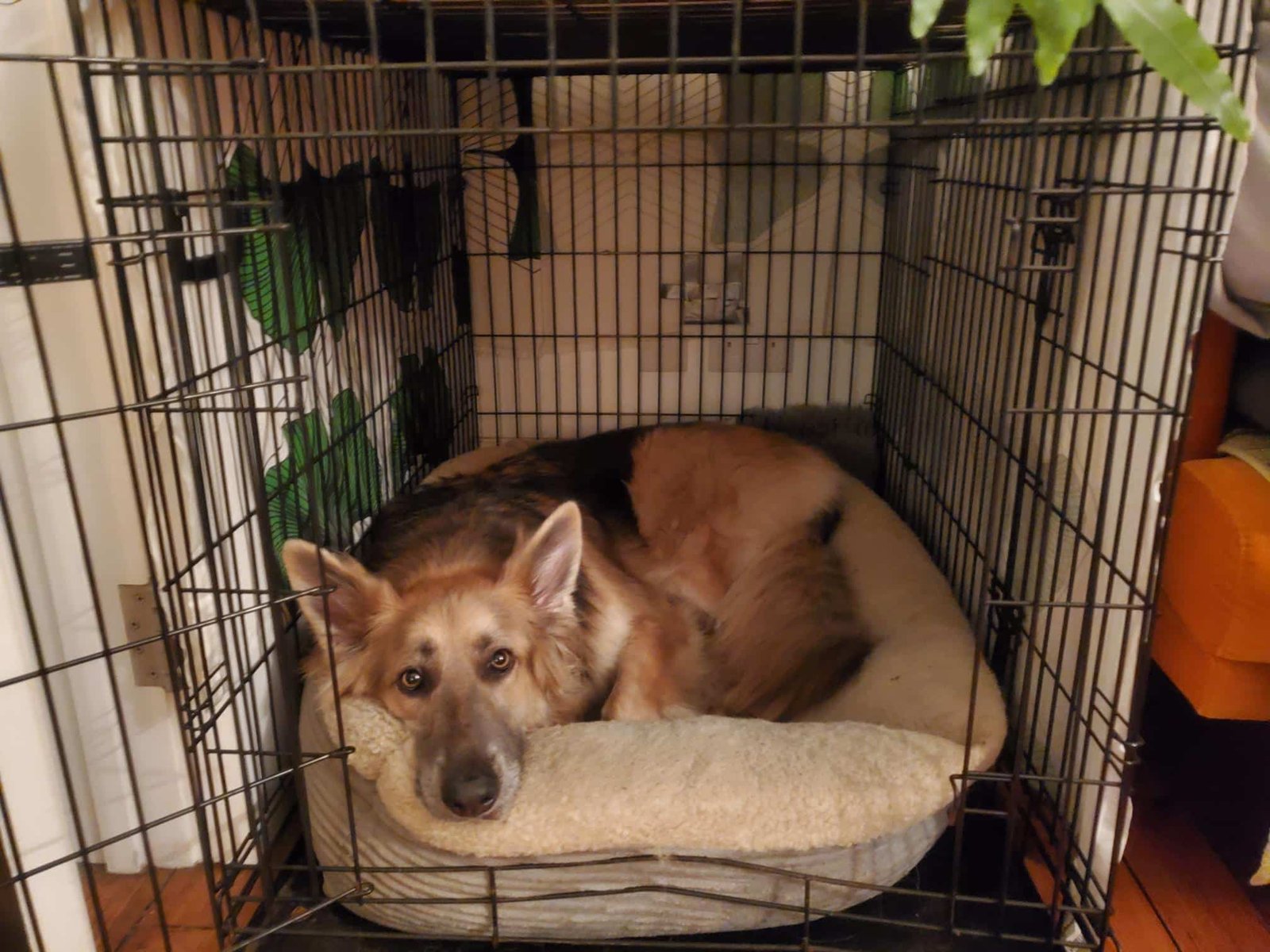
The crate acts as a personal den for your dog. It keeps them safe from household dangers when you are not around. The enclosed space feels like a shelter, reducing feelings of vulnerability. Soft bedding inside adds warmth and comfort. This makes the crate a welcoming retreat your dog will want to use.
Reducing Anxiety
Many older dogs suffer from separation anxiety. Crate training helps ease this by offering a familiar, calming space. The crate limits access to triggers that cause stress. Your dog learns to relax inside, associating the crate with safety. This lowers nervous behaviors like barking or chewing.
Establishing Routine
Dogs thrive on routine, especially older ones. Crate training helps set clear times for rest, play, and alone time. This predictability reduces confusion and nervousness. Consistent crate use signals your dog when it’s safe to settle down. A steady routine supports better sleep and less anxiety overall.
Signs Of Separation Anxiety In Older Dogs
Separation anxiety can affect dogs of any age, including older dogs. Recognizing the signs early helps in managing the condition effectively. Older dogs may show different symptoms than younger ones. Understanding these signs is the first step to helping your dog feel safe and calm.
Behavioral Symptoms
- Excessive barking or howling when alone
- Destructive chewing or scratching at doors and windows
- Attempting to escape confined areas
- Following you closely before you leave
- Pacing or restlessness
- Showing signs of distress such as whining or drooling
- Refusing to eat or drink when alone
Physical Indicators
- Shaking or trembling without any obvious cause
- Excessive salivation
- Increased heart rate or rapid breathing
- Loss of bladder or bowel control
- Fatigue from constant stress
- Changes in sleep patterns
Triggers And Patterns
- Signs appear mainly when the dog is left alone
- Symptoms worsen with longer absences
- Stress before you leave, such as hiding or clinging
- Calm behavior returns when you come back
- Triggers may include specific sounds or times of day
- Patterns can develop over weeks or months
Choosing The Right Crate
Choosing the right crate is a critical step when crate training an older dog with separation anxiety. The crate should feel like a safe space, not a punishment. The right choice can make a huge difference in how comfortable and secure your dog feels during alone time.
Size And Type
The crate should be just big enough for your dog to stand, turn around, and lie down comfortably. Too large a crate can feel less secure, and too small can cause discomfort. Consider your dog’s size and breed carefully to find the perfect fit.
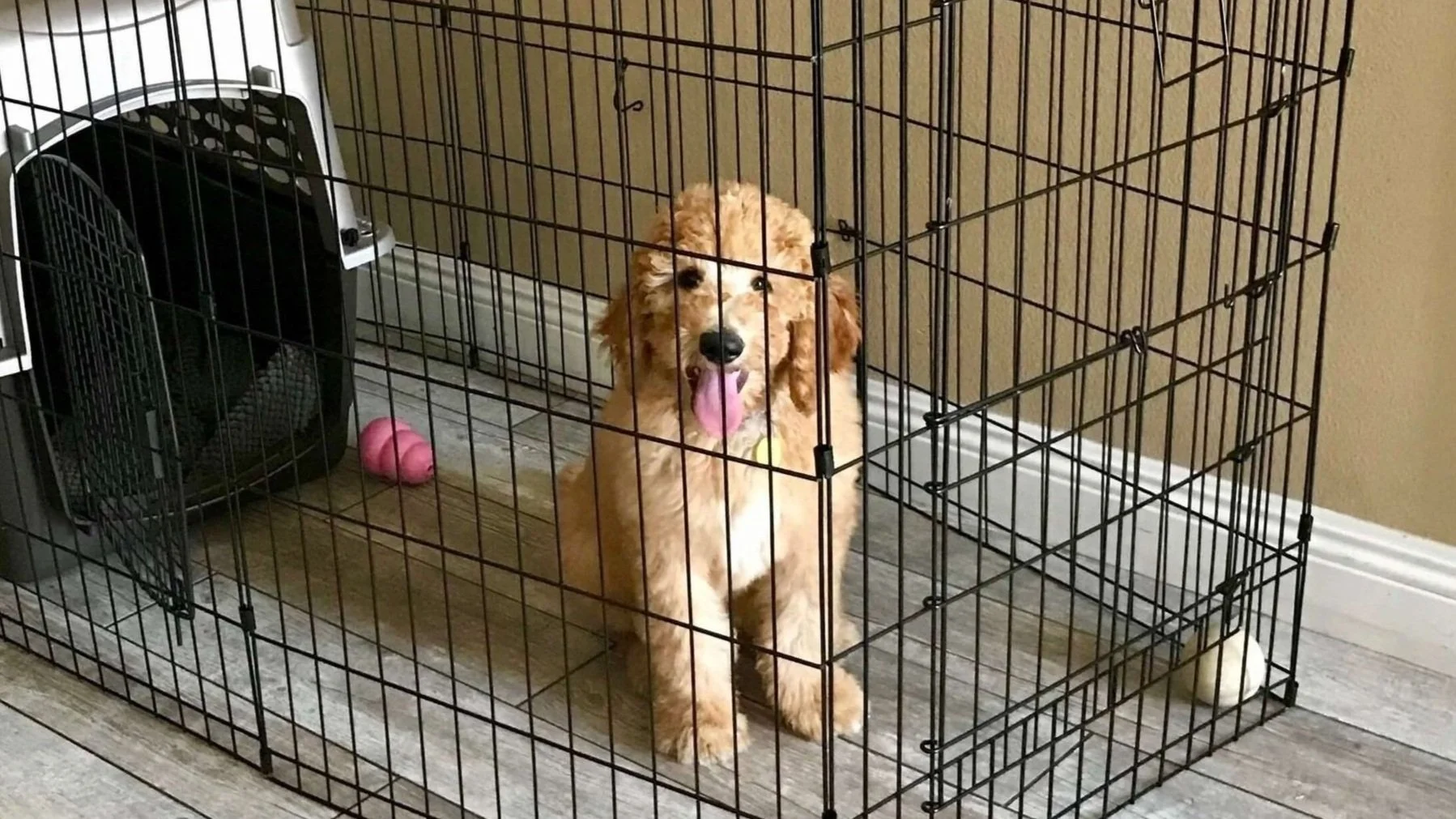
Different crate types suit different needs. Wire crates offer good ventilation and visibility, while plastic crates provide a cozier, den-like atmosphere. If your dog gets anxious from seeing everything around, a covered crate might help reduce stress.
Location Matters
Where you place the crate affects your dog’s comfort and anxiety levels. Avoid noisy or high-traffic areas that might increase stress. Instead, choose a quiet corner where your dog can still see or hear you sometimes.
Think about your dog’s natural habits. Does your dog like being near the family or prefers a quiet spot? Placing the crate accordingly can make your dog feel more secure and less isolated.
Comfort Enhancements
Adding soft bedding and familiar toys can transform the crate into a welcoming retreat. Use blankets or cushions that carry your dog’s scent to provide reassurance. Avoid making the space too cluttered; keep it simple and cozy.
Some dogs find a piece of your clothing comforting. Have you tried adding a worn t-shirt or scarf inside the crate? It might ease your dog’s anxiety by reminding them of your presence.
Credit: www.dogsavvylosangeles.com
Preparing Your Dog For Crate Training
Preparing your dog for crate training, especially when dealing with separation anxiety, sets the foundation for success. This phase is about building trust and making the crate a place your dog wants to be. Patience and consistency play a huge role here, as older dogs may take longer to adjust.
Introducing The Crate Gradually
Start by placing the crate in a common area where your dog spends time. Leave the door open and allow your dog to explore it at their own pace. You might notice your dog hesitating—don’t rush them. Sometimes, I placed treats just inside the crate to encourage curiosity without pressure.
Try feeding your dog near the crate first, then slowly move the food bowl inside over several days. This gentle introduction helps your dog associate the crate with positive experiences. How can you tell if your dog feels safe? Look for relaxed body language and willingness to enter on their own.
Using Positive Reinforcement
Positive reinforcement is key to changing your dog’s feelings about the crate. Reward your dog with treats, praise, or a favorite toy whenever they go near or enter the crate. Keep the tone upbeat and encouraging.
If your dog resists, try shorter sessions and celebrate small wins. I found that talking softly to my dog while they were in the crate helped ease their anxiety. You want your dog to connect the crate with something good—not punishment or isolation.
Creating A Safe Space
Make the crate comfortable and inviting. Add soft bedding, a chew toy, or a blanket with your scent. This helps your dog feel secure and calm inside the crate.
Think about your dog’s preferences—do they like a quiet corner or a spot with natural light? Adjust the crate’s location accordingly. Your goal is to make the crate a refuge, not a place of stress.
Step-by-step Crate Training Process
Crate training an older dog with separation anxiety requires patience and a careful approach. The process is gradual and focuses on making the crate a safe, comfortable space rather than a punishment. Let’s break down the crate training process into manageable steps that build your dog’s confidence and ease their anxiety.
Short Sessions
Start by introducing your dog to the crate for just a few minutes at a time. Keep these initial sessions positive and stress-free. Allow your dog to enter the crate on their own, and avoid forcing them inside.
Offer praise and gentle encouragement while they explore. After a few minutes, open the door and let them out before they get anxious. You want your dog to associate the crate with calm and safety, not confinement.
Feeding Inside The Crate
Feeding your dog inside the crate is a powerful way to create positive associations. Begin by placing their meals or tasty treats just inside the crate entrance. Gradually move the food bowl further inside over several days.
This encourages your dog to enter willingly and feel comfortable spending time inside. It also helps reduce any fear or hesitation they might have. Have you noticed how your dog’s excitement for mealtime can motivate them to explore new places?
Extending Crate Time
Once your dog is comfortable entering and eating in the crate, slowly increase the time they spend inside. Start by closing the door for a few seconds while you stay nearby. Gradually extend this to minutes, then longer periods.
Keep your voice calm and reassuring during these moments. Don’t forget to take breaks and offer praise when your dog remains calm. What small signs of comfort or relaxation do you observe that show your dog is adjusting?
Credit: www.impactdogcrates.com
Managing Separation Anxiety During Training
Managing separation anxiety during crate training is key for older dogs. Anxiety can make training harder and slow progress. Creating a calm and positive experience helps your dog feel safe and secure inside the crate.
Patience and consistency build trust. Small steps encourage your dog to accept being alone without stress. Use gentle methods that reduce fear and create a peaceful environment.
Calming Techniques
- Use a soft voice to reassure your dog.
- Play calming music or white noise near the crate.
- Provide a cozy blanket or your worn shirt for comfort.
- Practice deep breathing yourself to stay calm around your dog.
- Try gentle massage or petting before and during crate time.
Interactive Toys And Distractions
- Offer puzzle toys filled with treats to keep your dog busy.
- Use chew toys that last long and distract from anxiety.
- Rotate toys regularly to maintain interest.
- Give a safe, stuffed Kong to encourage positive crate time.
- Introduce toys gradually to avoid overwhelming your dog.
Avoiding Punishment
- Never scold or punish your dog for anxious behavior.
- Understand anxiety is not disobedience or bad behavior.
- Focus on rewarding calm and relaxed actions inside the crate.
- Use positive reinforcement like treats and praise consistently.
- Ignore whining or barking instead of reacting negatively.
Troubleshooting Common Challenges
Troubleshooting common challenges is a crucial part of crate training an older dog with separation anxiety. You might expect some bumps along the way, but facing these issues head-on helps you and your dog move forward more confidently. Understanding why certain behaviors happen can guide you to effective solutions and keep training on track.
Excessive Barking Or Whining
When your dog barks or whines excessively inside the crate, it’s often a sign of stress or discomfort. Try to observe the timing—is your dog reacting to your departure or something else in the environment? Sometimes, a simple change like adding a favorite blanket or a chew toy can ease anxiety.
Also, avoid rushing the process. Gradually increase crate time in small, manageable increments so your dog doesn’t feel overwhelmed. Have you noticed if your dog calms down after a few minutes? If so, it’s a good sign progress is happening, even if it feels slow.
Crate Aversion
Crate aversion means your dog resists going into the crate or shows stress when near it. To change this, associate the crate with positive experiences only. Feed your dog meals in the crate or toss treats inside to build a positive connection.
Try sitting near the crate and speaking softly to your dog, creating a calm environment. If your dog runs away, don’t force entry—that can make the aversion worse. Instead, give space and revisit training later with more enticing rewards.
Relapses And Setbacks
Setbacks are normal and don’t mean failure. Your dog might regress after a stressful event or change in routine. Stay patient and return to earlier steps in your training if needed, like shorter crate sessions or extra comfort items.
Keep a journal of your dog’s progress and setbacks. Noticing patterns can reveal triggers you might not have spotted before. What small change can you make today to reduce your dog’s stress and encourage calm crate time?
Additional Support And Resources
Crate training an older dog with separation anxiety can feel overwhelming at times. Luckily, you don’t have to do it alone. There are valuable resources and extra support options that can make the process smoother and more effective.
Professional Help
Sometimes, your dog’s anxiety may require guidance beyond basic training. A certified dog trainer or a veterinary behaviorist can assess your dog’s specific needs and create a tailored plan.
Professional help often includes behavior modification techniques and advice on managing anxiety triggers. Don’t hesitate to reach out if your dog’s stress seems too much to handle on your own. Have you considered consulting an expert to get personalized tips?
Calming Products
Certain products can ease your dog’s anxiety during crate training. Items like calming collars, anxiety wraps, or pheromone diffusers can create a more soothing environment.
Even adding a favorite blanket or a chew toy inside the crate can help your dog feel safer. Experiment with these tools and observe what brings comfort to your dog’s unique personality.
Consistency And Patience
Progress won’t happen overnight, especially with older dogs who have established habits. Consistency in your training routine is key to building trust and security.
Stay patient and celebrate small victories. Have you noticed how your calm presence can influence your dog’s behavior over time? Your steady approach can make all the difference in overcoming separation anxiety together.

Credit: k9connoisseur.com
Frequently Asked Questions
How Long Does Crate Training Take For Older Dogs?
Crate training duration varies but usually takes 2-4 weeks. Consistency and patience speed up progress. Older dogs may need extra time due to habits and anxiety.
Can Crate Training Reduce Separation Anxiety In Older Dogs?
Yes, crate training provides a safe space, easing anxiety. It helps dogs feel secure when alone. Gradual training and positive reinforcement are key to success.
What Are The Best Crate Training Tips For Anxious Older Dogs?
Start with short crate sessions and reward calm behavior. Use comfortable bedding and familiar toys. Avoid forcing the dog inside; let them enter voluntarily to build trust.
How To Introduce A Crate To An Anxious Older Dog?
Introduce the crate slowly with treats and praise. Place it in a quiet, familiar area. Allow the dog to explore the crate at their own pace.
Conclusion
Crate training an older dog helps ease separation anxiety. Consistency is key. Create a safe, cozy crate space. Gradually increase alone time. Patience and understanding lead to success. Older dogs can learn new habits. Practice regularly for best results. Celebrate small achievements together.
Your bond will grow stronger. Both you and your dog benefit. Training builds trust and confidence. A calm, happy dog awaits. Enjoy the journey together.