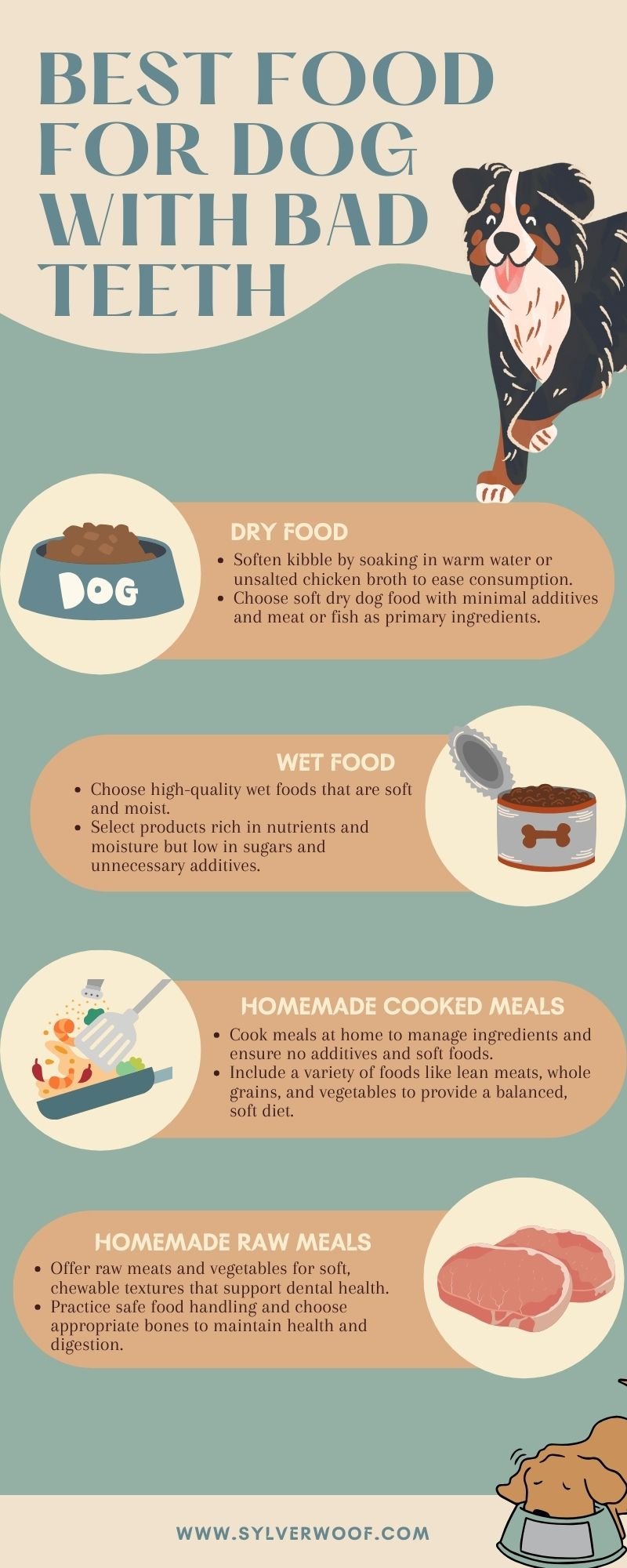
Are you concerned about your furry friend's dental health? You're not alone.
Many dog owners like you worry about what they feed their pets, especially when it comes to wet dog food. Is it really bad for your dog's teeth, or is it just a myth? This topic is more important than you might think, and understanding it could make a big difference in your dog's overall health and happiness.
Imagine having a constant toothache. Unpleasant, right? Now think about your dog experiencing something similar. You want to ensure that what you feed them contributes to their well-being rather than causing discomfort. As a loving pet owner, you want the best for your dog, and their dental health is a crucial part of their overall well-being. But with so much conflicting information out there, it can be hard to know what's true. Stay with us as we explore the ins and outs of wet dog food and its effects on your dog's teeth. By the end of this article, you'll have the knowledge you need to make an informed decision that keeps your dog's tail wagging.

Credit: www.purina.com
Wet Dog Food And Dental Health
Understanding how wet dog food impacts your pet’s dental health can help you make smarter feeding choices. Many dog owners worry that wet food might harm their dog’s teeth, but the reality is more nuanced. Let’s look closely at how wet dog food interacts with dental hygiene and what that means for your furry friend.
How Wet Food Affects Teeth
Wet dog food tends to be softer and stickier than dry kibble. This texture means it can cling to your dog’s teeth more easily, potentially creating a breeding ground for bacteria if not cleaned properly.
Leftover food particles can lead to plaque buildup, which might cause bad breath, gum disease, or tooth decay over time. However, this doesn’t mean wet food is inherently bad; it just requires more attention to your dog's oral care routine.
Have you noticed your dog’s breath after eating wet food? If it smells stronger or sour, that could be an early warning sign to improve dental cleaning habits.
Comparing Wet And Dry Food
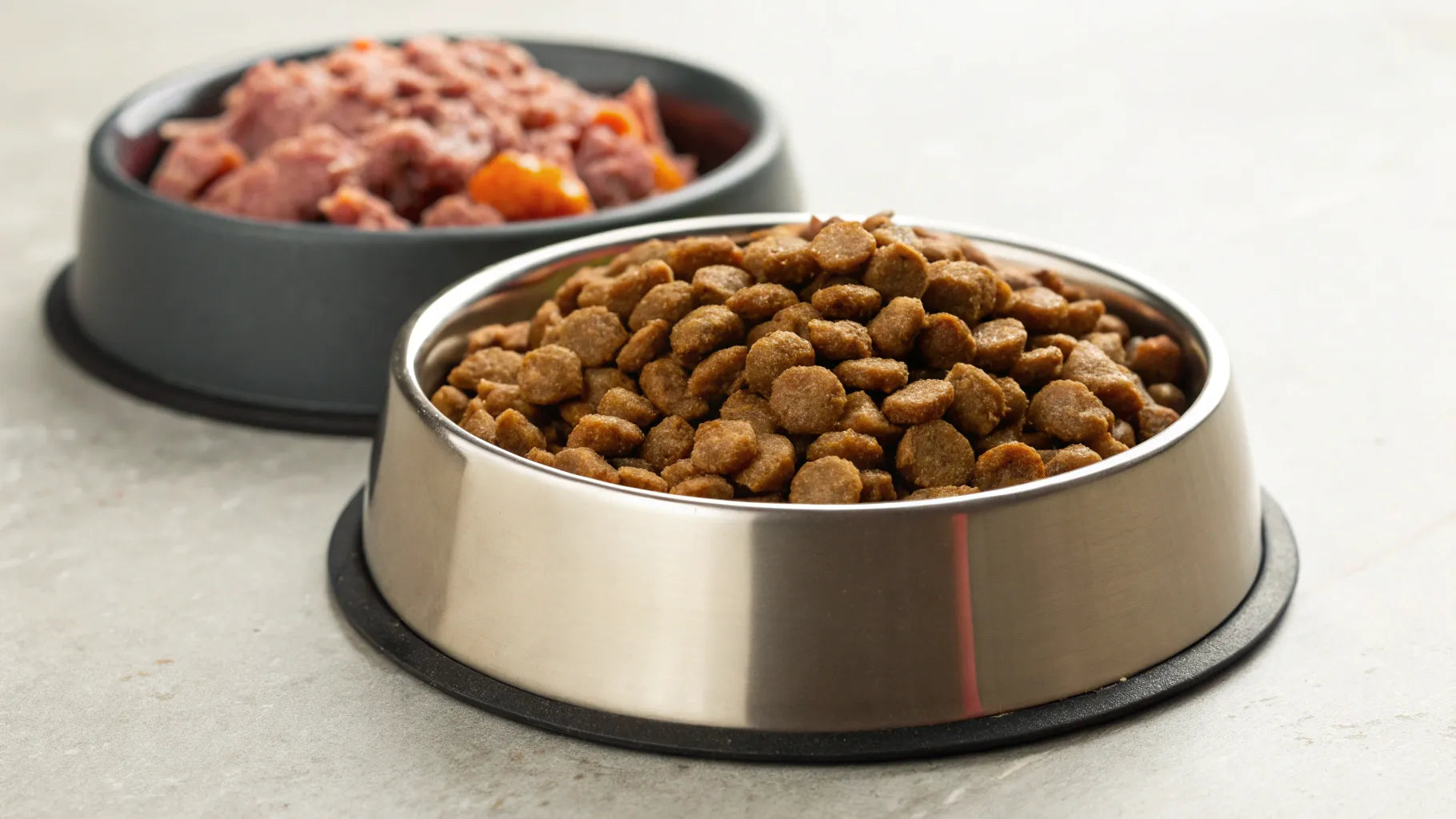
Dry dog food often gets praised for its "scraping" effect on teeth. The crunchy texture can help remove some plaque during chewing, offering a mild mechanical cleaning benefit.
But dry food isn’t a substitute for brushing. It still leaves residues that can build up without proper care. On the other hand, wet food offers higher moisture content, which helps with hydration but provides no abrasive cleaning action.
| Aspect | Wet Food | Dry Food |
|---|---|---|
| Texture | Soft, sticky | Hard, crunchy |
| Effect on Teeth | Can stick and promote plaque buildup | Helps remove some plaque mechanically |
| Hydration | High moisture content | Low moisture content |
| Dental Care Needs | Requires regular brushing and dental checkups | Also requires brushing but may reduce plaque buildup |
Would you change your dog’s feeding routine after seeing this comparison? Balancing wet and dry food, alongside proper dental care, can keep your dog’s teeth healthier and their breath fresher.
Credit: www.houndsy.com
Common Dental Issues In Dogs
Dogs often face dental problems that affect their health and comfort. Poor dental care can lead to pain and difficulty eating. Many common issues start with small problems but grow worse over time. Understanding these dental issues helps keep dogs healthy and happy.
Plaque And Tartar Buildup
Plaque forms when bacteria mix with food particles on teeth. It feels soft but hardens into tartar if not cleaned. Tartar sticks firmly and is hard to remove without a vet. This buildup causes bad breath and can damage teeth. Regular dental care helps stop plaque from turning into tartar.
Gum Disease Risks
Gum disease begins with inflammation around the teeth. It causes red, swollen, or bleeding gums. If untreated, it can destroy the tissue supporting teeth. Advanced gum disease leads to loose teeth and pain. This condition also affects overall health by allowing bacteria into the bloodstream.
Benefits Of Wet Dog Food
Wet dog food offers several benefits that can support your dog's overall health. It contains more moisture than dry food, helping dogs stay hydrated. The texture and taste also appeal to many dogs, encouraging them to eat well. These factors make wet food a valuable option for many pet owners.
Hydration And Nutrient Absorption
Wet dog food has a high water content, which helps keep dogs hydrated. Proper hydration supports kidney function and overall health. The moisture also aids in digestion, allowing dogs to absorb nutrients better. This can be especially helpful for dogs that do not drink enough water.
Palatability And Appetite
Wet food often has a stronger smell and richer flavor than dry food. This makes it more appealing to picky eaters or dogs with a low appetite. The soft texture is easier to chew, especially for older dogs or those with dental problems. Wet food can encourage dogs to eat more consistently and enjoy their meals.
Potential Dental Concerns With Wet Food
Wet dog food is often praised for its palatability and moisture content, but it can raise concerns about your dog's dental health. Understanding how wet food interacts with your dog's teeth helps you make better choices for their oral care. Let's look at some potential dental issues that might arise with regular wet food feeding.
Sticky Residue And Plaque Formation
Wet dog food tends to leave a sticky residue on teeth more than dry kibble. This residue can cling to the enamel and become a breeding ground for bacteria. Over time, this bacterial buildup turns into plaque, which can harden into tartar if not cleaned away.
Think about how sugary snacks affect your own teeth—wet food can have a similar effect on dogs, especially if their teeth aren’t brushed regularly. Have you noticed your dog’s breath becoming unpleasant after eating wet food? That might be a sign of plaque starting to form.
Frequency Of Feeding Impact
How often you feed wet food can also influence dental health. Feeding wet food multiple times a day without proper dental care increases the chances of plaque buildup. Each meal leaves behind residues, which accumulate if not addressed.
Consider adjusting feeding schedules or mixing wet food with dry kibble to reduce constant exposure to sticky residues. You might also want to increase the frequency of teeth brushing or dental chews to counteract the effects of frequent wet food meals.
Dental Care Tips For Wet Food Eaters
Feeding your dog wet food doesn’t mean you have to compromise on their dental health. While wet food can be softer and stickier, making teeth more prone to plaque buildup, simple dental care habits can keep your dog’s mouth healthy. Here are practical tips to maintain your dog’s dental hygiene even if wet food is their favorite meal.
Regular Brushing Techniques
Brushing your dog’s teeth is the most effective way to prevent plaque and tartar buildup. Use a toothbrush designed for dogs and a toothpaste formulated specifically for pets—never use human toothpaste as it can be harmful.
Start slow if your dog isn’t used to brushing. Gently lift their lips and brush in small circles, focusing on the gum line where plaque tends to accumulate. Aim for at least 2-3 times a week to see real benefits.
Have you noticed how your dog reacts during brushing? Adjust your technique based on their comfort level and use plenty of positive reinforcement to make it a bonding moment rather than a chore.
Dental Chews And Toys
Dental chews and toys provide a fun and effective way to help keep your dog’s teeth clean between brushings. These products work by scraping off plaque and stimulating saliva production, which naturally cleans the mouth.
Choose chews that are the right size and texture for your dog’s breed and chewing style. Some chews contain enzymes or ingredients that target bacteria, adding an extra layer of protection.
Observe your dog’s chewing habits. Do they prefer softer toys or aggressive chewers? Matching the right chew toy can prevent dental problems and keep your dog happily occupied.
Professional Cleanings
Even with regular brushing and chews, professional dental cleanings are essential. Vets can remove tartar and plaque that home care misses, especially below the gum line where serious issues begin.
Ask your vet how often your dog should have a cleaning based on their age, diet, and dental health. Some dogs may need cleanings once a year, while others might require more frequent visits.
Have you seen the difference after a professional cleaning? Many dog owners notice their pets eating more comfortably and having fresher breath, which is a clear sign of improved oral health.
Choosing The Right Dog Food
Choosing the right dog food plays a key role in maintaining your dog's dental health. Not all foods are equal when it comes to protecting teeth and gums. Some ingredients help reduce plaque and tartar buildup. Others might promote chewing, which naturally cleans teeth. Understanding these factors helps you pick the best diet for your pet's smile.
Ingredients That Support Dental Health
Look for dog foods containing natural teeth cleaners. Ingredients like:
- Rawhide or dental chews
- Added minerals such as calcium and phosphorus
- Enzymes that fight bacteria
- Crunchy vegetables or fibers
These components help reduce plaque and freshen breath. Avoid foods high in sugars or starches. They can increase the risk of tooth decay.
Balancing Wet And Dry Food
Both wet and dry foods have pros and cons for teeth. Dry food tends to scrape plaque from teeth while chewing. Wet food is easier to eat and can keep your dog hydrated.
Mixing wet and dry food offers a balanced approach. It encourages chewing while providing moisture. This balance supports good dental health without sacrificing taste or nutrition.
Credit: goofytails.com
Frequently Asked Questions
Does Wet Dog Food Cause Dental Problems?
Wet dog food can contribute to plaque buildup more than dry food. Its moisture and stickiness allow bacteria to cling to teeth. Regular dental care is essential to prevent problems like tartar, bad breath, and gum disease regardless of food type.
How Does Wet Food Affect Dogs' Teeth Health?
Wet food often lacks the abrasive texture that helps clean teeth naturally. This can lead to faster plaque accumulation and dental issues if not managed. Combining wet food with proper dental hygiene helps maintain healthy teeth and gums for dogs.
Can Wet Dog Food Lead To Bad Breath?
Yes, wet food can cause bad breath if oral hygiene is neglected. Bacteria thrive on leftover food particles in the mouth. Regular brushing and dental chews are necessary to reduce odors and maintain fresh breath.
Should I Switch To Dry Food For Better Dental Health?
Dry food may help reduce plaque due to its crunchy texture. However, it’s not a complete solution. Combining dry food, wet food, and dental care routines ensures optimal oral health for your dog.
Conclusion
Wet dog food does not directly harm dogs’ teeth. It may leave more residue than dry food. This can lead to plaque buildup if not cleaned regularly. Brushing your dog's teeth helps keep them healthy. Regular vet check-ups catch dental issues early.
Mixing wet and dry food can balance nutrition and dental health. Good dental care supports your dog’s overall well-being. Clean teeth mean a happy, healthy dog. Simple habits make a big difference in dental health. Keep your dog’s smile bright and strong.