Imagine waking up one morning to find your furry friend squinting or pawing at their eye. A stye on your dog can be unsettling, leaving you wondering what to do next.
You're not alone in this; many dog owners face the same concern. But don’t worry, understanding how to treat a stye on a dog is simpler than you might think. In this guide, you'll discover effective, vet-approved strategies to help your beloved pet feel better quickly.
Stick with us, and you'll gain the confidence and knowledge to tackle this issue head-on, ensuring comfort and relief for your canine companion. Ready to learn more? Let's dive in!

Credit: www.reddit.com
What Is A Stye In Dogs
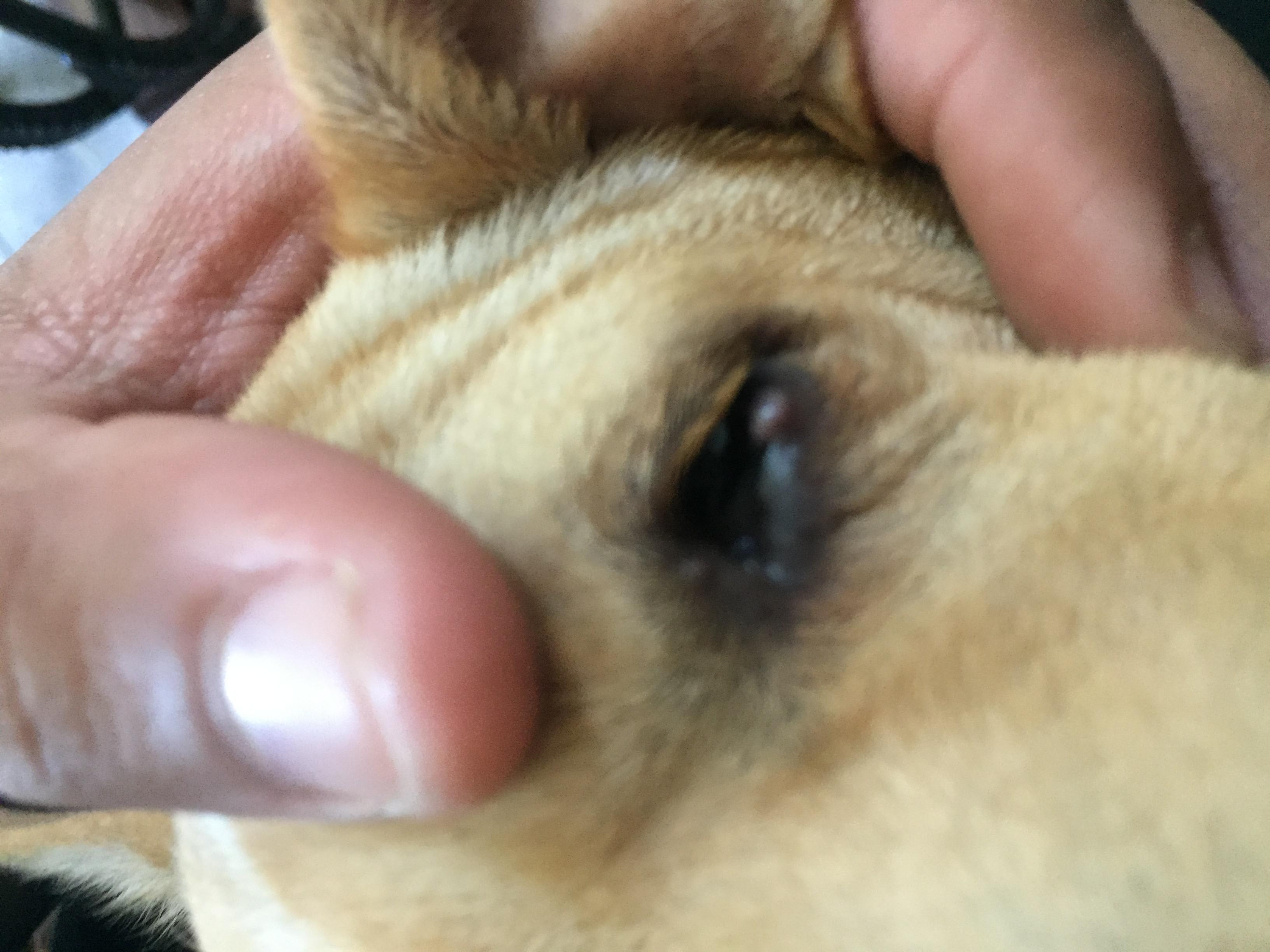
A stye in dogs is a common eye problem. It looks like a small, red bump near the eye. This bump can be painful and cause discomfort for your pet. Styes happen when an oil gland in the eyelid gets infected.
Dogs use their eyes to explore and play. A stye can make this hard. Knowing what a stye is helps you care for your dog better.
Definition Of A Stye
A stye is an infection of the eyelid's oil glands. It causes a swollen, red lump that may have pus. This lump can appear on the edge of the eyelid or inside it.
Causes Of A Stye In Dogs
- Bacteria entering the oil gland
- Blocked or irritated oil glands
- Injury or rubbing of the eye
- Allergies that affect the eyes
Signs And Symptoms
- Red, swollen bump near the eye
- Excessive blinking or squinting
- Discharge or tearing from the eye
- Scratching or rubbing the eye area
Difference Between A Stye And Other Eye Issues
A stye is often confused with other eye problems like conjunctivitis or a chalazion. A stye is usually painful and has a red bump with pus. Other conditions may cause swelling but do not have this kind of lump.
Common Causes Of Styes
Styes in dogs are common eye problems caused by infections or irritations. Understanding the causes helps prevent and treat them effectively. Styes form when glands near the dog's eyelids become blocked or infected. This leads to painful, swollen bumps that can bother your pet.
Several factors can cause styes in dogs. These include bacterial infections, eye injuries, and poor hygiene. Some dogs may also develop styes due to allergies or underlying health issues. Recognizing these causes helps in managing your dog’s eye health better.
Bacterial Infections
Most styes result from bacteria called Staphylococcus. These bacteria live on the skin but can enter the eyelid glands. When the glands get blocked, bacteria multiply and cause infection. This infection creates the red, swollen bump known as a stye.
Eye Injuries
Scratches or trauma to the eye or eyelid can lead to styes. Injuries allow bacteria to enter the glands easily. Even small cuts or pokes can cause irritation and infection. Protect your dog’s eyes during play or outdoor activities.
Poor Hygiene
Dirt and debris near the eyes increase the risk of styes. Dogs that do not have clean faces often develop infections. Regular cleaning of the eye area helps prevent gland blockages. Keep your dog’s face free from mud and dust.
Allergies
Allergies can cause constant eye rubbing or tearing. This irritates the eyelids and blocks glands. Allergic reactions may come from food, pollen, or dust mites. Watch for signs of allergies to reduce eye problems.
Underlying Health Issues
Some health problems weaken the immune system. Dogs with weakened immunity are more prone to infections. Conditions like diabetes or hormonal imbalances can contribute to styes. Regular vet check-ups help catch these issues early.
Recognizing Stye Symptoms
Spotting a stye on your dog early can save both of you from unnecessary discomfort. Styes are small, painful lumps near the eye caused by an infection in the oil glands. Knowing what to look for helps you act quickly and prevent the issue from worsening.
Common Visual Signs Of A Stye
Check your dog's eyelids for swelling or redness. A stye often appears as a tiny, raised bump that may look like a pimple or cyst. You might also notice the eyelid slightly drooping or your dog squinting more than usual.
Behavioral Changes To Watch For
Your dog might paw at the affected eye or rub its face against furniture. Increased blinking or keeping the eye closed can also signal discomfort. If your dog seems more irritable or restless, it could be because of eye pain.
Eye Discharge And Other Symptoms
Look for watery or yellowish discharge around the eye. Sometimes, the stye causes crusting along the eyelid margin. If your dog’s eye looks cloudy or your pet is sensitive to light, these are signs to get veterinary advice promptly.
When To Seek Veterinary Help
If the swelling grows rapidly or doesn’t improve within a couple of days, don’t wait. Persistent discharge or signs of pain require professional treatment. Have you noticed any unusual eye symptoms in your dog that made you worry?
Safe Home Remedies For Styes
Styes on dogs cause discomfort and swelling near the eyes. Treating them safely at home can help relieve pain and speed healing. Simple remedies can reduce inflammation and prevent infection without harsh chemicals. Always observe your dog closely and keep treatments gentle to protect sensitive eye areas.
Warm Compress Application
Use a clean cloth soaked in warm water. Wring out excess water so it is damp, not dripping. Hold the compress gently on the affected eye for 5 to 10 minutes. Repeat 3 to 4 times daily. Warmth helps loosen clogged glands and reduces swelling. Avoid applying too much pressure to prevent further irritation.
Cleaning The Eye Area
Keep the eye area clean to prevent bacteria buildup. Use a soft cloth or cotton ball dampened with warm water. Wipe away discharge carefully without touching the stye directly. Clean from the inner corner outward to avoid spreading infection. Do this 2 to 3 times a day to maintain hygiene.
Using Natural Antiseptics
Natural antiseptics can help fight bacteria safely. Diluted chamomile tea or green tea works well. Brew the tea, let it cool, then soak a clean cloth in it. Apply gently around the eye, avoiding direct contact with the stye. Aloe vera gel, pure and free from additives, can soothe irritation. Use these remedies sparingly and observe for any signs of irritation.
When To See A Vet
Knowing when to see a vet for your dog’s stye can make a big difference in how quickly your furry friend recovers. Some styes clear up with home care, but others need professional attention. Ignoring certain signs can lead to complications or prolonged discomfort for your dog.
Signs That Indicate Immediate Veterinary Care
If your dog’s eye becomes very red, swollen, or painful, it’s time to visit the vet. Excessive discharge or pus coming from the eye suggests an infection that needs medical treatment. Also, if your dog is rubbing their eye constantly or squinting, these are clear signs of discomfort that require professional help.
When Home Remedies Aren’t Enough
You might have tried warm compresses and gentle cleaning, but if the stye doesn’t improve within a few days, don’t wait longer. Styes that grow larger or spread to other parts of the eye need a vet’s evaluation. Sometimes, antibiotics or other treatments are necessary to prevent worsening.
Underlying Health Issues To Watch For
Repeated styes or ongoing eye problems can signal deeper health issues. Conditions like allergies, immune problems, or blocked glands might be the root cause. A vet can diagnose these problems and suggest the right long-term care to keep your dog comfortable.
Preventing Future Styes
Preventing future styes on your dog is just as important as treating the current one. Styes can be painful and uncomfortable for your pet, and repeated infections can lead to more serious eye problems. By taking simple, consistent steps, you can help protect your dog's eyes and keep them healthy.
Maintaining Eye Hygiene
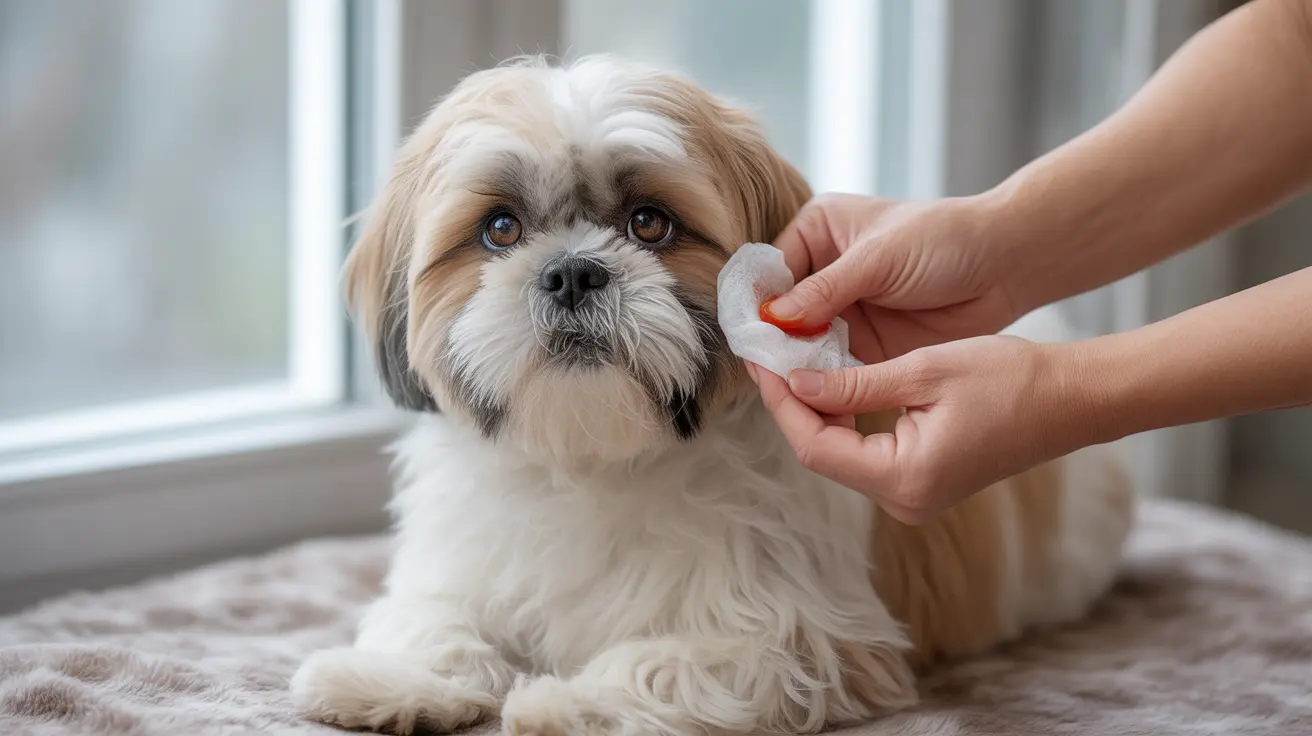
Keeping your dog’s eyes clean is crucial for preventing styes. Use a damp, soft cloth or sterile eye wipes to gently remove dirt and discharge around the eyes daily. Avoid harsh soaps or chemicals, as they can irritate your dog’s sensitive skin.
Have you noticed how some dogs naturally get more eye gunk than others? Regular cleaning can stop that buildup from turning into an infection. If your dog has long hair around the eyes, trimming it carefully can reduce debris accumulation.
Regular Grooming Tips
Regular grooming plays a big role in eye health. Trim the fur around your dog’s eyes to prevent hair from poking or irritating the eyelids. This also lowers the chance of dirt getting trapped near the eyes.
Bath time is a perfect opportunity to check for any signs of irritation or redness. Use gentle shampoos designed for dogs and avoid getting shampoo or conditioner in their eyes. Grooming sessions also help you spot early signs of styes before they worsen.
Avoiding Irritants
Think about your dog’s environment and what might cause eye irritation. Dust, smoke, strong chemicals, and even certain plants can trigger styes. Keep your dog away from these irritants whenever possible.
Sometimes, your dog’s toys or bedding could harbor bacteria. Wash these items regularly to lower the risk of infection. Do you know which areas your dog spends most of their time in? Keeping those spaces clean can make a big difference.
Medications And Treatments
Dealing with a stye on your dog can be worrying, but knowing the right medications and treatments can make a real difference. Proper care helps reduce discomfort and speeds up healing. Let’s look at some effective options to help your furry friend feel better fast.
Topical Antibiotics
Topical antibiotics are often the first choice for treating a stye on a dog. These medications directly target the bacterial infection causing the swelling and redness. Applying antibiotic ointments, like erythromycin or neomycin, can reduce inflammation and prevent the stye from worsening.
Always clean the affected area gently before applying any ointment. You might want to ask your vet for a prescription or recommendations on over-the-counter options safe for dogs. Have you ever noticed how quickly a clean, medicated area starts to improve? That’s the power of targeted treatment.
Pain Relief Options
Styes can be painful and uncomfortable for your dog. Managing pain is crucial to keep your pet calm and prevent scratching or rubbing the eye, which can make things worse. Over-the-counter pain relief isn’t always safe for dogs, so check with your vet before giving any medications.
In some cases, your vet might suggest anti-inflammatory drugs or mild pain relievers designed specifically for pets. Using warm compresses can also soothe the area and reduce discomfort without any medication. Have you tried this simple, natural relief method for your pet? It’s often overlooked but very effective.
Credit: www.goldenretrieverforum.com
Monitoring Recovery Progress
Monitoring your dog’s stye recovery helps ensure proper healing and comfort. Regular checks prevent complications and catch issues early. Keep track of changes and note any concerns to share with your vet.
Signs Of Healing To Watch For
- Reduction in swelling around the eye
- Less redness and irritation
- Decreased discharge or crusting
- Improved eye openness and brightness
- Your dog showing less discomfort or rubbing
When To Contact Your Veterinarian
- Swelling worsens or spreads beyond the eyelid
- Discharge becomes thick, yellow, or foul-smelling
- Your dog shows signs of pain or vision issues
- The stye does not improve after a week of care
- New symptoms appear, such as fever or lethargy
Keeping A Recovery Journal
Write down daily observations about your dog’s eye. Note changes in size, color, and behavior.
This record helps you spot trends and share accurate details with your vet.
Consistency In Treatment
Stick to the treatment plan exactly as instructed. Avoid skipping warm compresses or medication doses.
Consistent care speeds healing and reduces the chance of reinfection.
Credit: www.petco.com
Frequently Asked Questions
What Causes A Stye On A Dog’s Eye?
A stye usually forms due to bacterial infection in the eyelid glands. Poor hygiene or injury can increase risk. Dogs with allergies or eye irritations may also develop styes more easily.
How Can I Safely Treat A Stye On My Dog?
Apply a warm compress to the affected eye for 5-10 minutes, 3-4 times daily. This helps reduce swelling and drain the stye naturally. Avoid squeezing or touching the area to prevent further infection.
When Should I See A Vet For My Dog’s Stye?
If the stye does not improve in 3-5 days or worsens, consult a vet. Also, seek veterinary care if your dog shows pain, vision problems, or excessive discharge from the eye.
Can Styes On Dogs Be Prevented?
Maintaining good eye hygiene and regular grooming helps prevent styes. Keep your dog’s face clean, avoid exposure to irritants, and promptly treat any eye injuries or infections.
Conclusion
Treating a stye on your dog can be simple and quick. Clean the eye gently and apply warm compresses daily. Watch for signs of infection or pain. Visit a vet if the stye does not improve or gets worse. Early care helps your dog feel better fast.
Keep your pet’s eyes clean and safe. Small steps make a big difference in healing. Caring for your dog shows your love and care. Stay patient and gentle during treatment. Your dog will thank you with happy, healthy eyes.